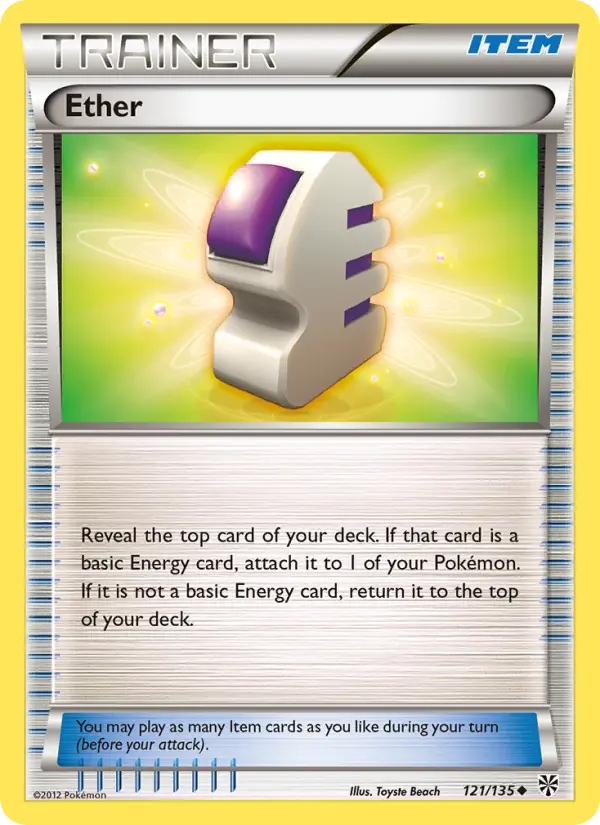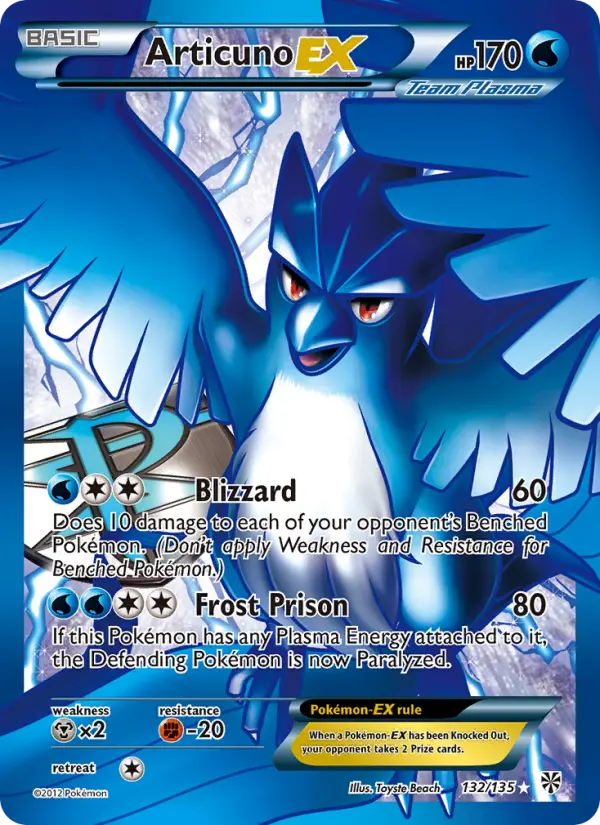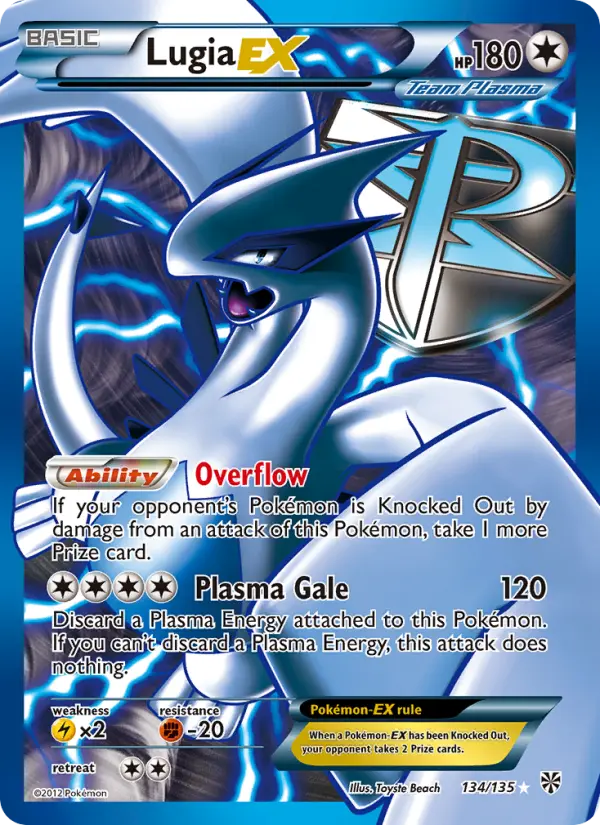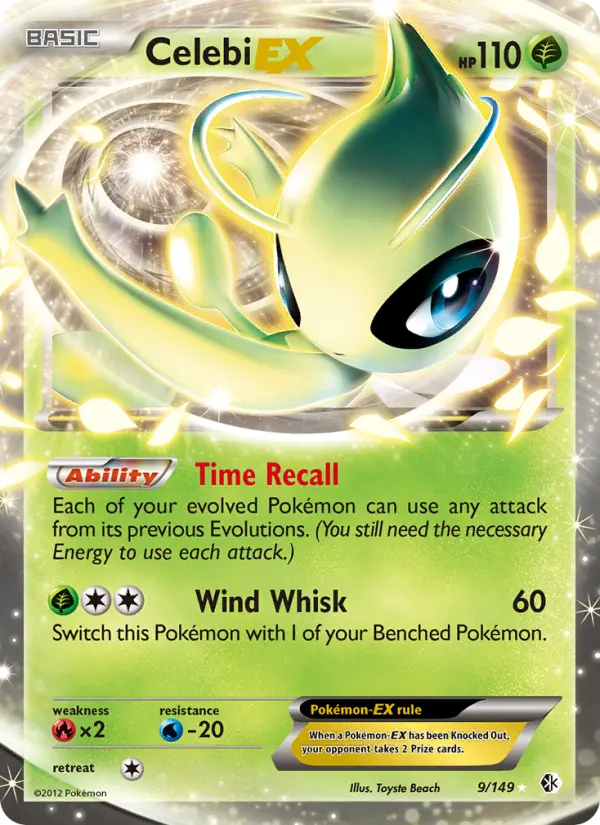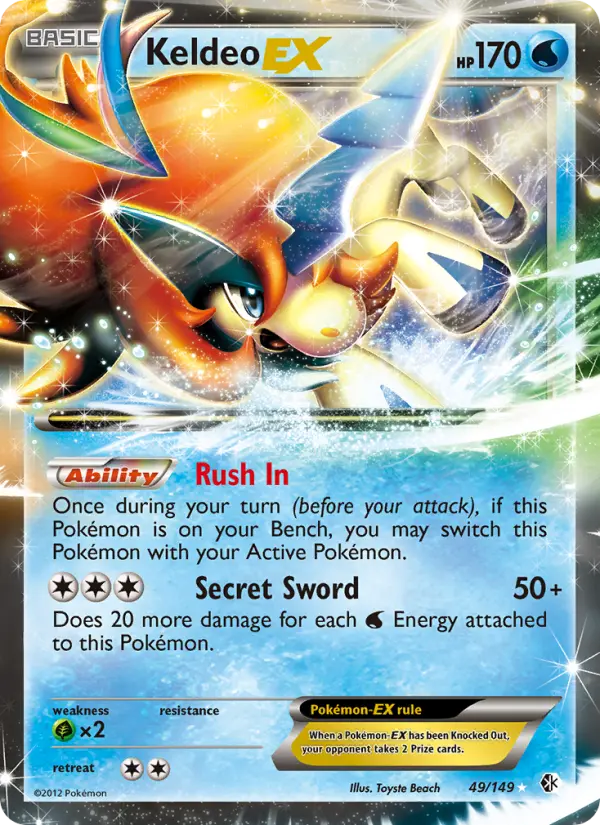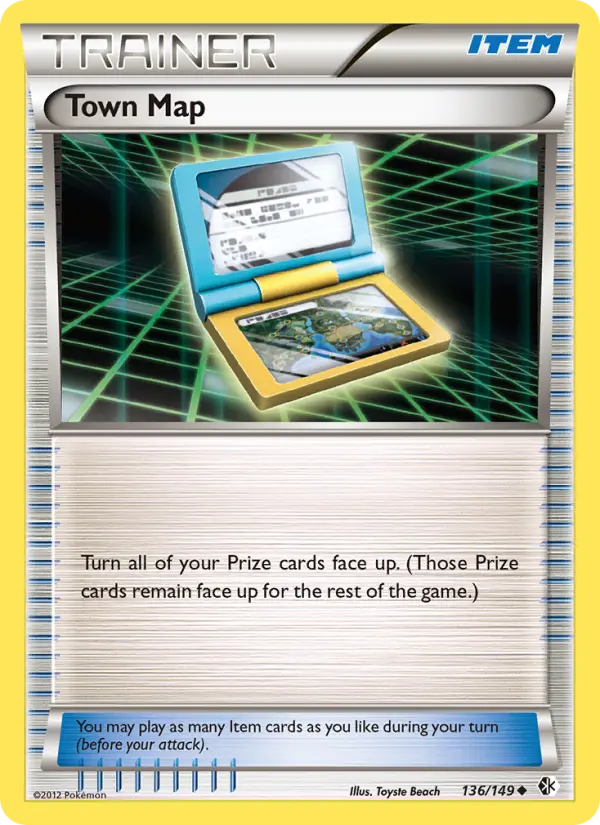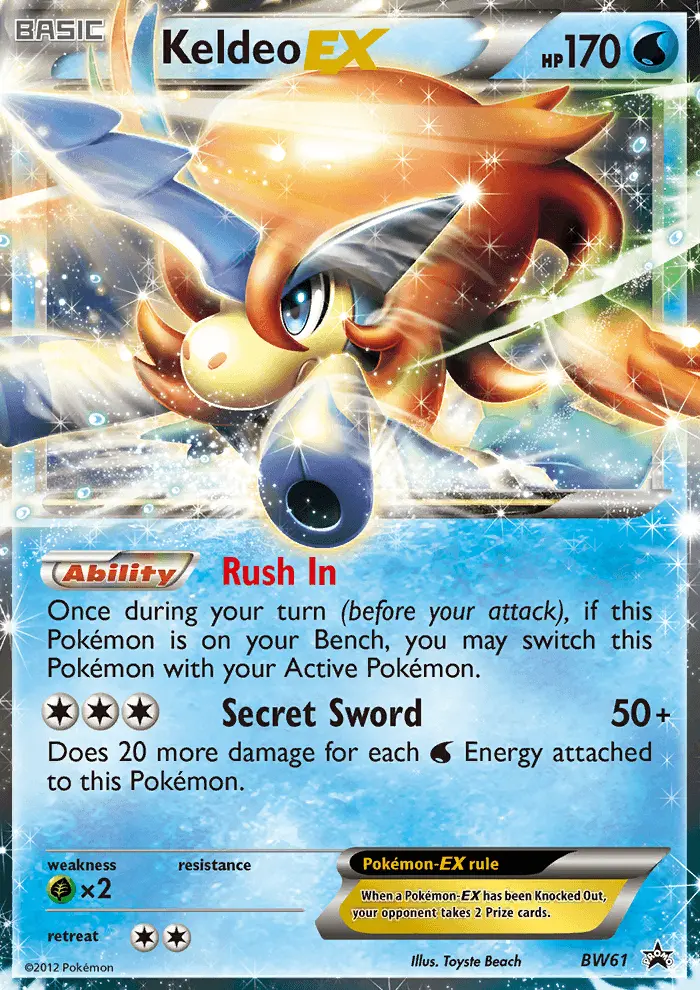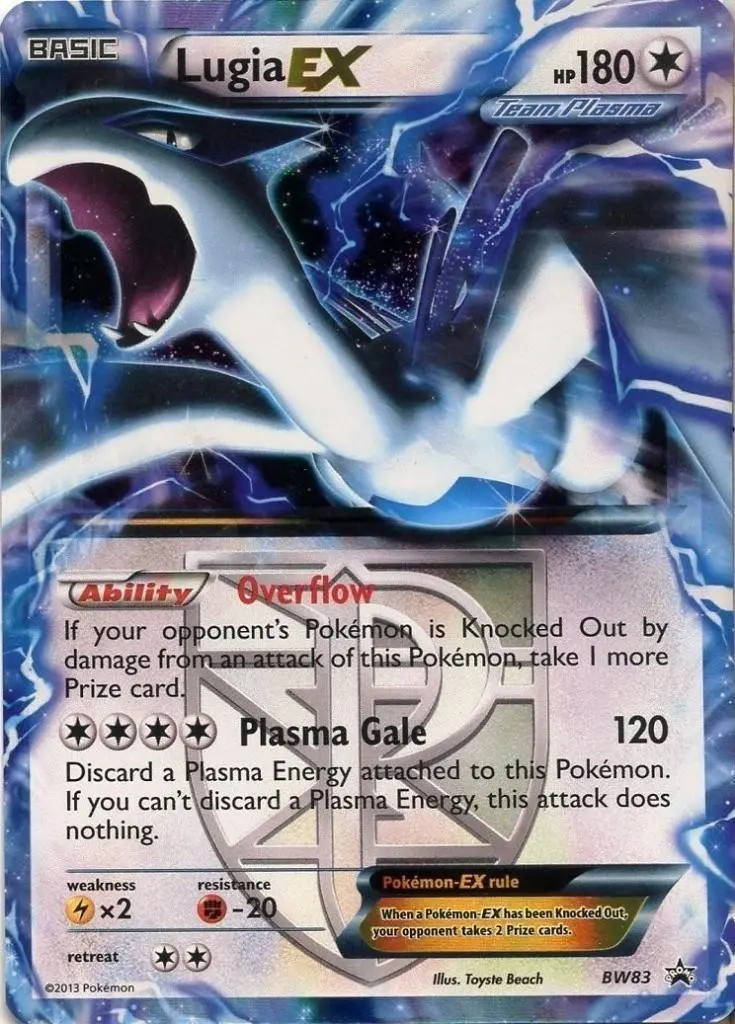
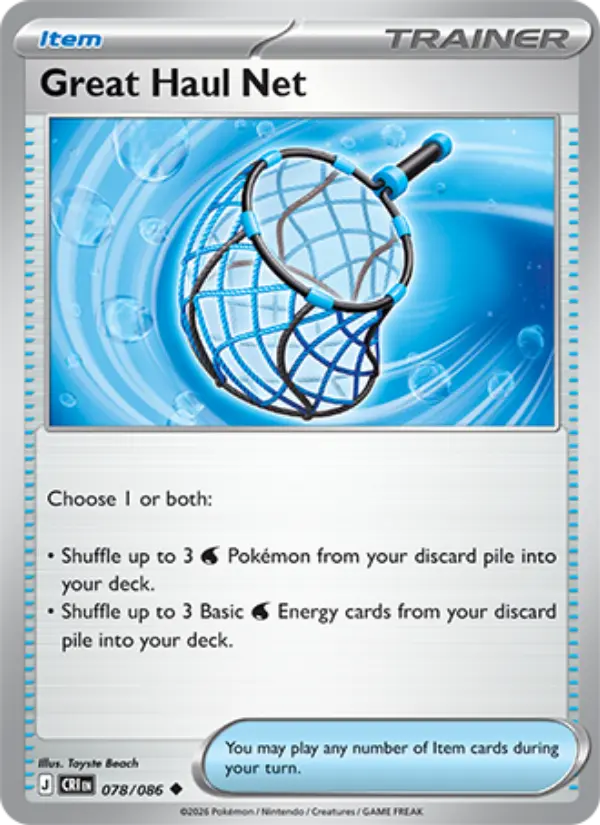
Toyste Beach is a studio credit rather than an individual illustrator, and that distinction matters for collectors. Bulbapedia describes Toyste Beach as a game and video development studio based in Sapporo, Japan, while The Art of Pokémon identifies it as a 3D CG production company that has worked on Pokémon TCG illustrations since 2012. In PKMN Collectors, the credit appears on nearly 300 card records and is especially visible on Trainer, Item, Tool and ACE SPEC cards.
A Japanese 3D studio behind modern Trainer and Item card art
Its early Pokémon TCG footprint begins around the Black & White era. Local records include Keldeo-EX, Lugia-EX, Celebi-EX and Town Map, followed by Articuno-EX, Bicycle, Ether and Lugia-EX from Plasma Storm. Bulbapedia notes that Celebi-EX, Keldeo-EX and Town Map from Boundaries Crossed were among the first artworks, while some international promo releases appeared earlier. That mix of Pokémon and practical Trainer cards set the tone for a credit that would become closely tied to competitive objects and polished 3D presentation.
For collectors, Toyste Beach is useful because its cards often sit at the intersection of playability and visual clarity. Items like Battle Compressor, Startling Megaphone, Dive Ball, Rare Candy, Trainers Mail, Max Elixir, Battle VIP Pass, Lost Vacuum, Prime Catcher, Rescue Board, Night Stretcher, Counter Gain and Glass Trumpet are not just illustrations; many are cards players remember from actual decks. The studio approach suits those subjects: clean objects, readable perspective, metallic textures and dramatic lighting that make a tool or device feel important.
Toyste Beach also appears on Pokémon cards, but its identity is stronger on cards that represent equipment, technology, Stadiums and game actions. That gives the studio a different collecting lane from artists known mainly for character emotion or painterly backgrounds. A Toyste Beach binder often becomes a tour through the material culture of Pokémon TCG: balls, gadgets, fossils, machines, charms, capes and tactical devices.
Because the credit belongs to a company, it is better not to invent personal biography or individual artist stories. What can be said with confidence is that Toyste Beach helped give modern Trainer cards a consistent 3D language. For collectors who care about competitive history, Secret Rare objects or the look of modern utility cards, Toyste Beach is one of the most important studio names to know.
Referenced from toyste.com.