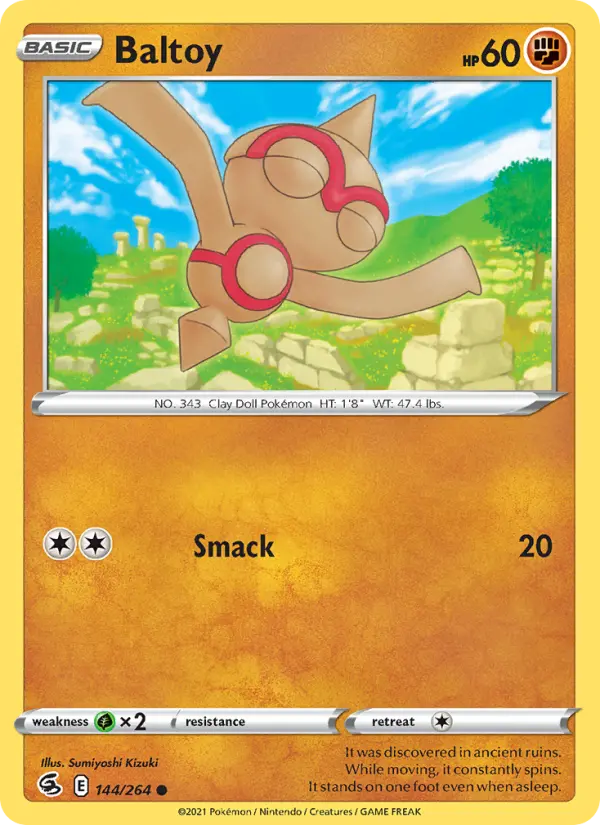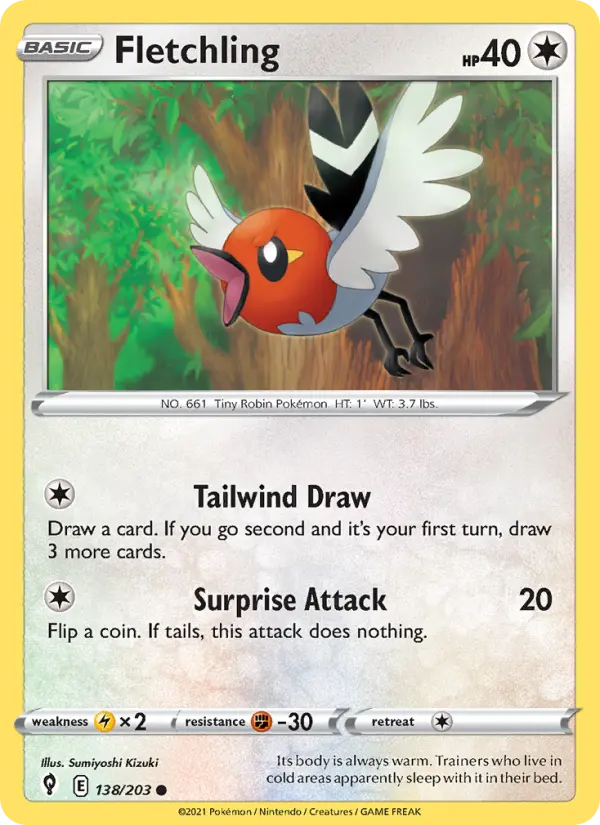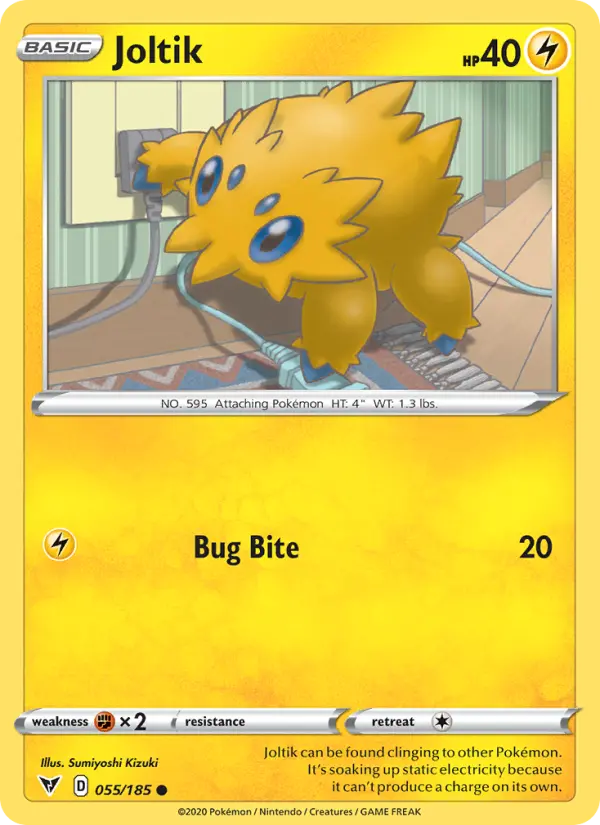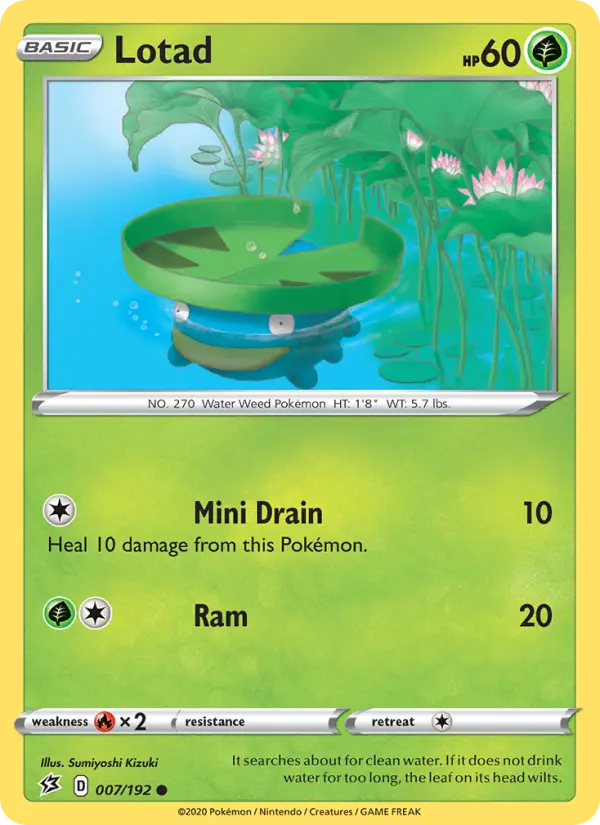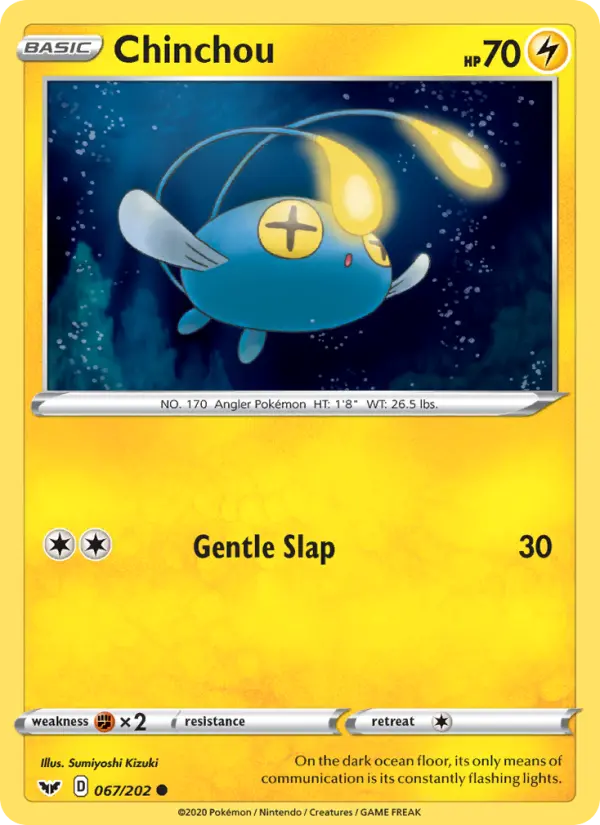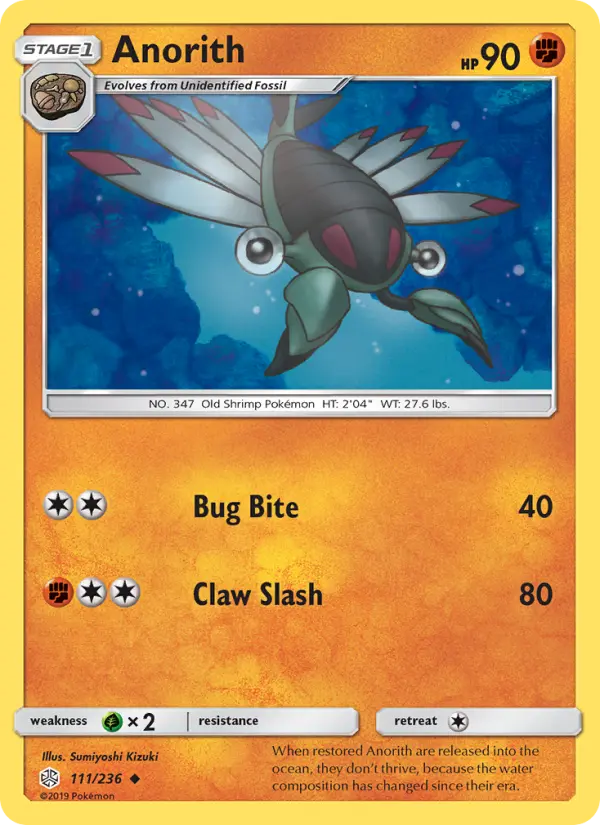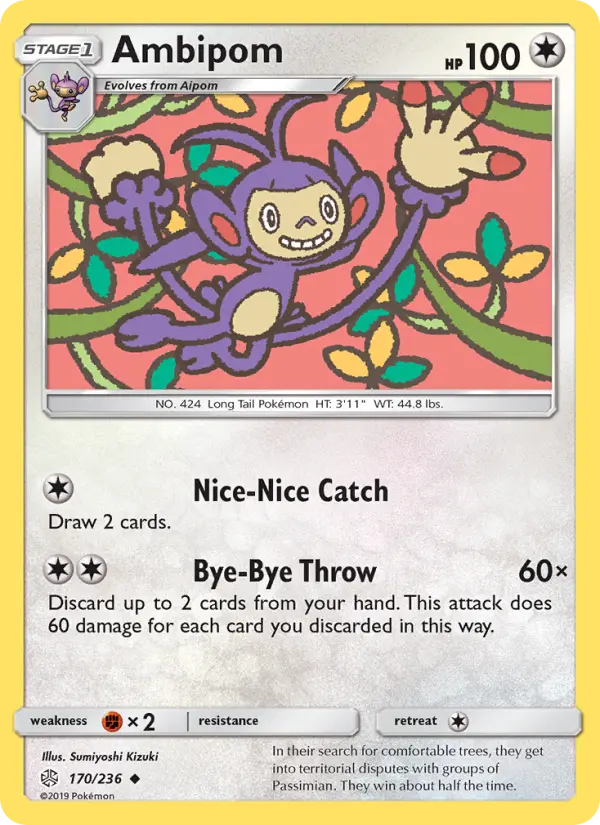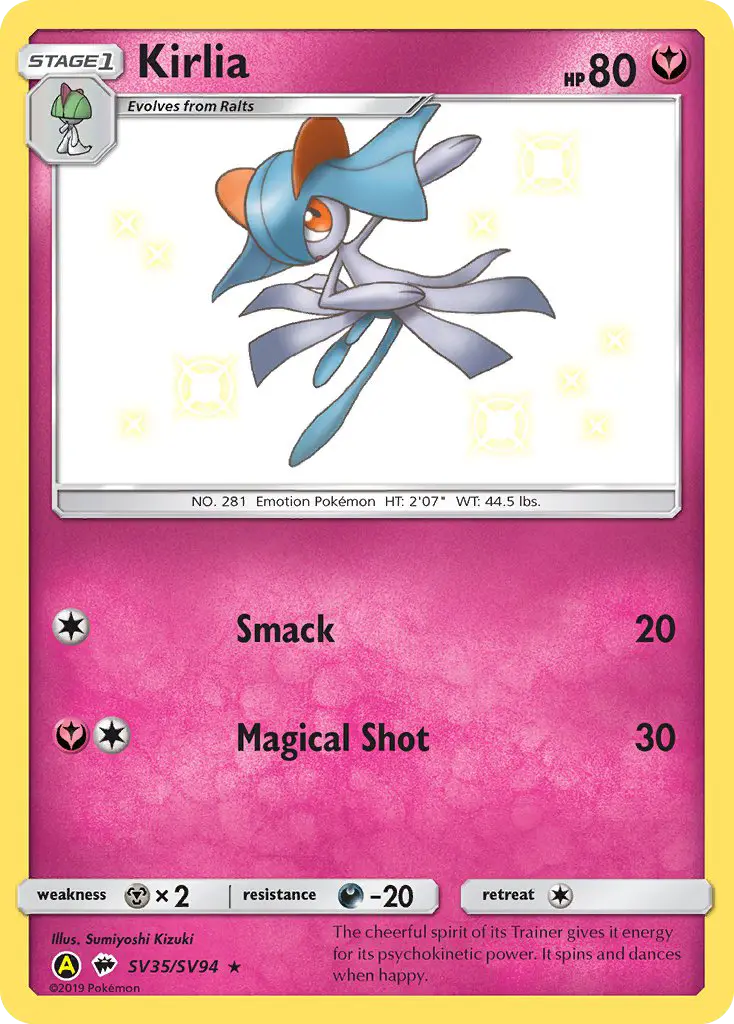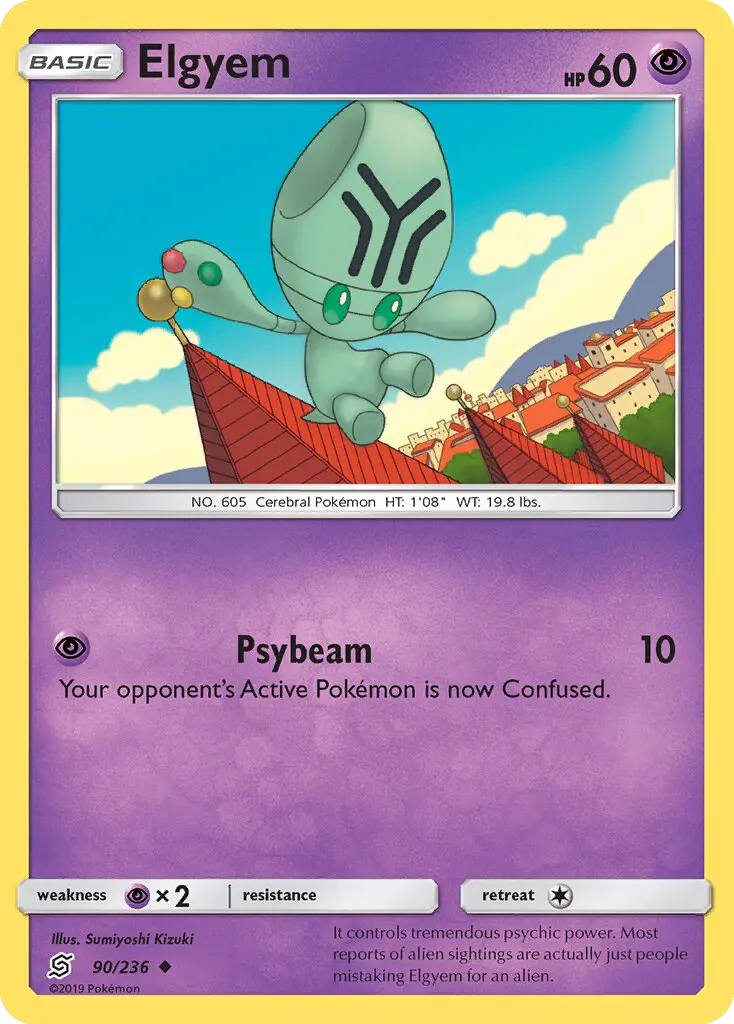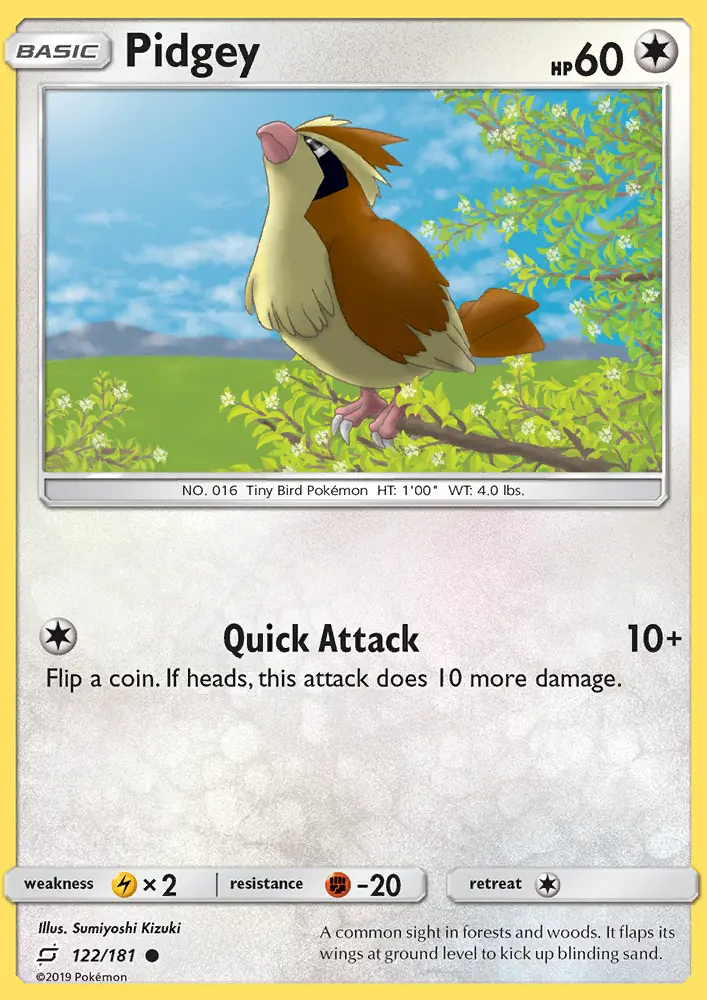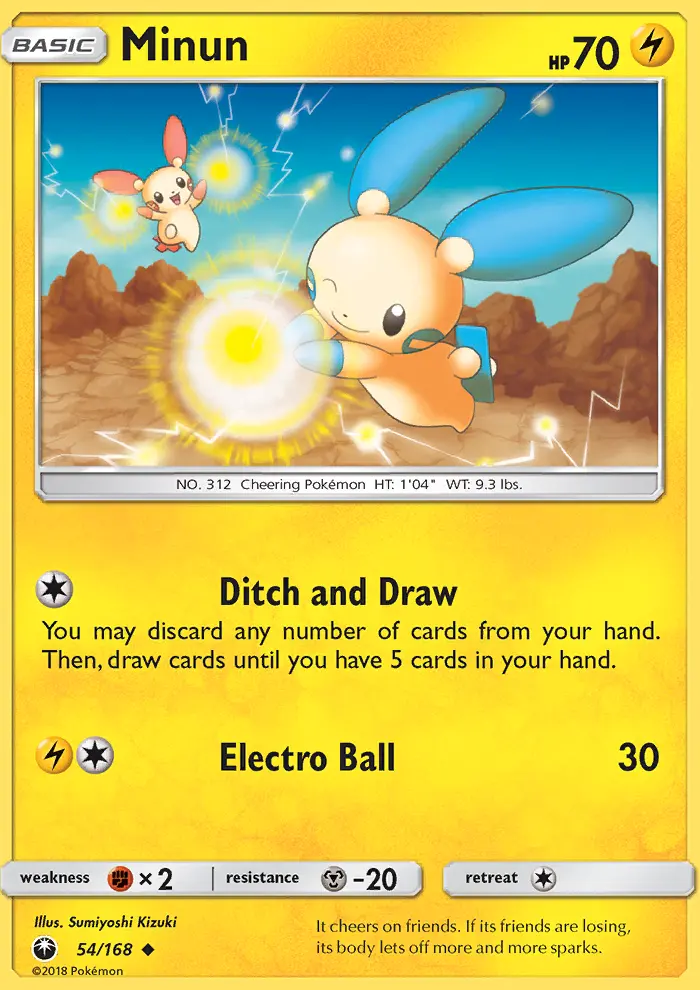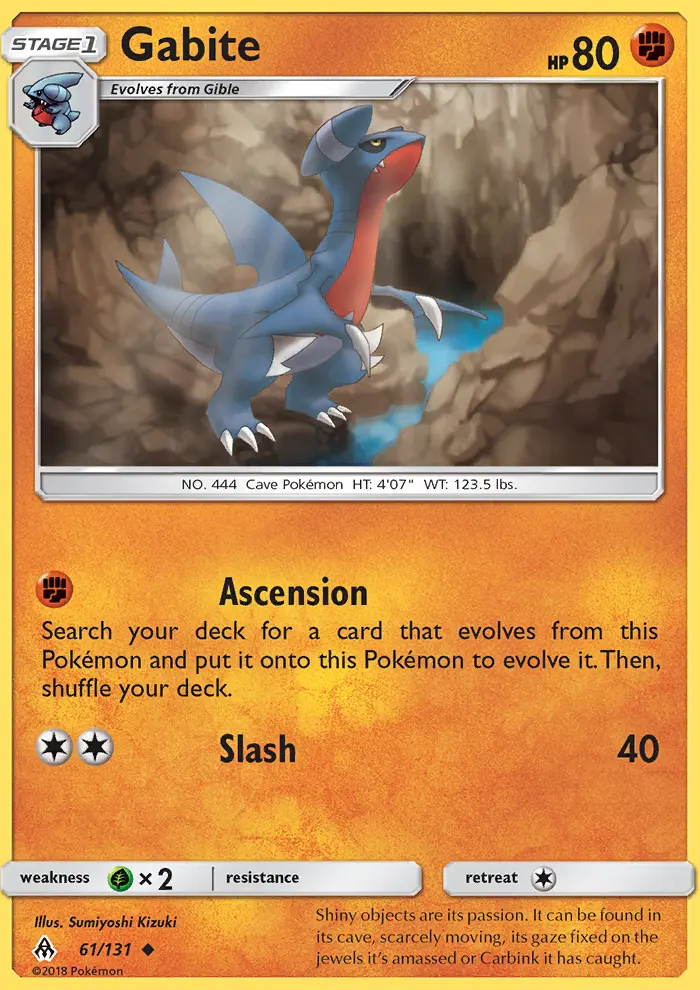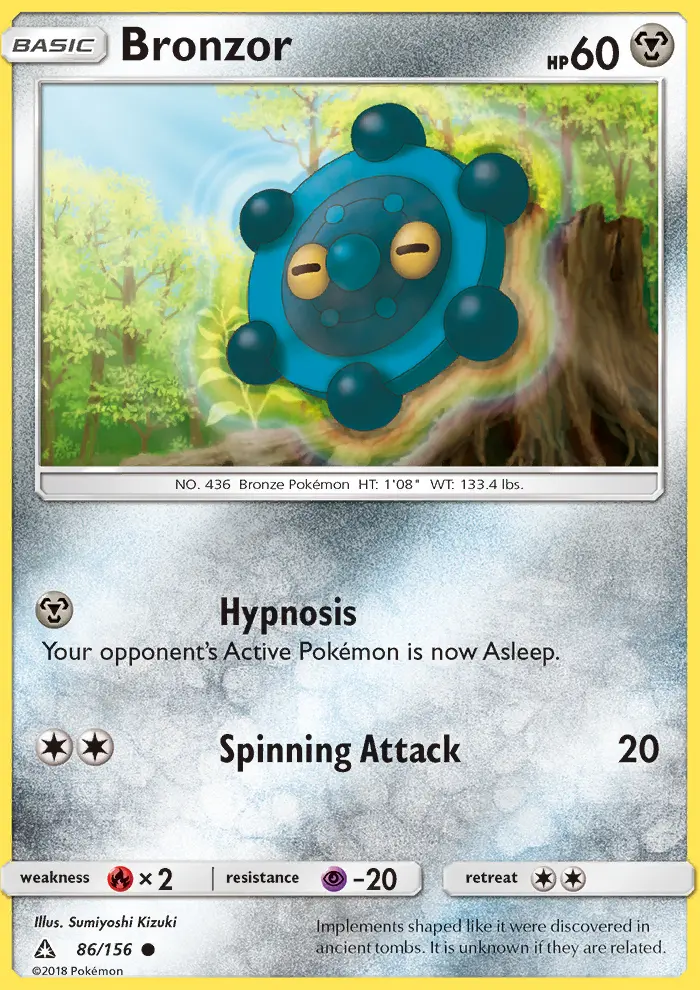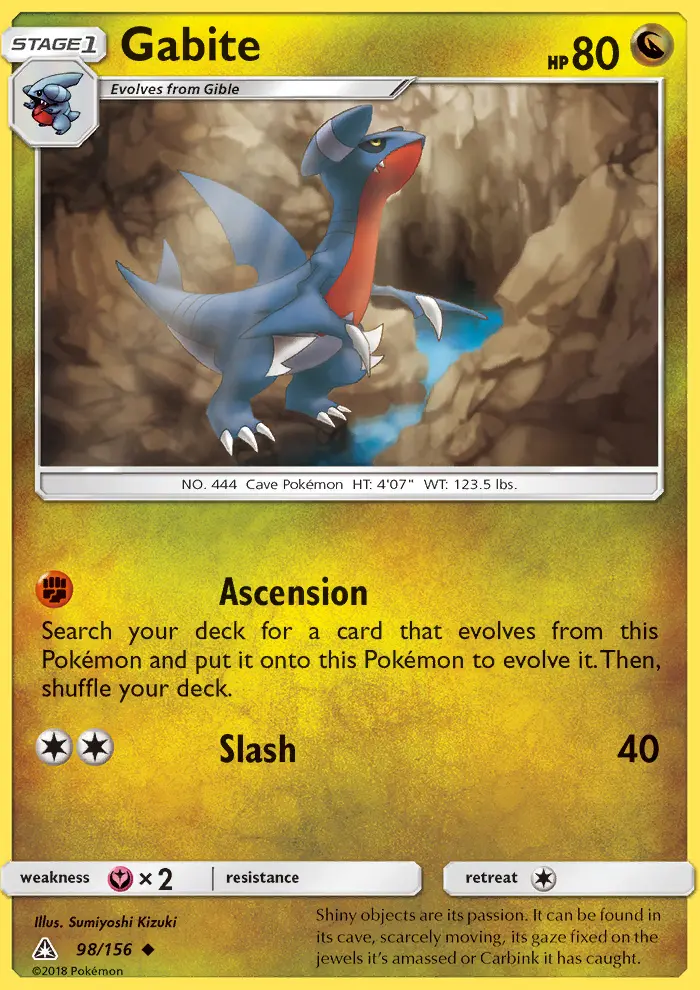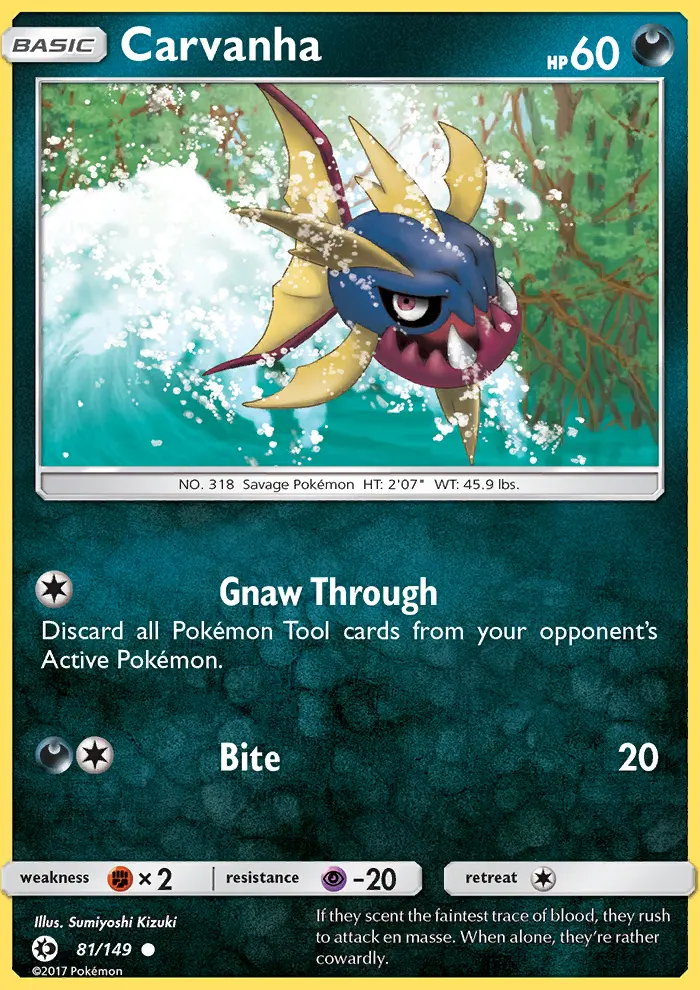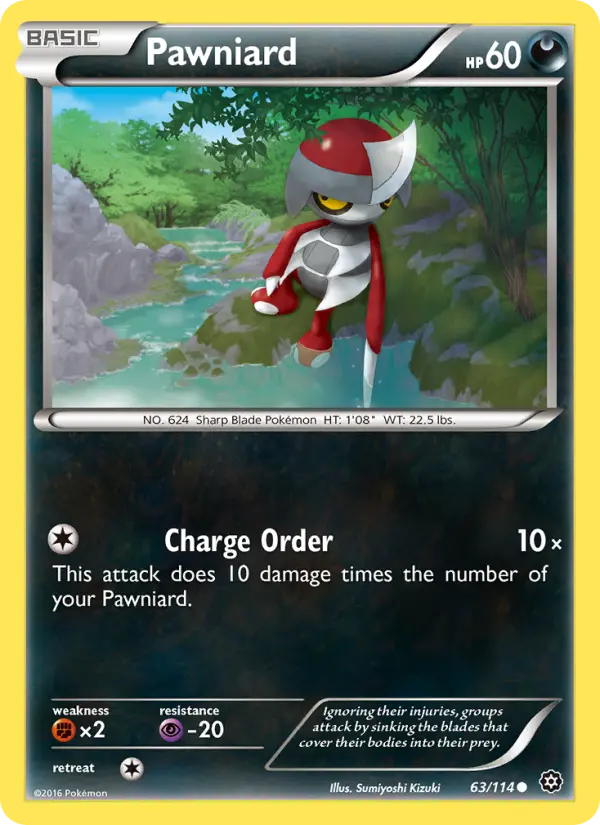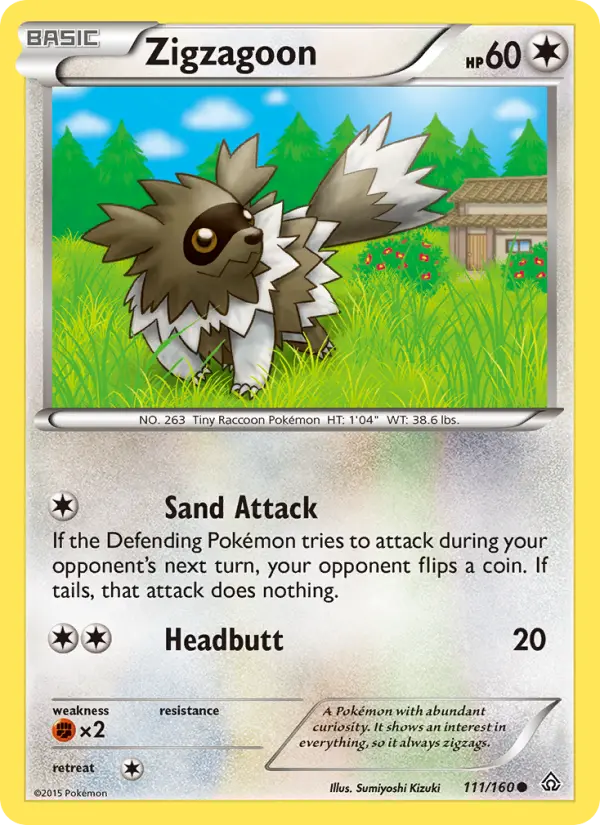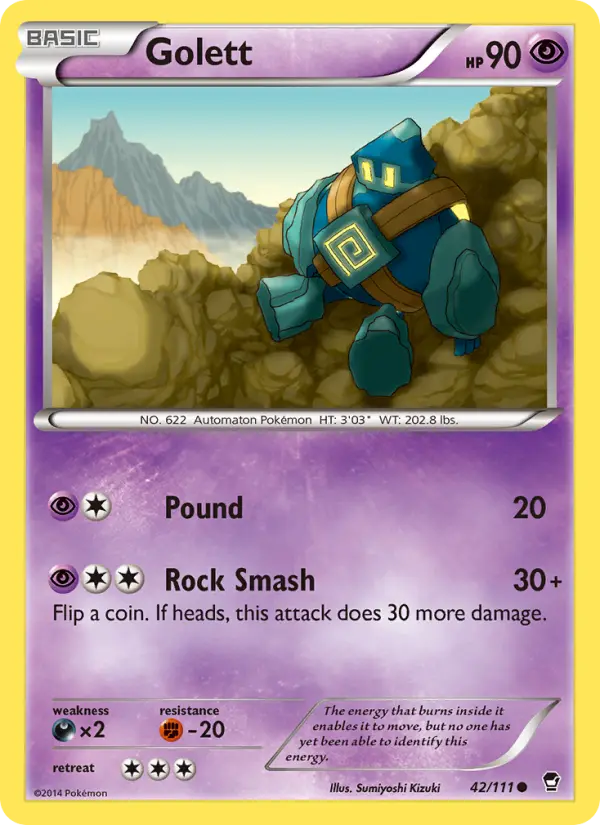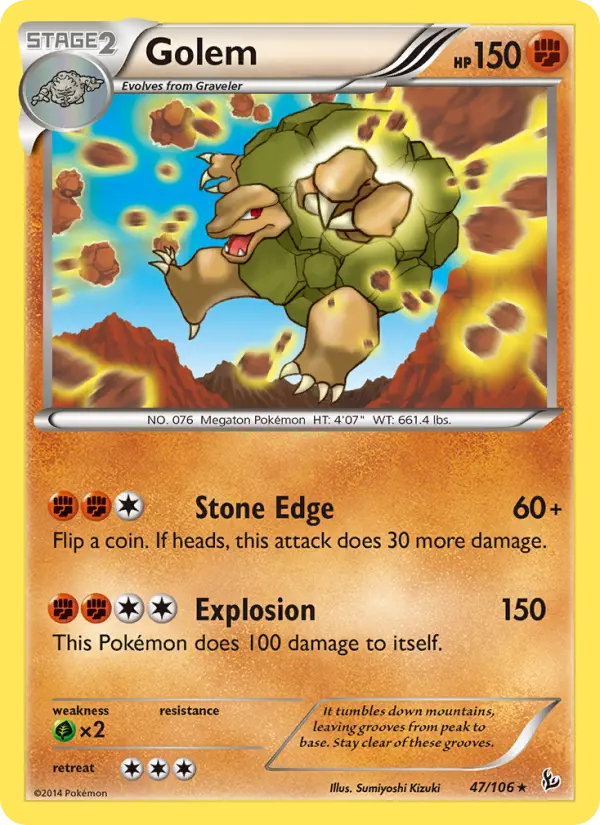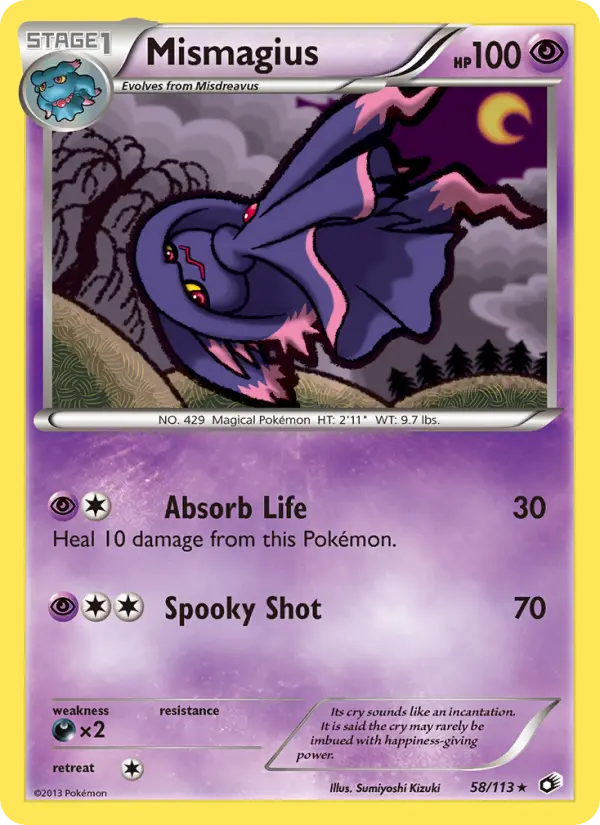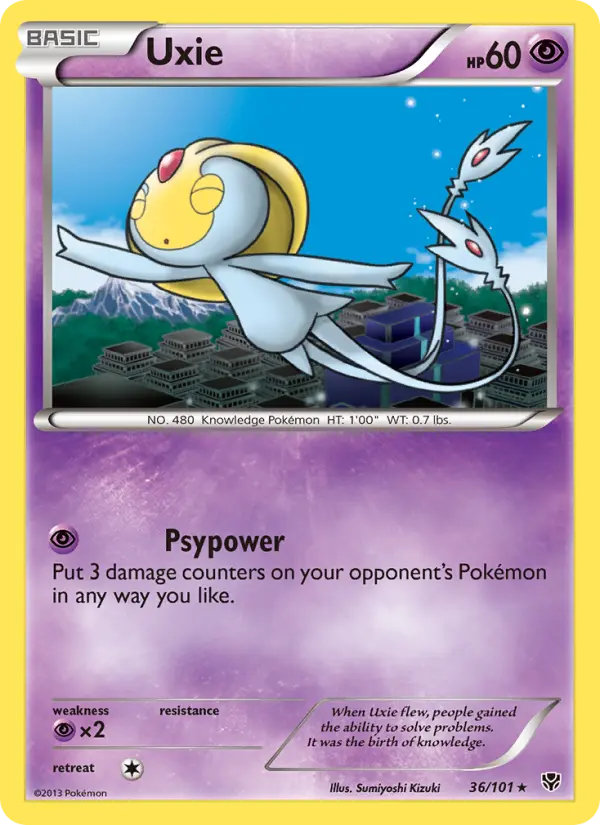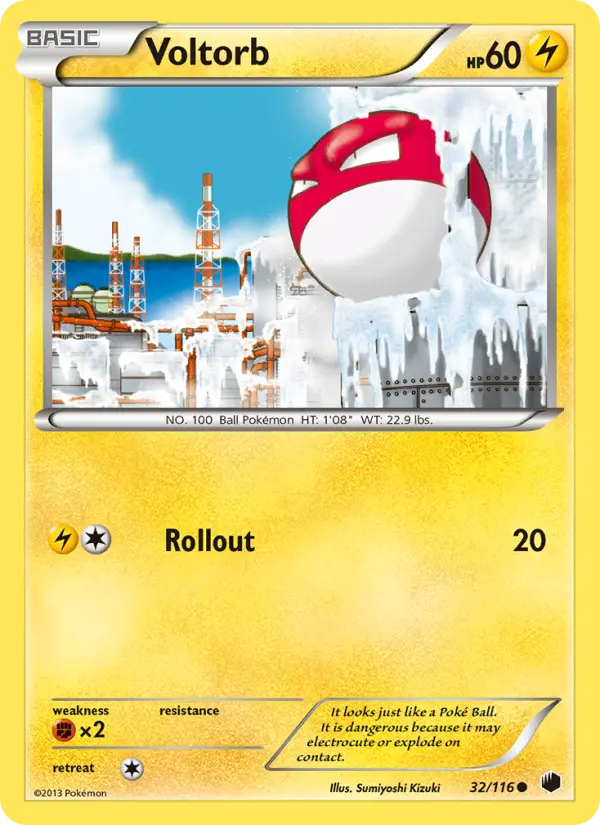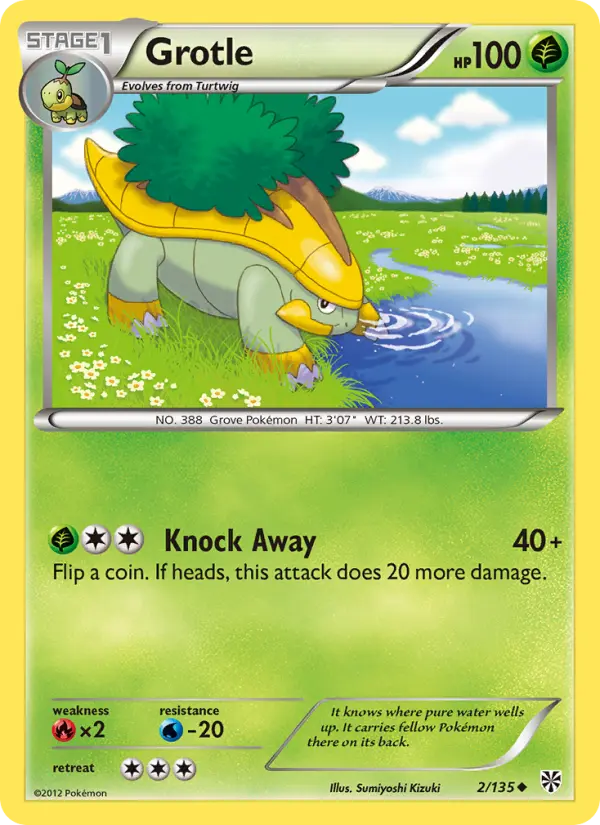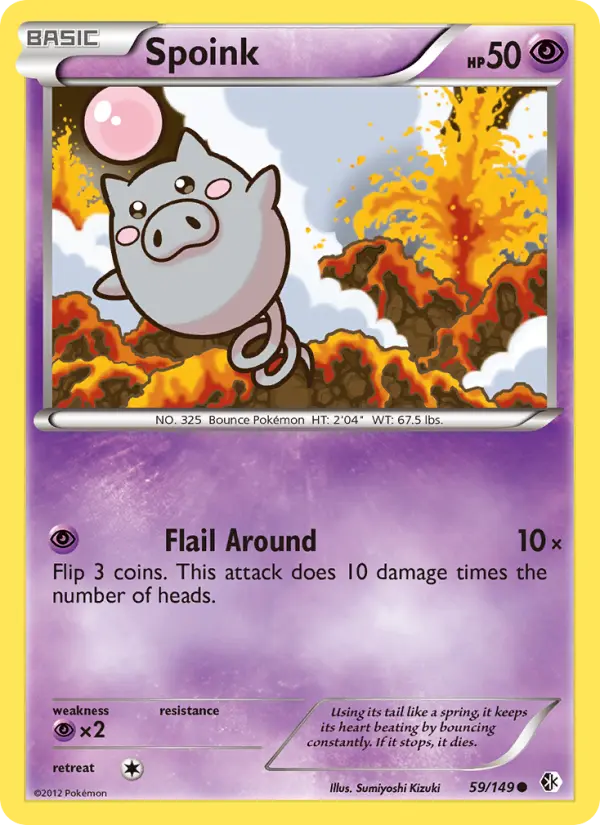
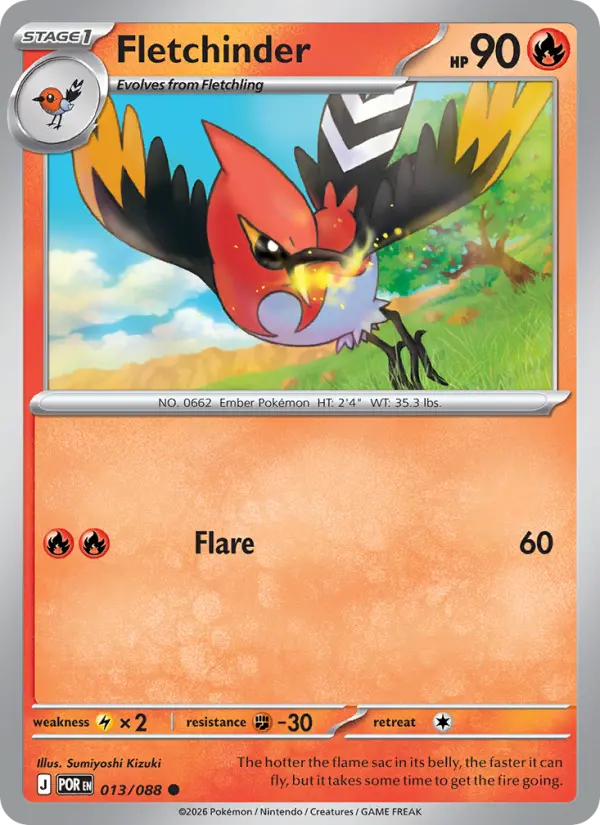
Sumiyoshi Kizuki is a Japanese illustrator and picture book writer whose Pokémon TCG work has a gentle, handmade quality. Bulbapedia lists Kizuki as born in 1967 and describes her style as often notable for a soft, crayon-like look. The Art of Pokémon adds that she has worked on Pokémon TCG illustrations since 1997 while also producing picture books, magazine illustrations and self-published works.
Soft crayon texture and picture-book warmth in Pokémon TCG
In PKMN Collectors, Kizuki appears on more than 200 card records. Her early English-language credits are tied to Team Rocket, including cards such as Dark Vaporeon, Dark Golduck, Dark Gloom, Dark Primeape, Slowpoke and Zubat. Those cards already show the appeal of her approach: the Pokémon are clear and characterful, but the drawing has a textured softness that feels different from polished digital art or dramatic action painting.
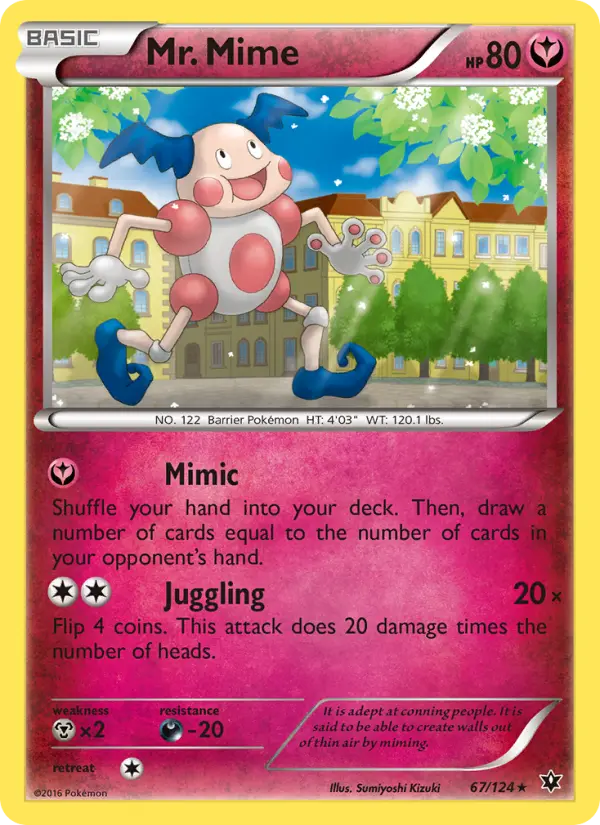
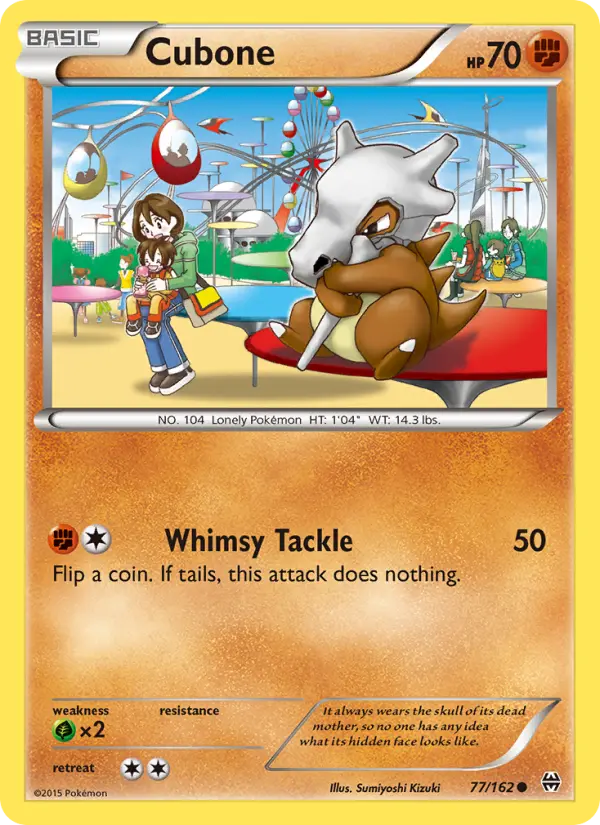
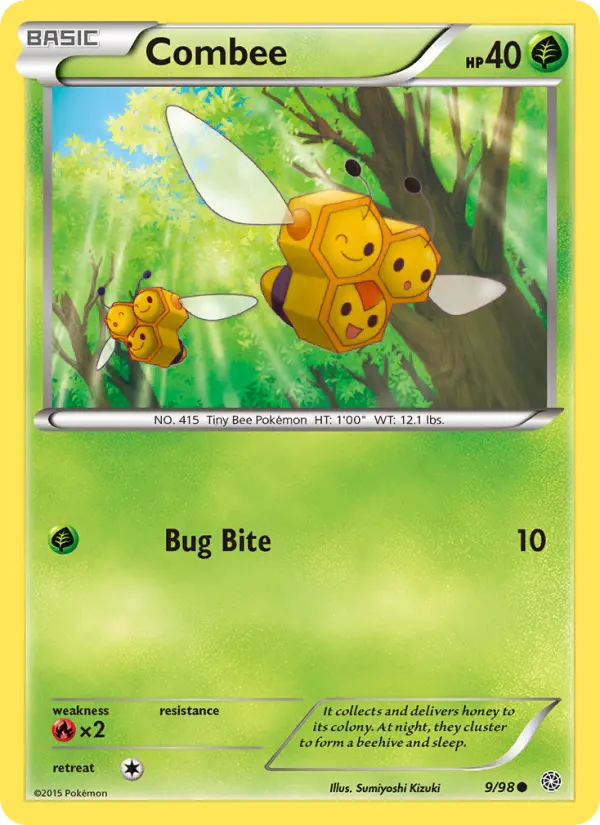
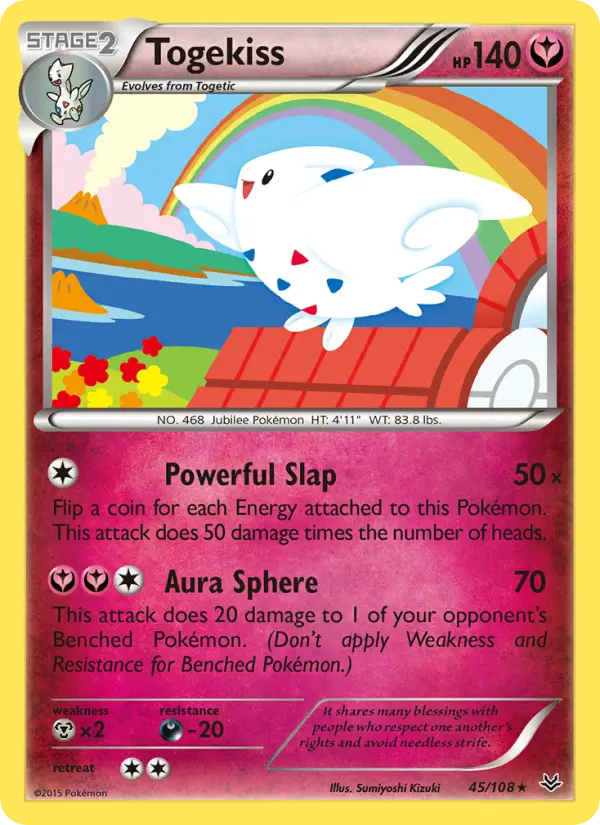
Kizuki’s cards often work best in small moments. Many illustrations feel like scenes from a children’s book: Pokémon sitting, wandering, pausing or looking at the viewer with a slightly offbeat personality. That picture-book sensibility gives even common cards a reason to linger in a binder. Local records include long runs of commons and uncommons across the EX, Diamond & Pearl, Black & White, XY, Sun & Moon and Scarlet & Violet eras, showing how consistently the TCG has used her style for approachable Pokémon scenes.
Collectors can follow several threads through her catalog. There is the early Team Rocket material, the soft creature studies across e-Card and EX-era sets, and later cards such as Mismagius from Legendary Treasures, Kirlia from Hidden Fates Shiny Vault, Stunfisk from Obsidian Flames and Zubat from Paradox Rift. The Art of Pokémon also documents Pokémon products connected to her work, including sleeves and deck boxes, which reinforces her place as an illustrator suited to character goods as well as card art.
Kizuki is valuable for collectors because her work provides texture and intimacy. Not every important Pokémon card illustration is loud, rare or cinematic. Some become memorable because they feel personal, tactile and a little storybook-like. Sumiyoshi Kizuki’s cards sit in that space, giving the Pokémon TCG a softer visual rhythm across many generations.
Referenced from sites.google.com.