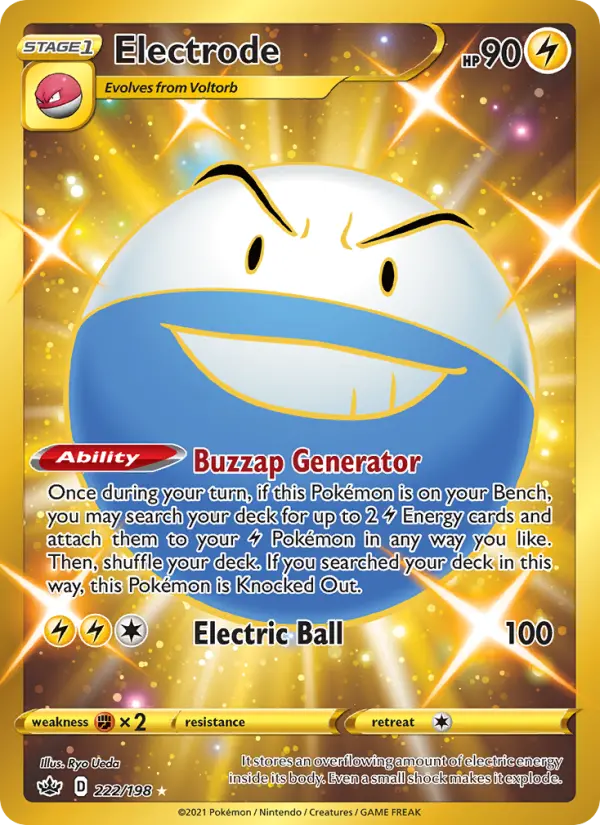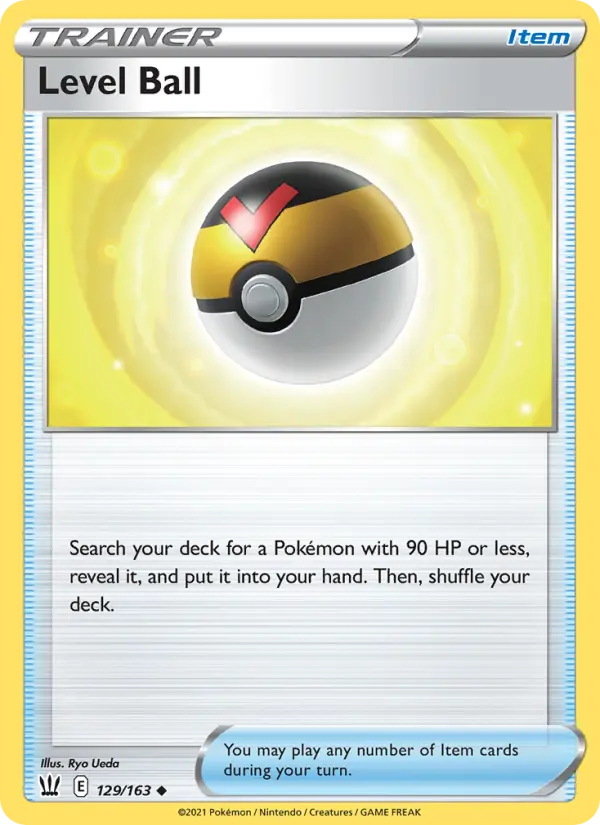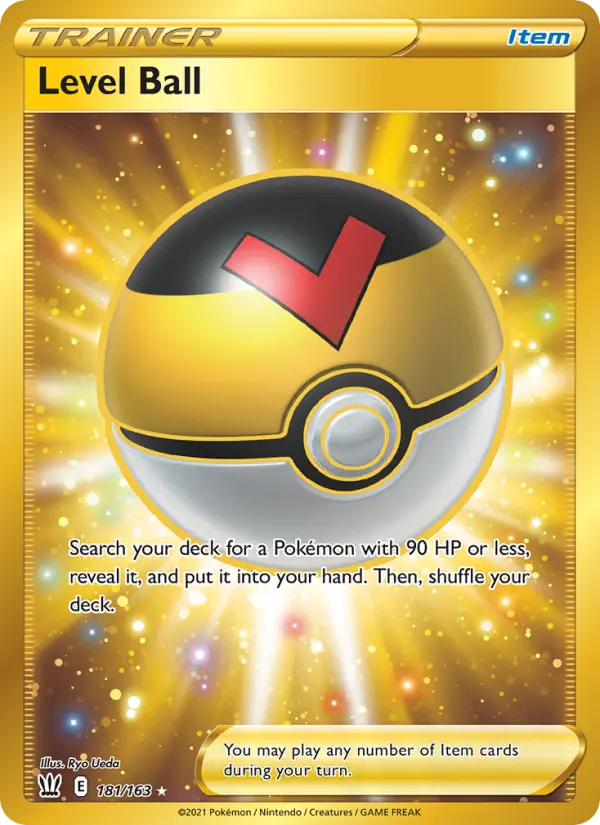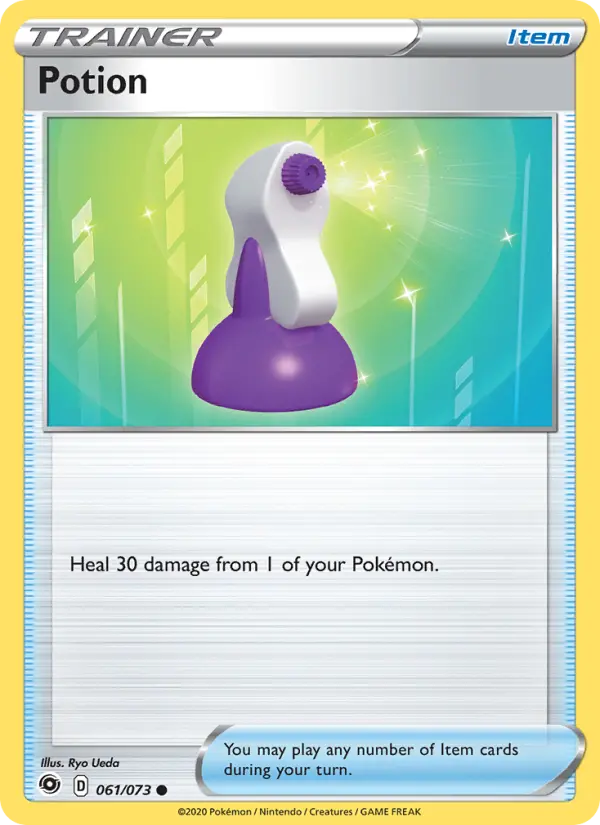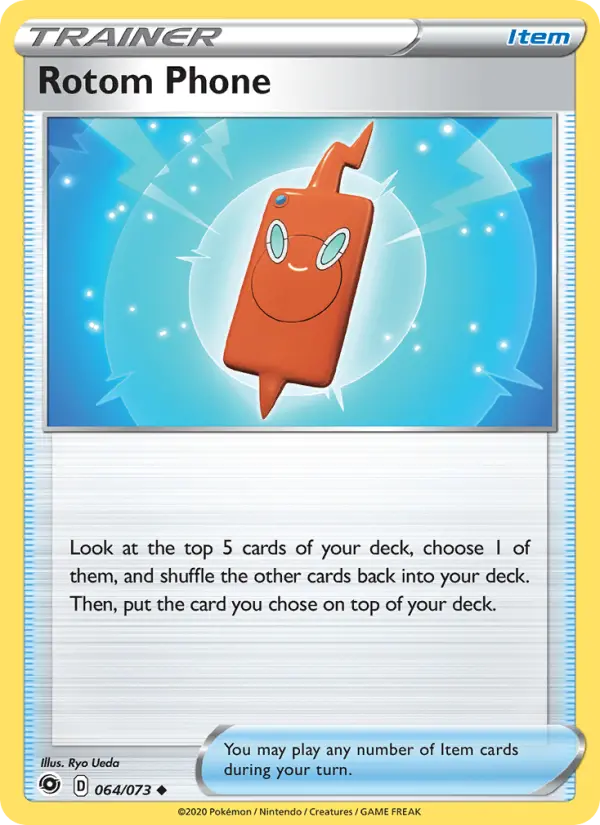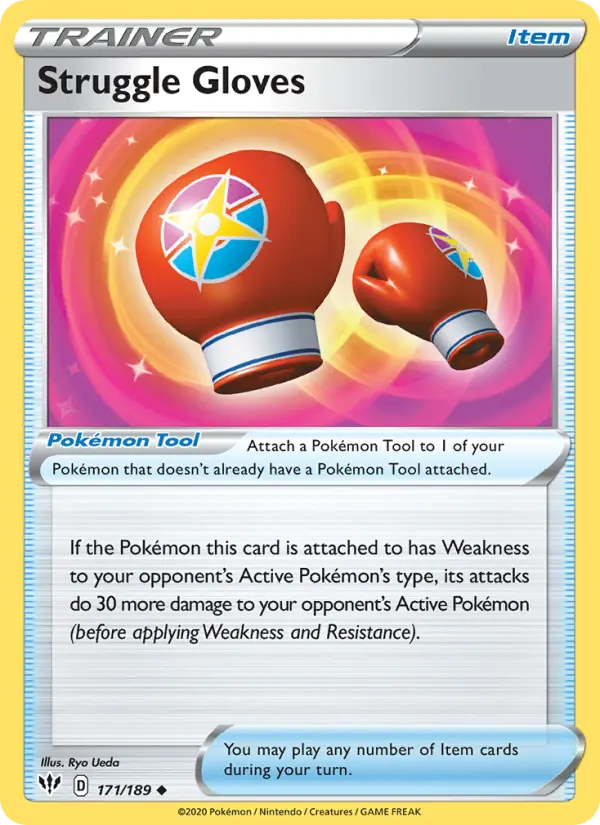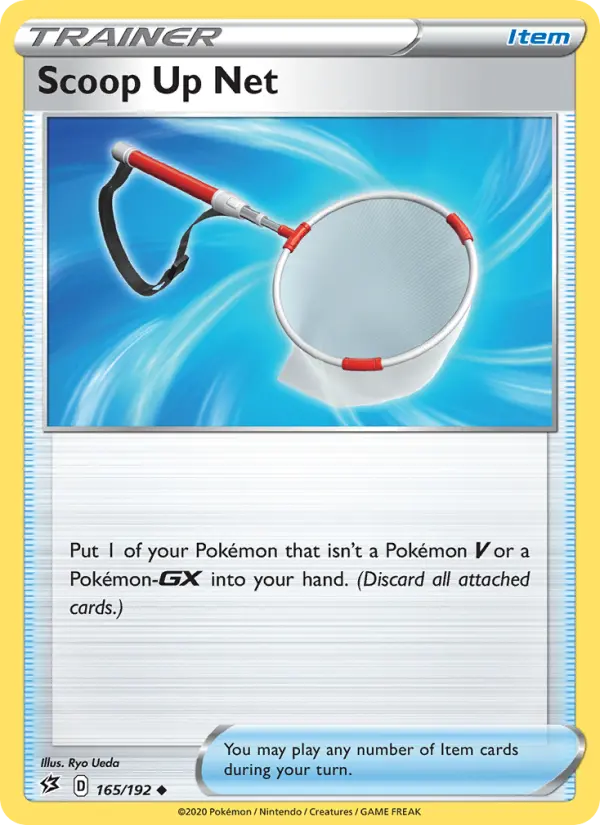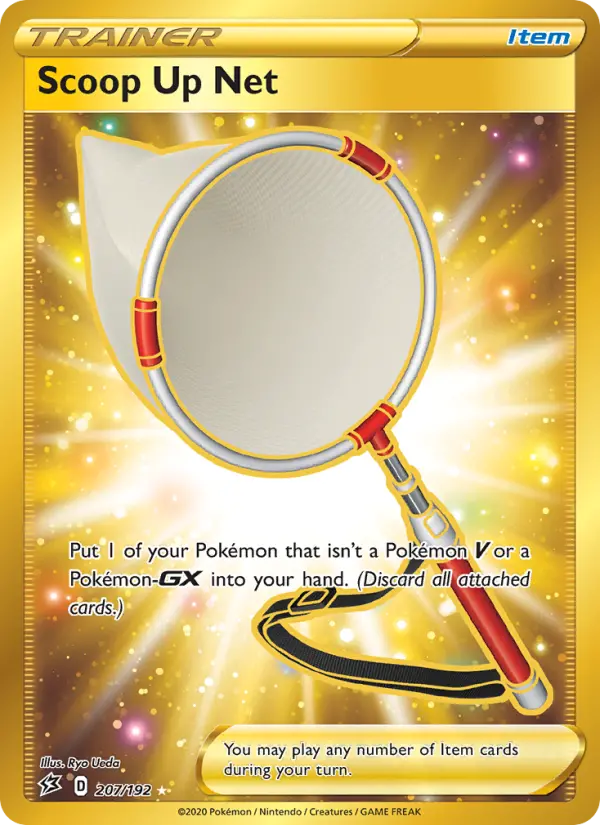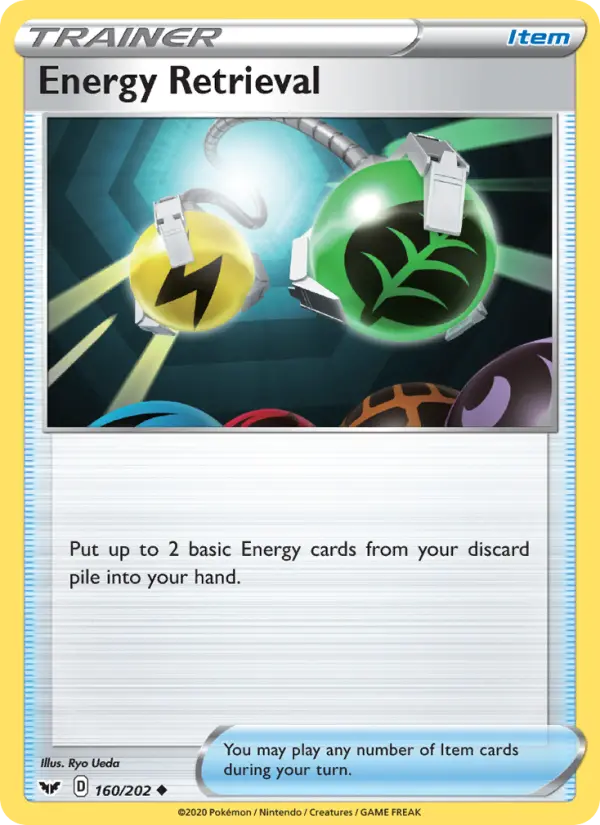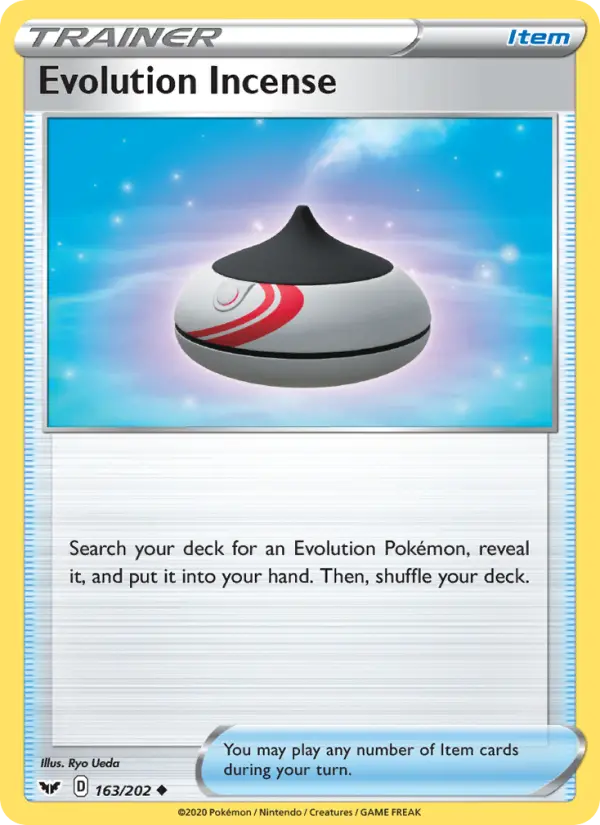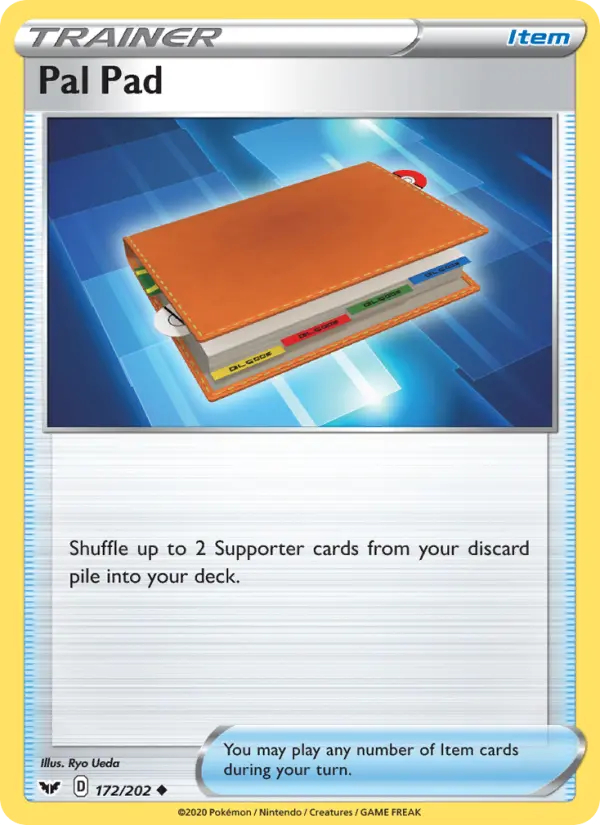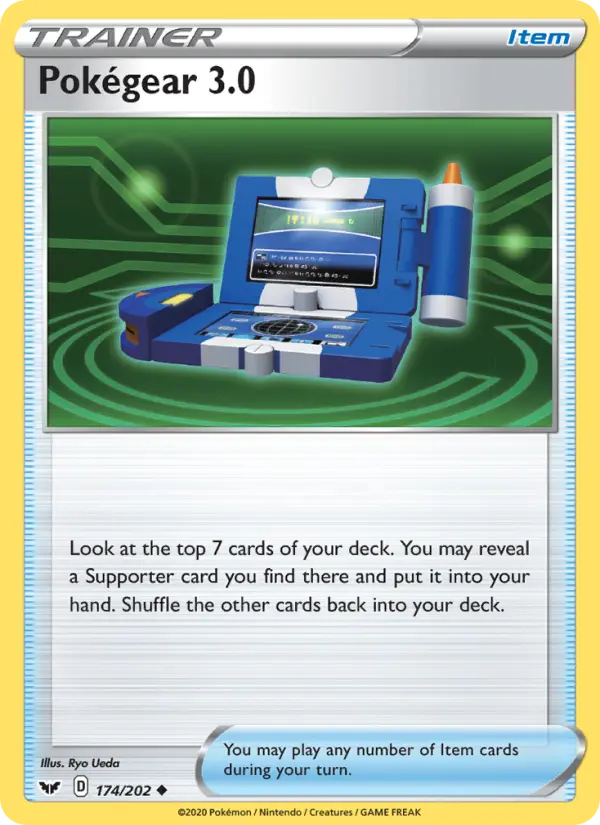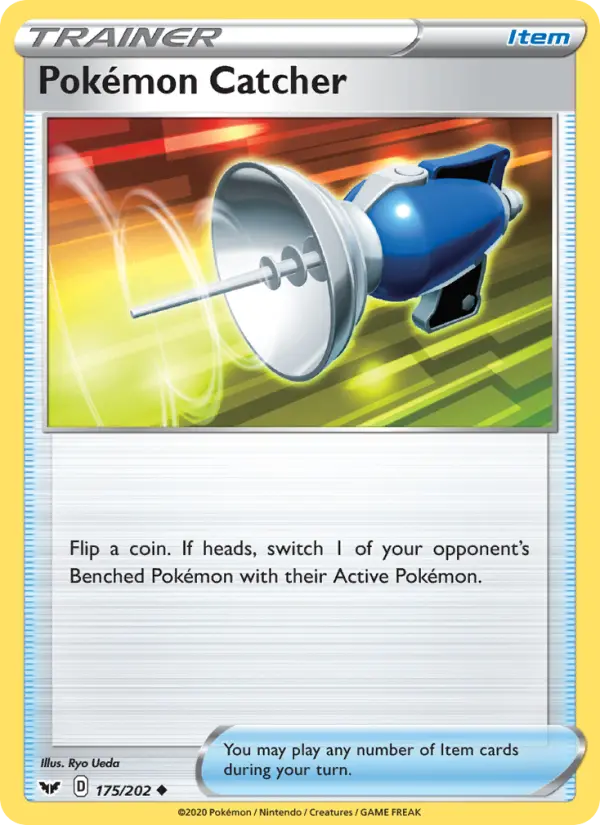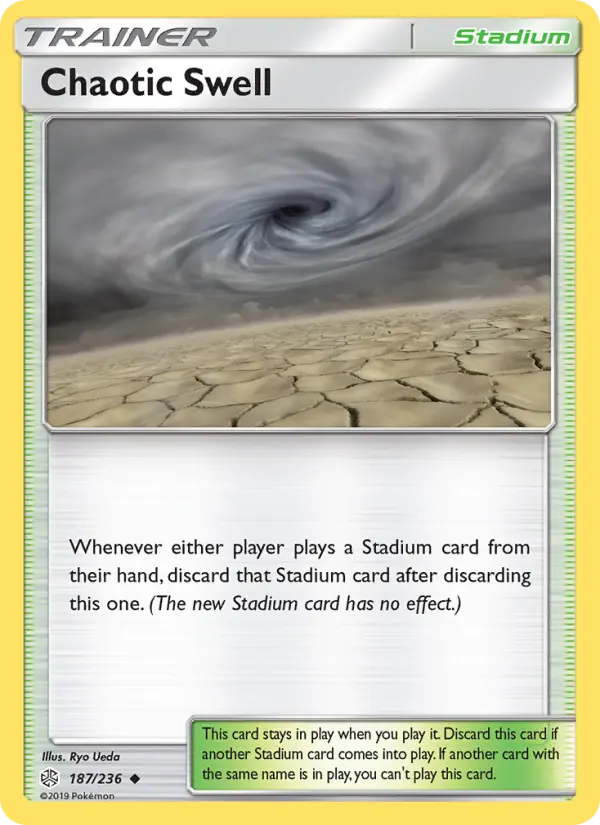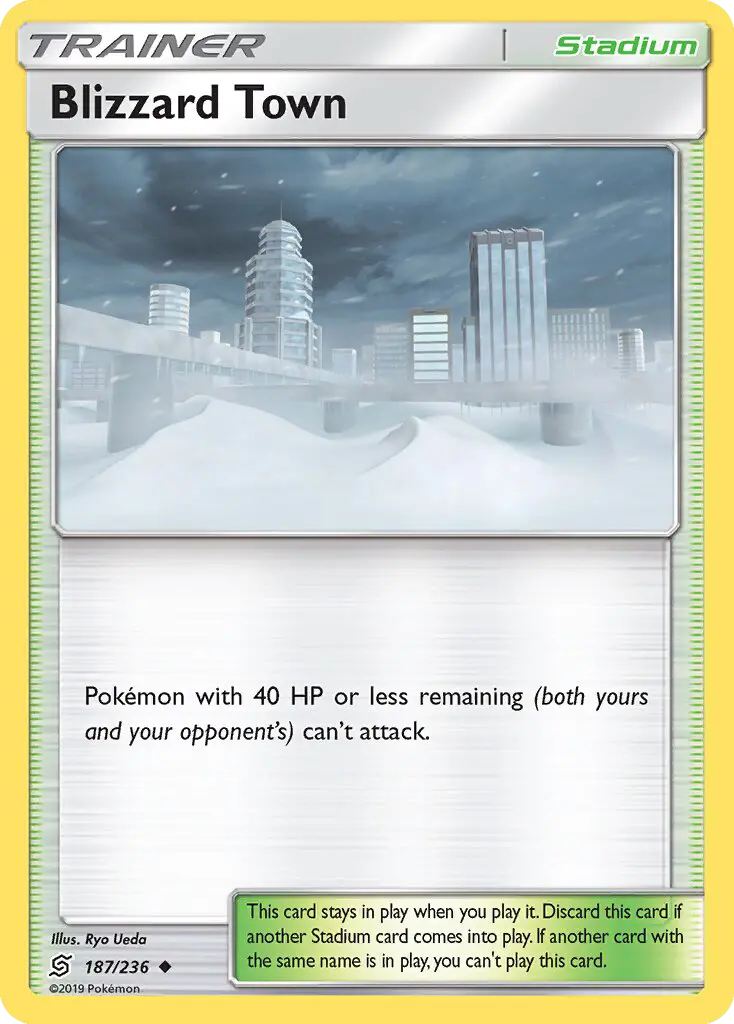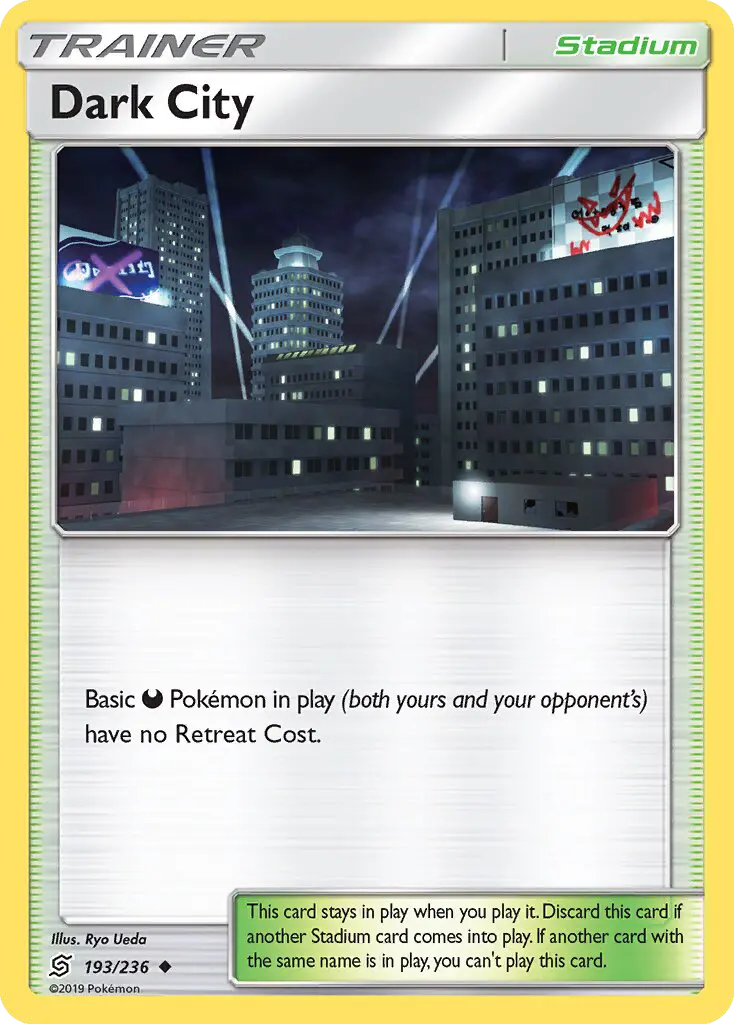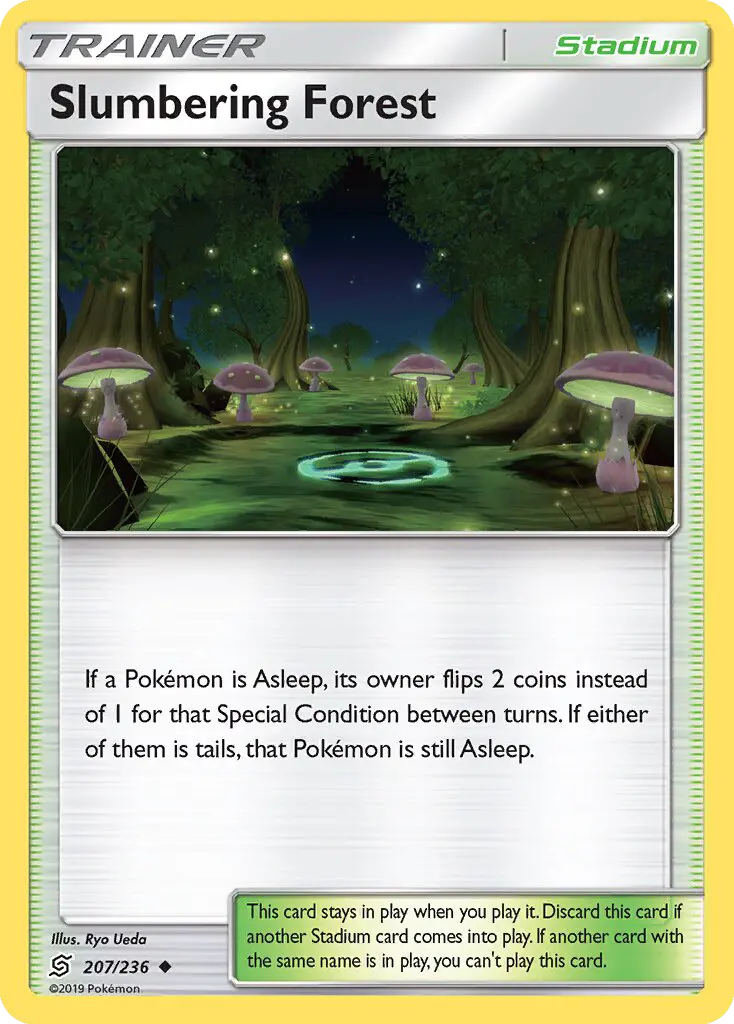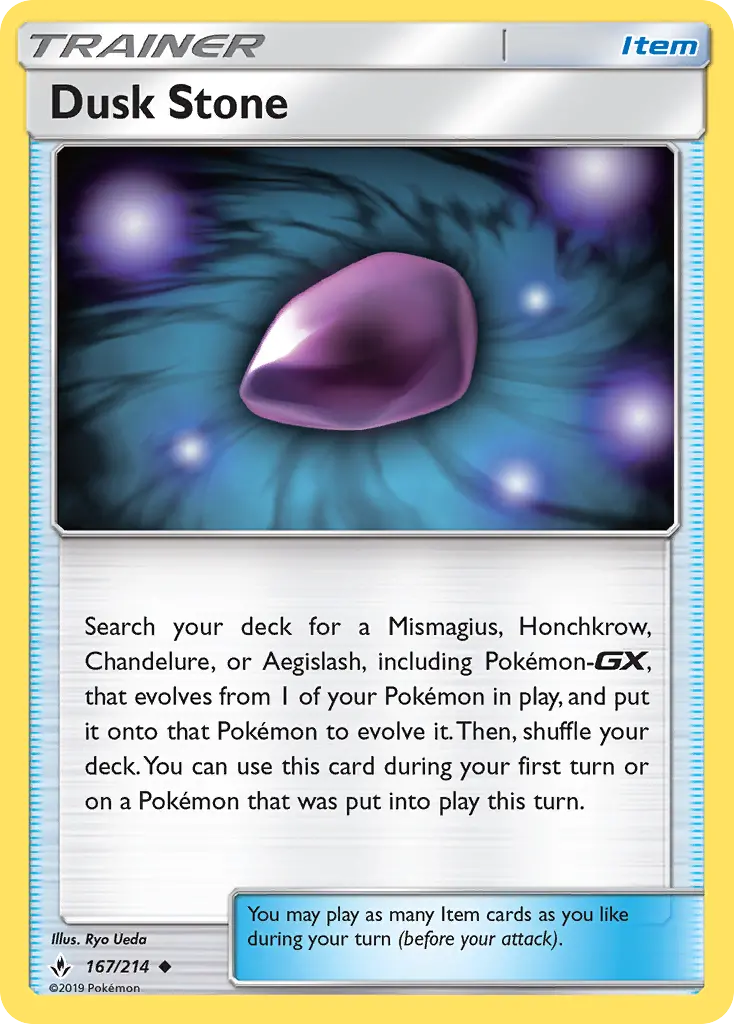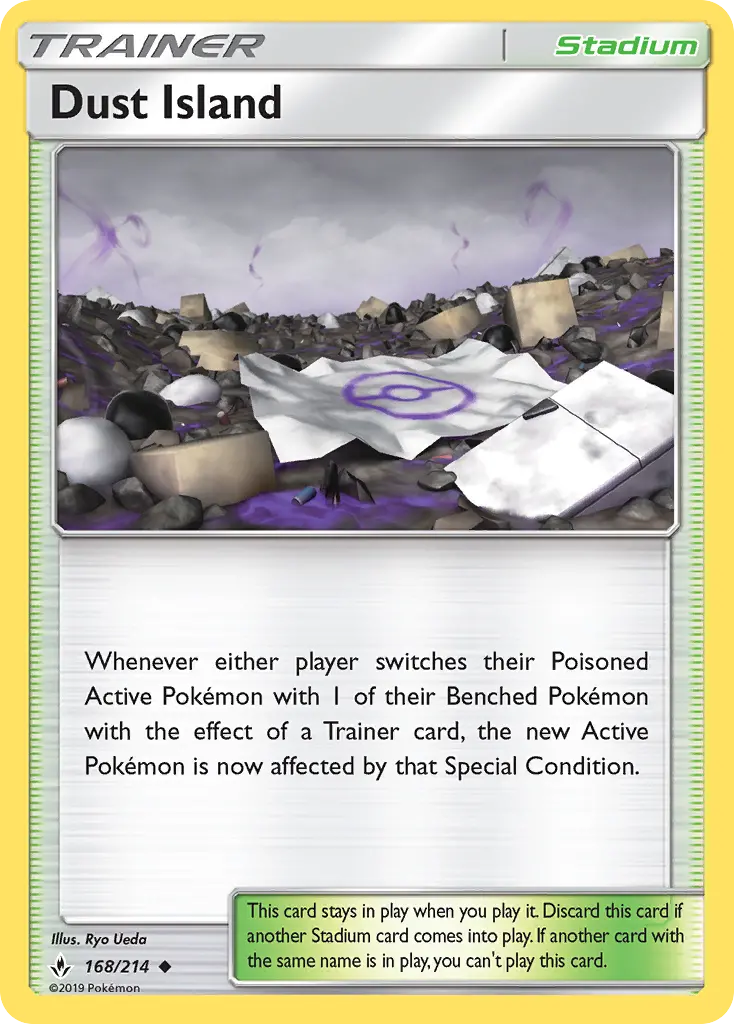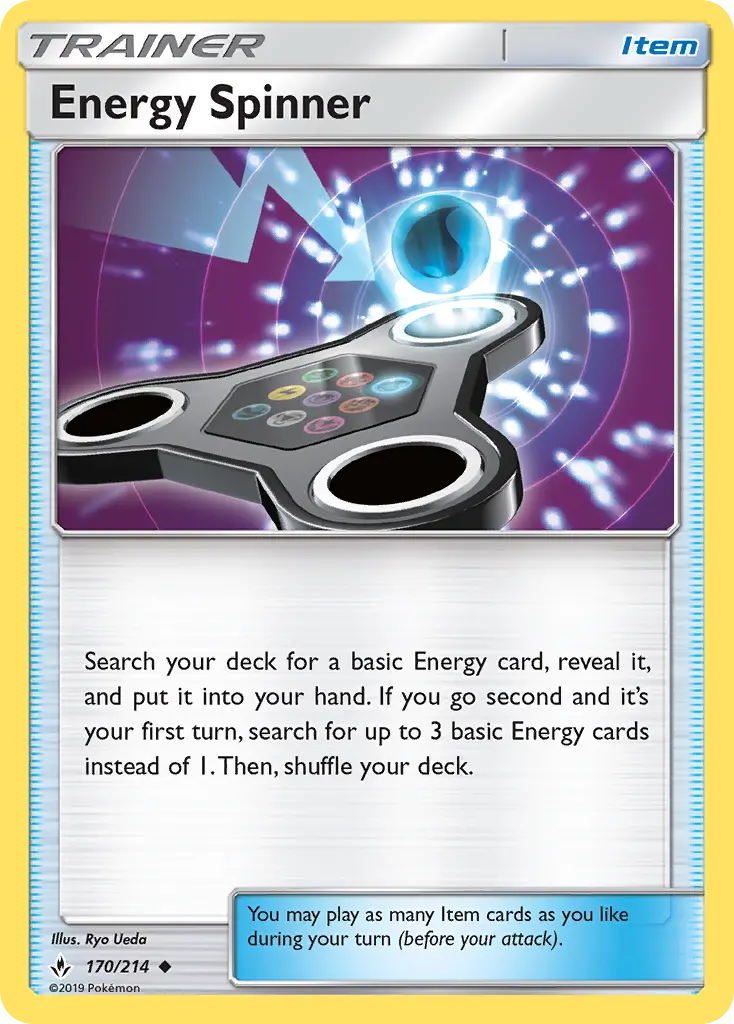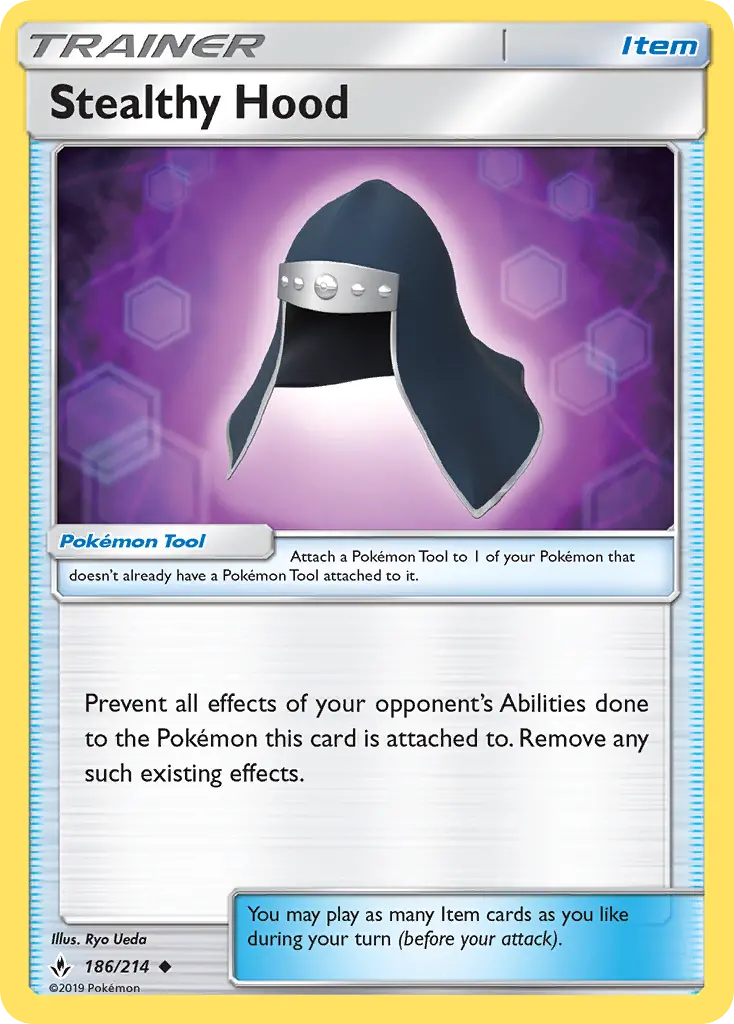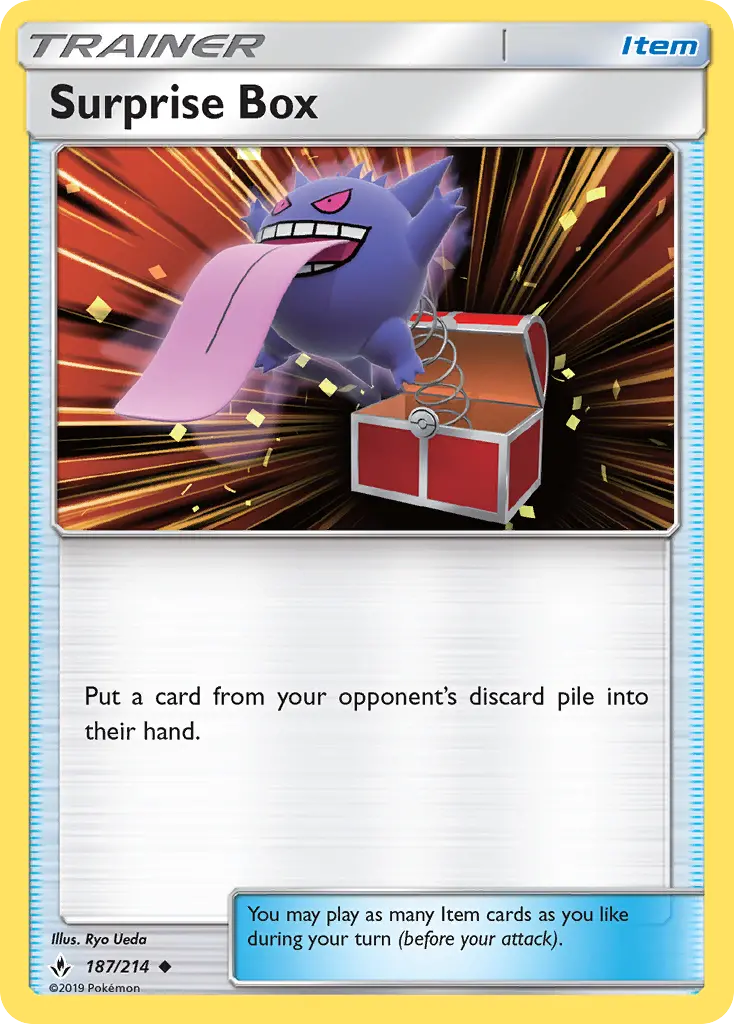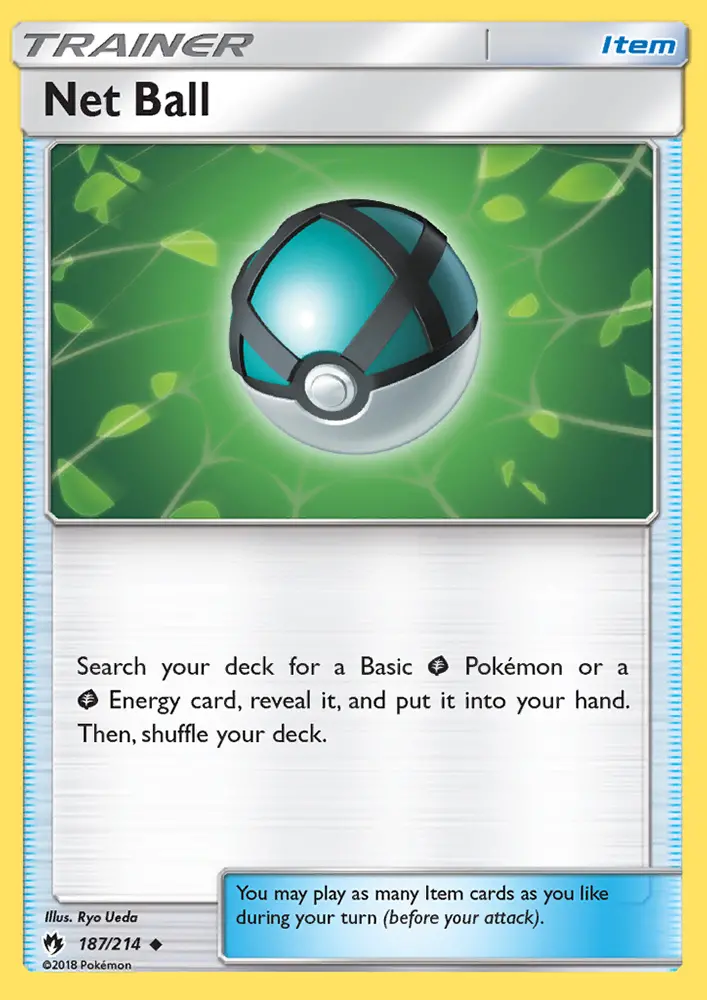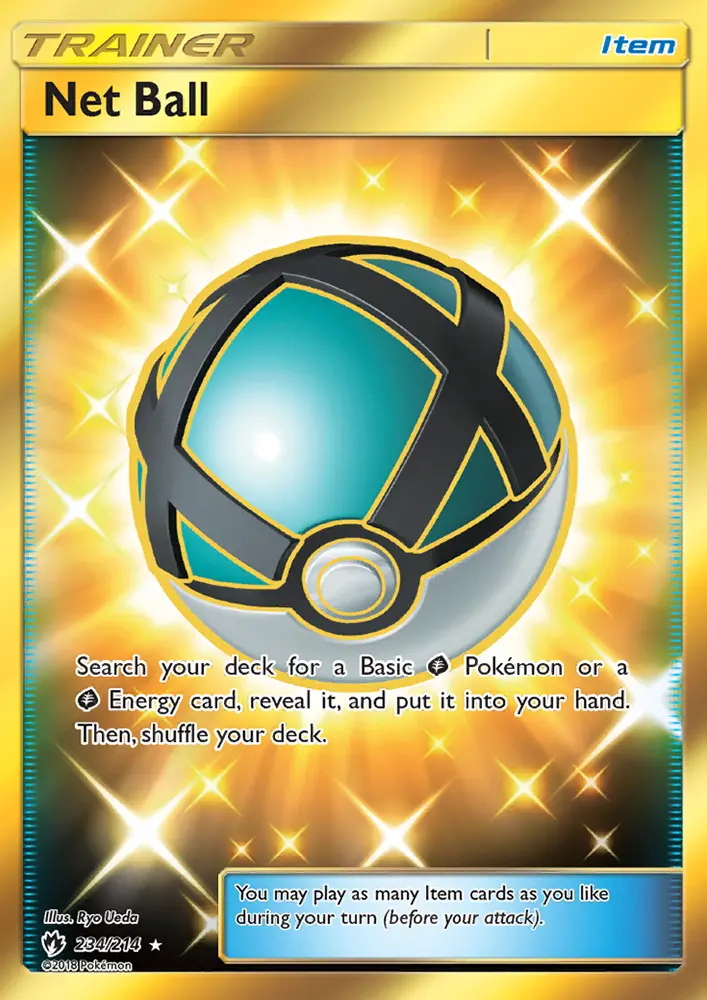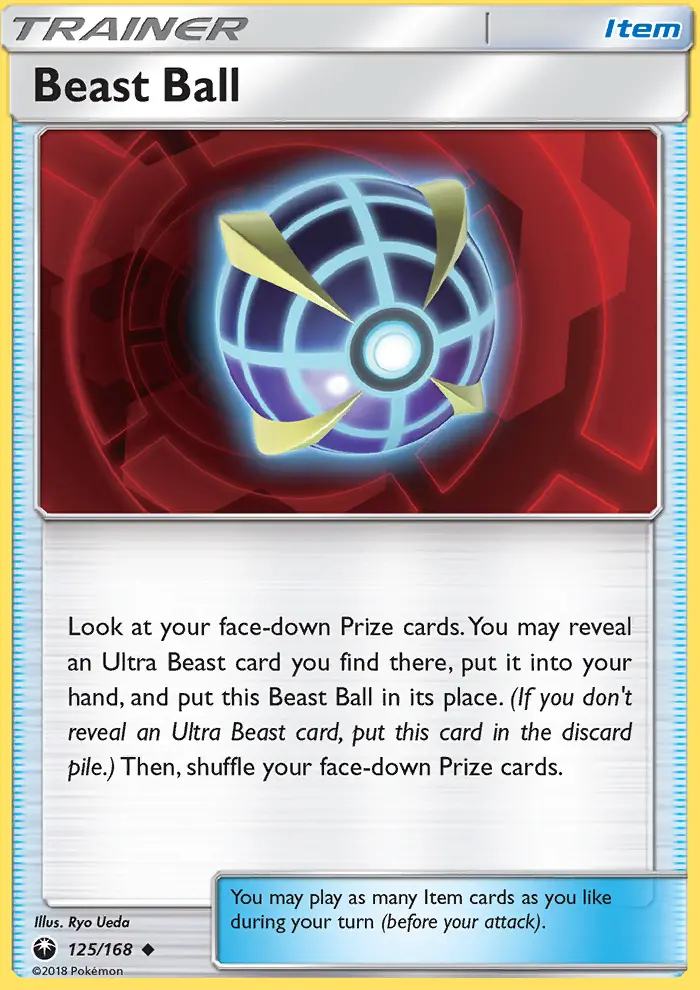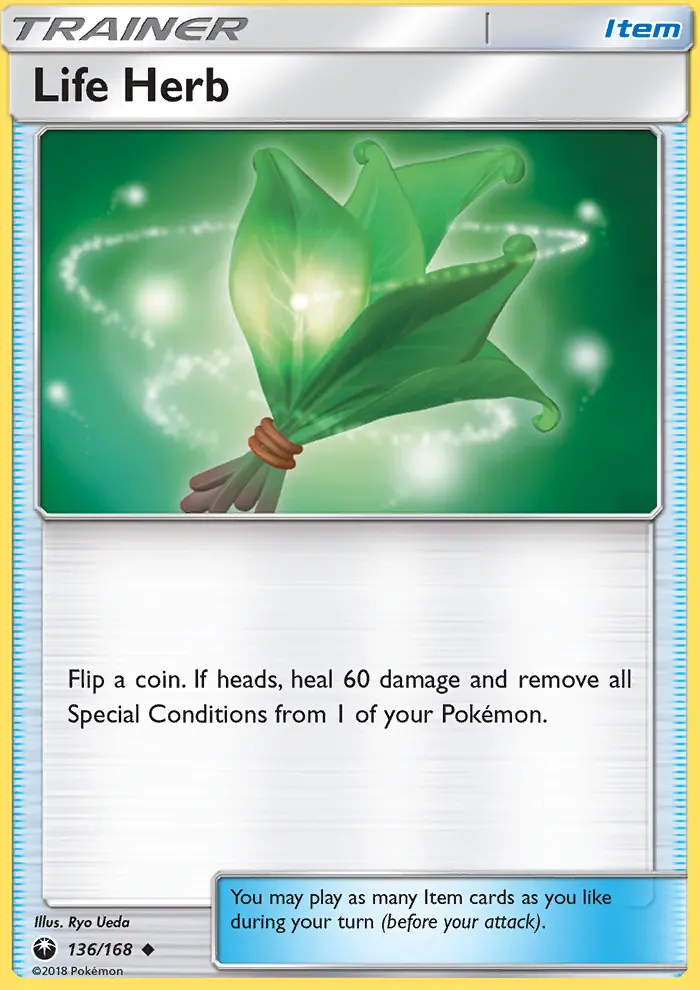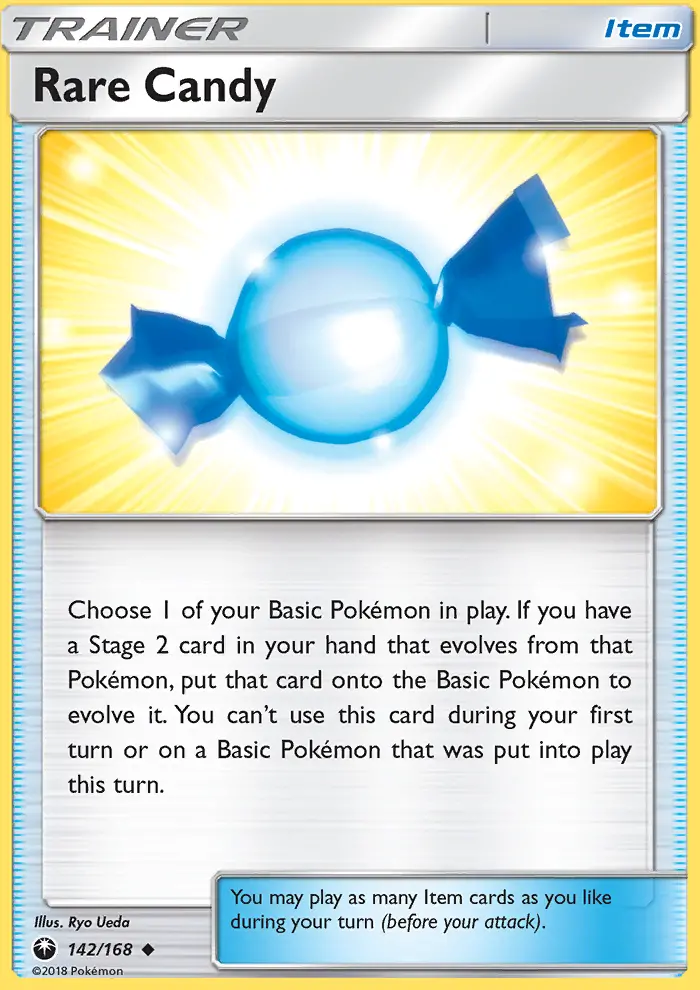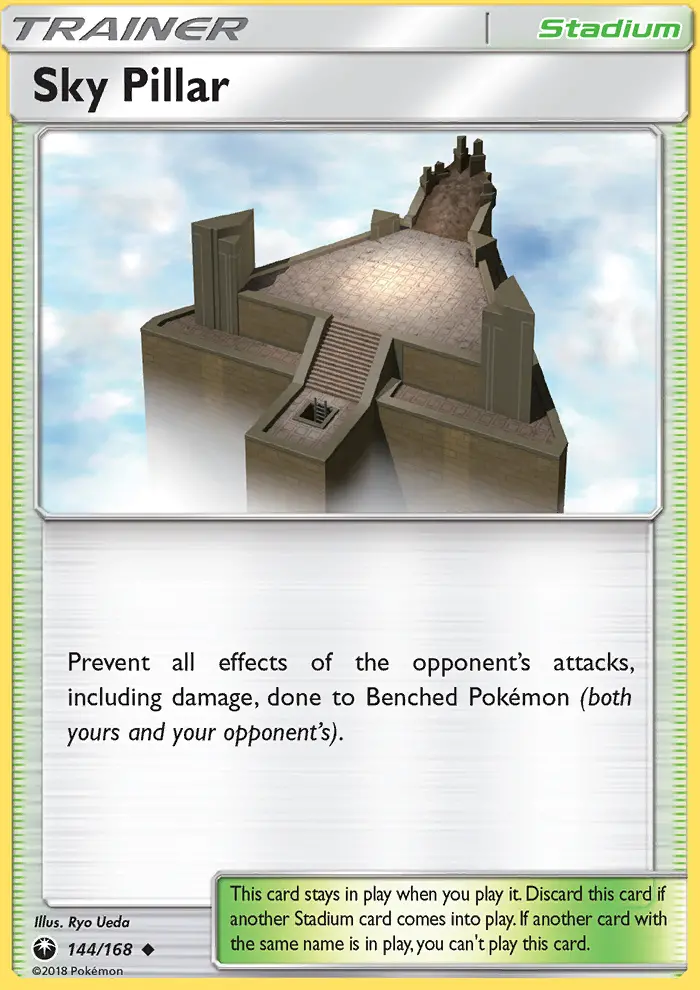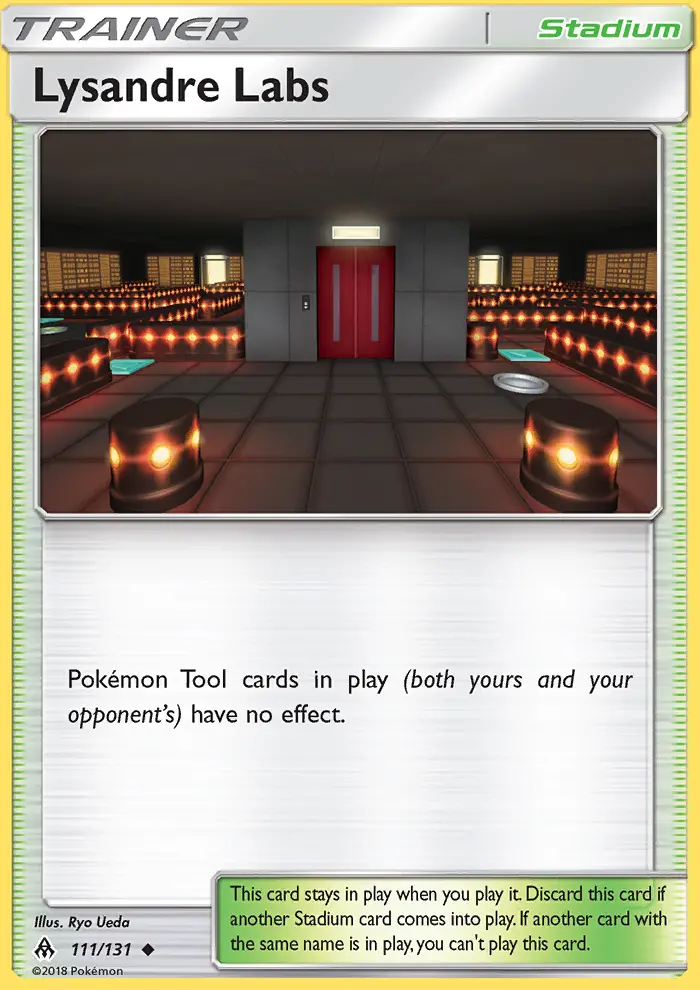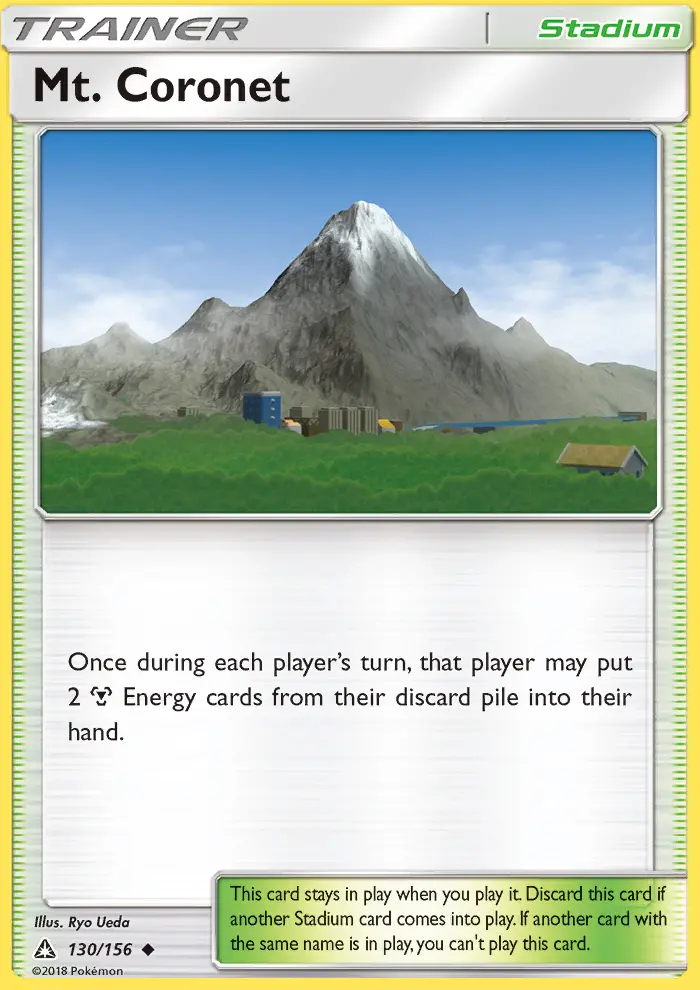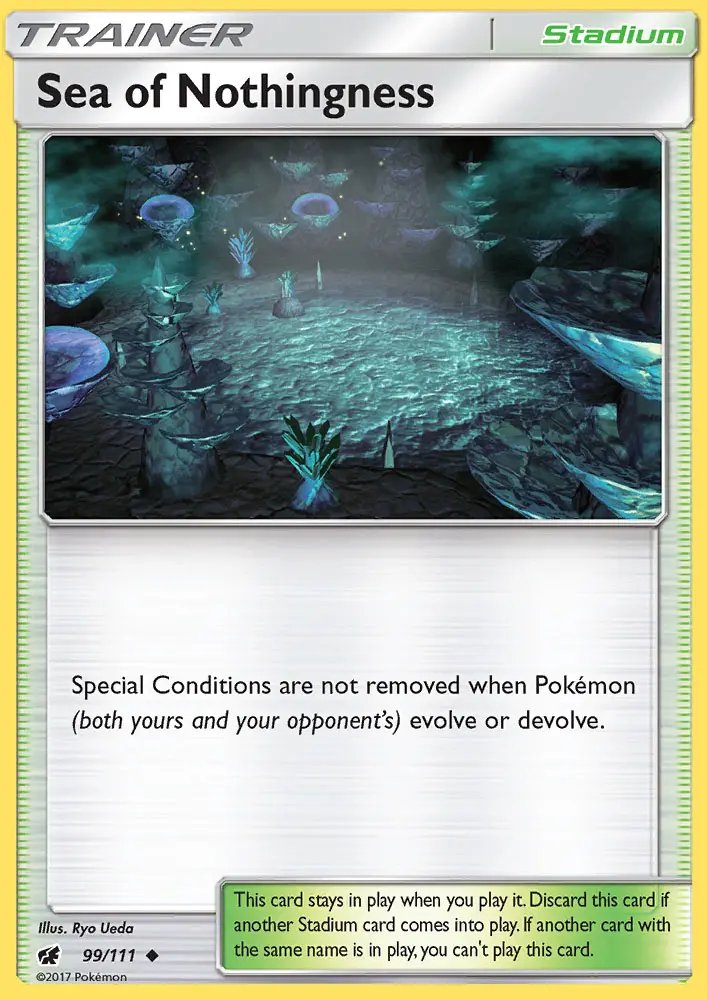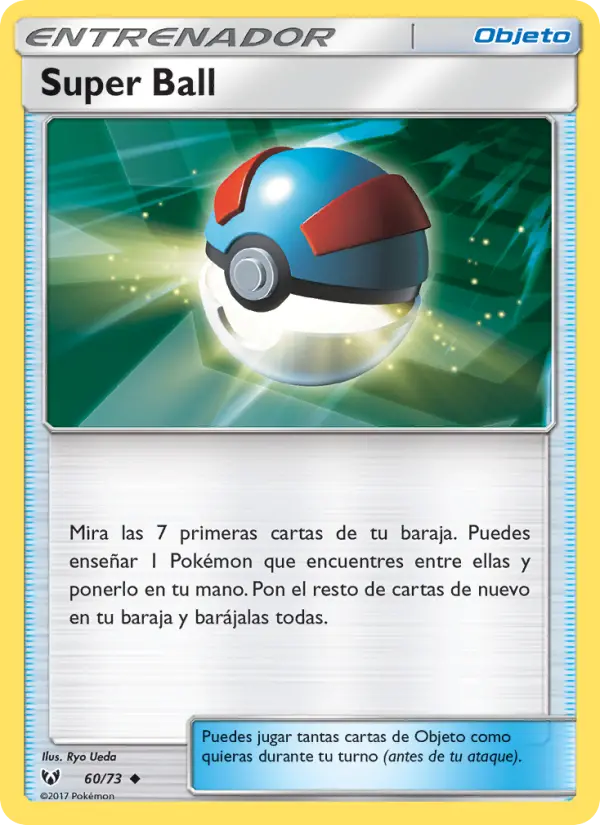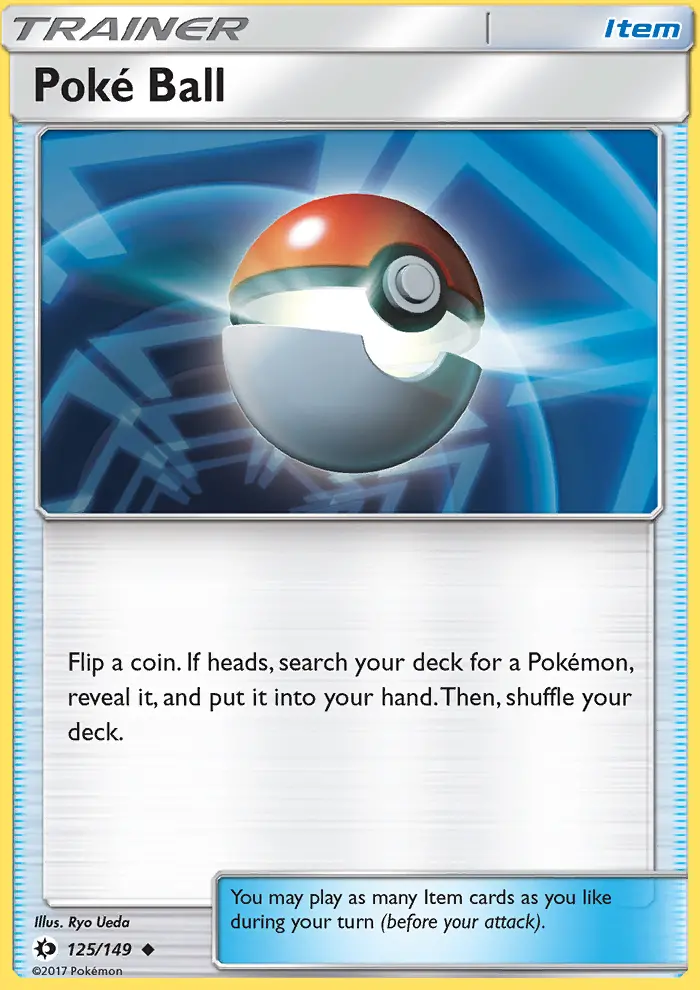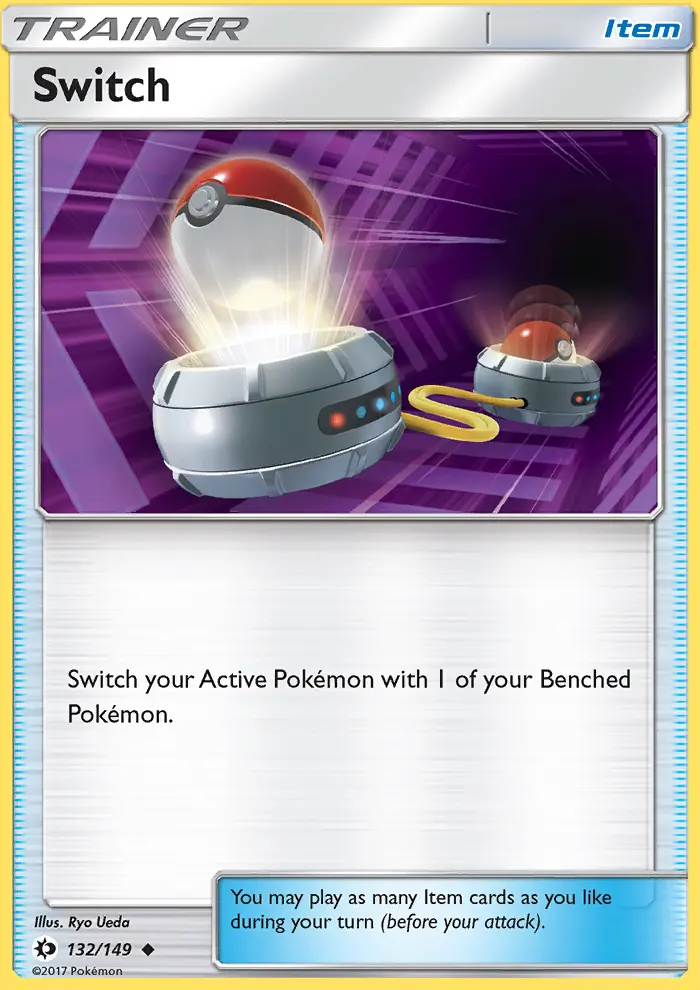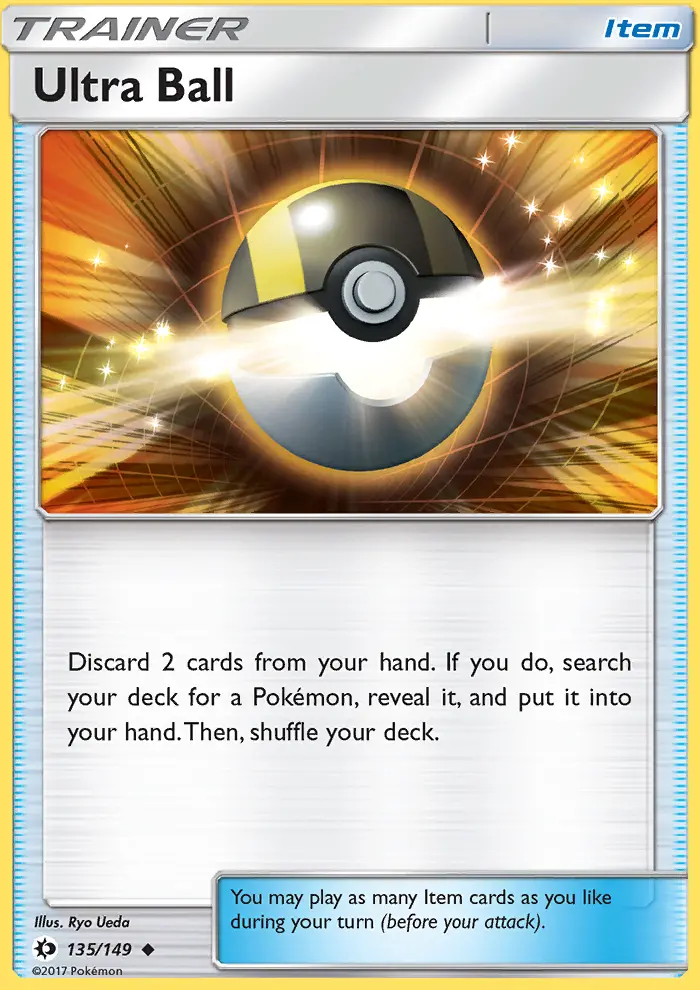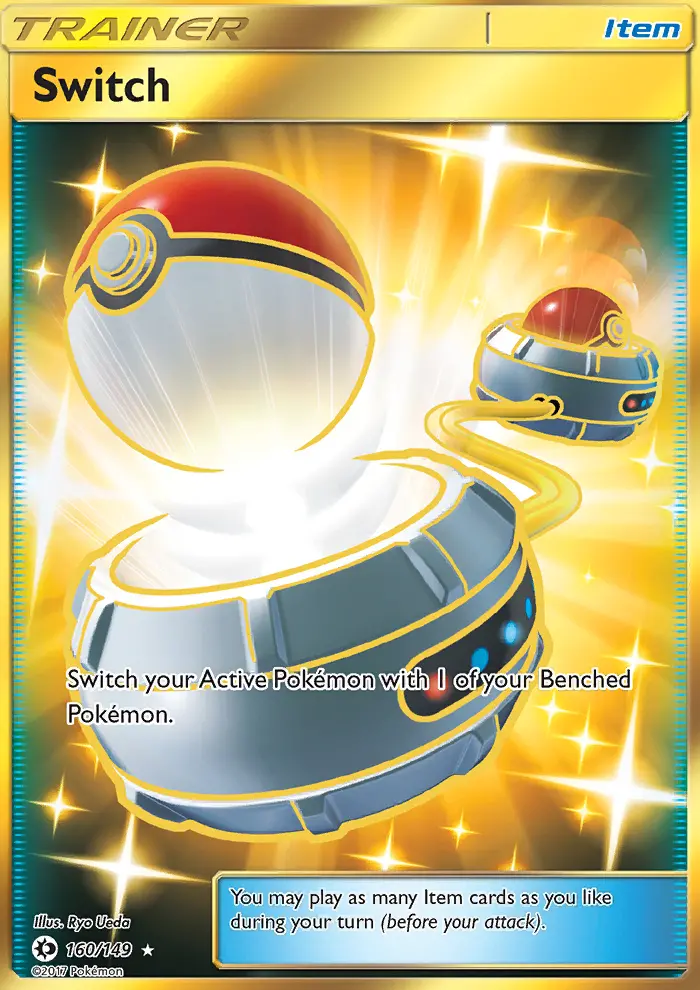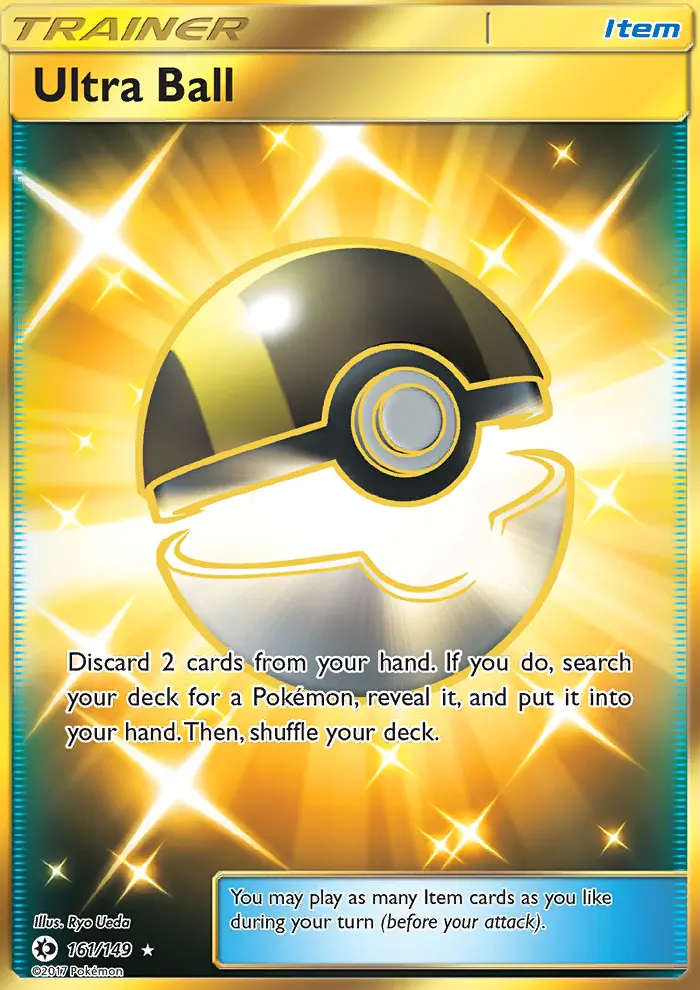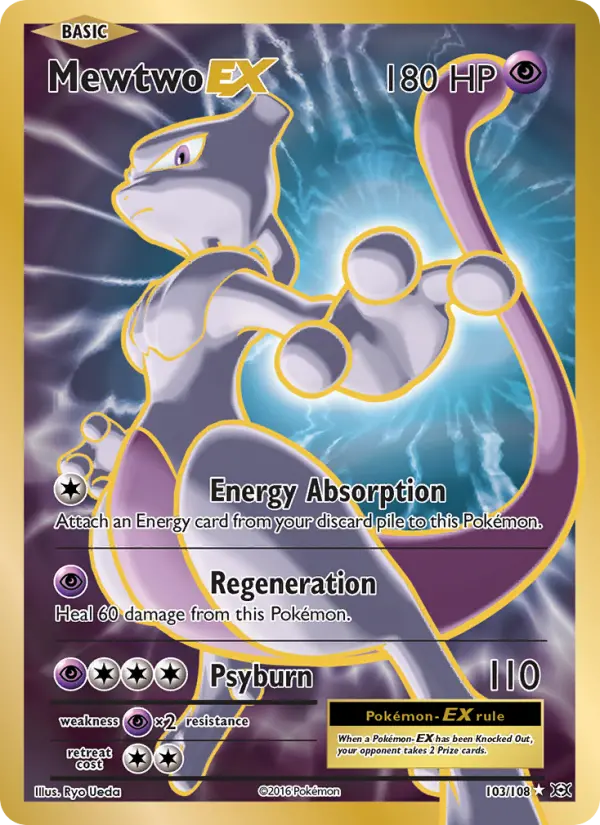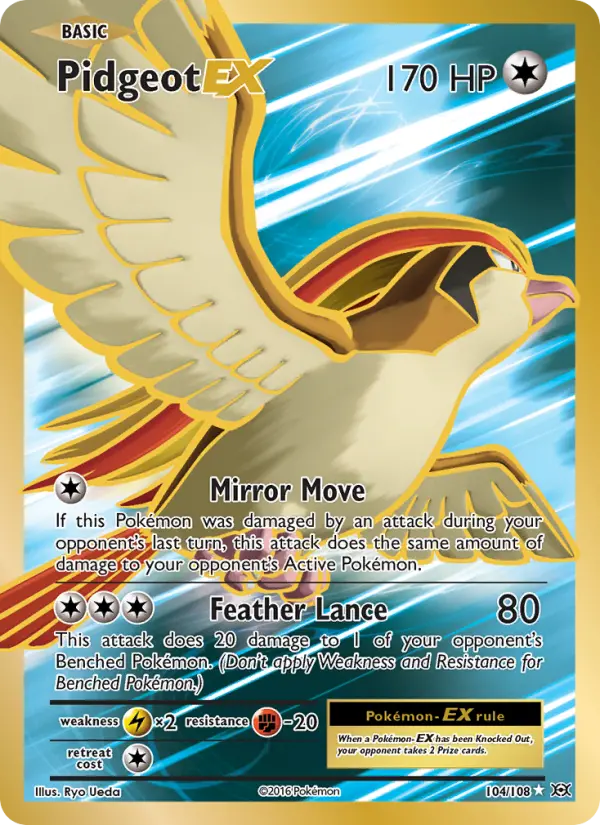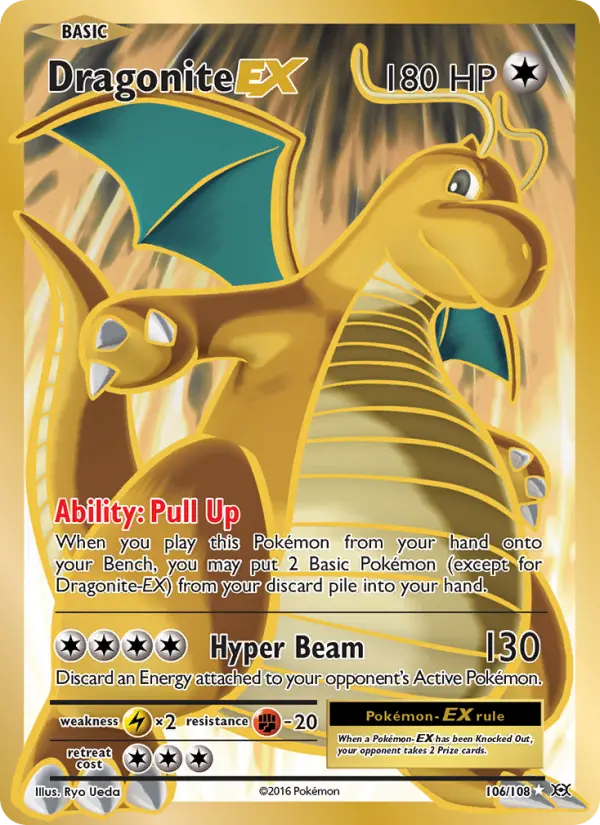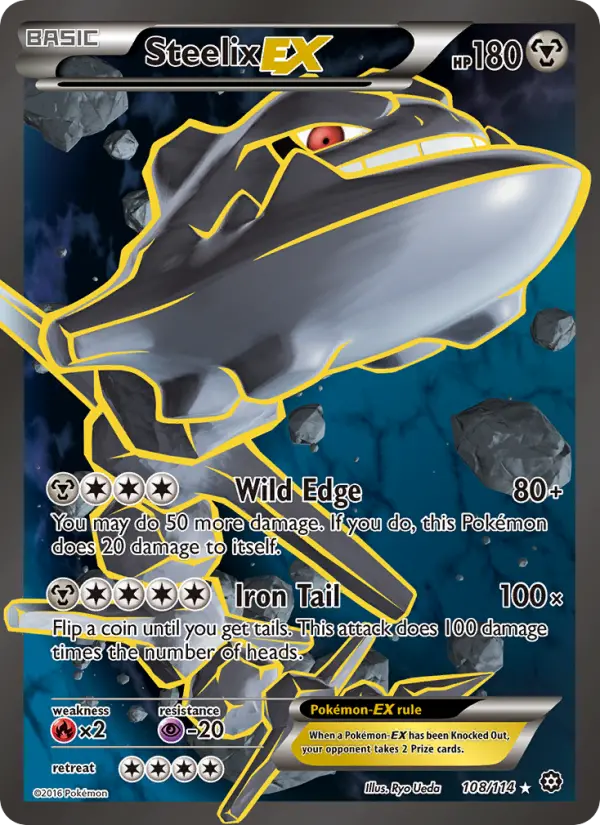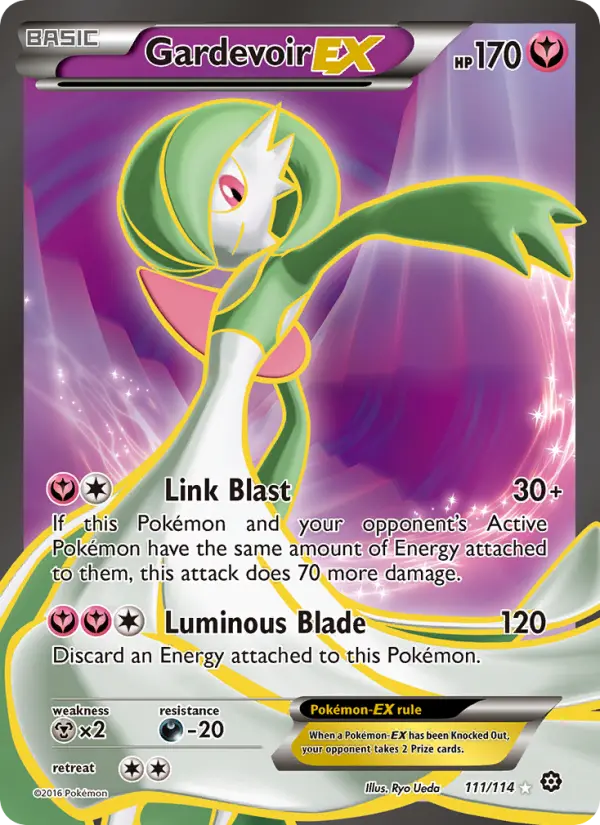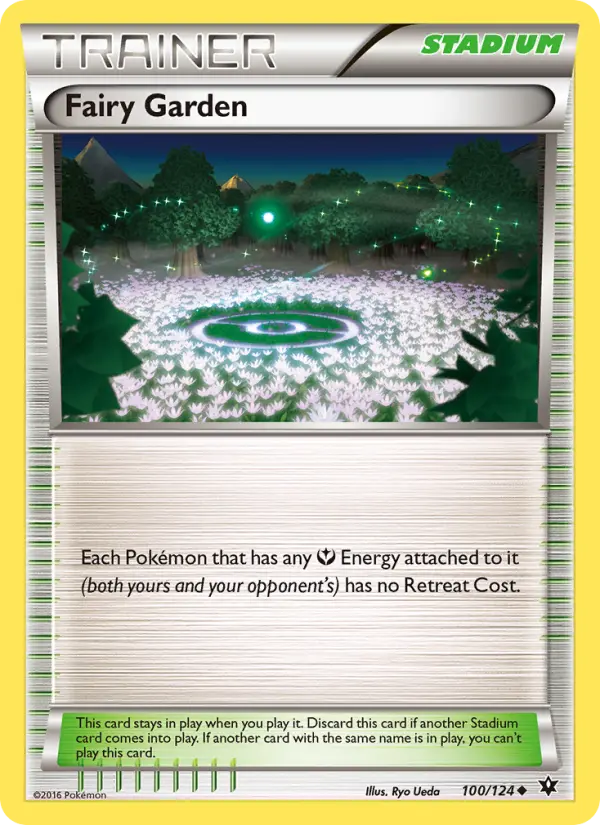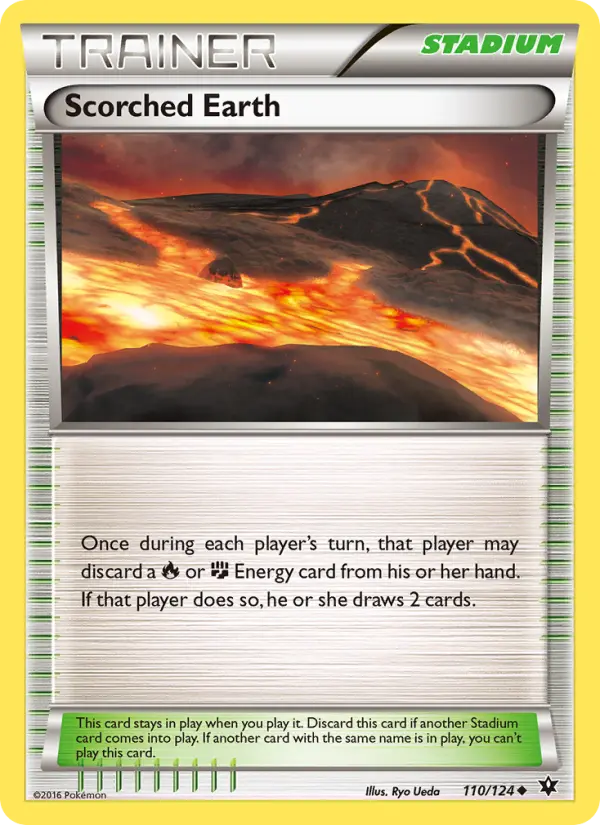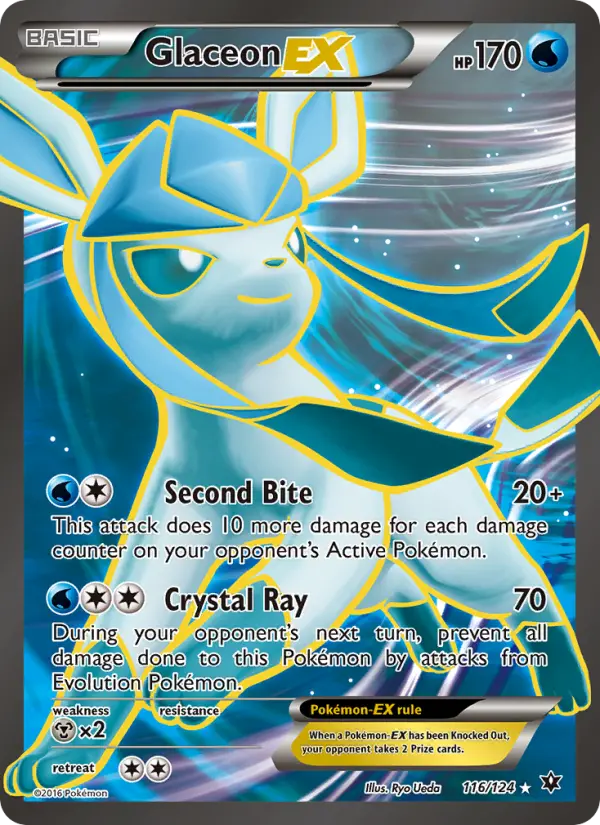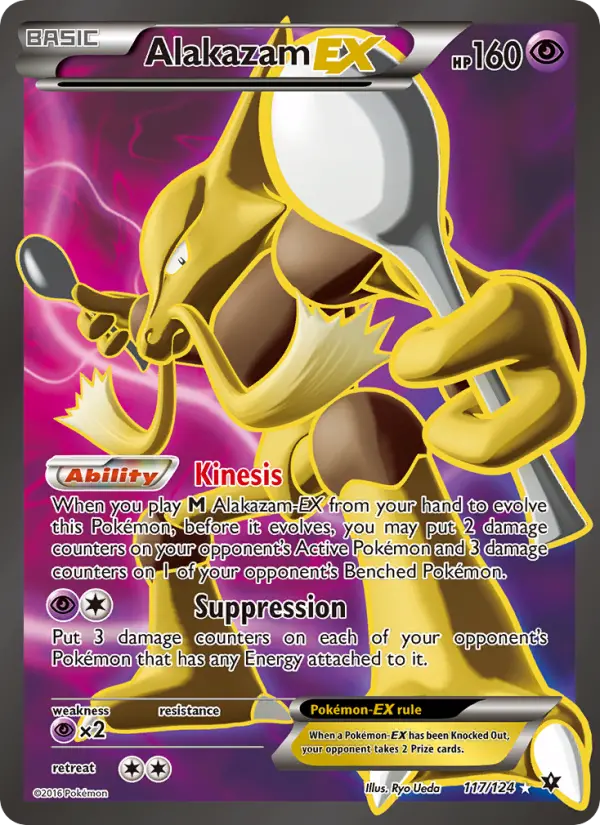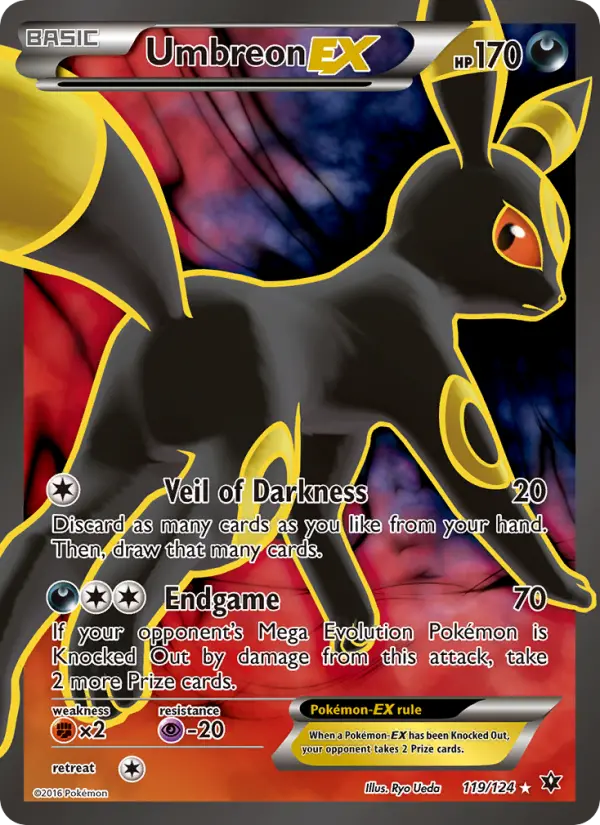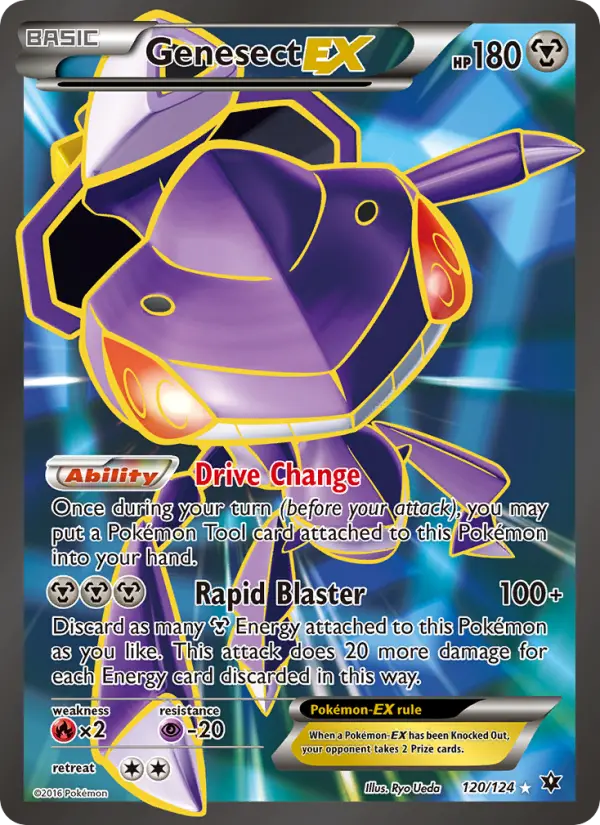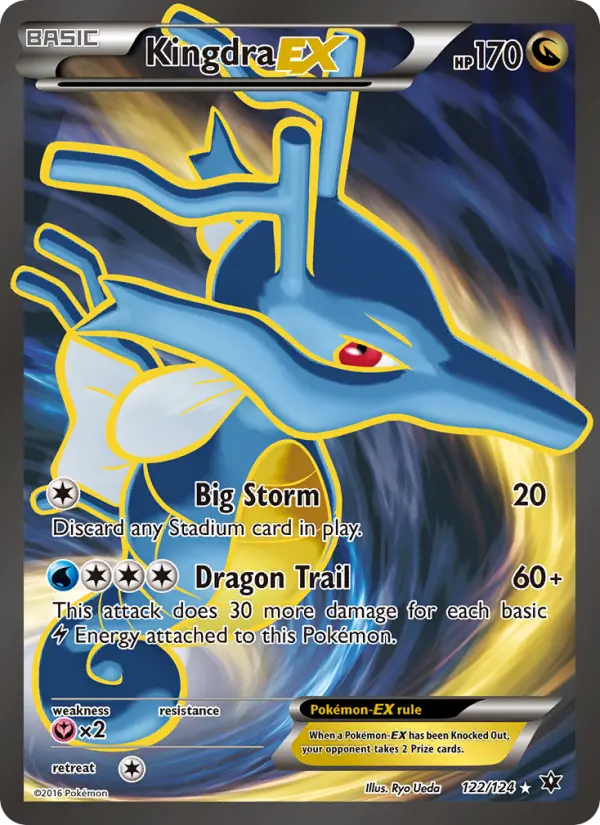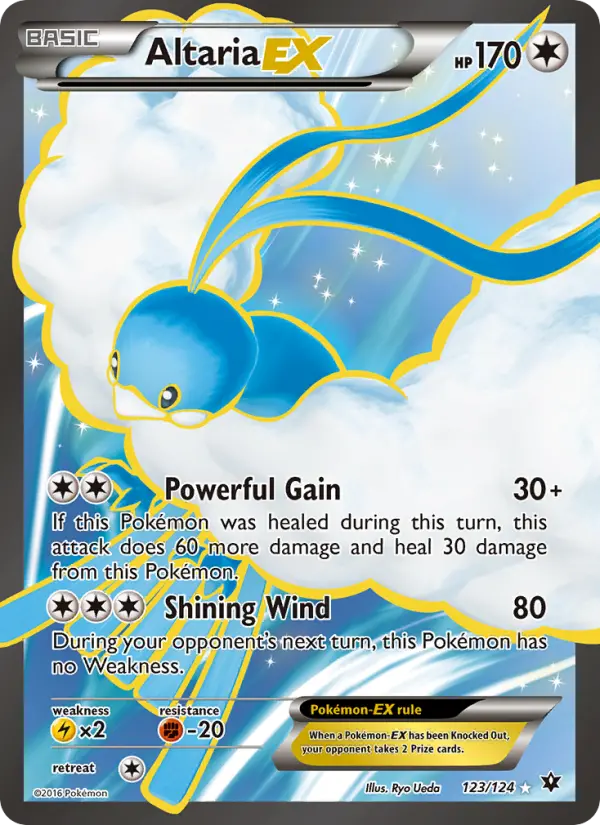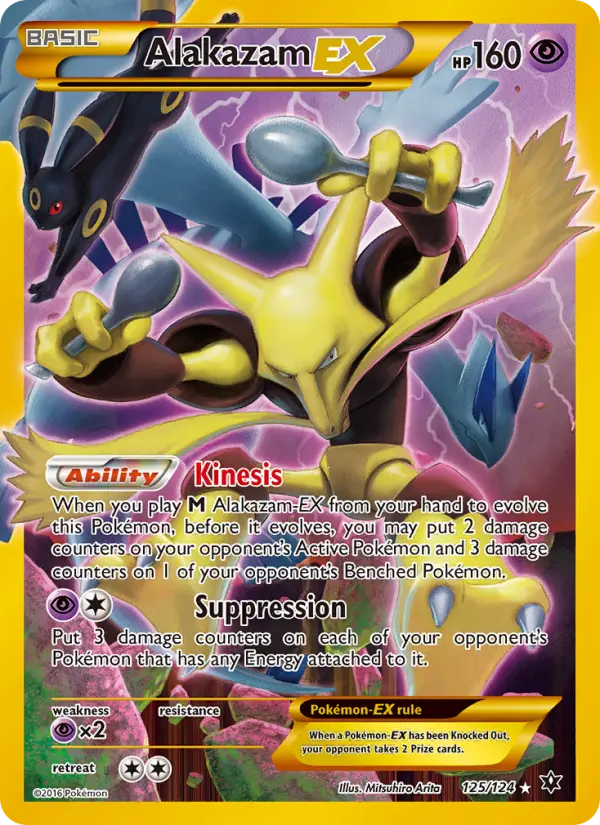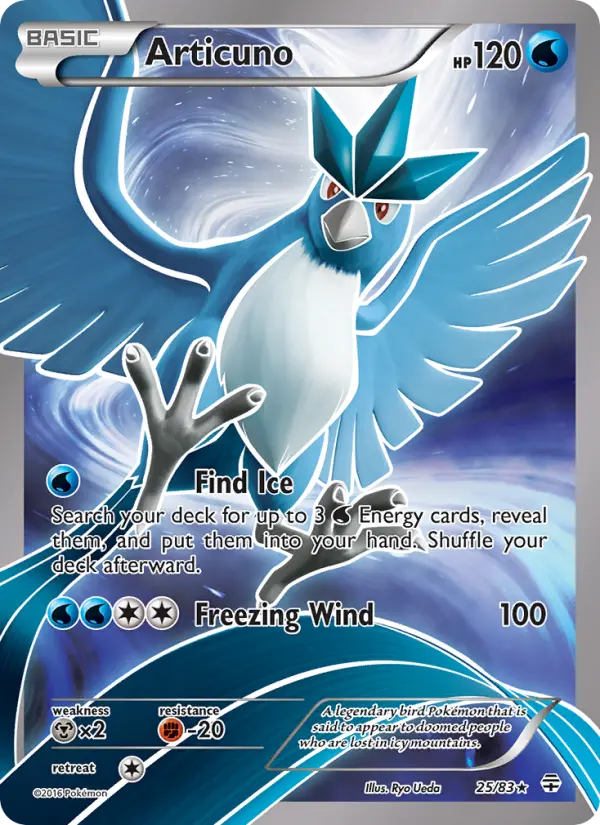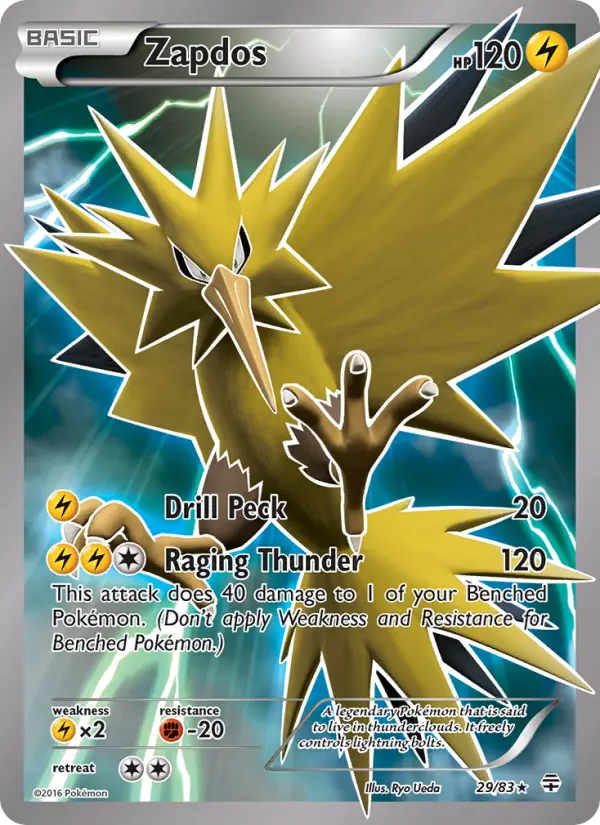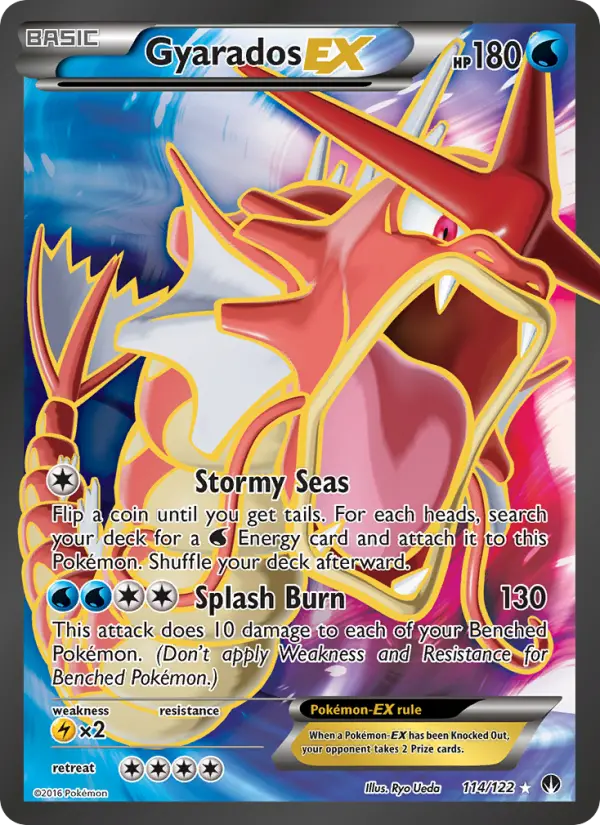
Ryo Ueda is one of the key 3D illustrators in Pokémon TCG history. Bulbapedia describes him as a prominent 3D artist who became especially important after the early period of Keiji Kinebuchi's 3D work, and credits his first cards as Chansey ex, Scyther ex and Sneasel ex from EX Ruby & Sapphire. From that point, Ueda became closely associated with high-impact cards: Pokémon-ex, Pokémon LV.X, Full Art Pokémon-EX, Secret Rare item cards and Stadiums.
A 3D specialist behind Pokémon-ex, LV.X and modern Trainer staples
That makes his work especially useful for collectors who follow the visual history of power mechanics. In the EX era, Ueda's cards often gave Pokémon a solid, sculptural presence. PKMN Collectors records show early examples such as Kabutops ex, Raichu ex, Wailord ex, Dragonite ex, Latias ex, Latios ex, Entei ex, Raikou ex, Suicune ex, Venusaur ex, the legendary birds from EX FireRed & LeafGreen, Mew ex and Rayquaza ex δ. The art tends to use lighting, elemental effects and confident poses to make these Pokémon look like stronger, rarer versions of themselves.
Ueda's importance continued into the Diamond & Pearl and Black & White eras. His credits include many Pokémon LV.X cards and later Pokémon-EX, including cards such as Victini-EX, Cobalion-EX, Latias-EX, Latios-EX, Virizion-EX and Jirachi-EX in PKMN Collectors. These pieces sit at a transition point between older 3D rendering and the more polished, spectacle-driven look that later became common in modern ultra rares.
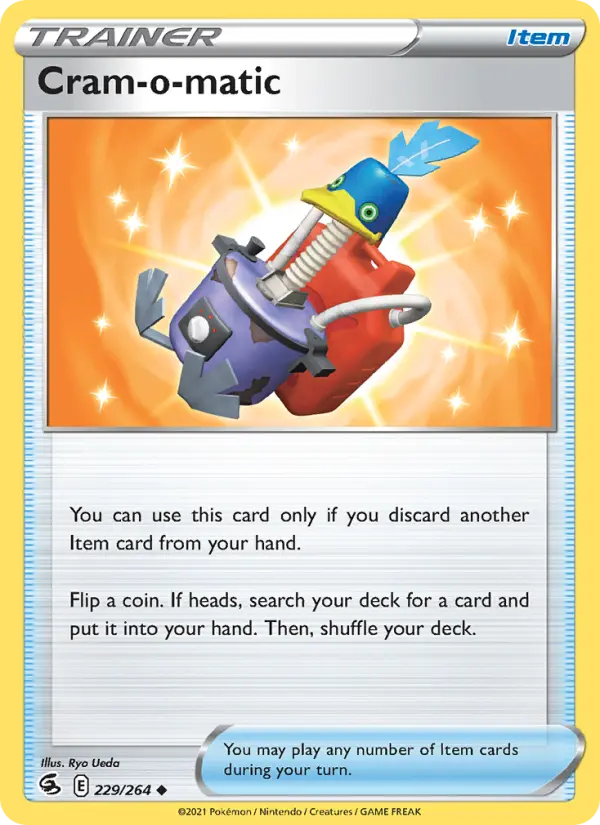
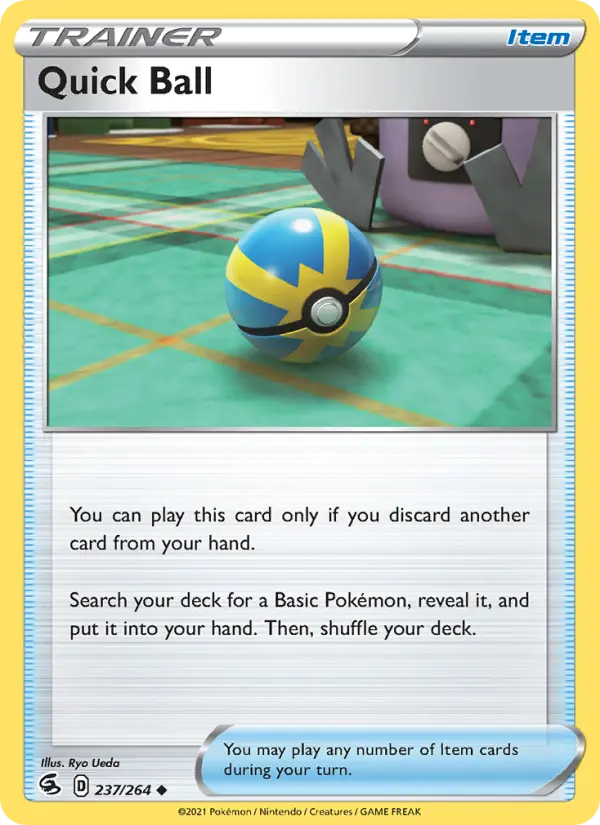
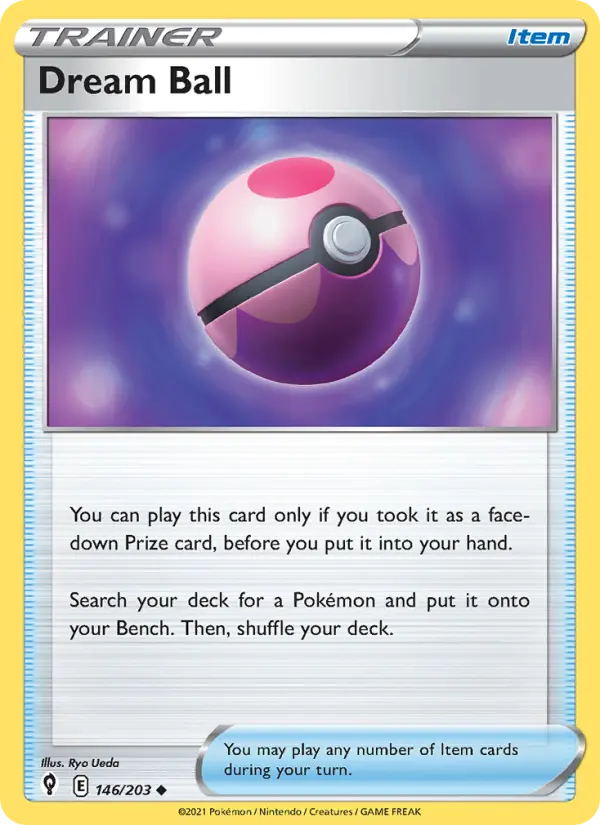
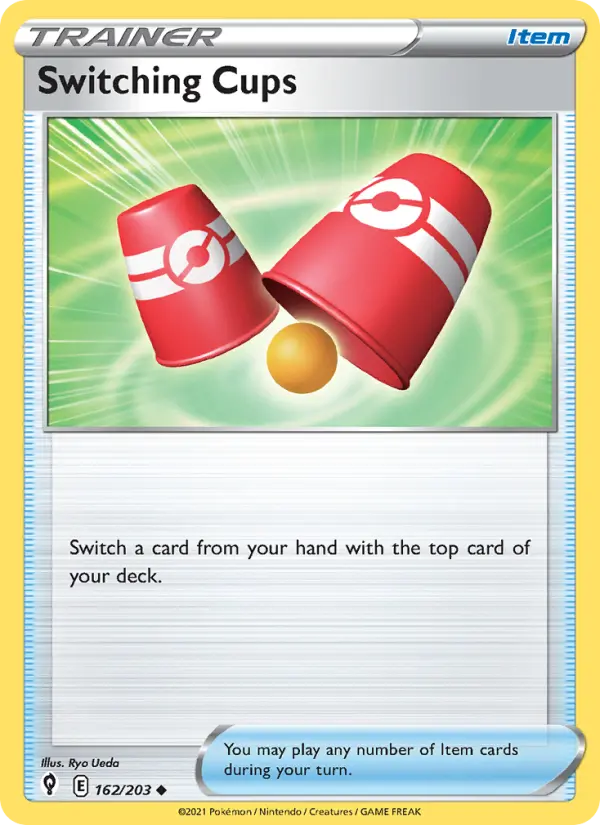
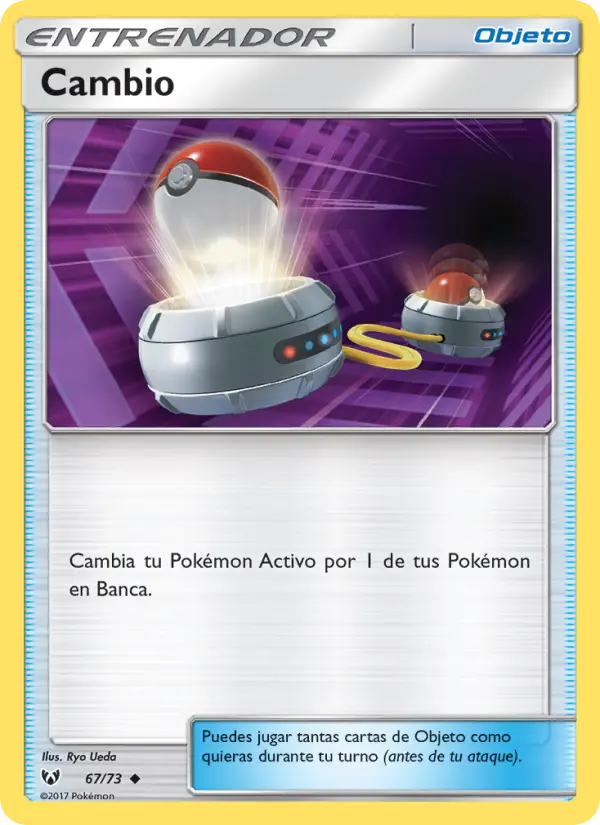
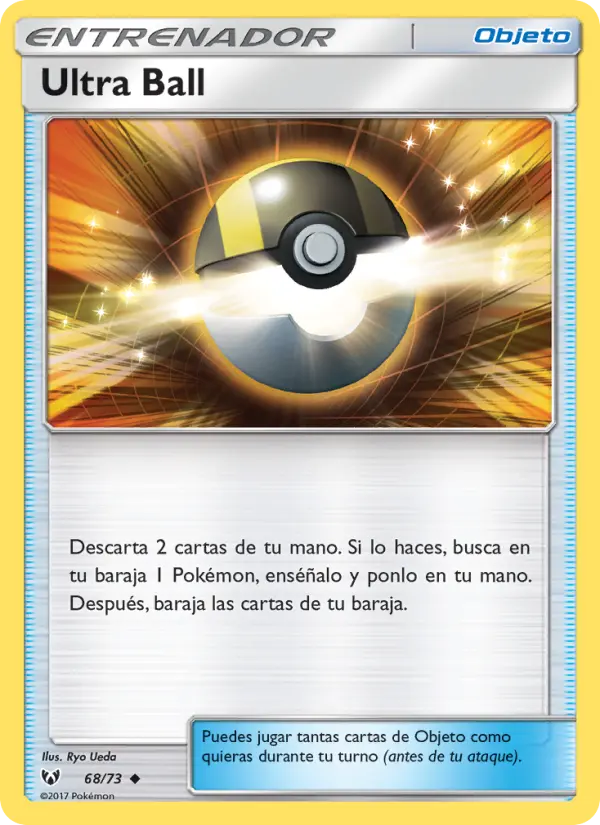
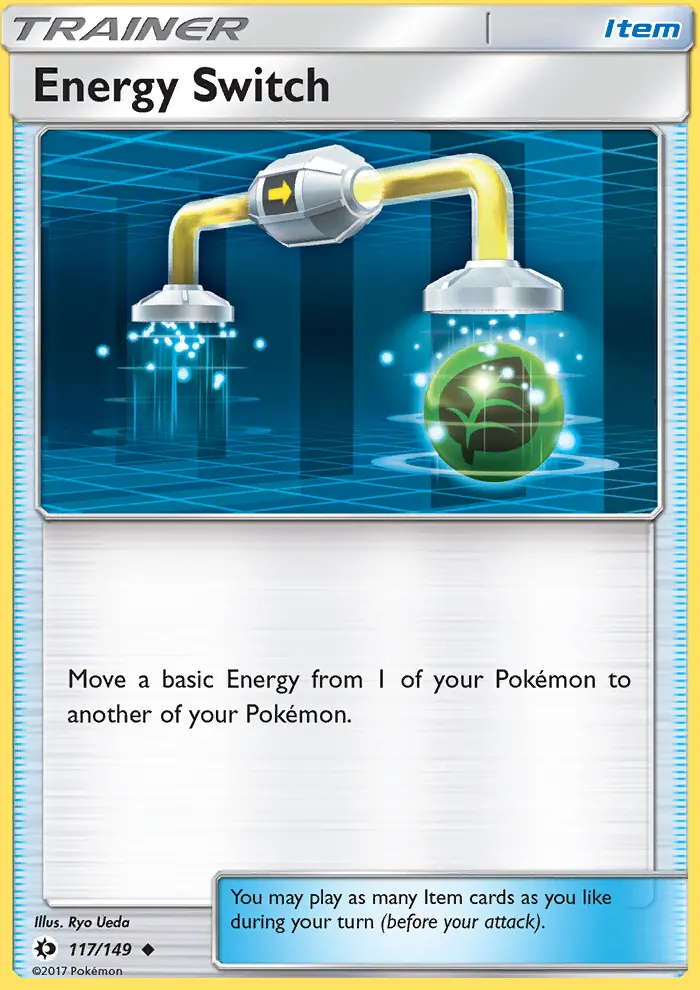
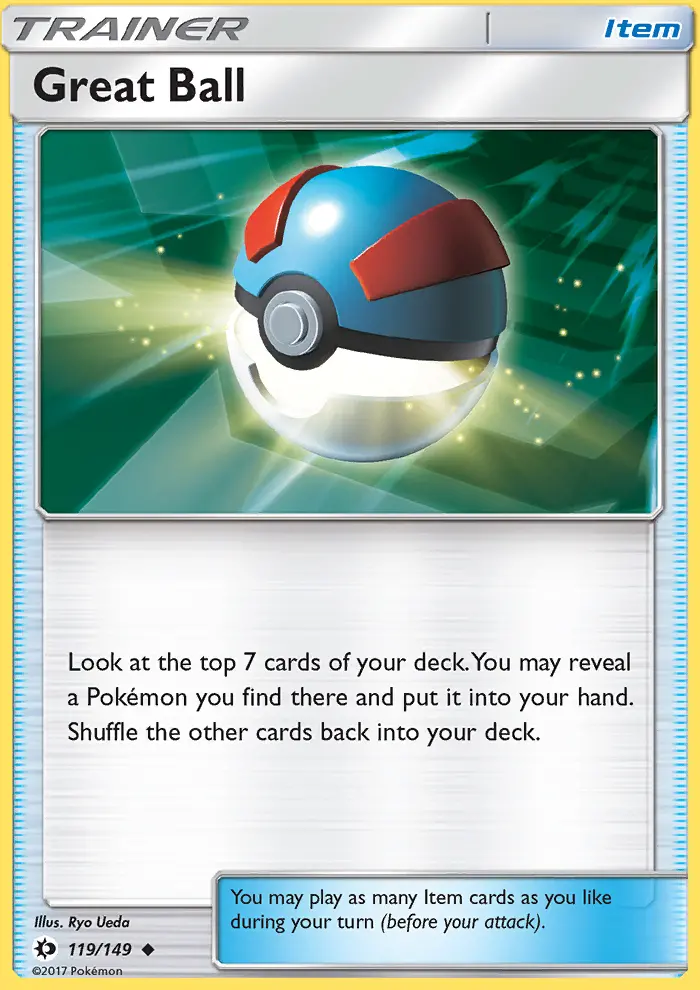
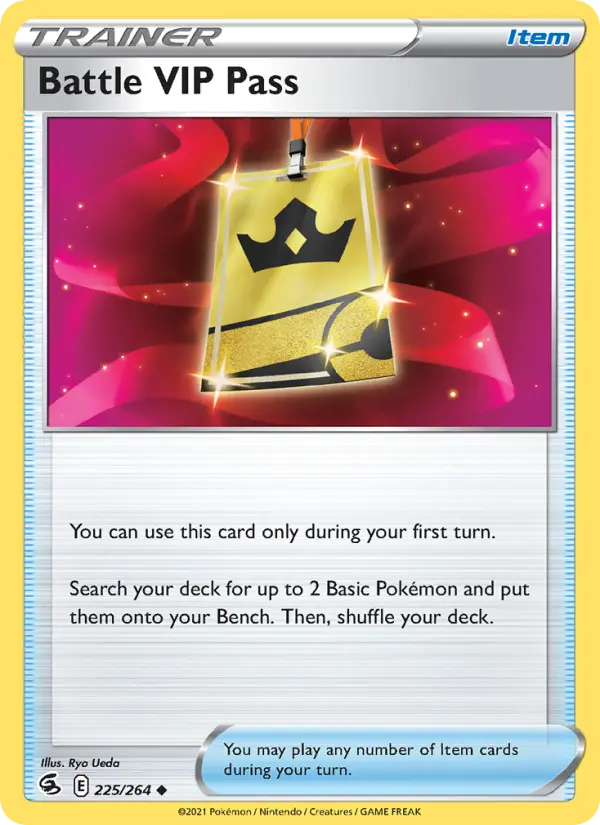
Collectors also know Ueda through non-Pokémon cards. Bulbapedia notes his Trainer work, and local records show repeated credits on Rare Candy, Computer Search, Dowsing Machine, Dimension Valley, Silent Lab, Chaotic Swell, Scoop Up Net, Level Ball, Battle VIP Pass, Cram-o-matic and Quick Ball. These cards matter because they are not only illustrations; many are competitive staples. Ueda's item and Stadium art often places a clear object or location in the foreground, then builds an environment around it so the card reads instantly during play.
Stylistically, Ueda's best work is about presence. His 3D Pokémon are clean, weighty and dramatic, while his Trainer cards favor clarity and function. That combination gives him a distinctive collecting profile: part EX-era nostalgia, part competitive history, part modern gold-card aesthetic.
For Pokémon TCG collectors, Ryo Ueda is worth following because his cards mark several technical and historical shifts in the game. His credits trace the rise of 3D card art from early Pokémon-ex through LV.X, Full Art Pokémon-EX and the item-heavy visual language of Sword & Shield.