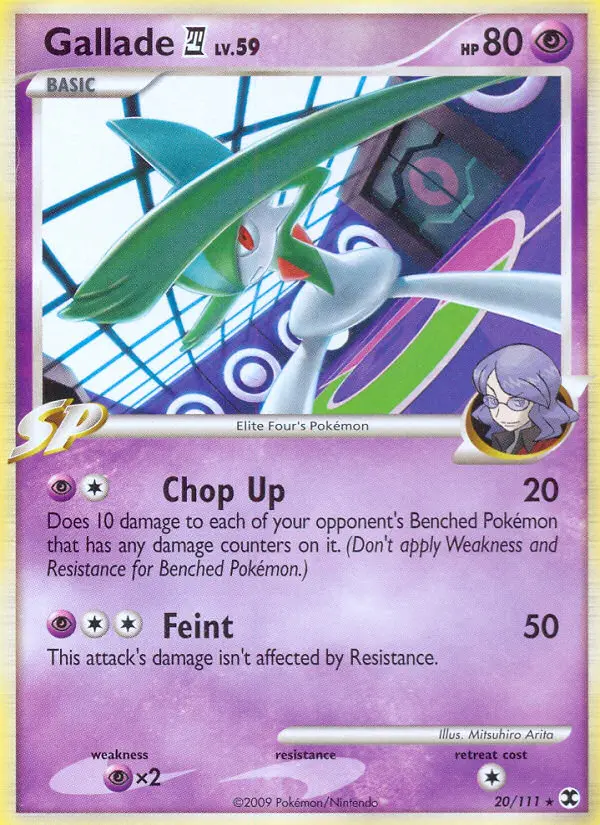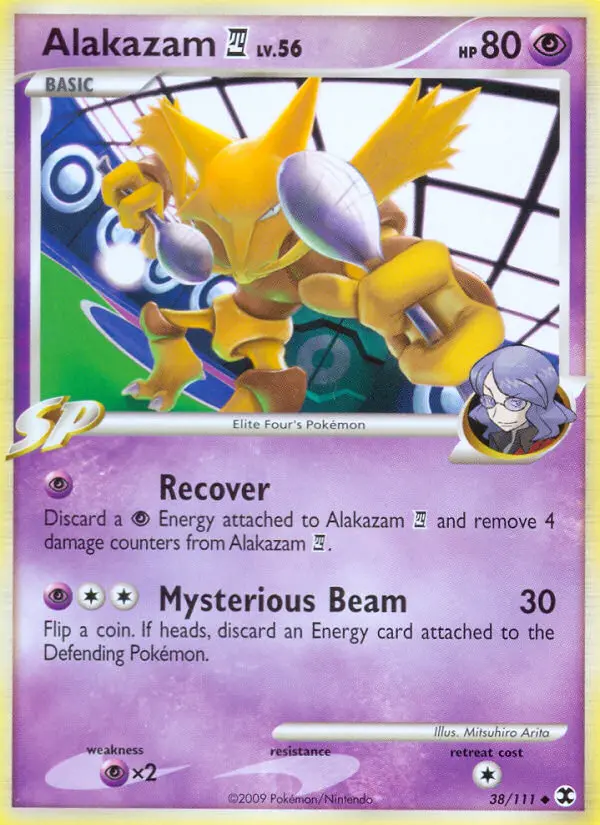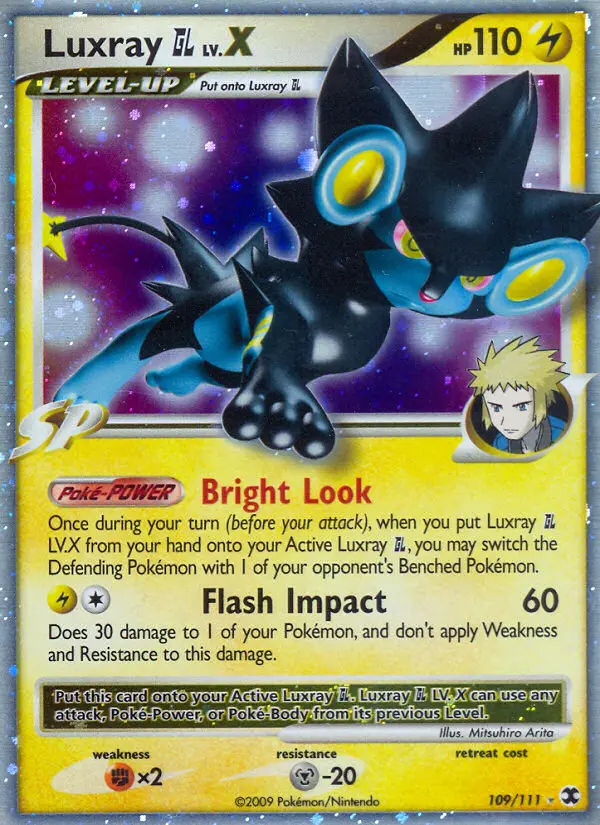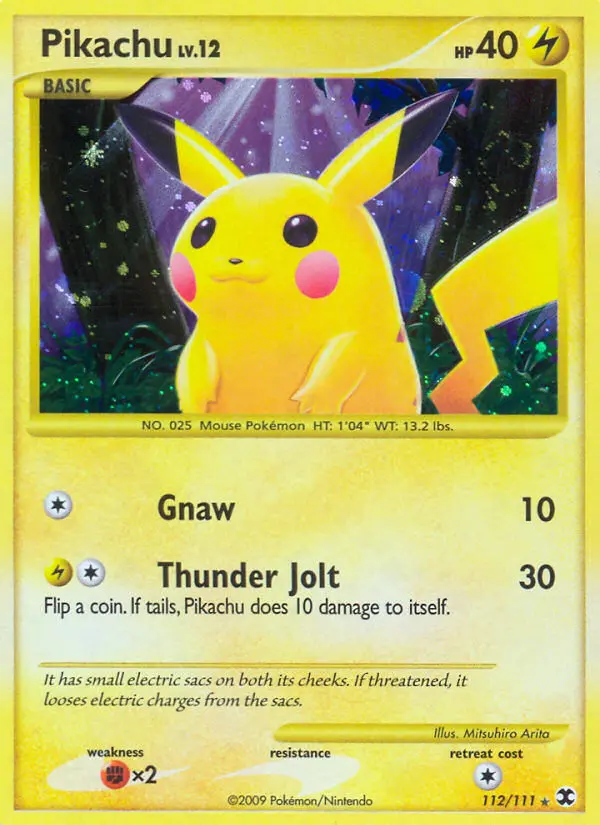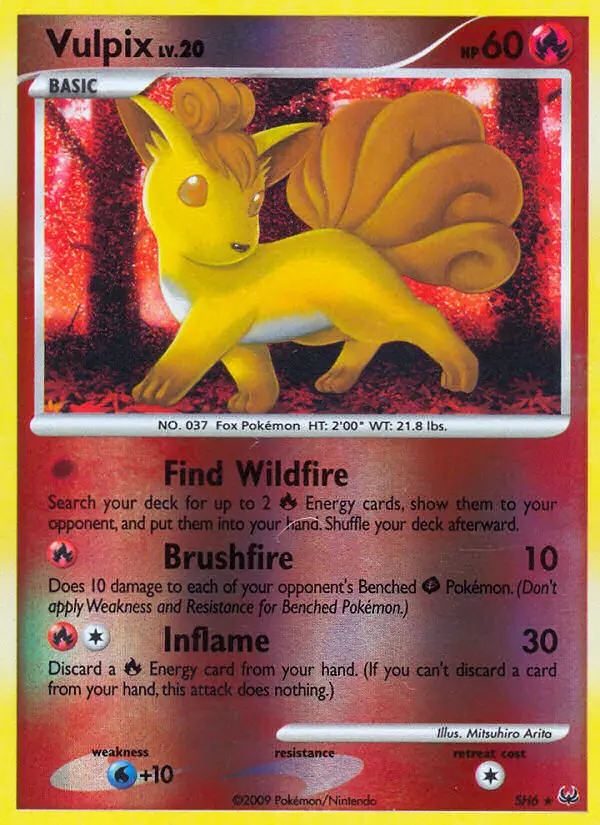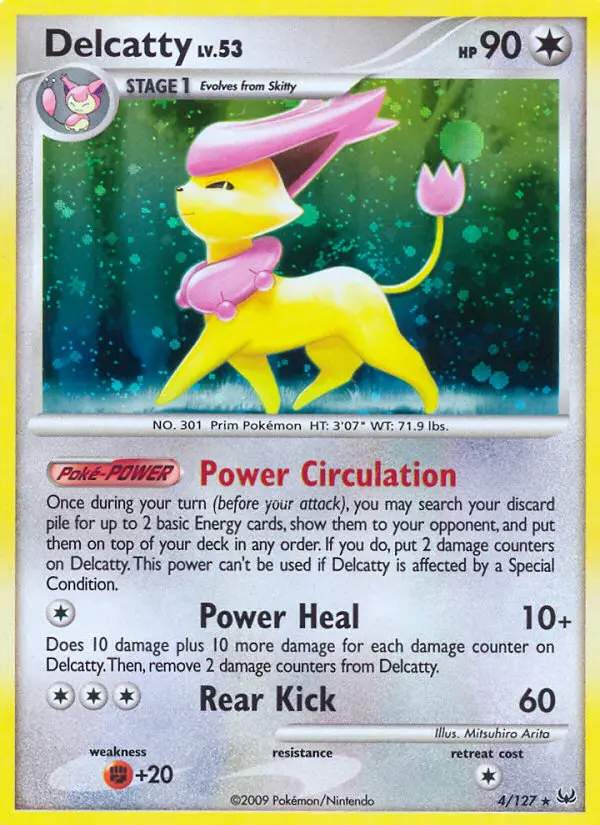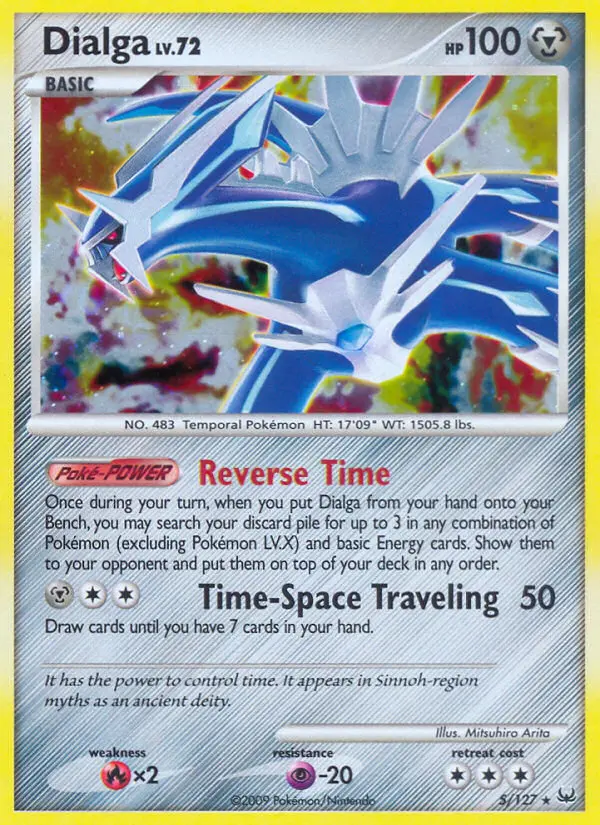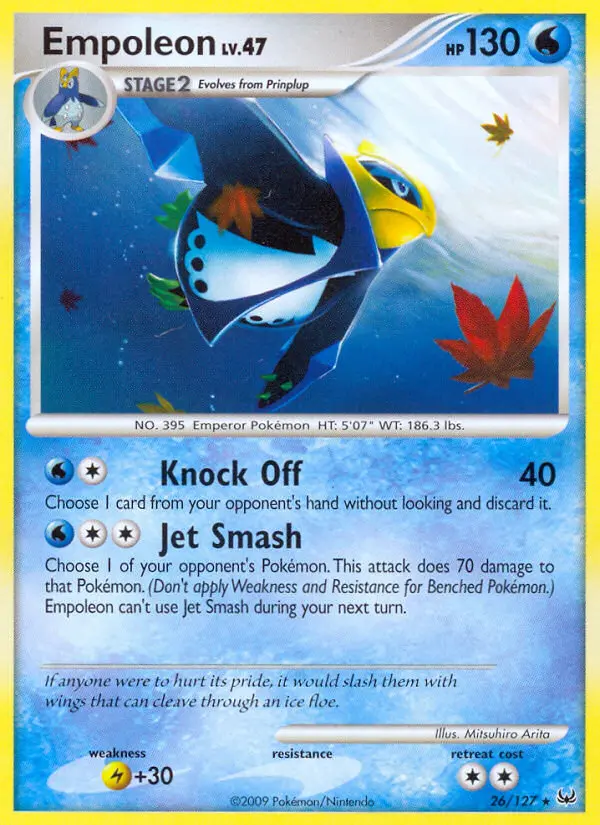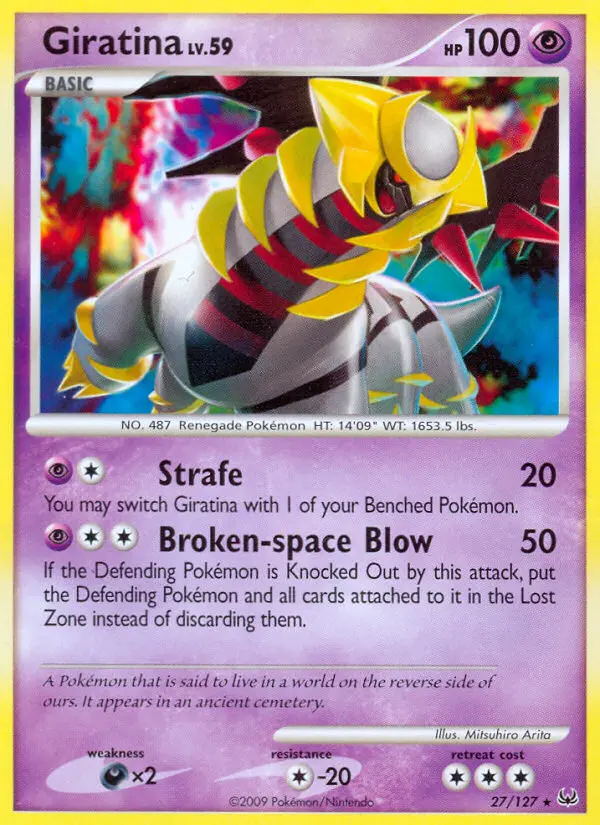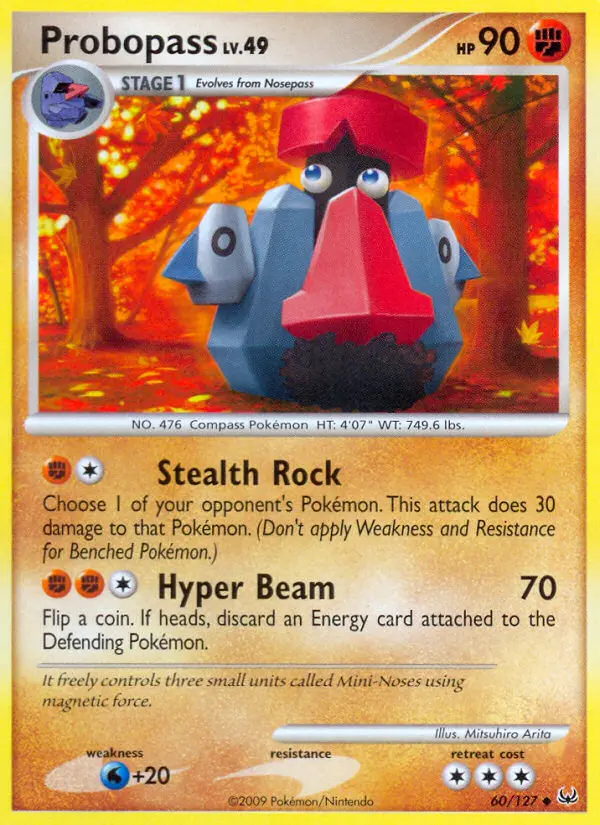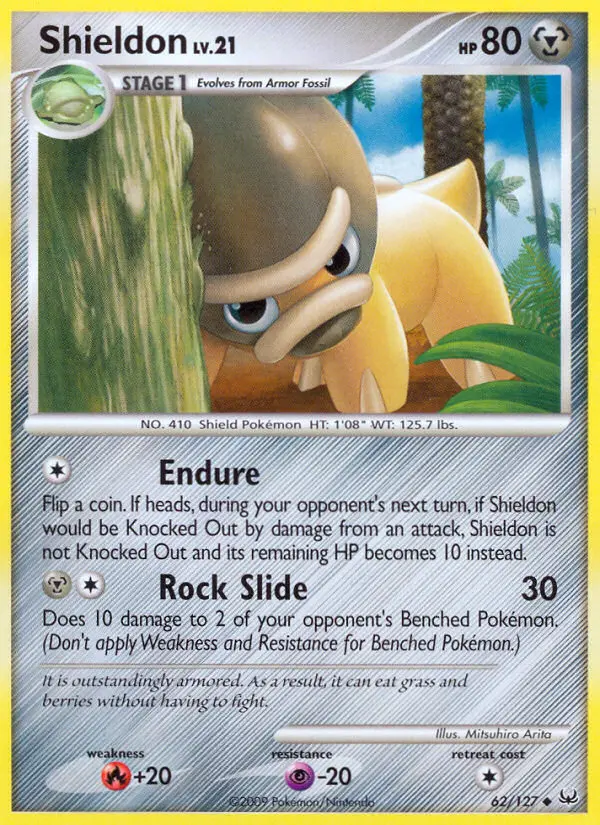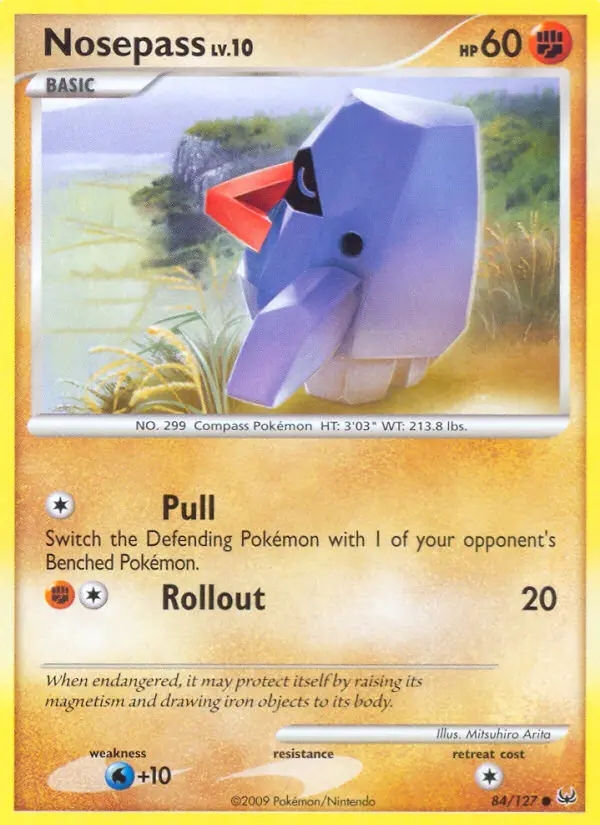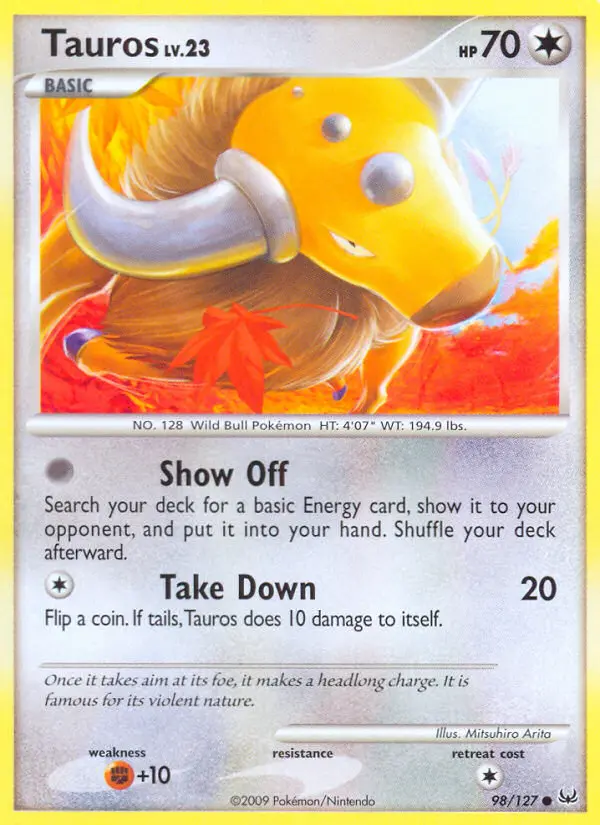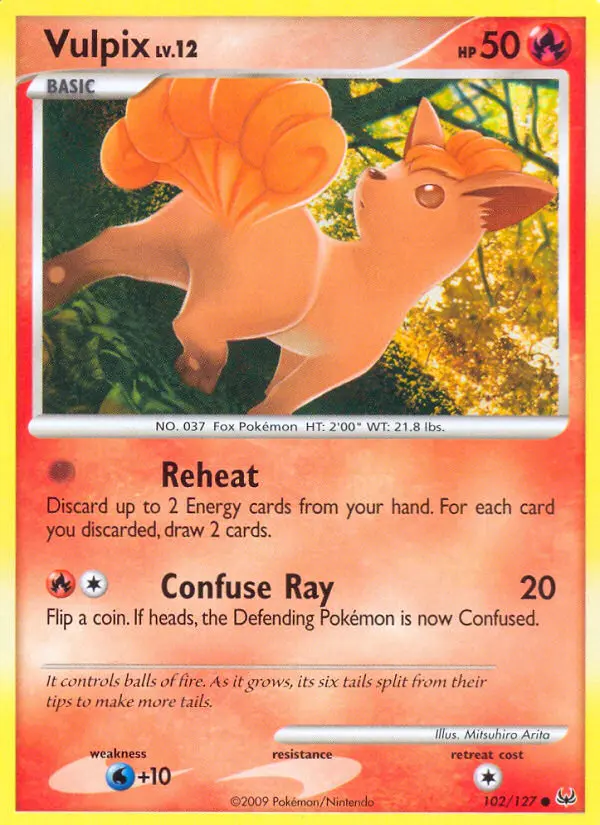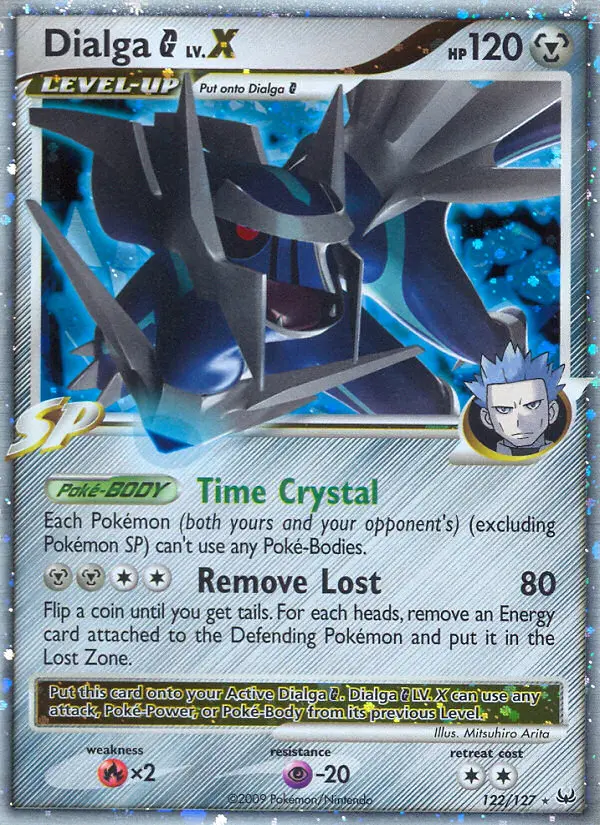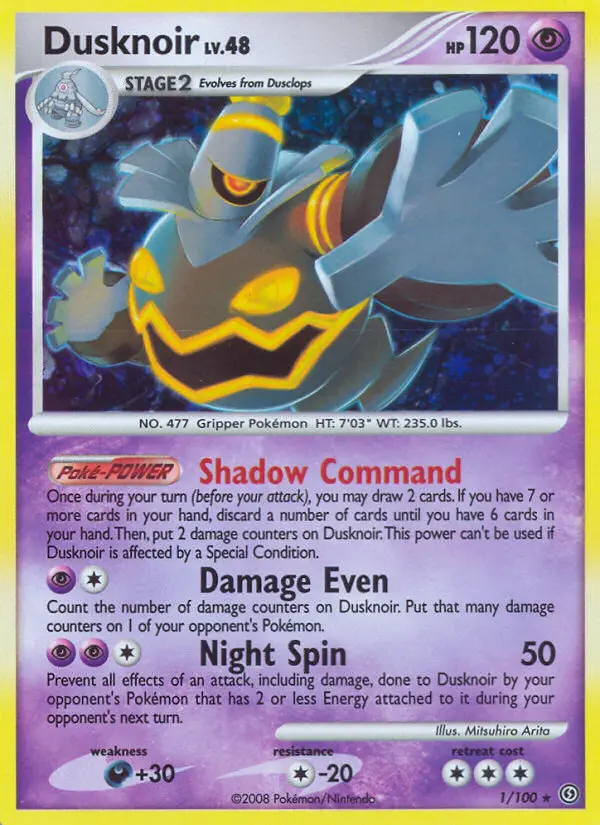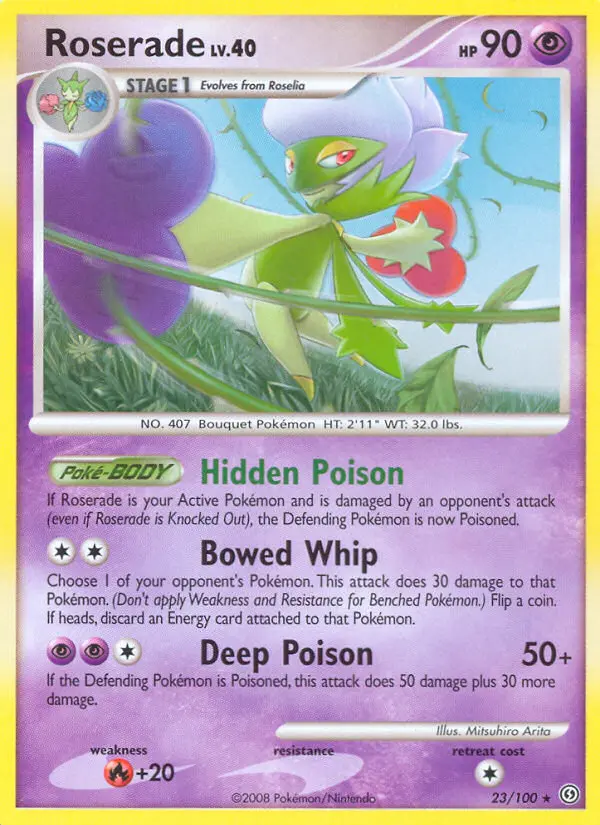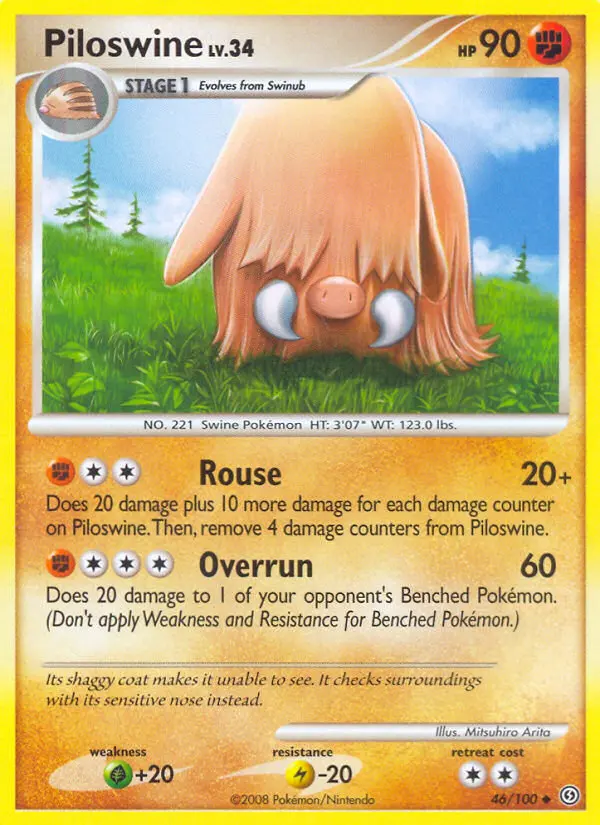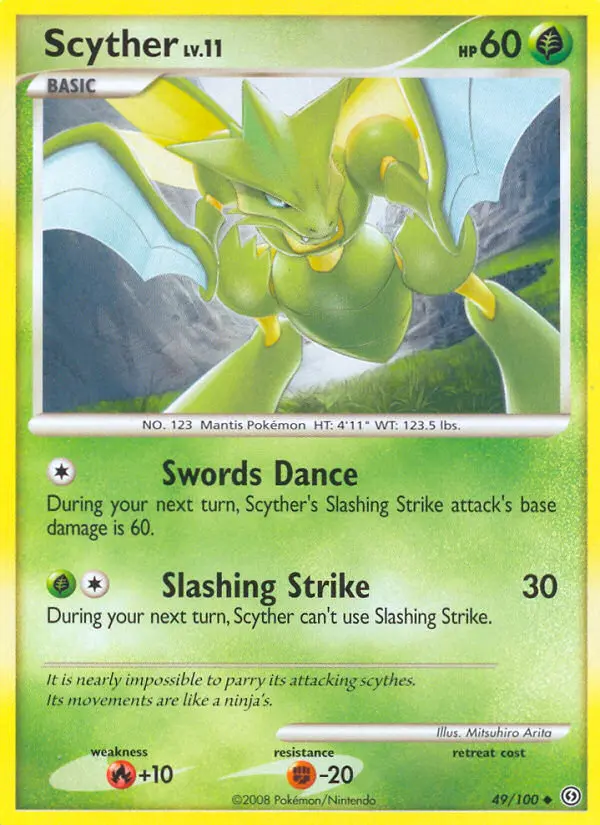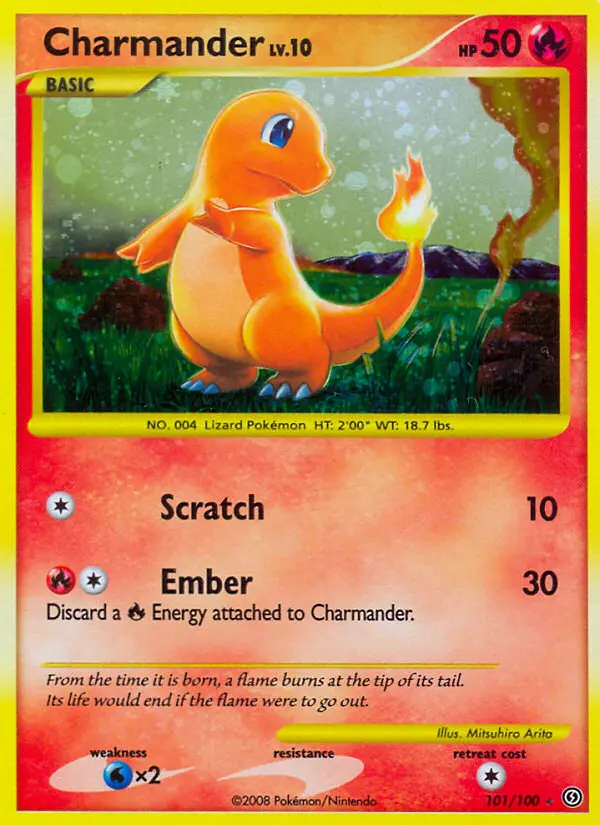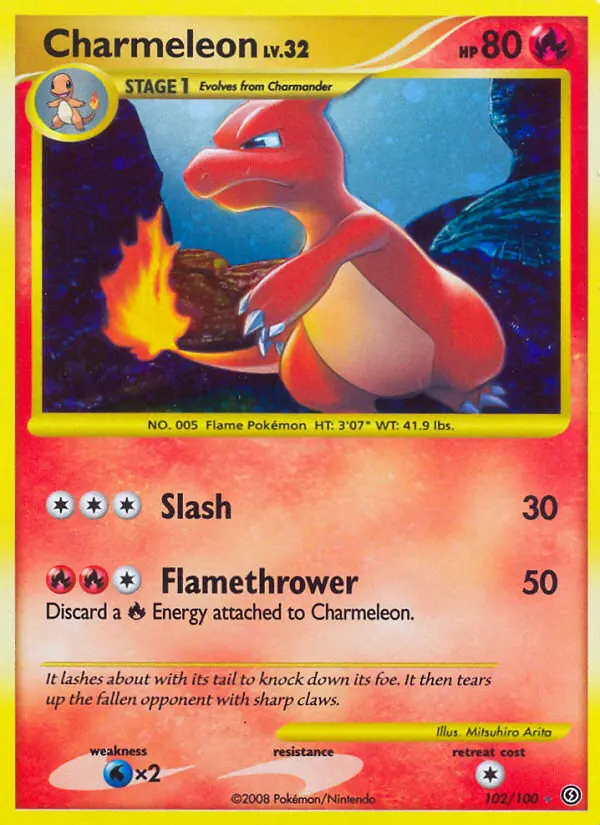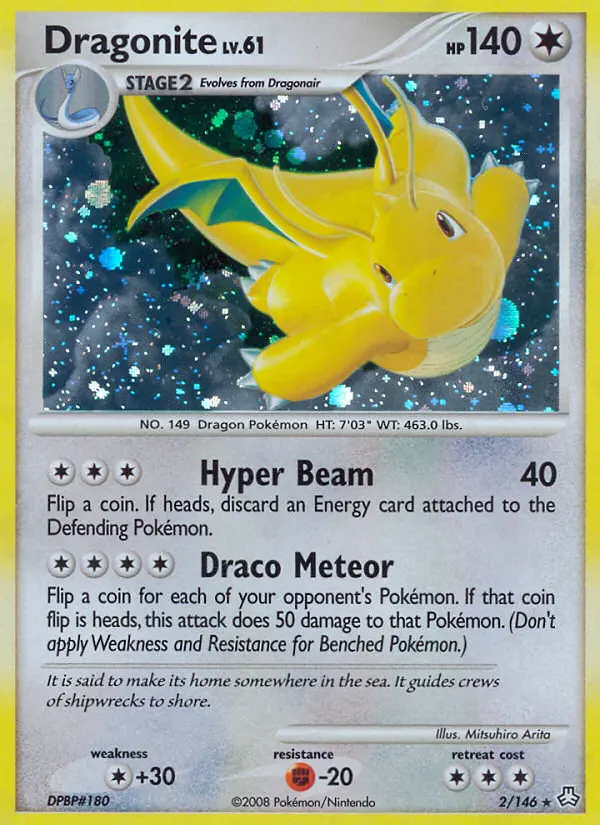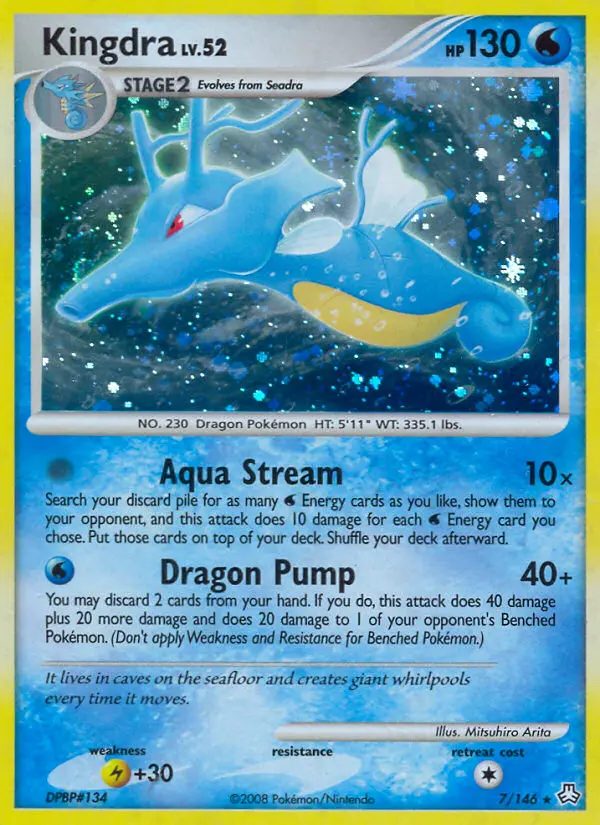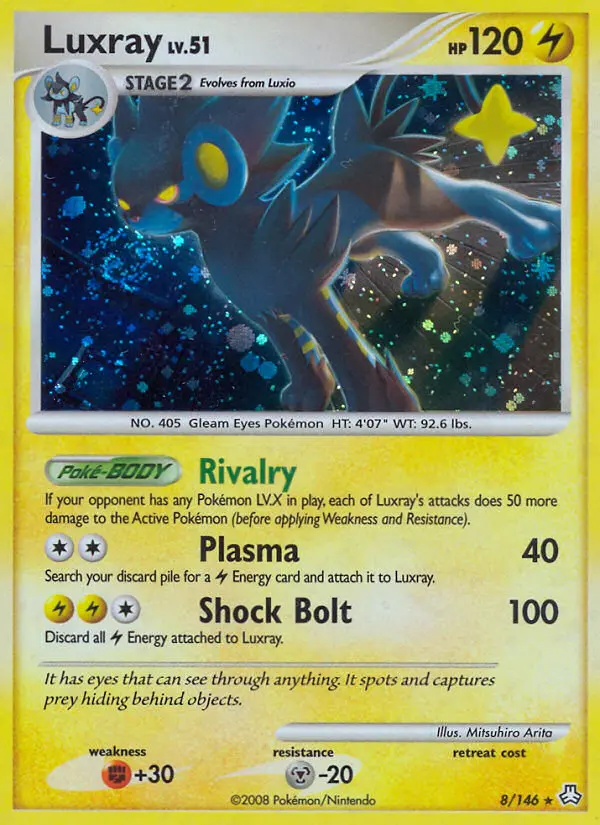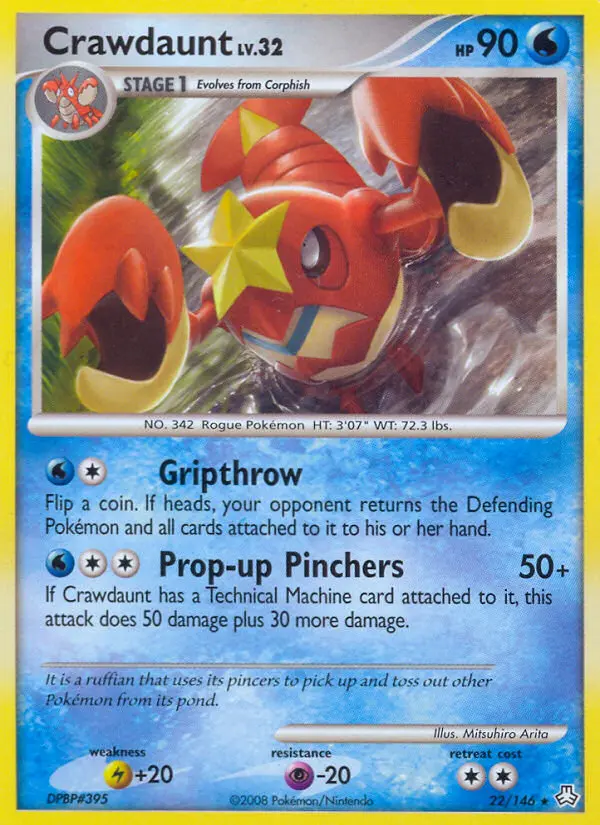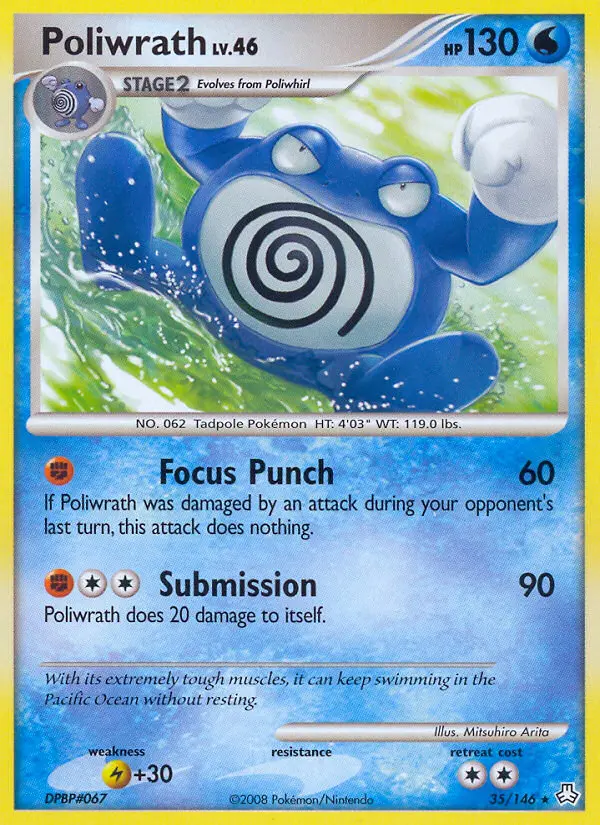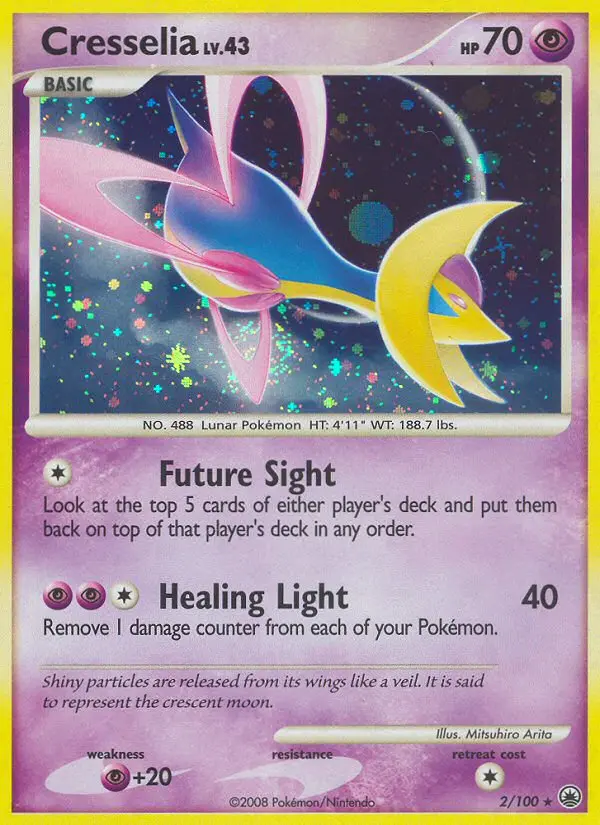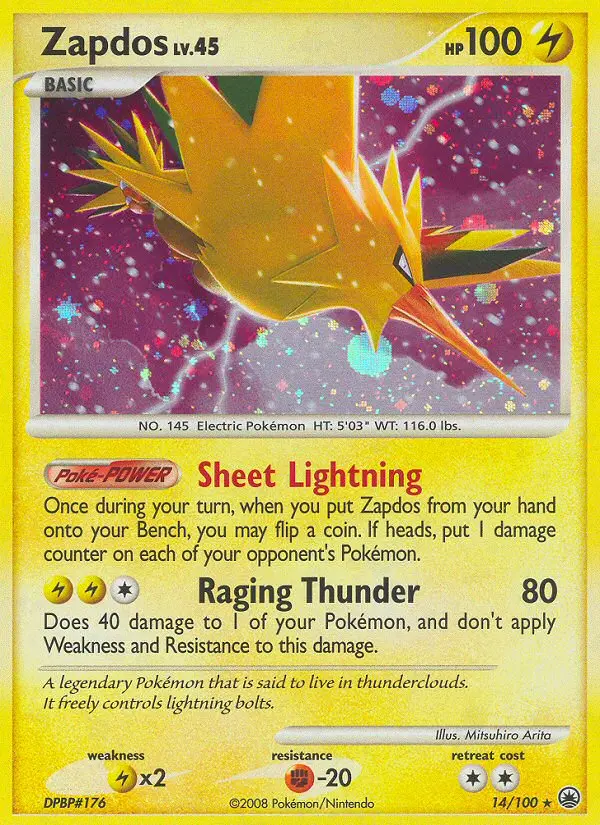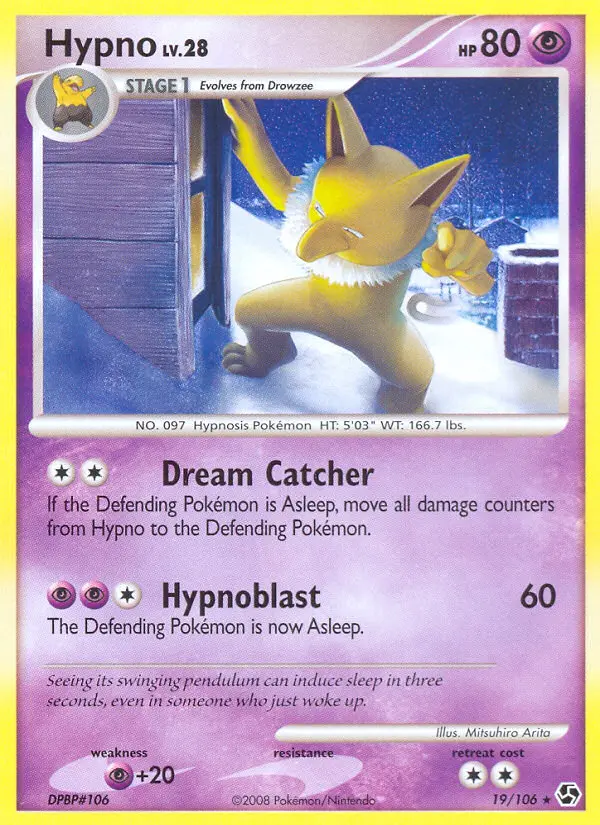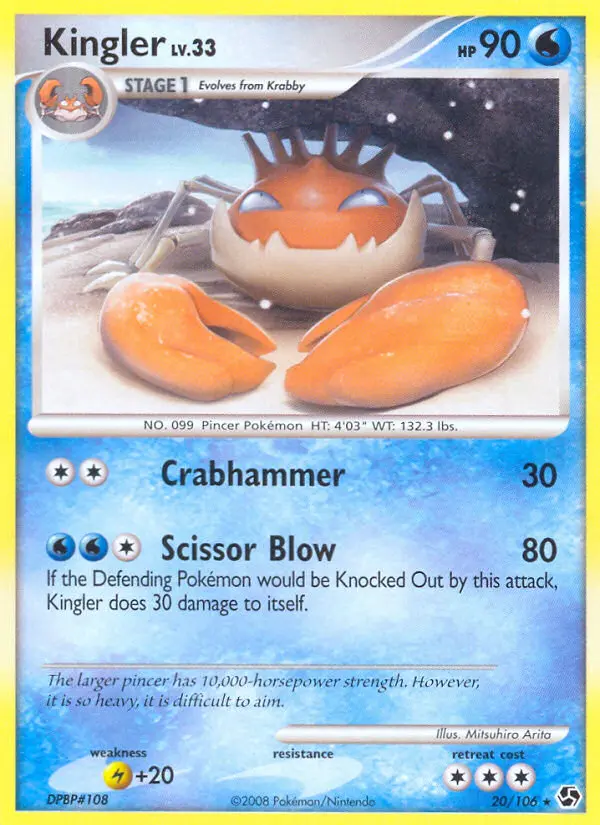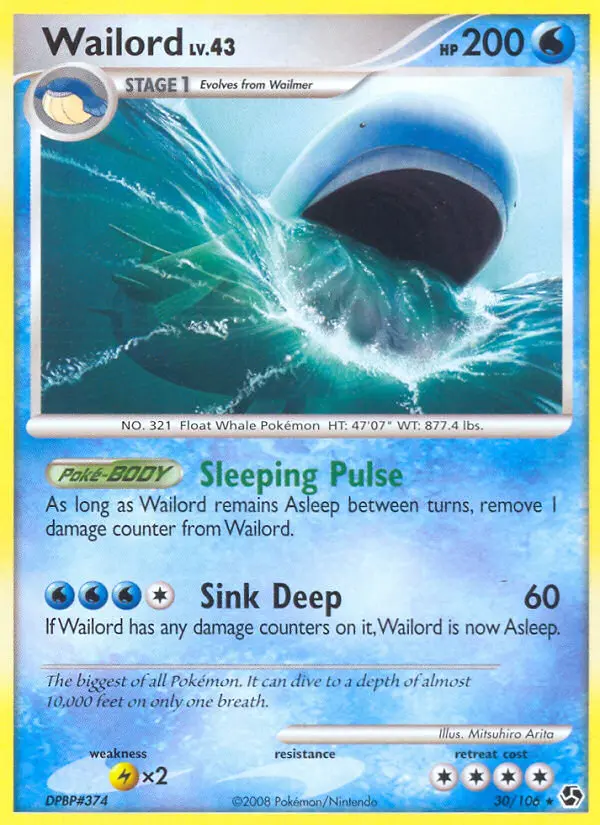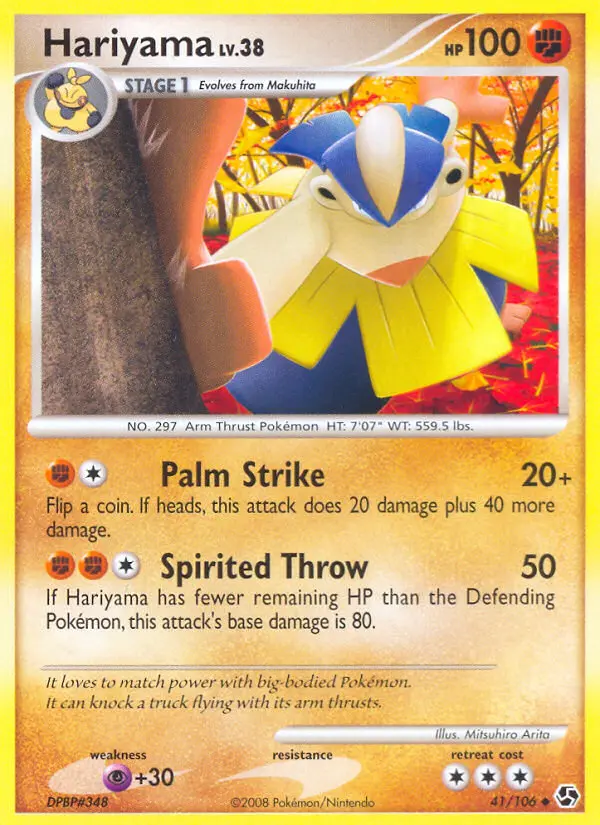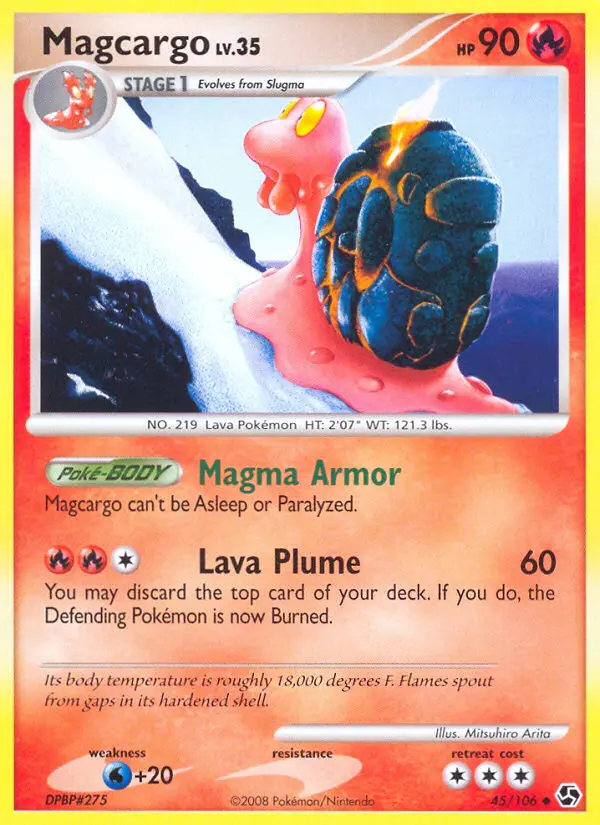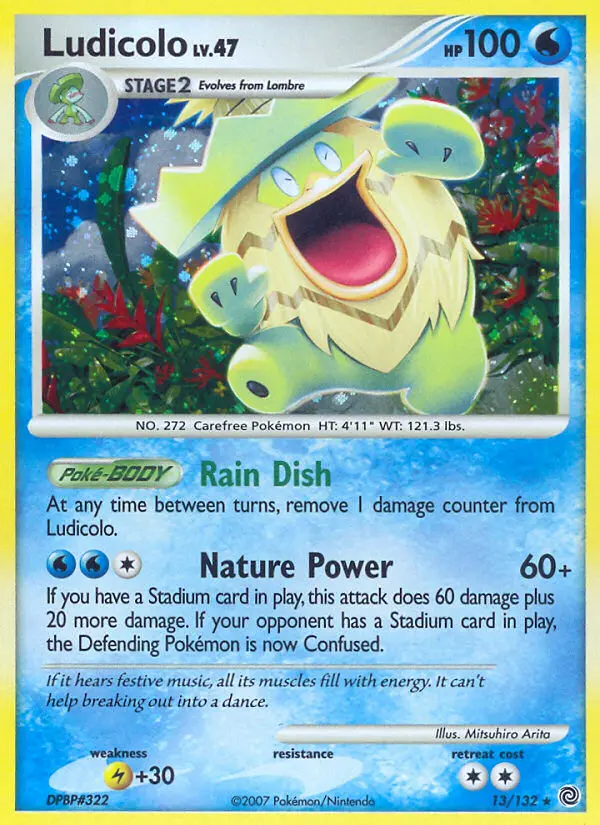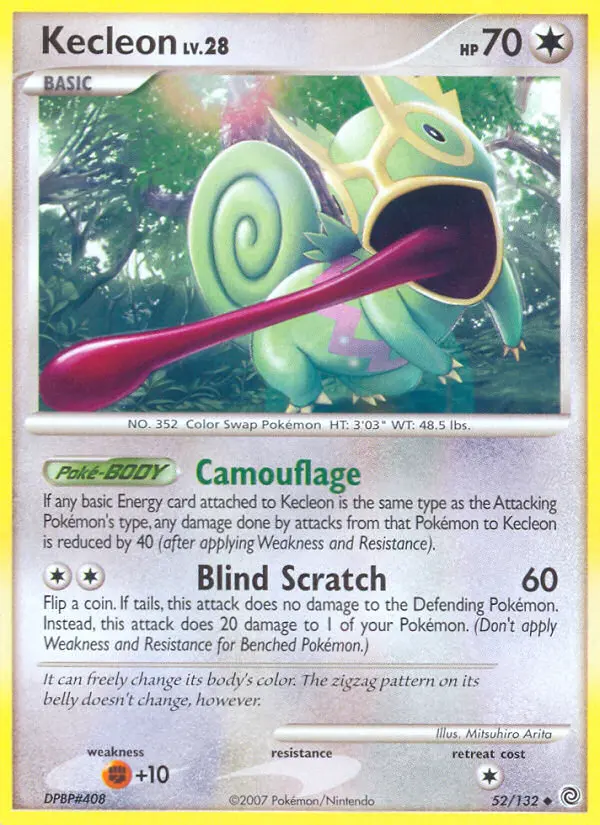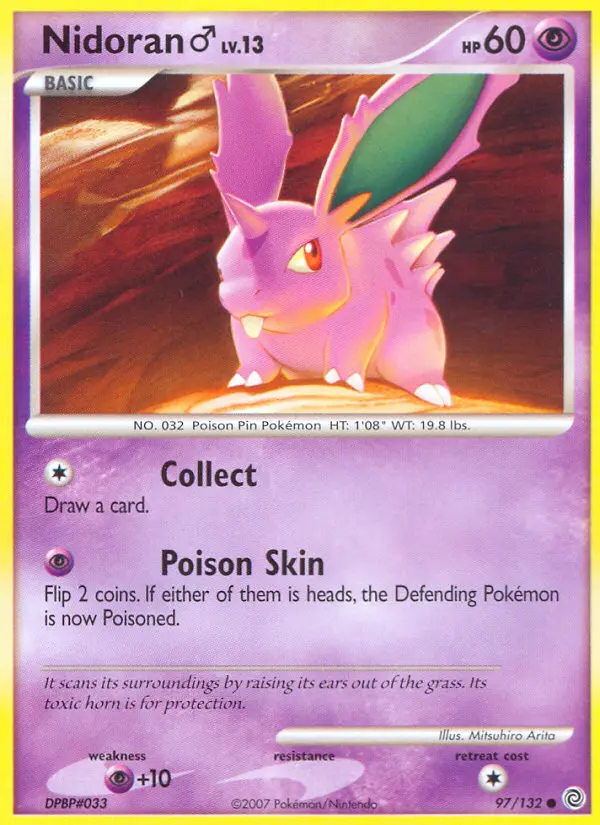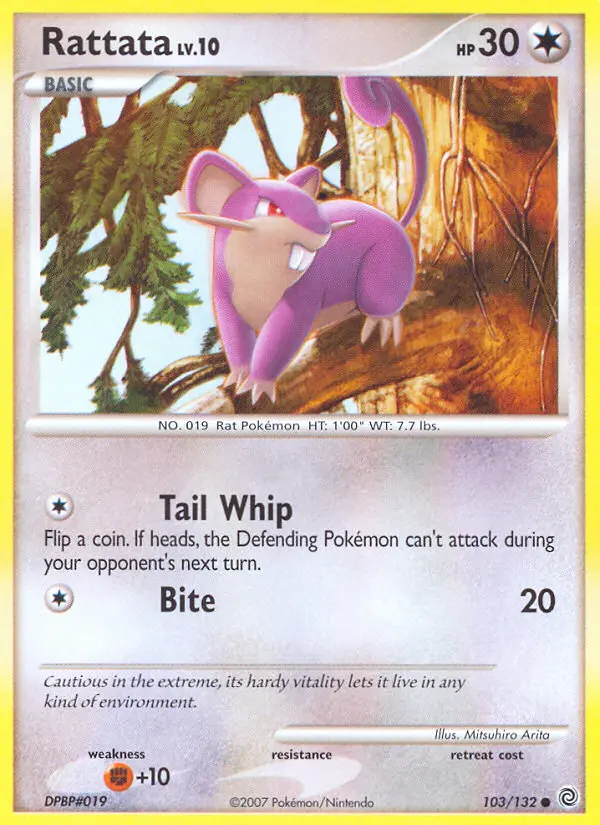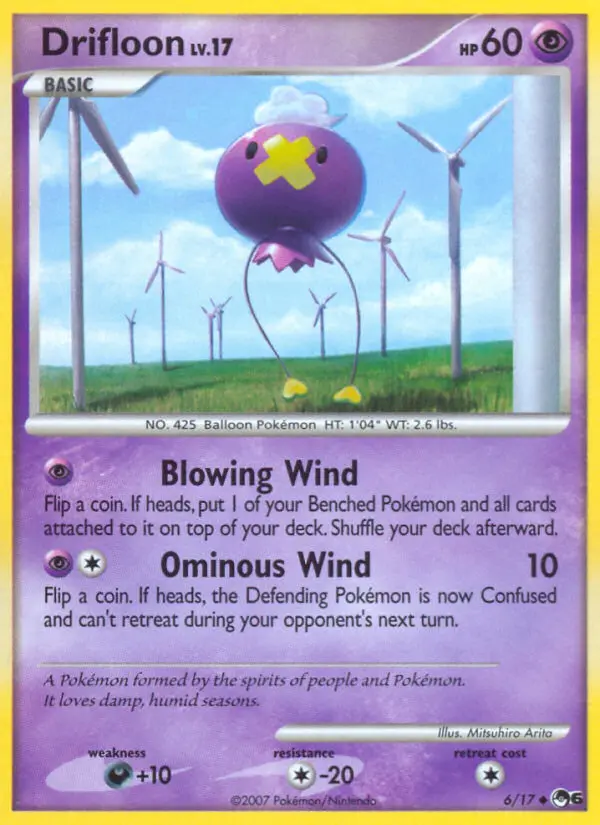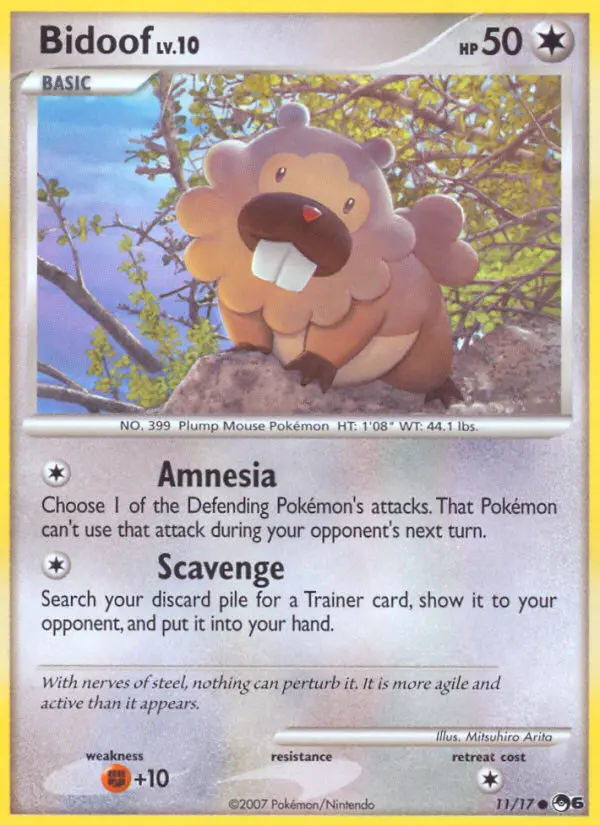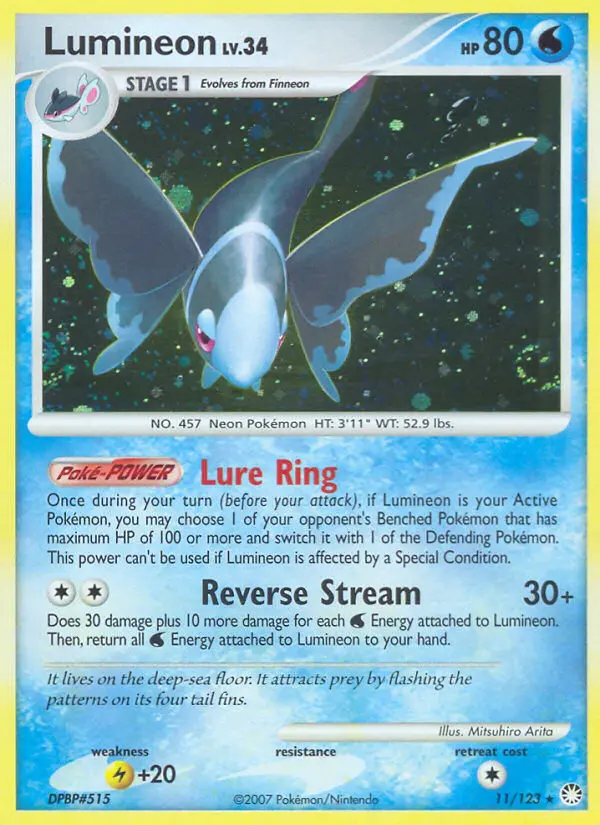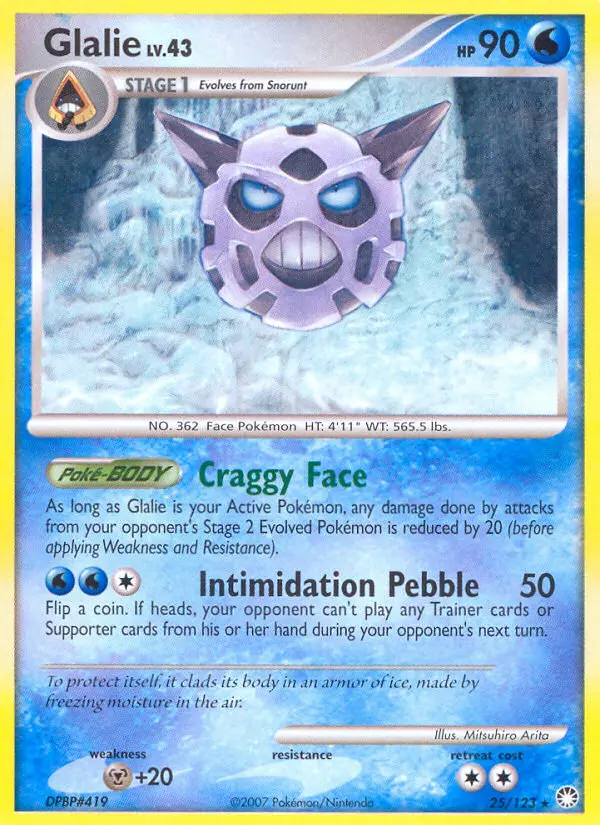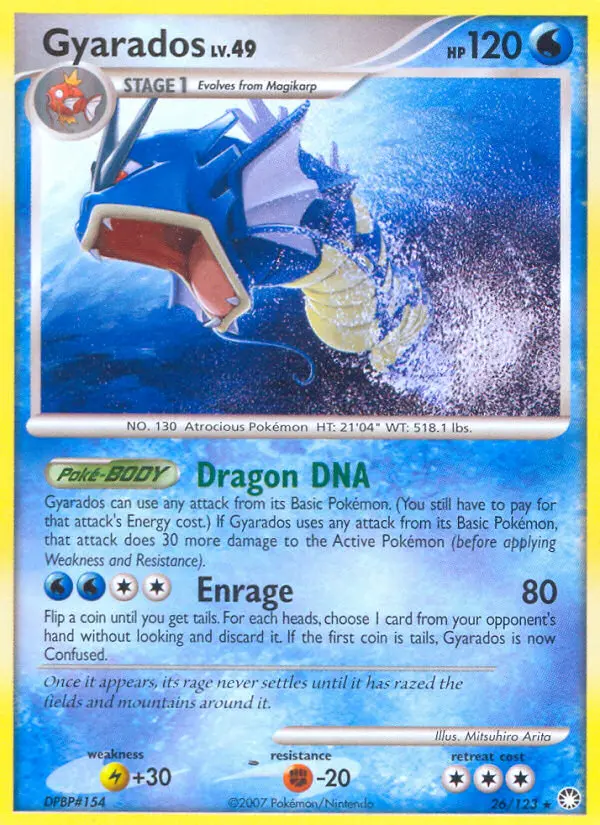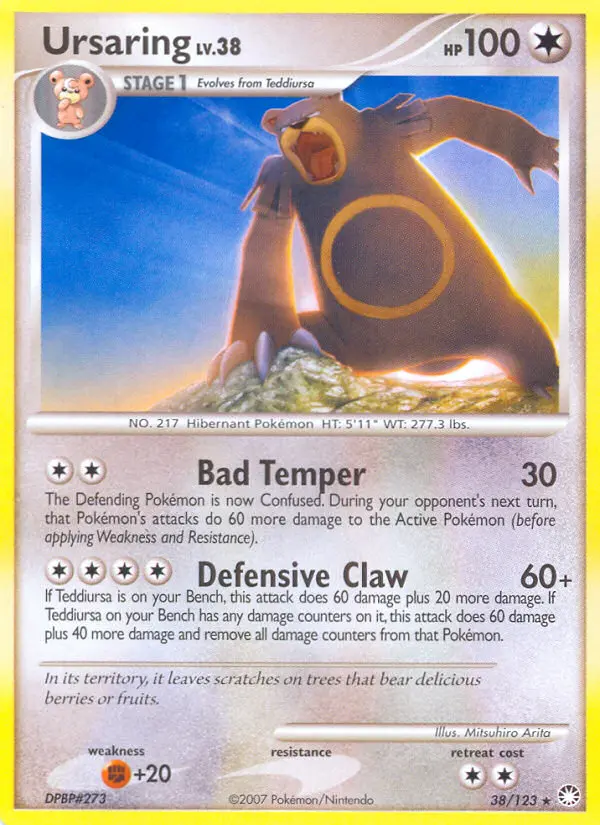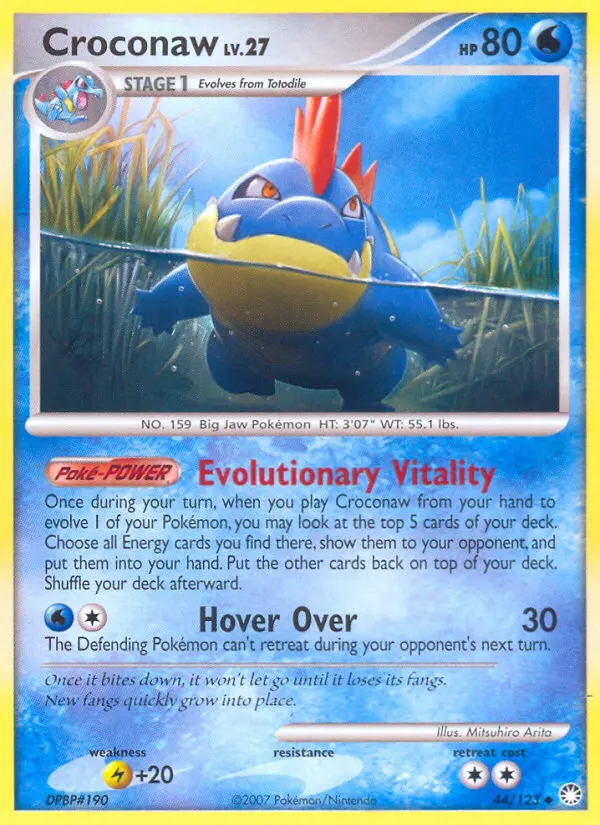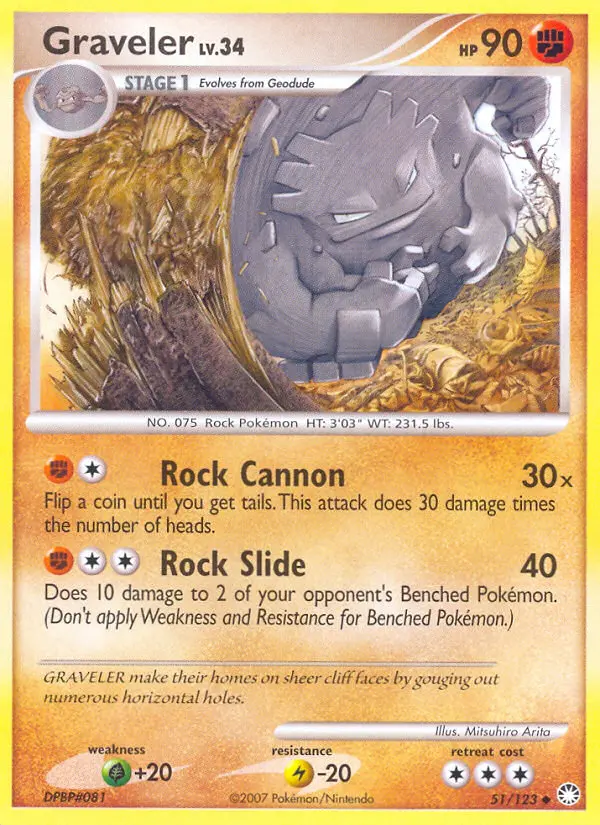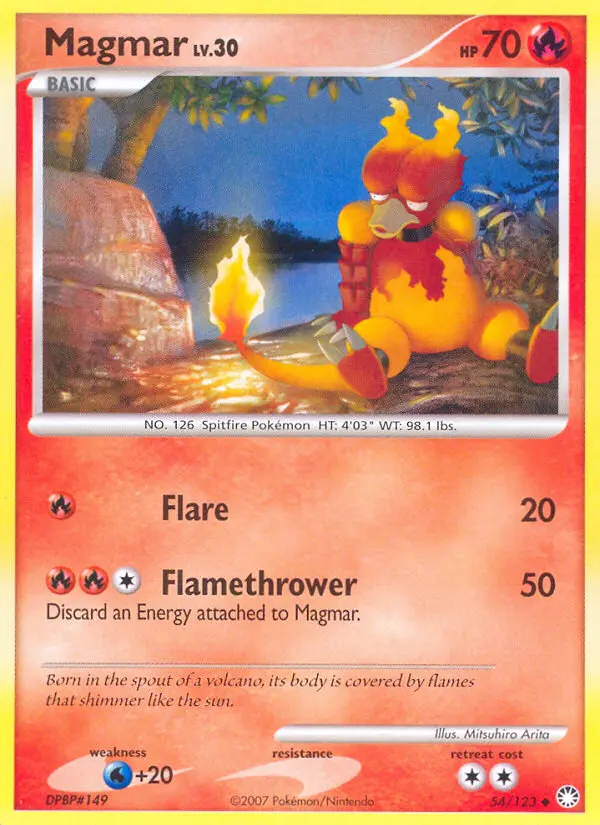

Mitsuhiro Arita is one of the most influential illustrators in the history of the Pokemon Trading Card Game. Born in Fukuoka Prefecture, Japan, in 1970, he began contributing to Pokemon cards before the TCG became a worldwide collecting phenomenon. His work is closely tied to the earliest years of the game, when artists had little more than Game Boy sprites and basic character references to transform Pokemon into full scenes with personality, mood, and atmosphere.
One of the defining artists of the Pokemon TCG
For many collectors, Arita is inseparable from the original Base Set. His illustrations for Charizard and Pikachu became two of the most recognizable images in Pokemon card collecting, not only because of the popularity of those Pokemon, but because the cards helped define what a Pokemon card could feel like: compact, readable, expressive, and full of character at trading-card scale. That early ability to turn simple source material into memorable artwork is a major part of his legacy.
Arita has described his process as a careful sequence of rough sketches, line art, color work, and approvals. Rather than treating each Pokemon as a repeatable character asset, he tries to consider what that individual Pokemon is and how it might exist in a believable environment. This gives many of his cards a naturalistic quality: backgrounds matter, poses feel chosen rather than generic, and the creatures often appear as if they have been observed in a real landscape.
His style has evolved with the medium. Early Pokemon cards often depended on simpler compositions that stayed strong when printed small, while later full-art and special cards allowed for more detail, dramatic framing, and a stronger sense of motion. Arita has remained especially aware of this tension between detail and impact, which is one reason his illustrations continue to work both as collectible objects and as small printed images meant to be handled, sorted, and remembered.
Beyond Pokemon, Arita has worked as an illustrator, designer, and artist across other games, publications, and original projects. Still, his Pokemon TCG portfolio remains central to how collectors understand his career. To browse his cards is to follow a visual history of the game itself, from nostalgic early artwork to modern compositions shaped by decades of experience with Pokemon, trading cards, and the expectations of collectors.
Referenced from official website, Pokemon.com creator profile, Pokemon.com Spanish profile, GamesRadar interview.