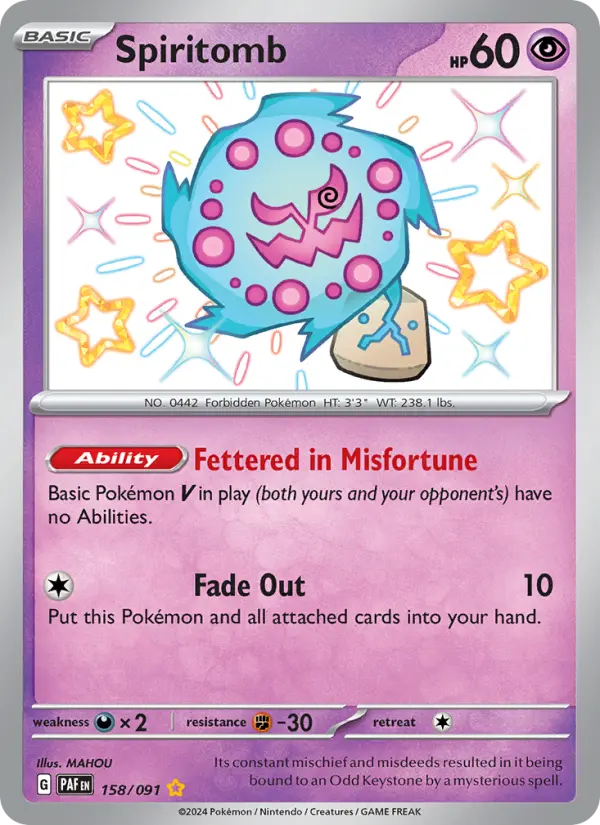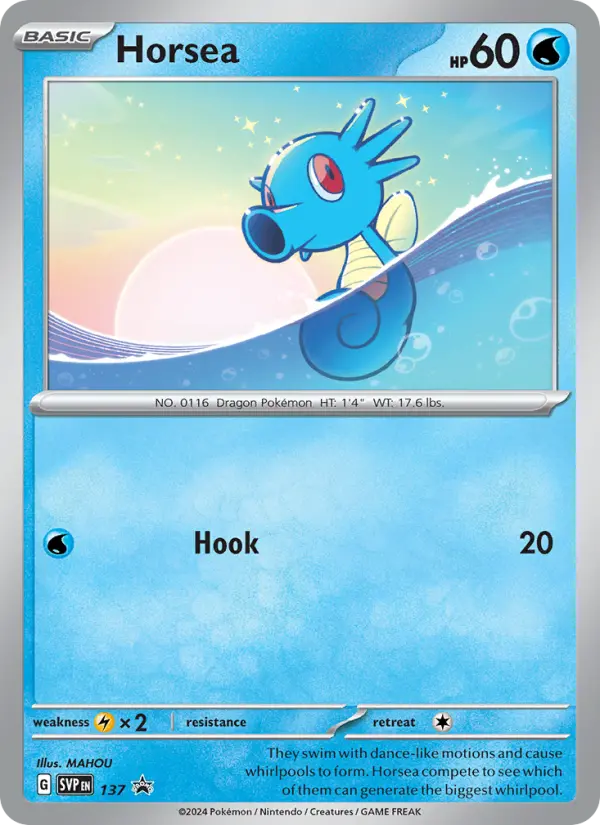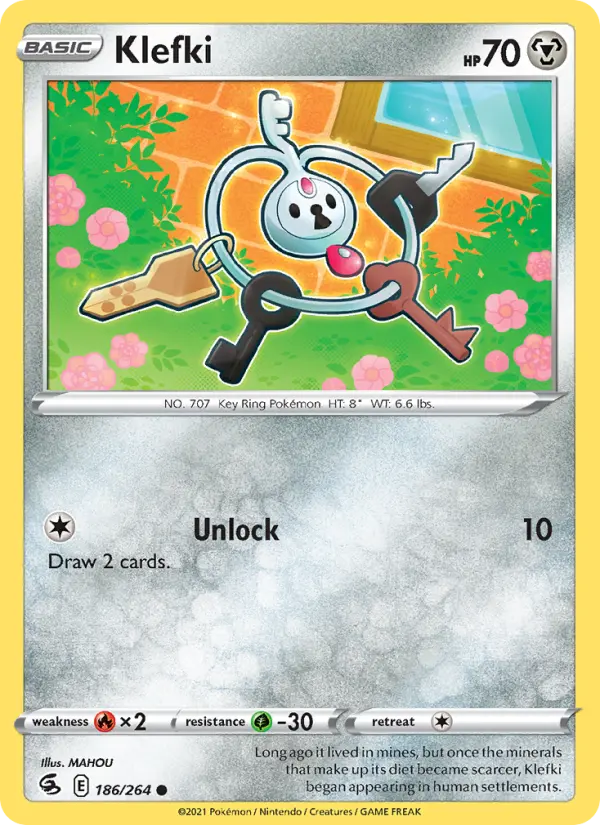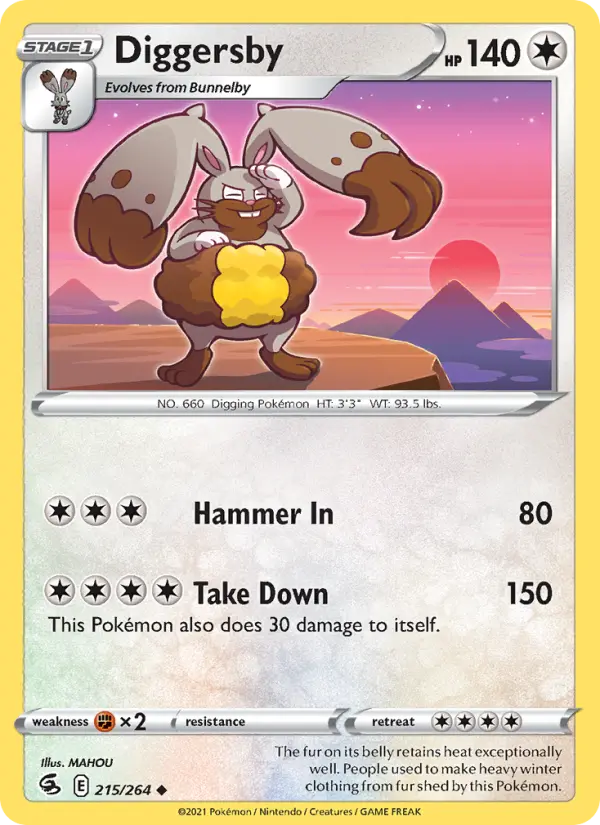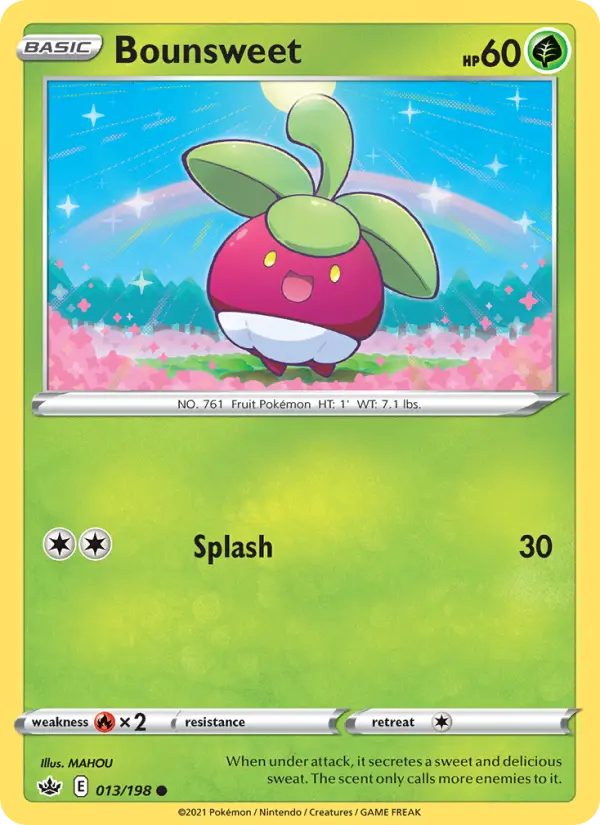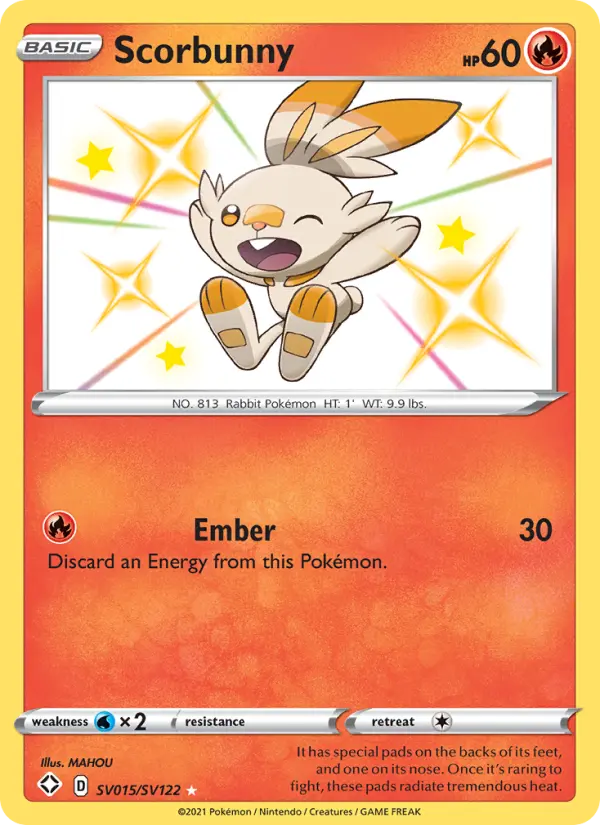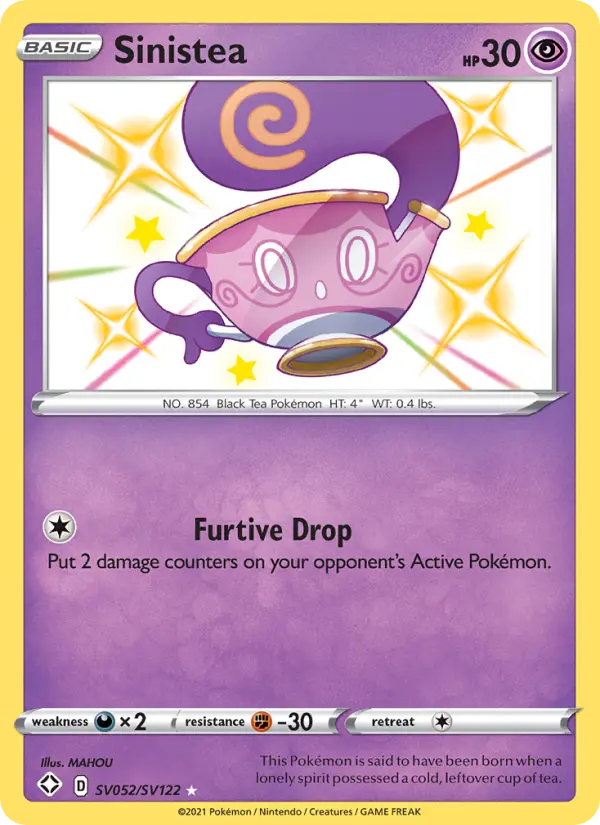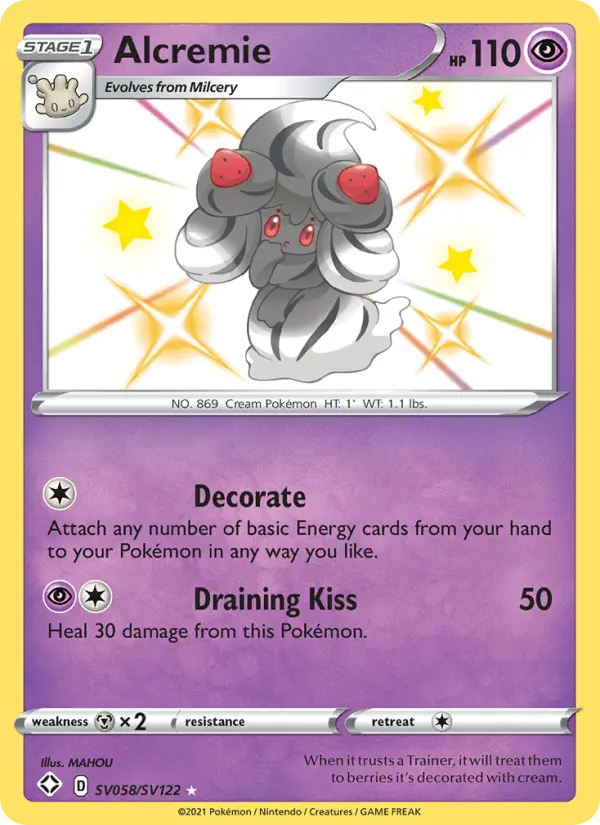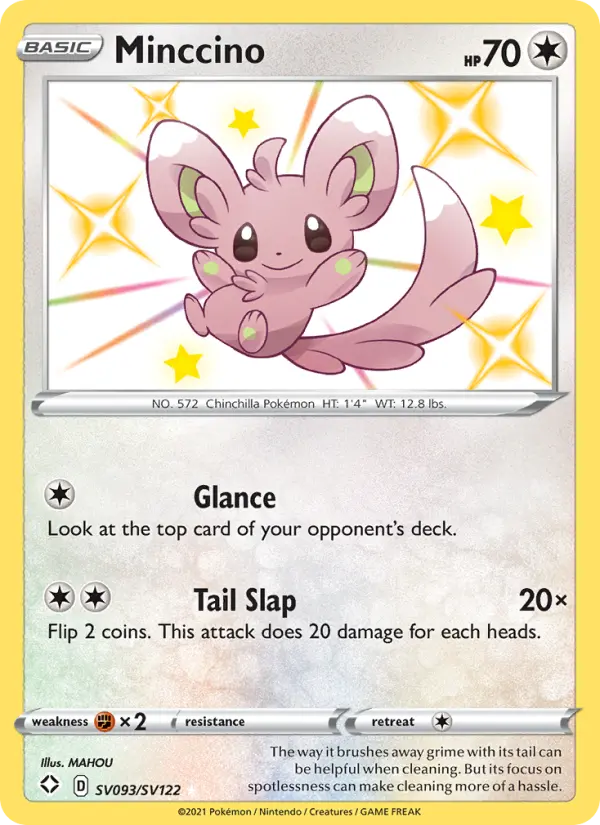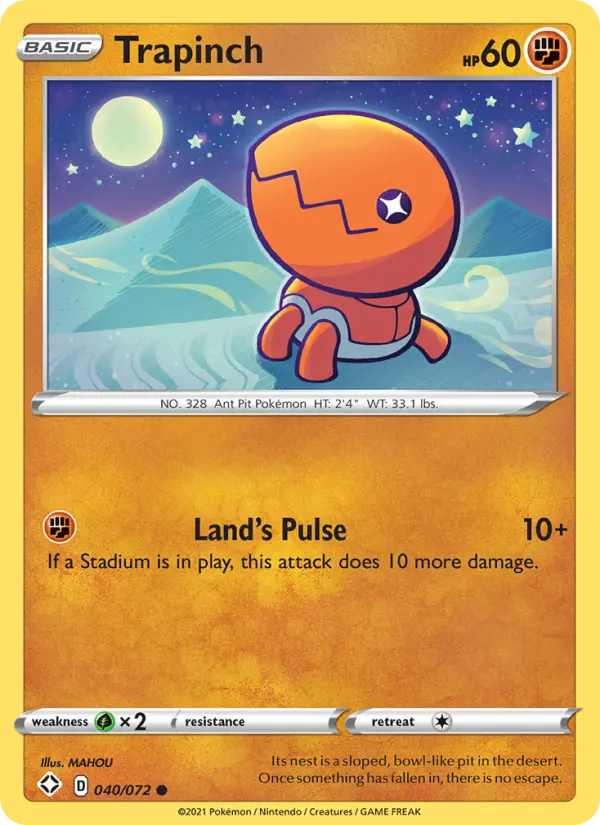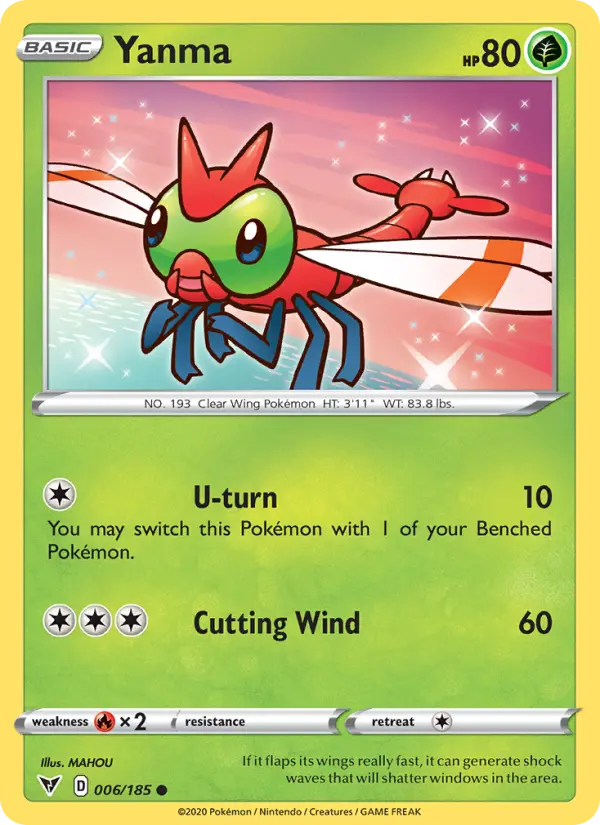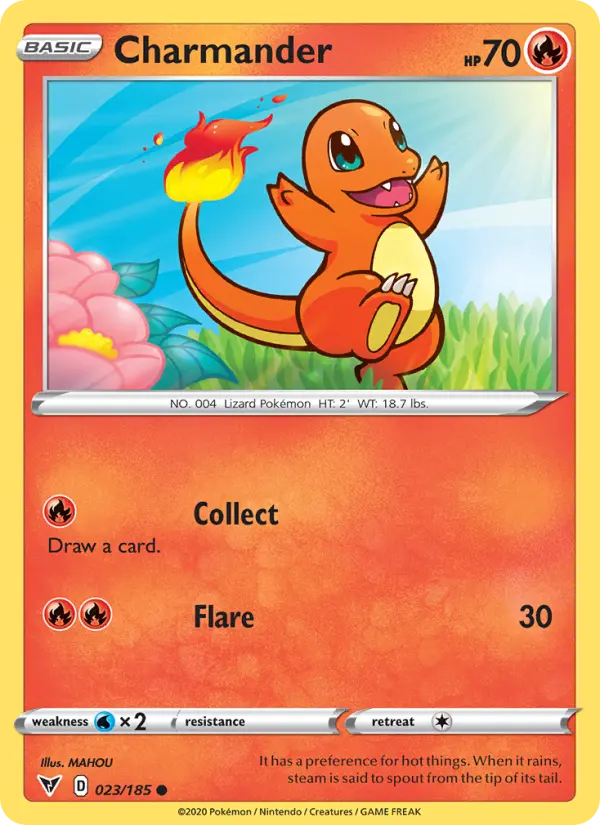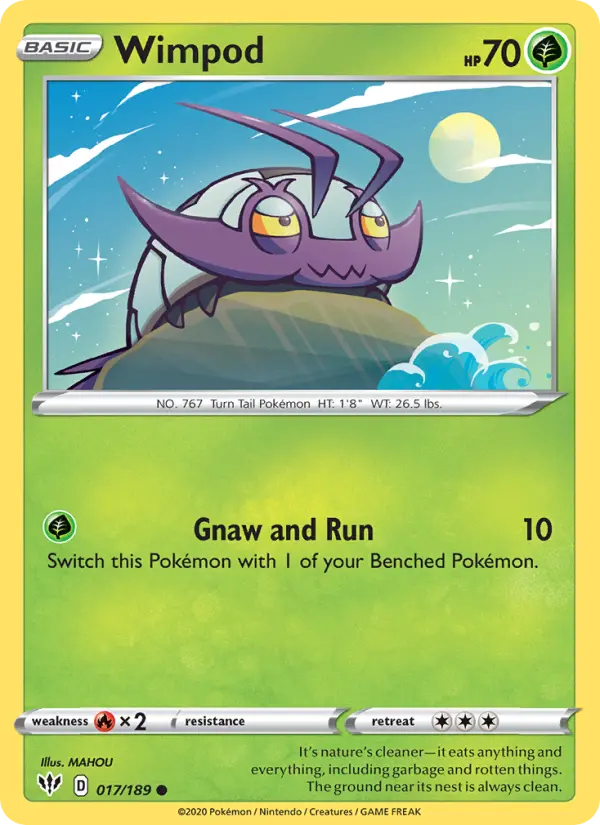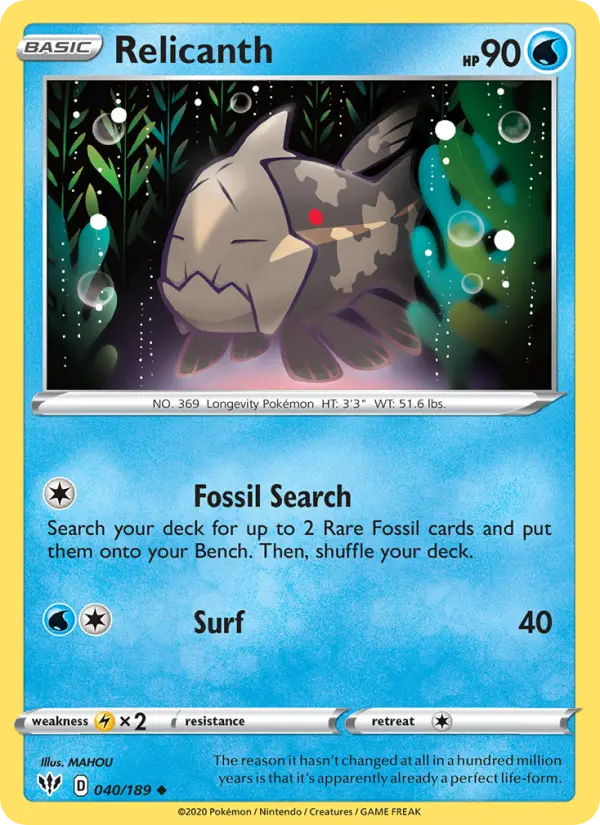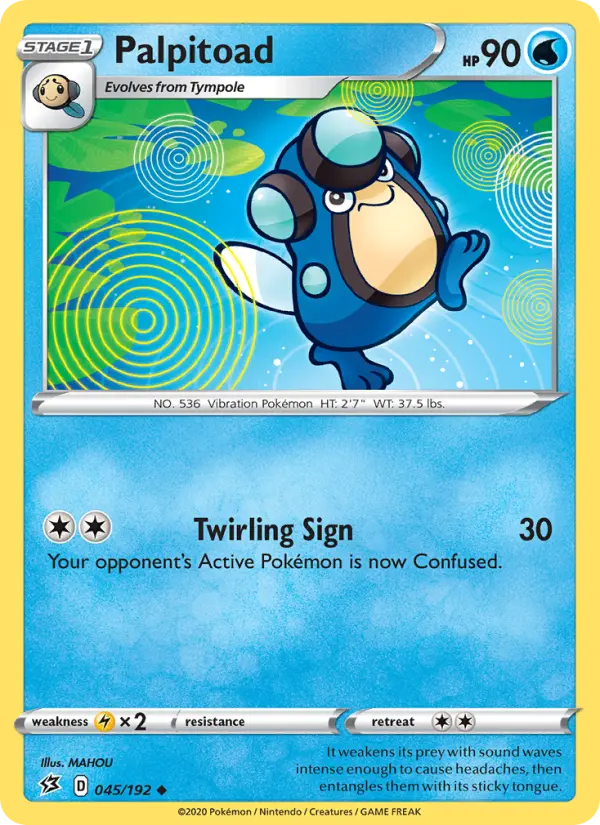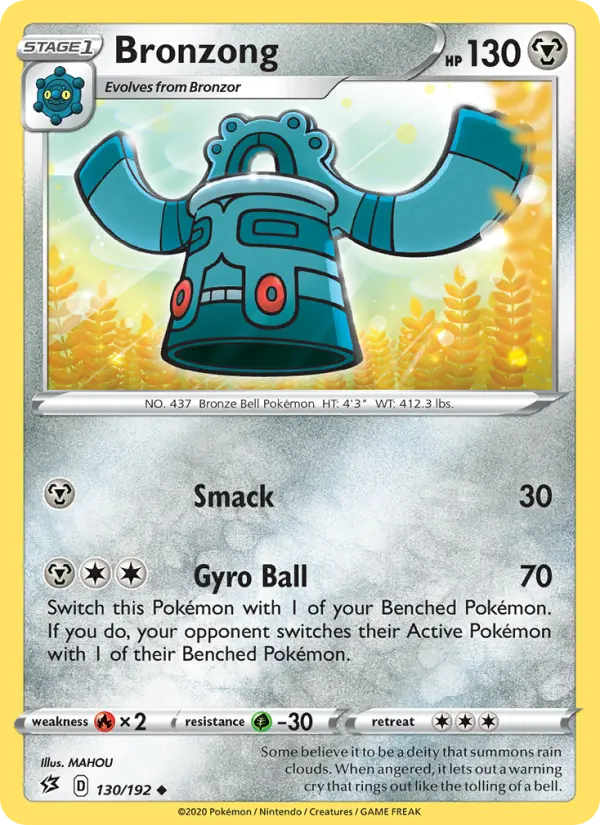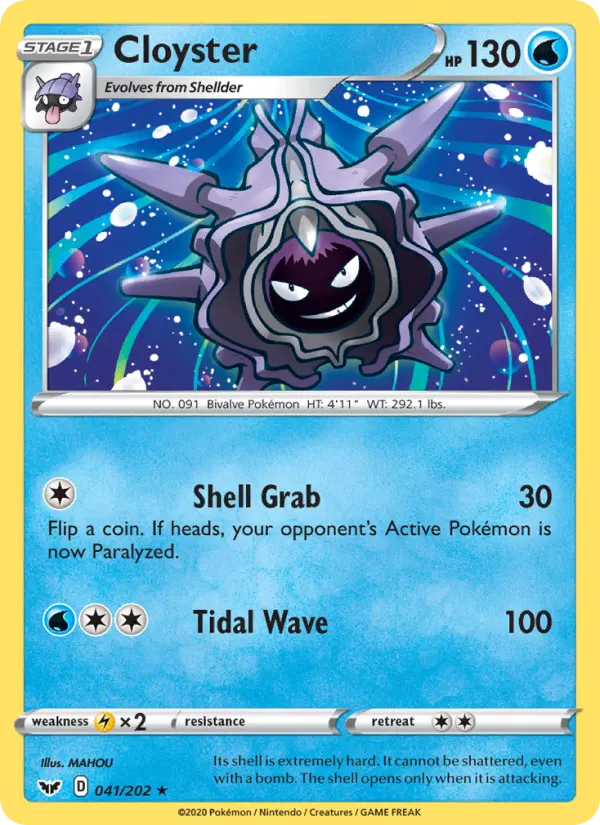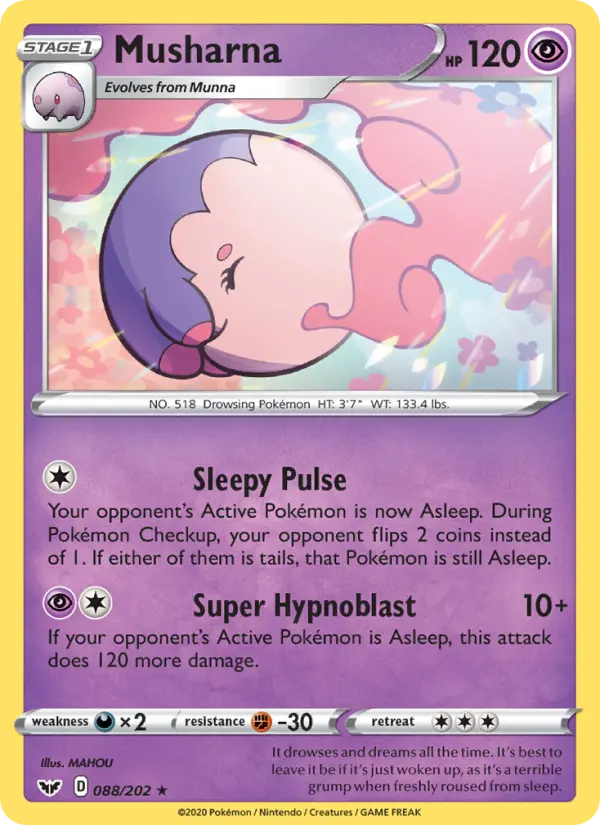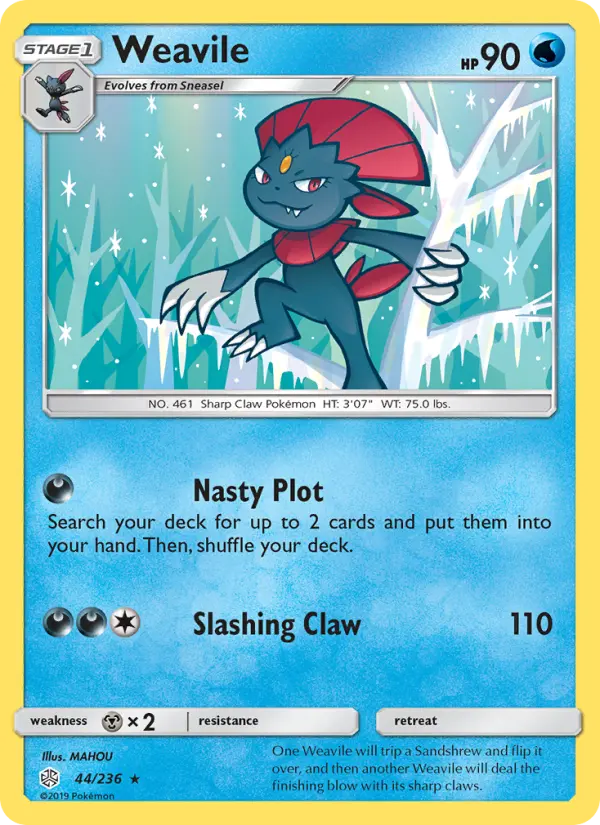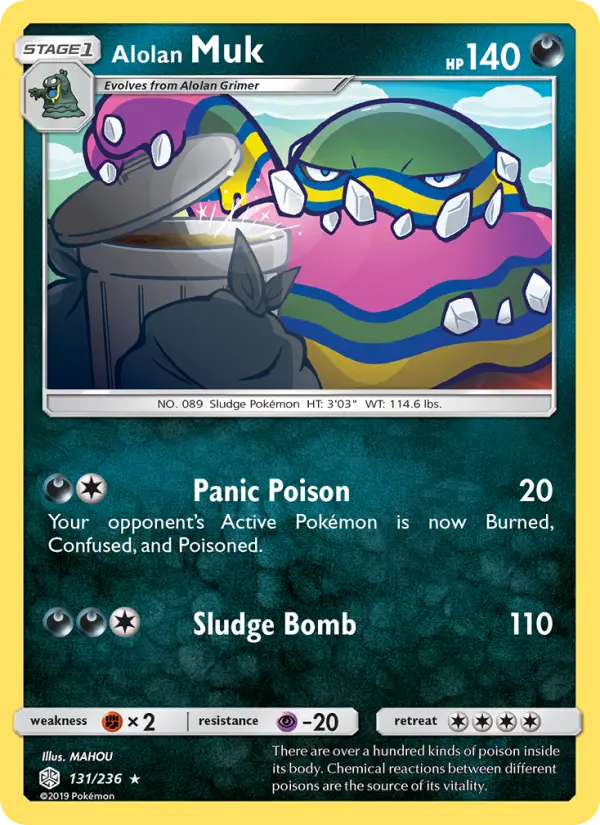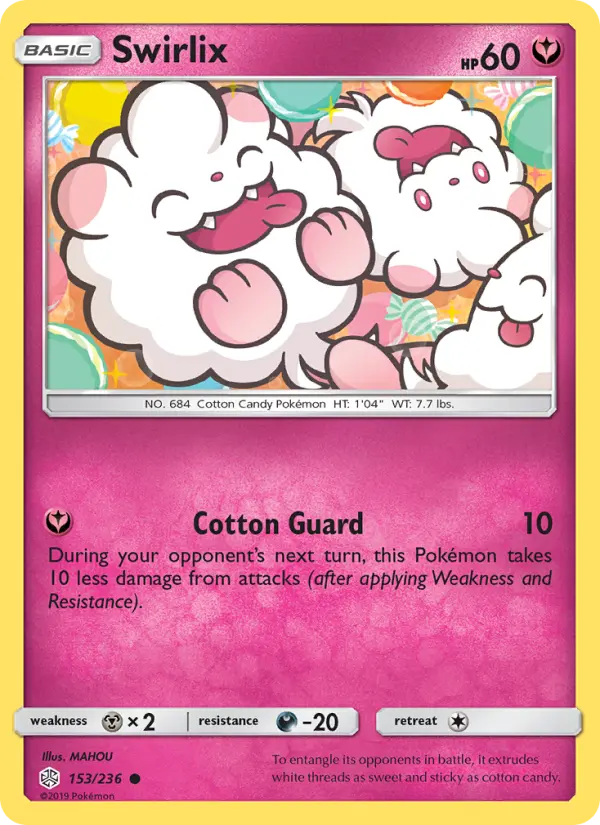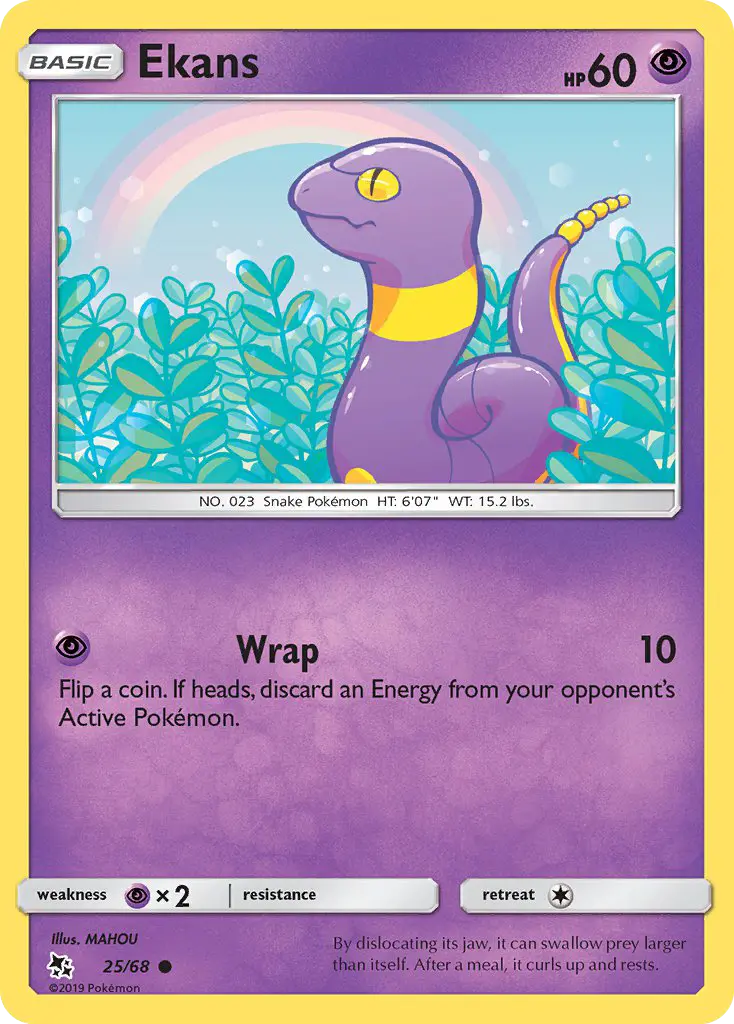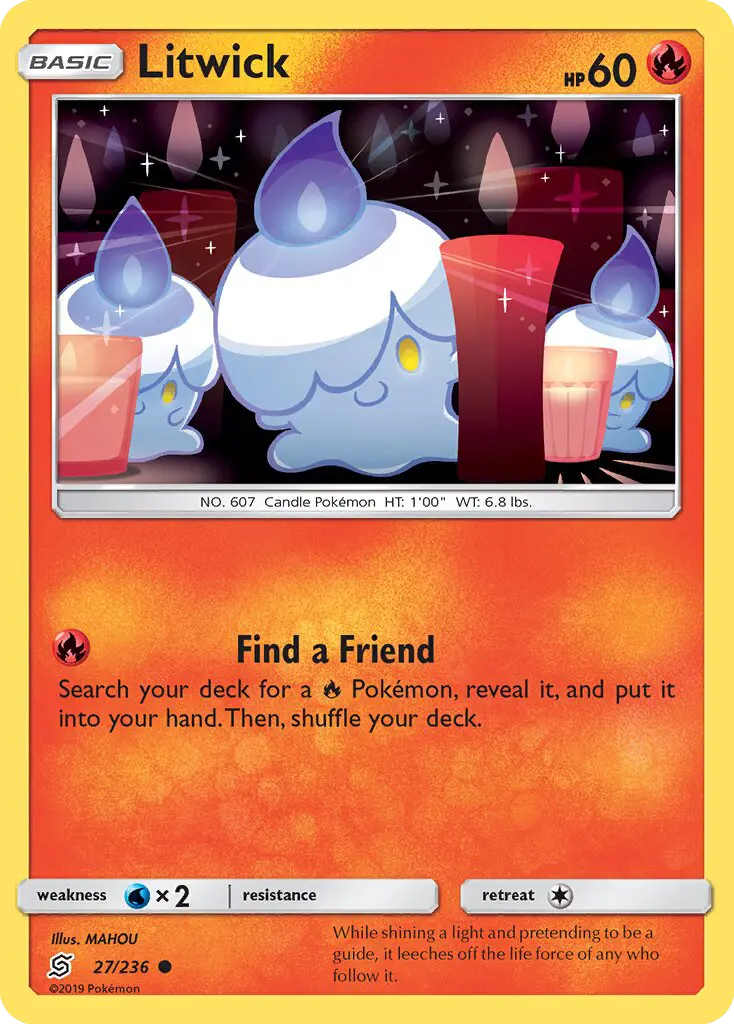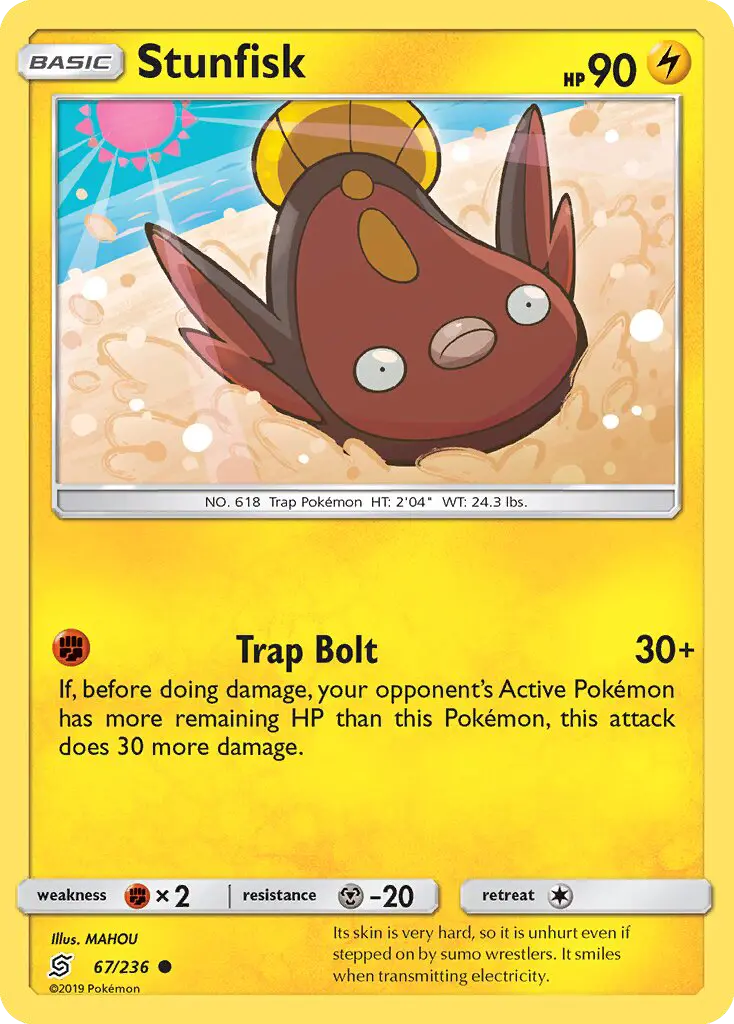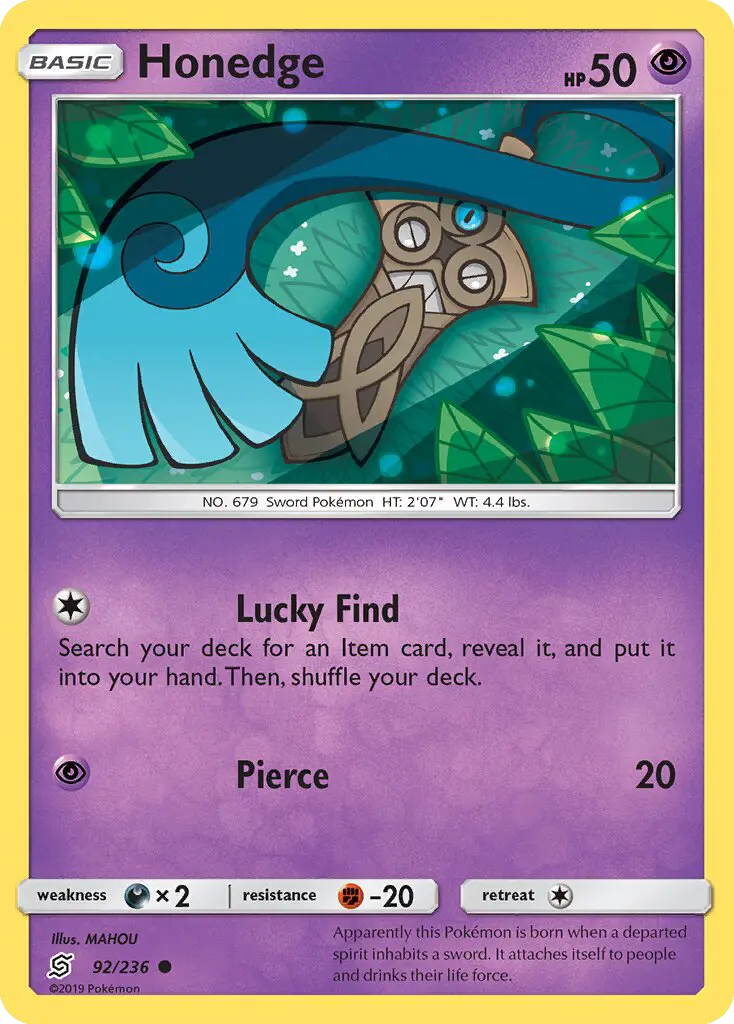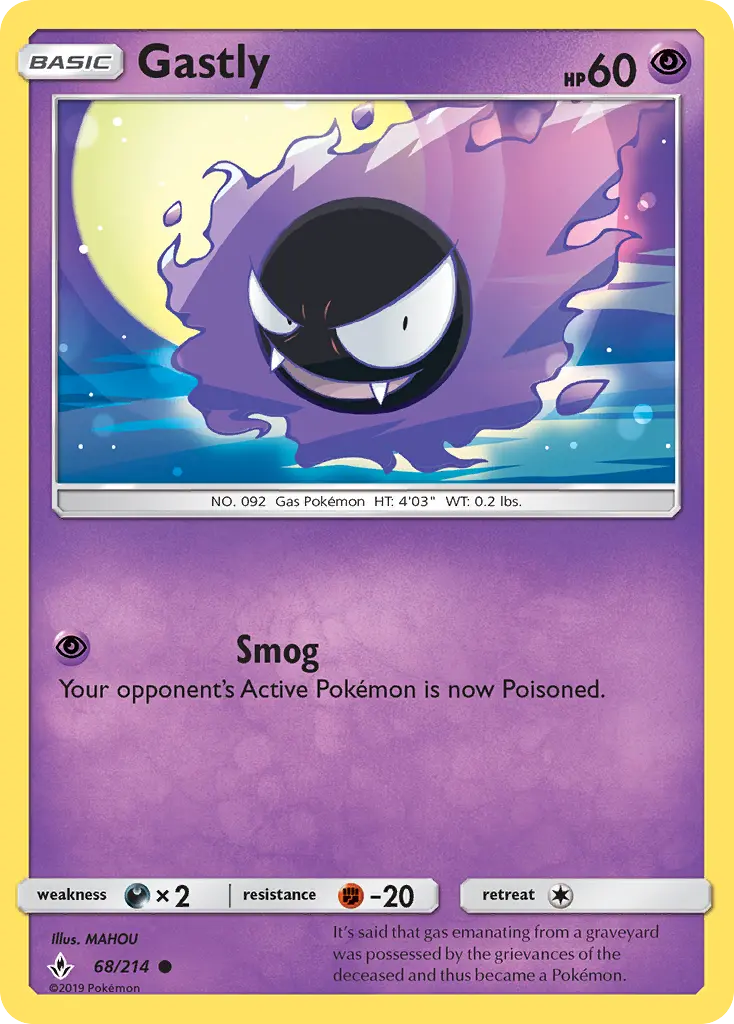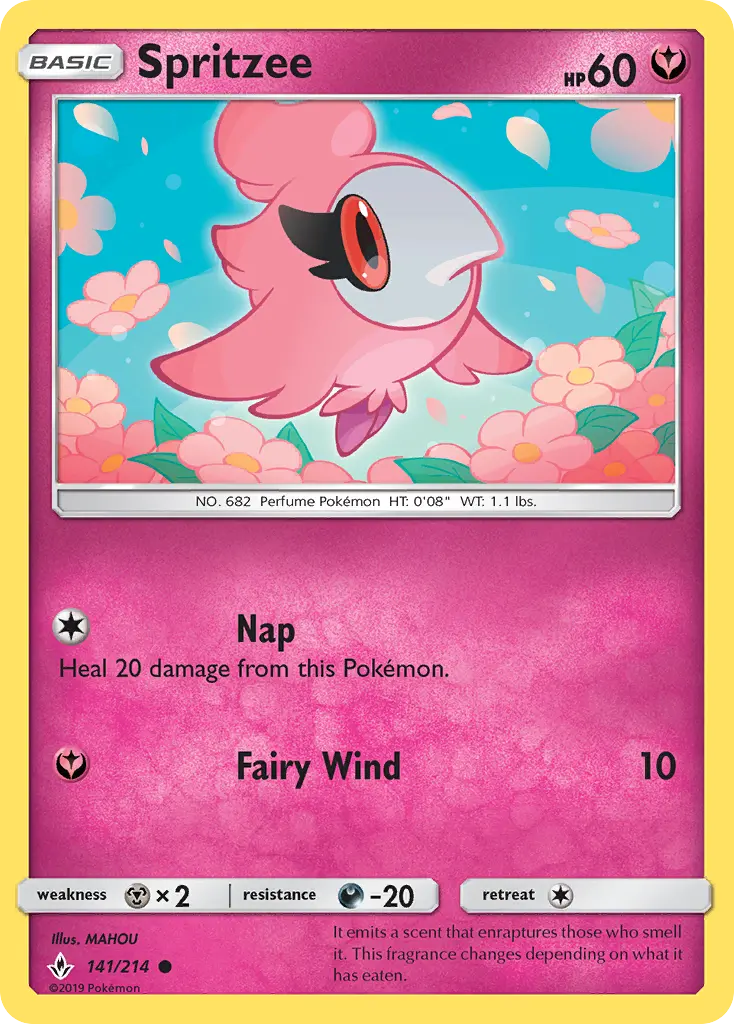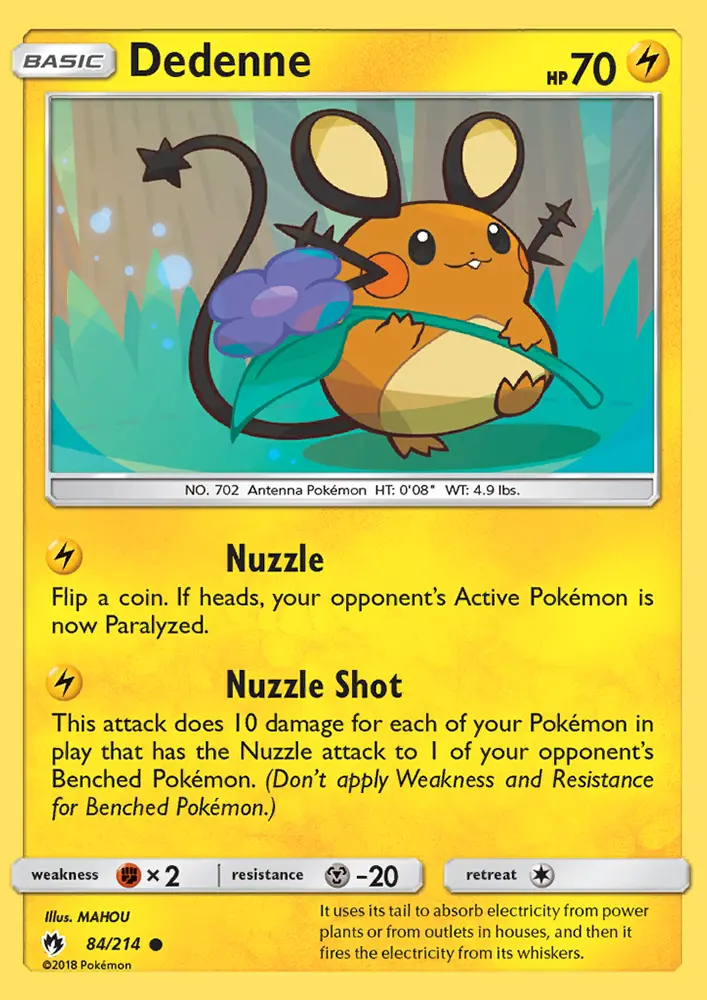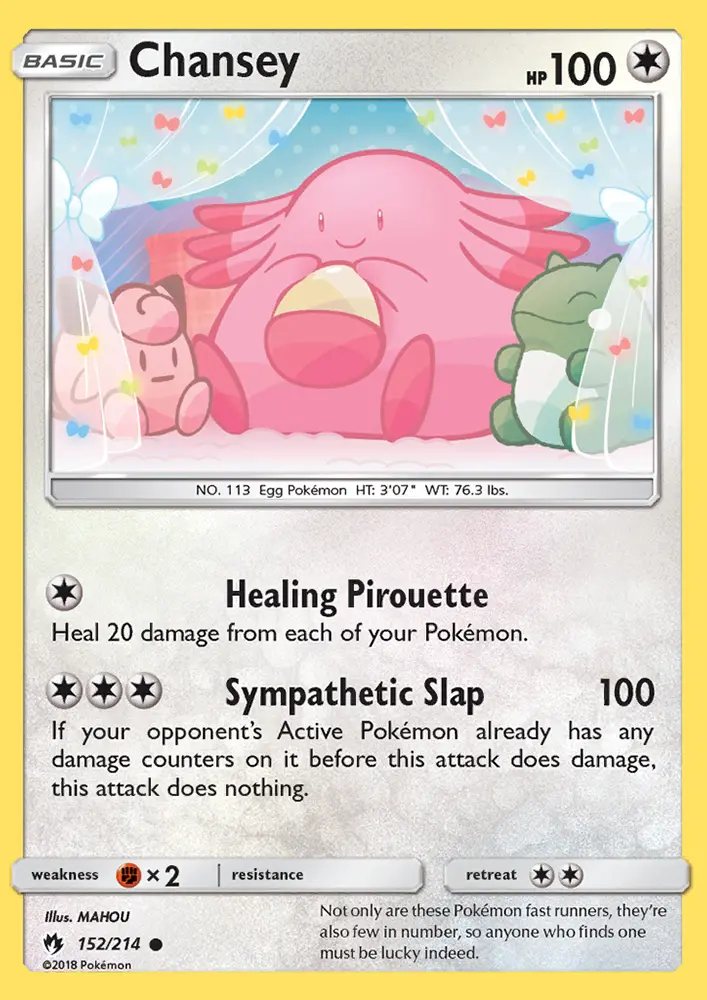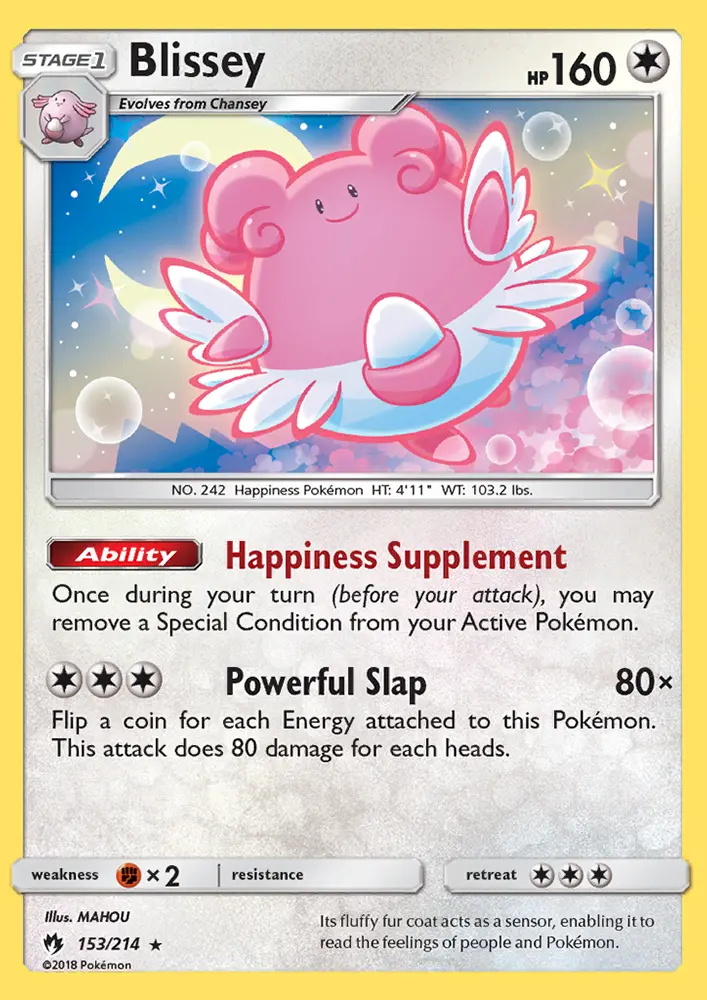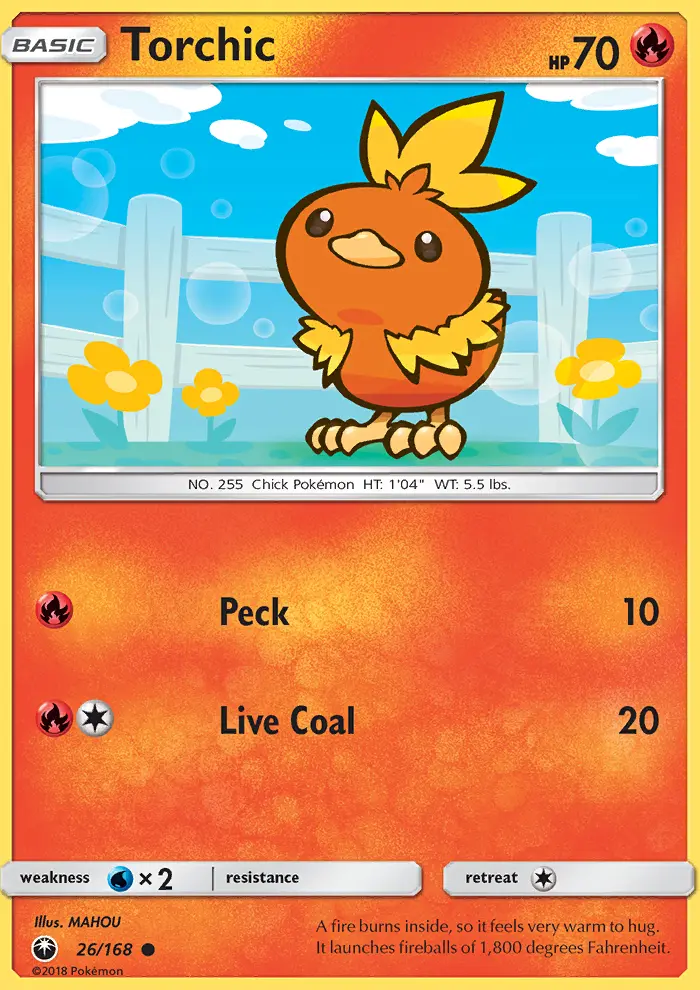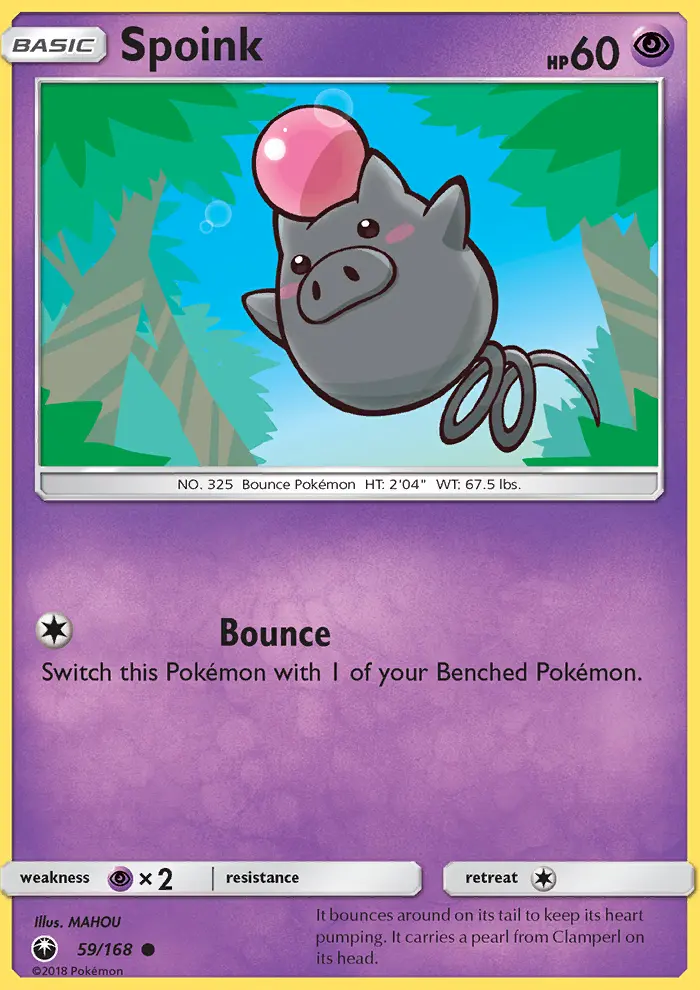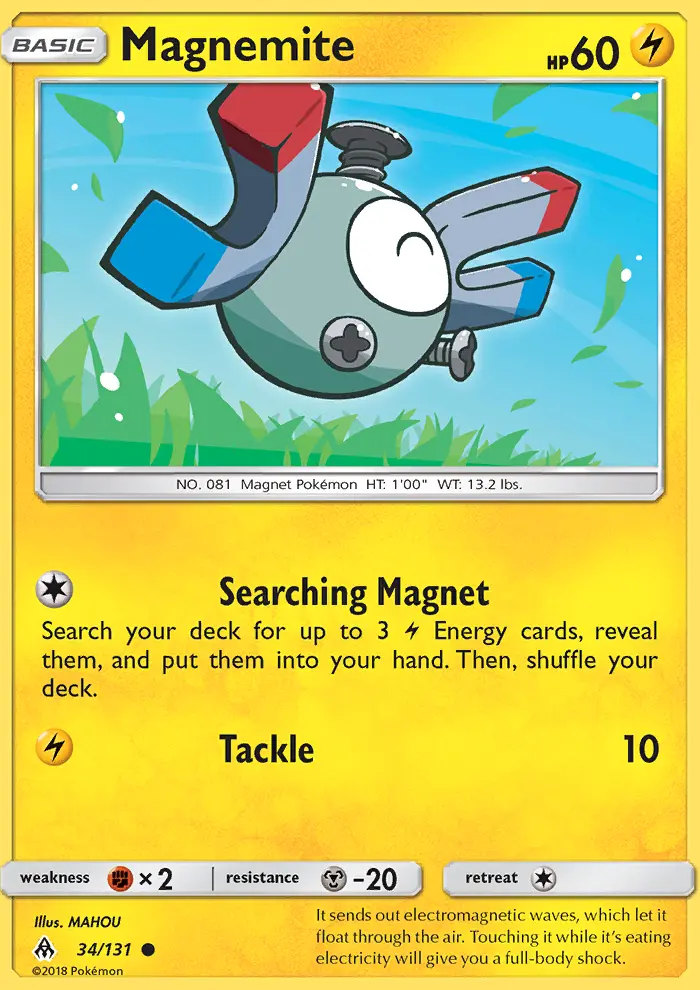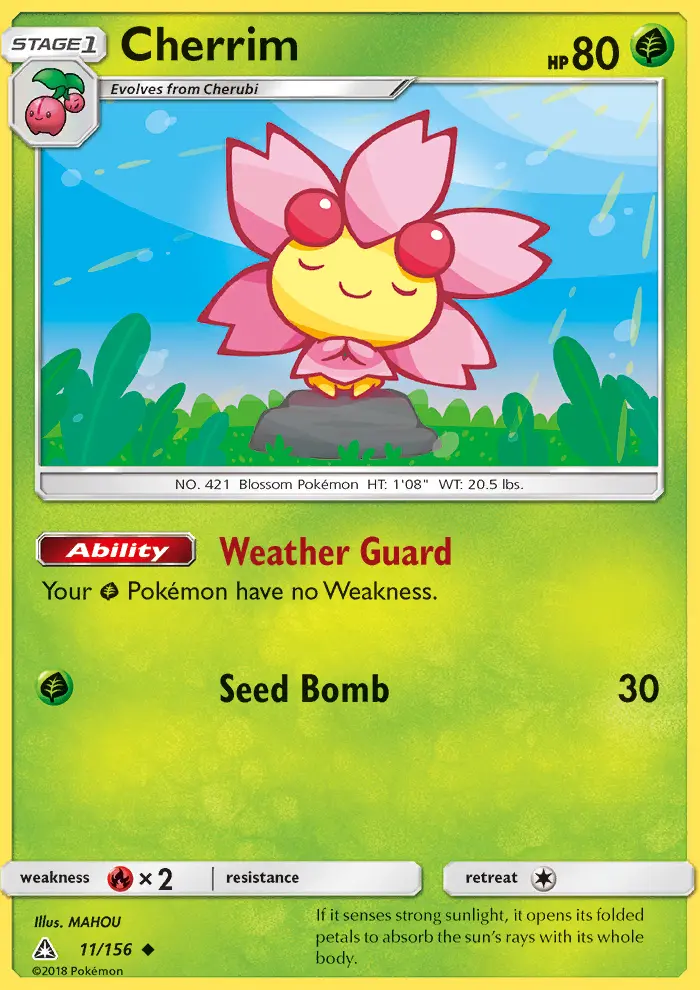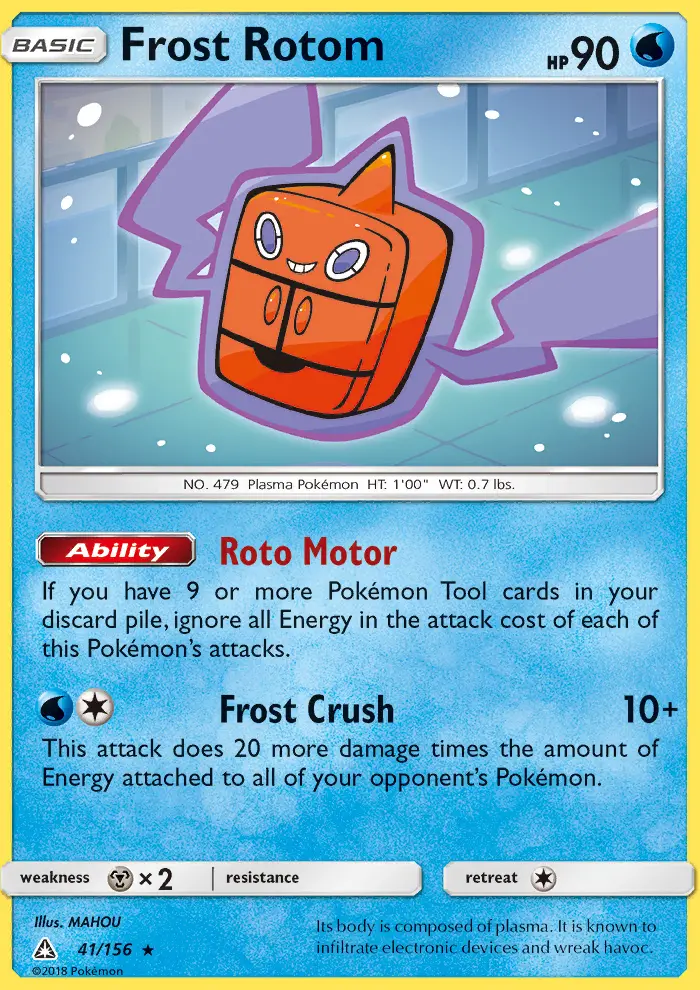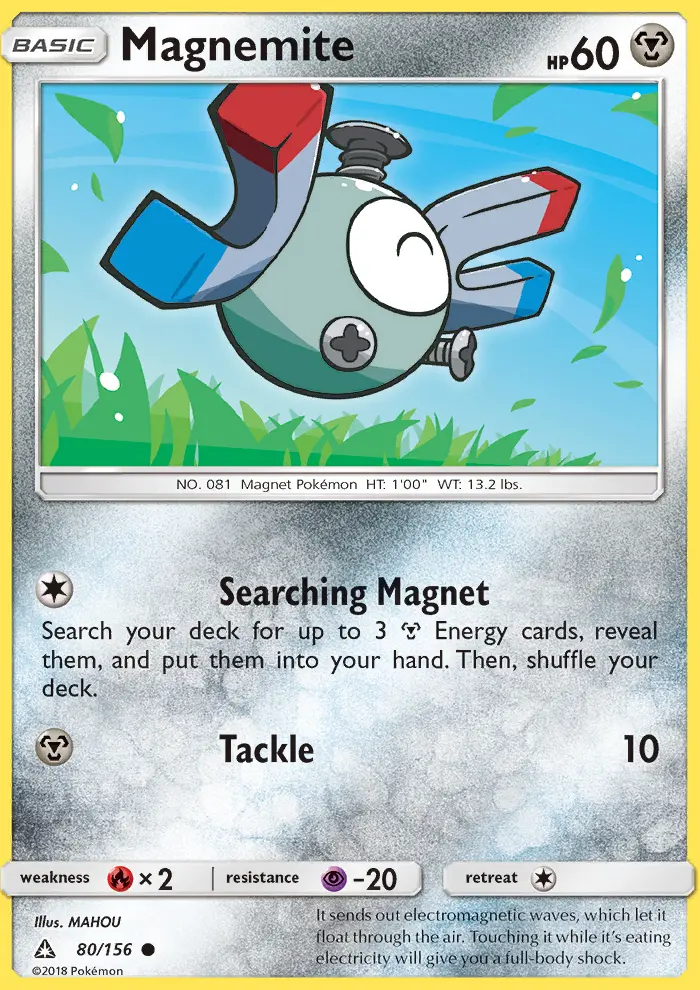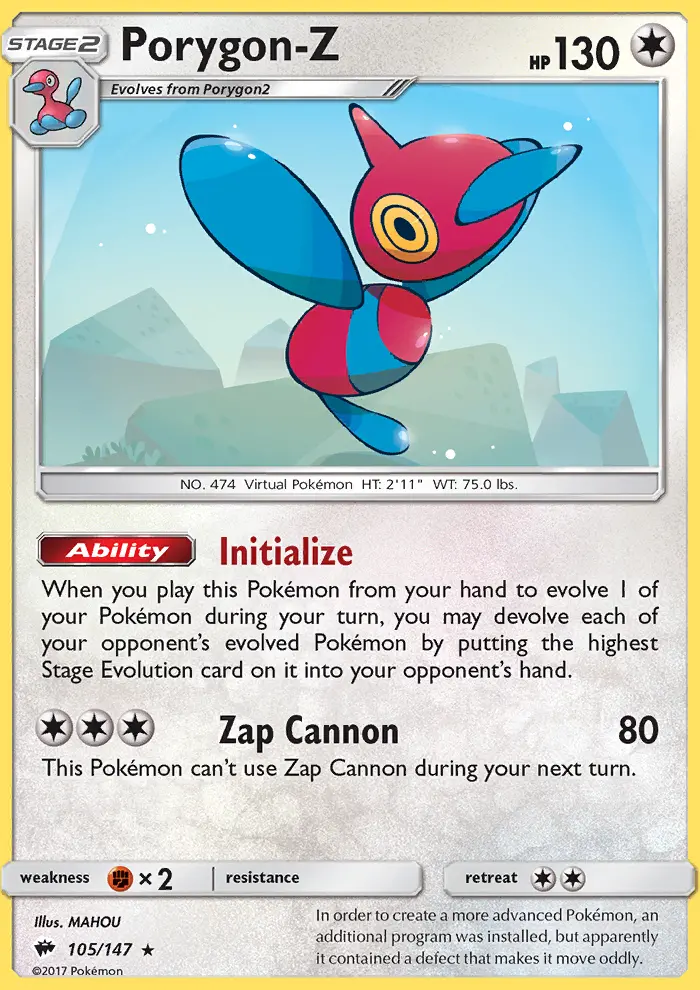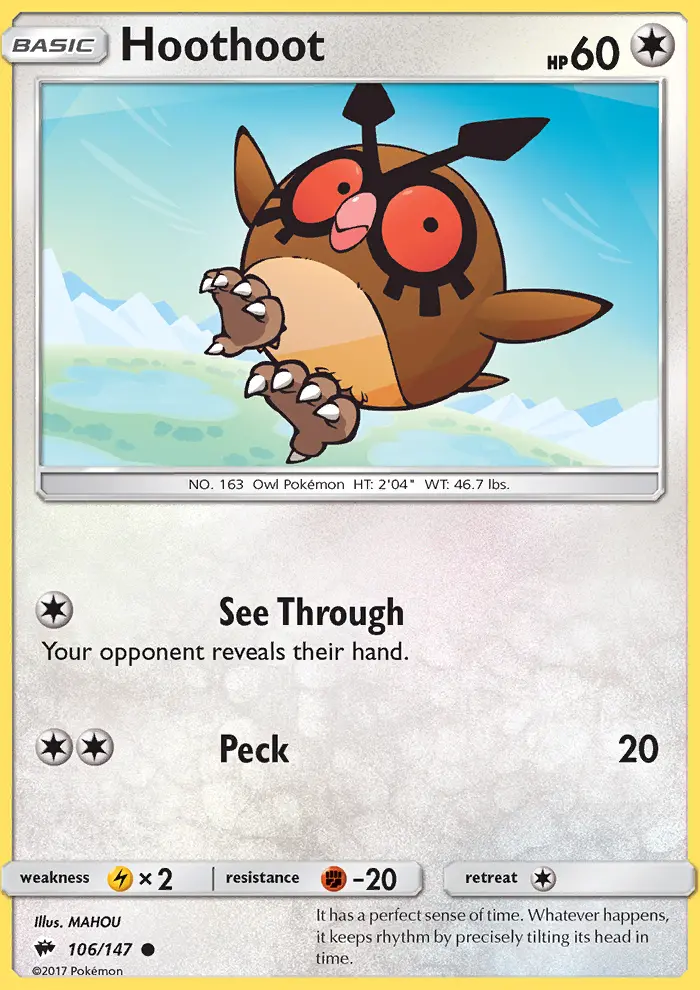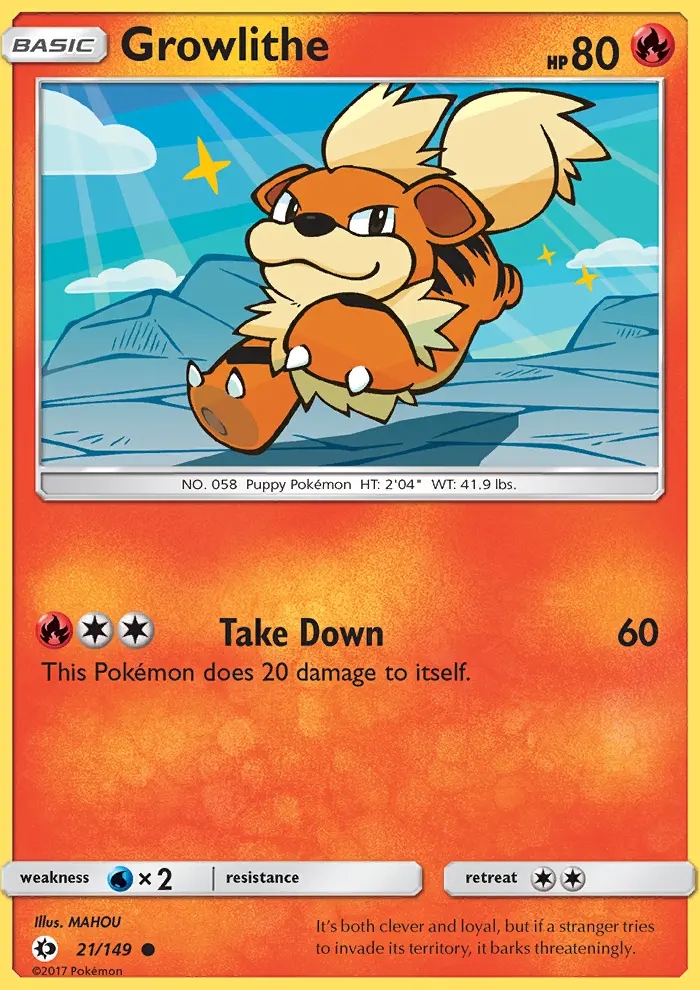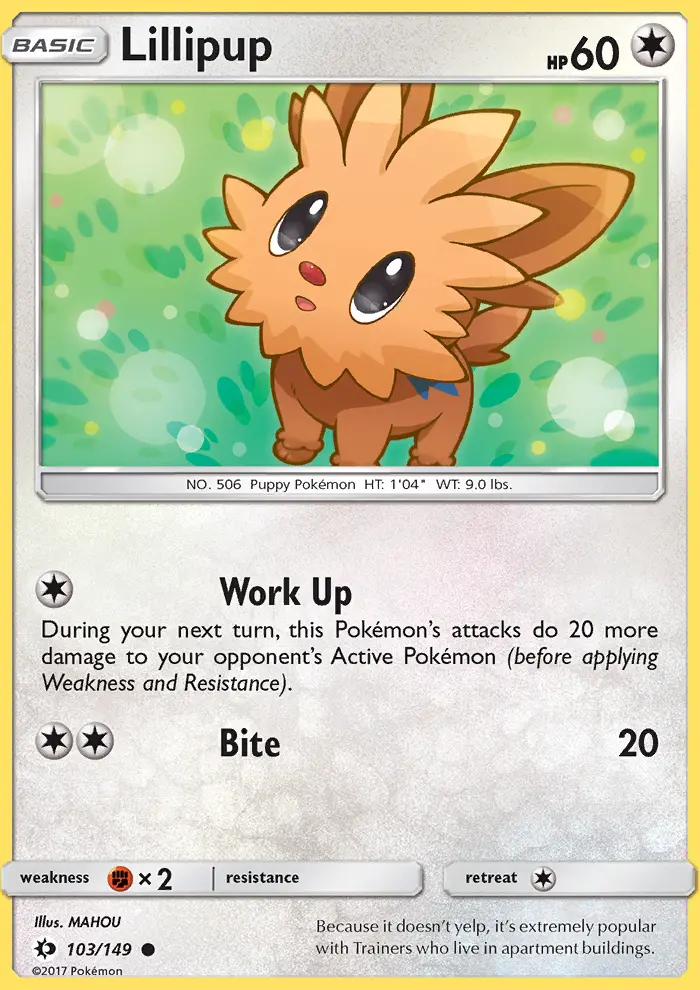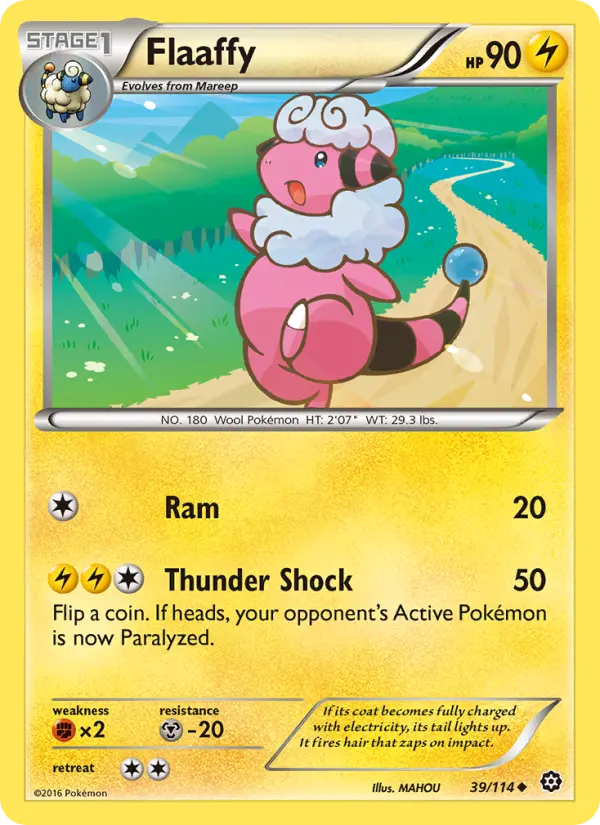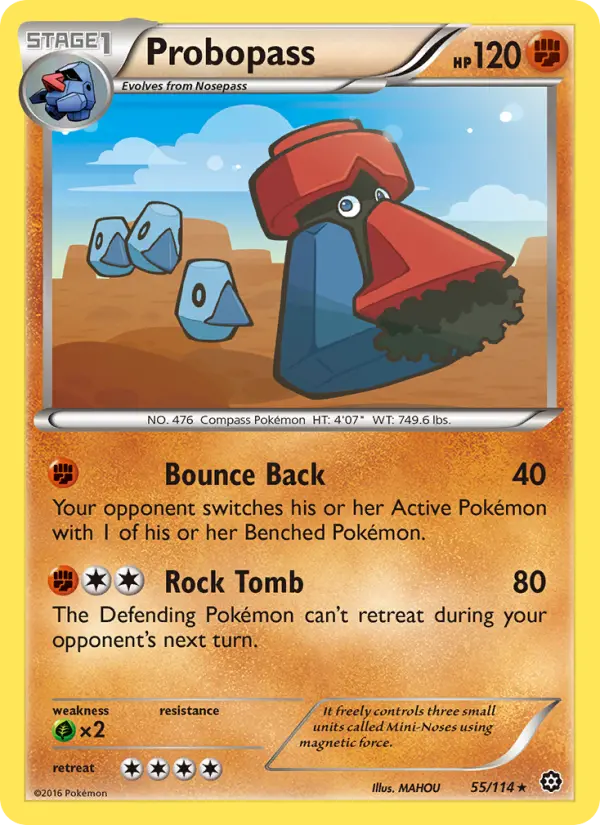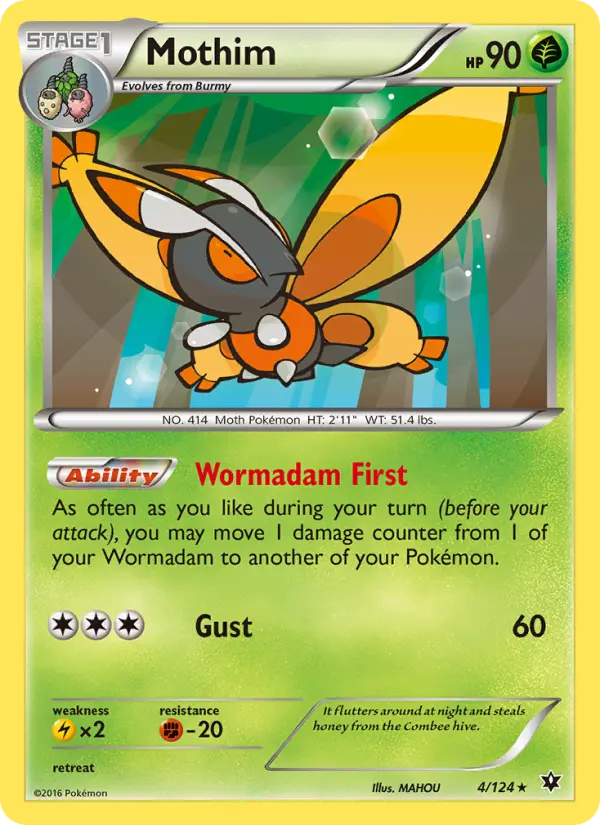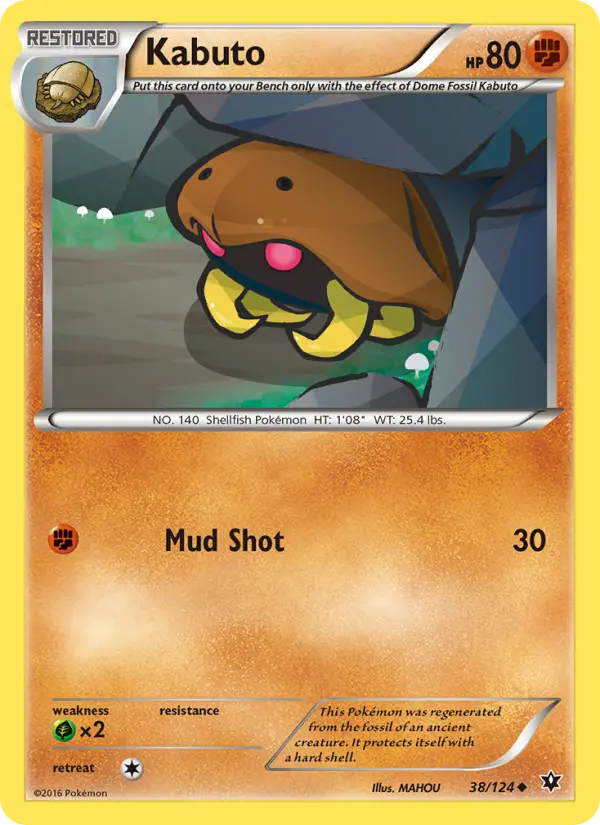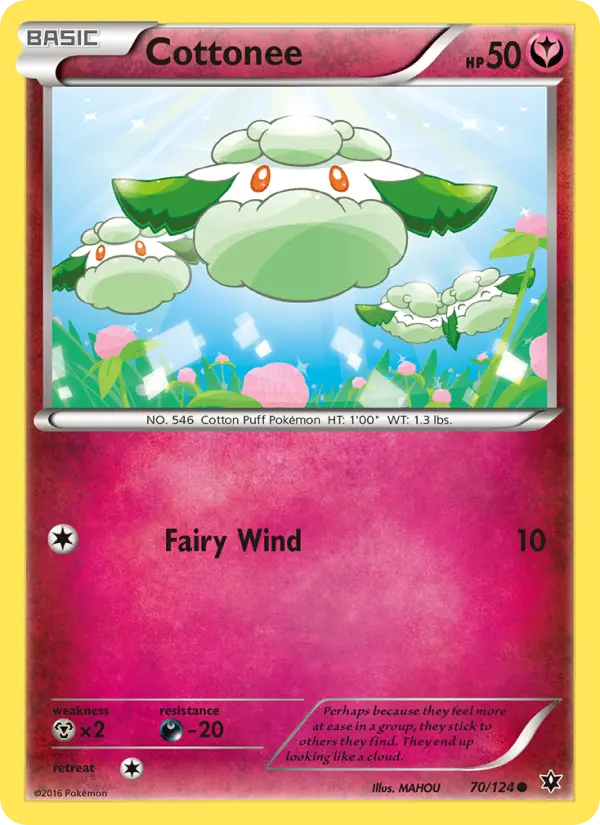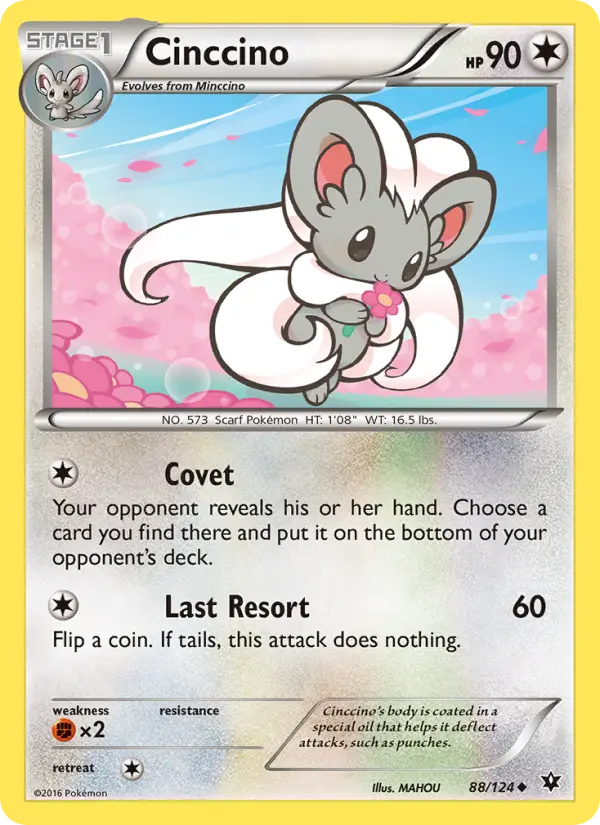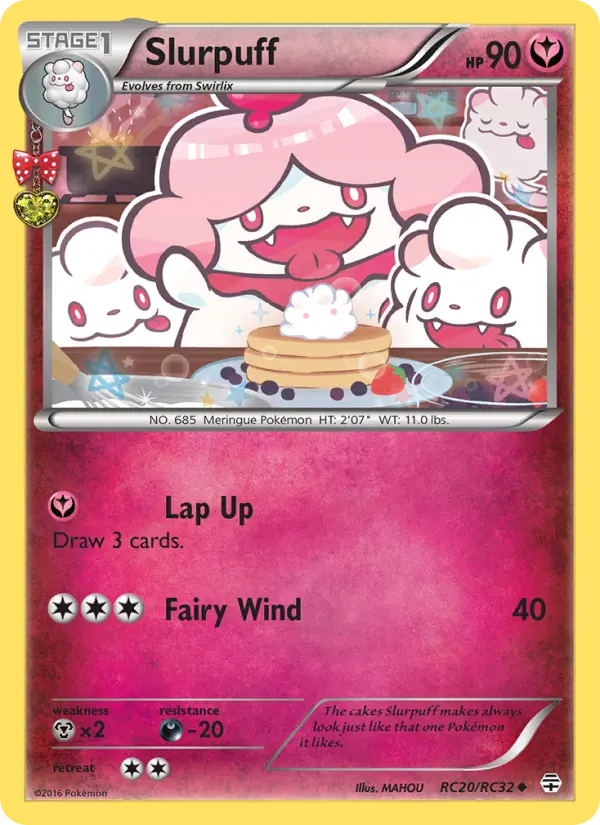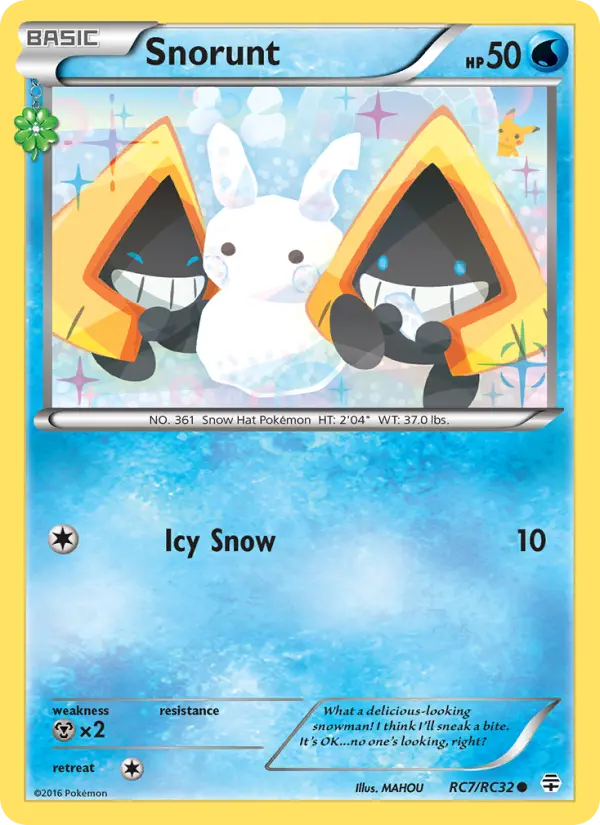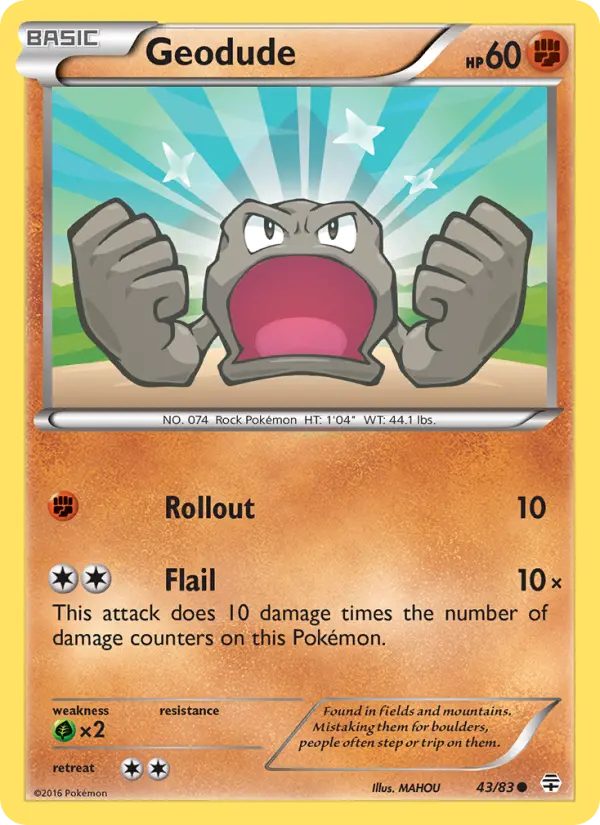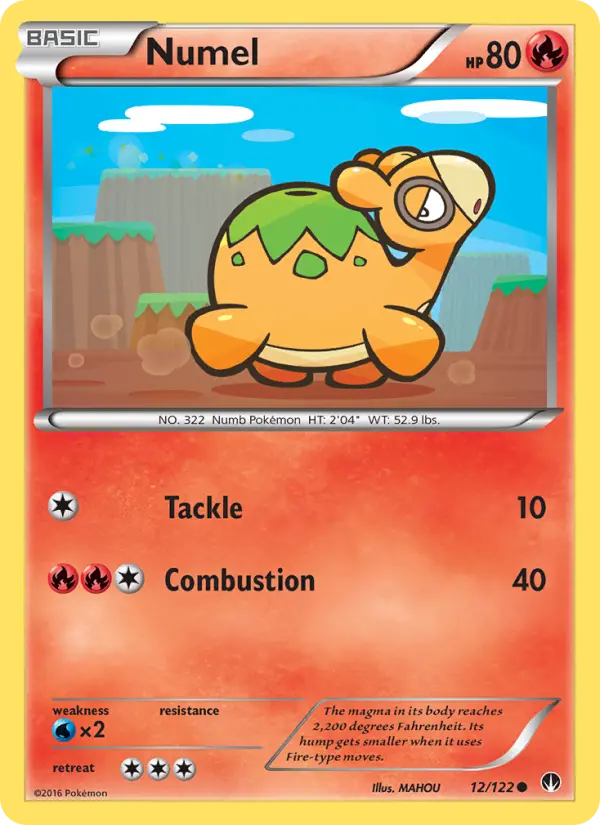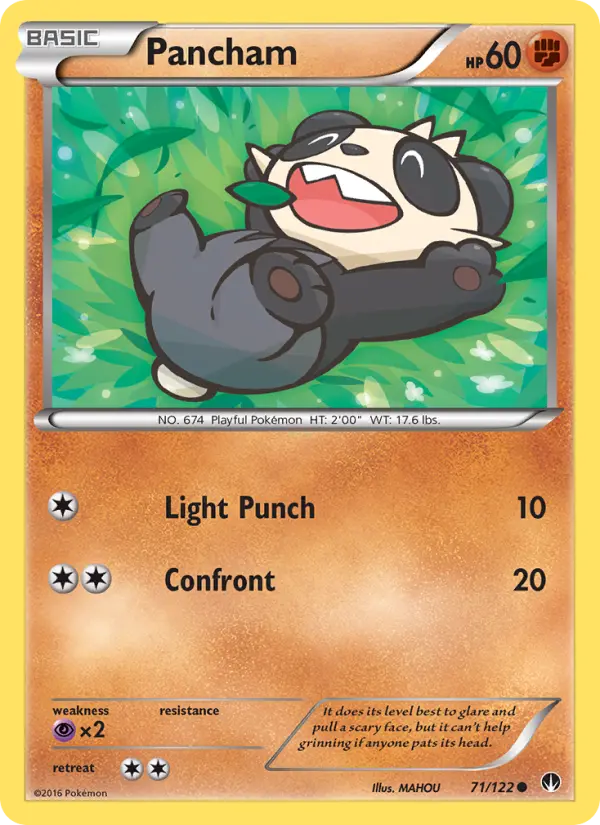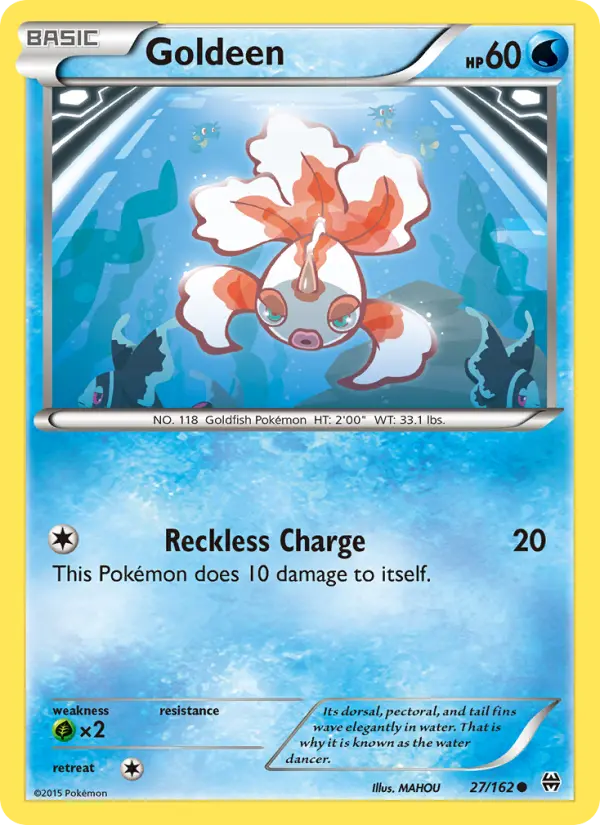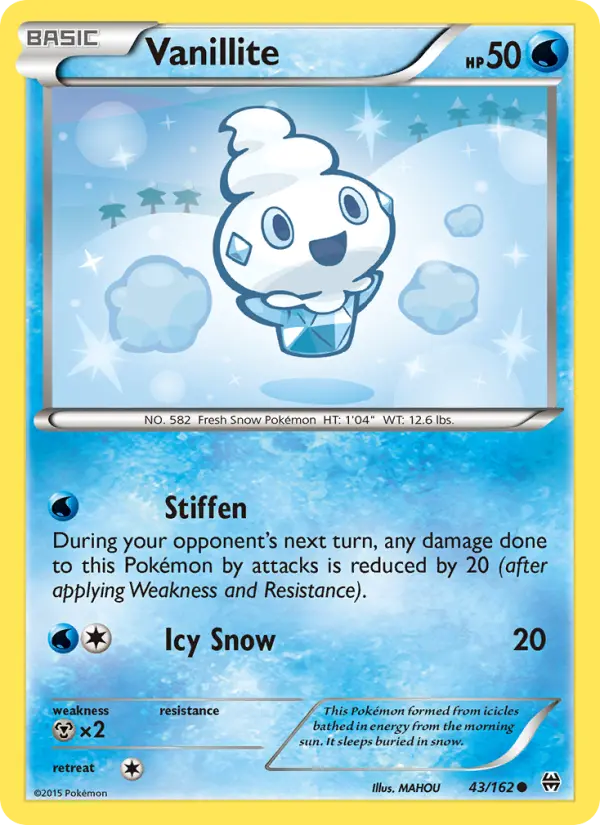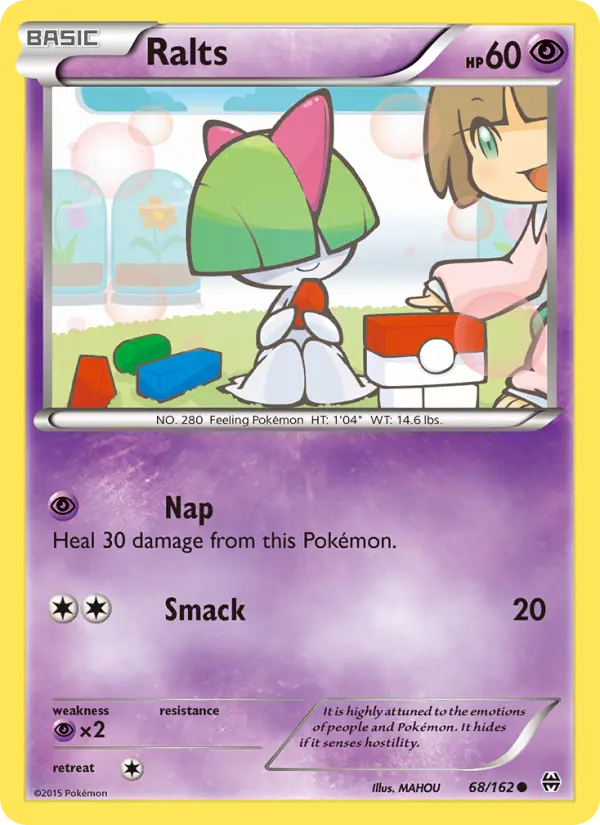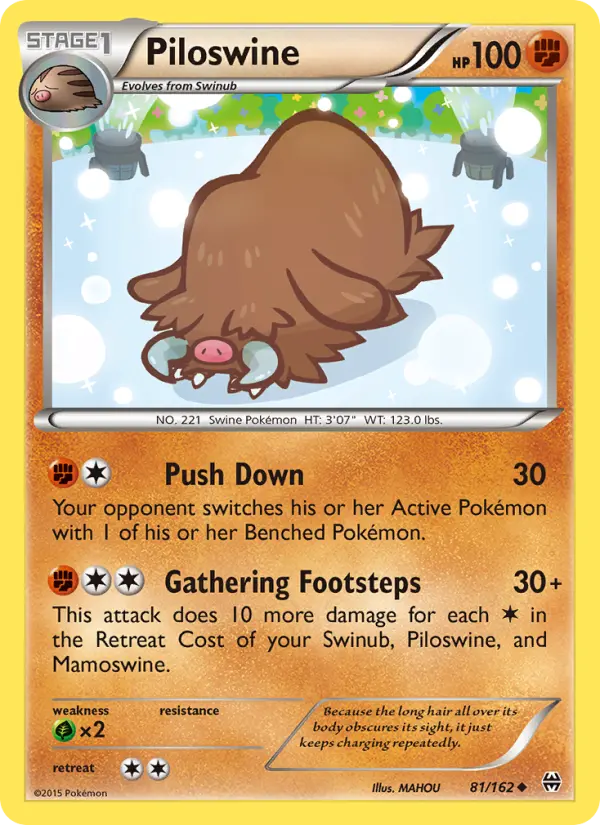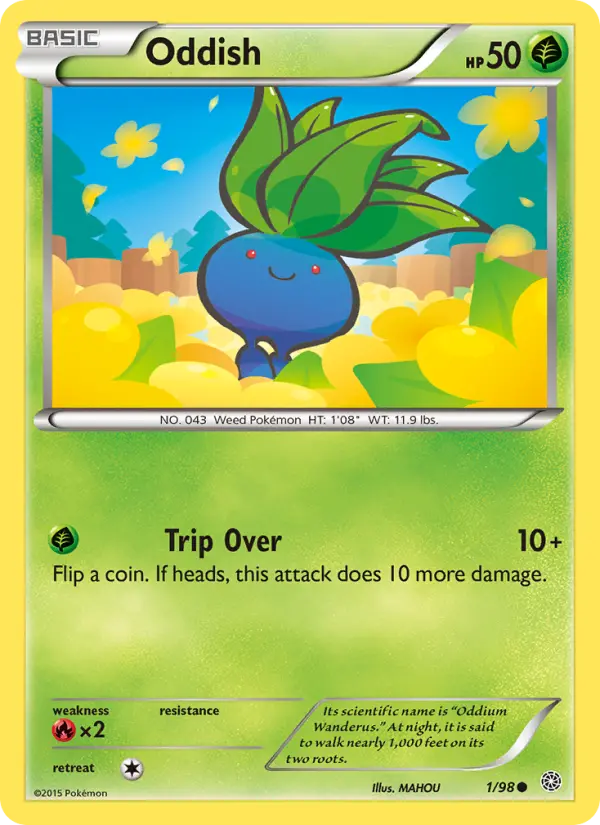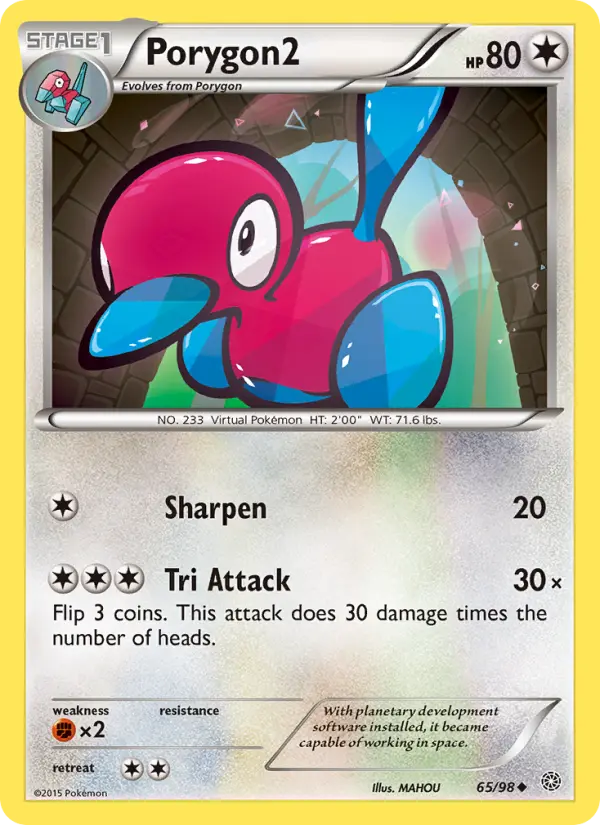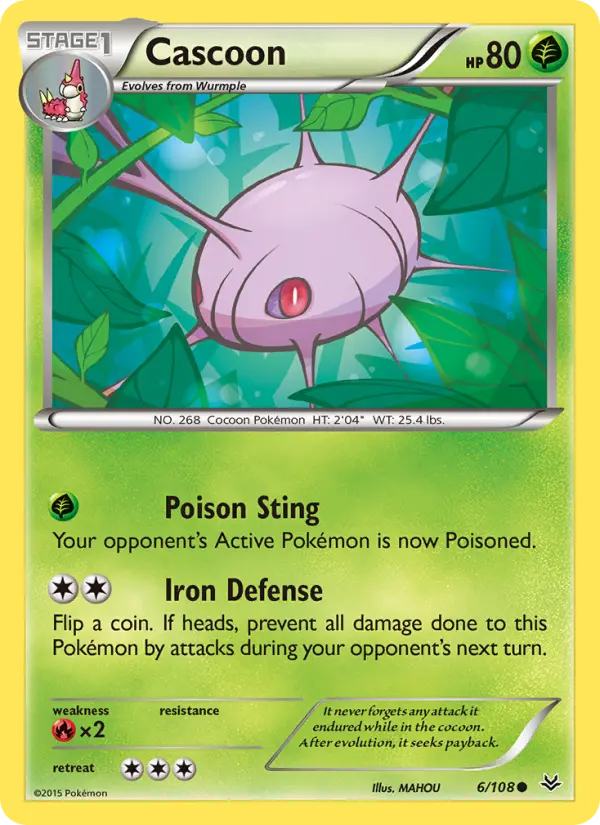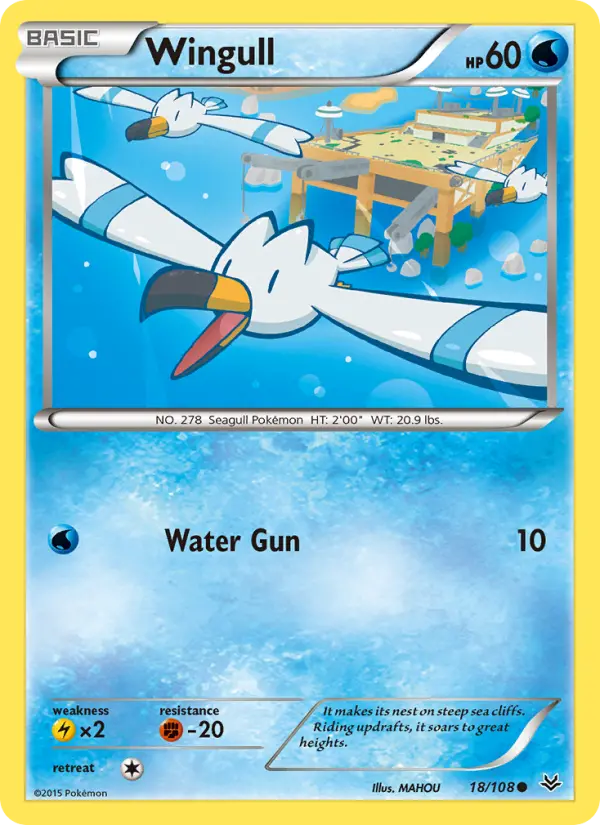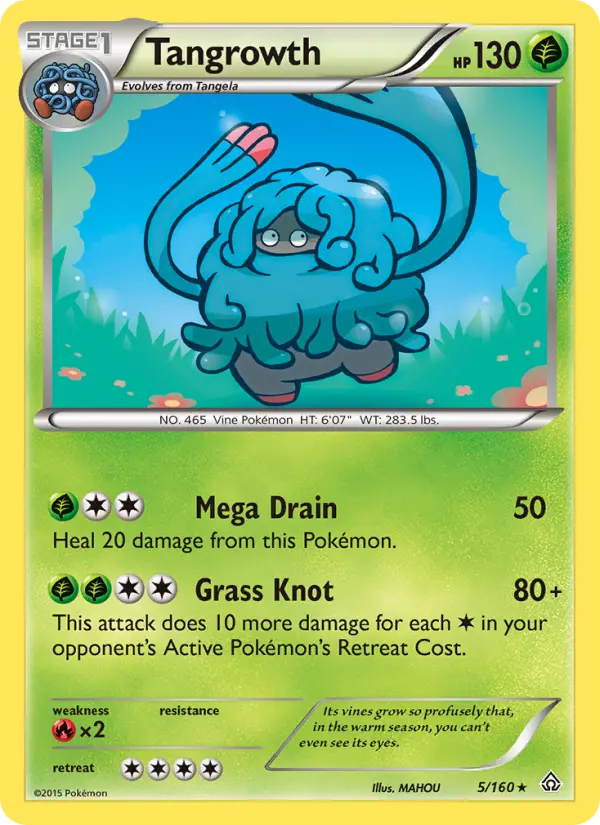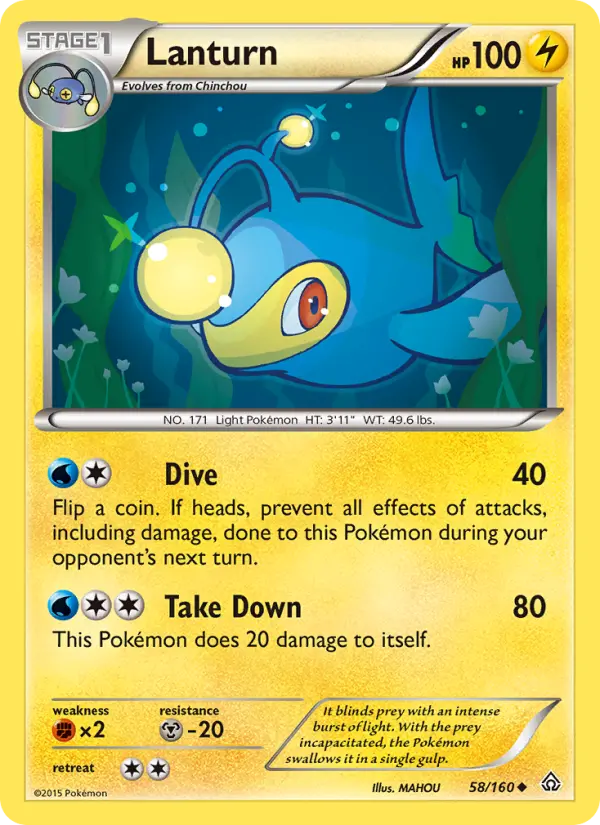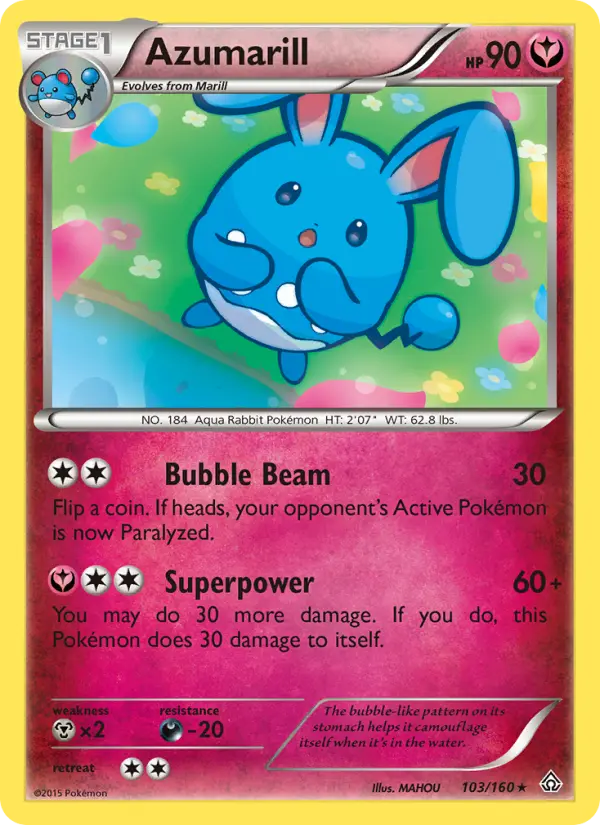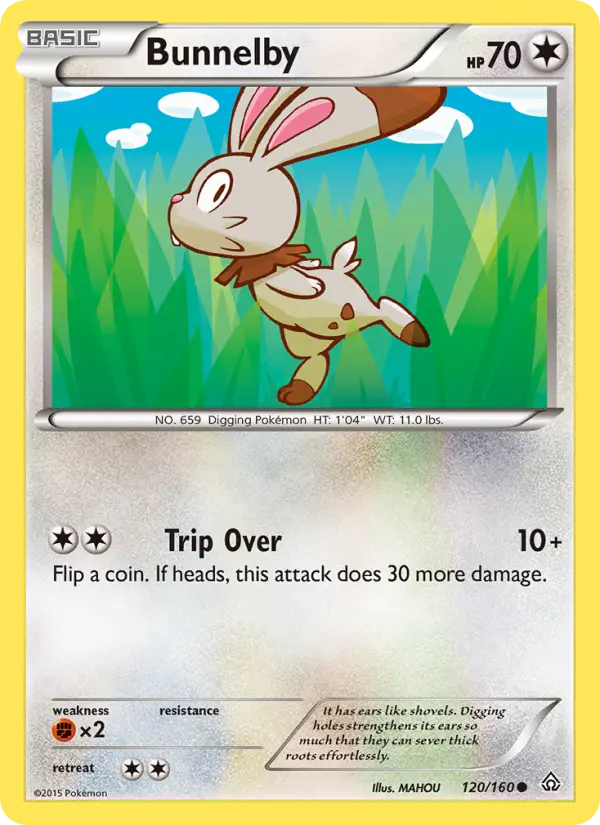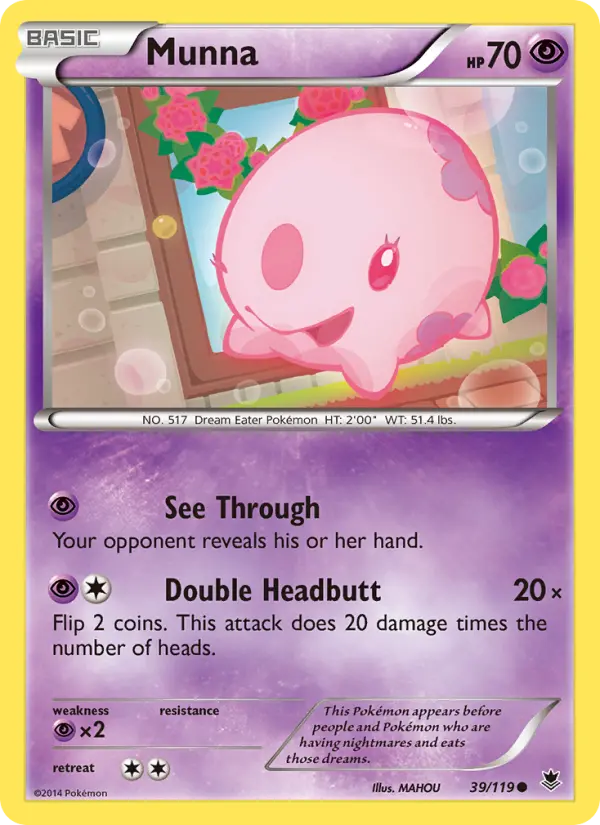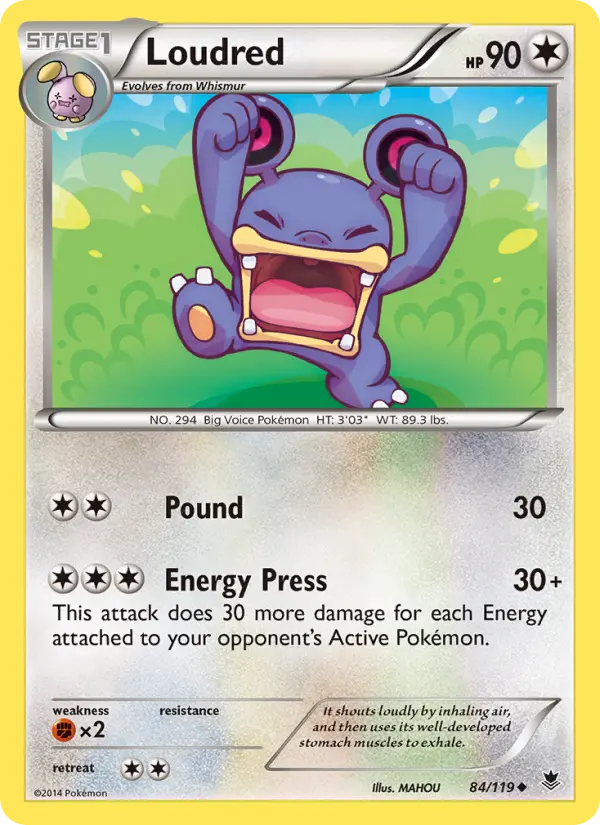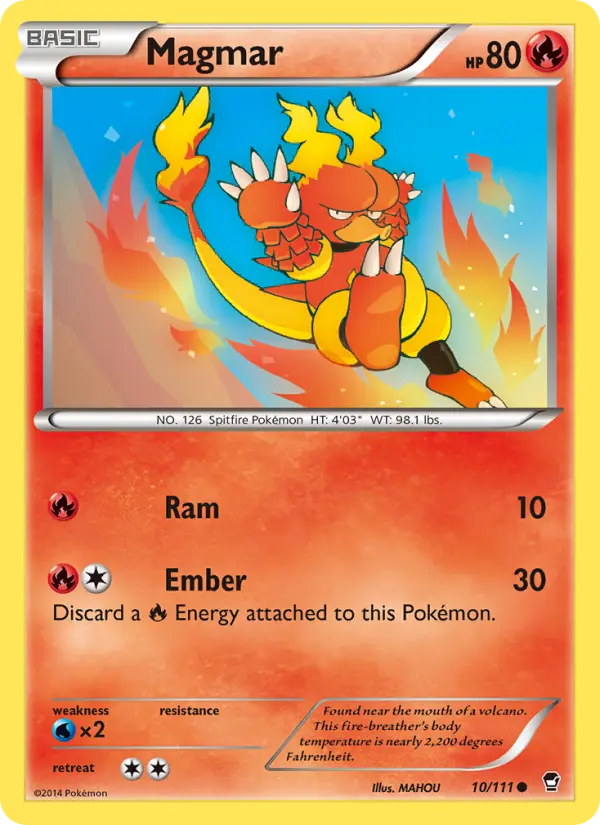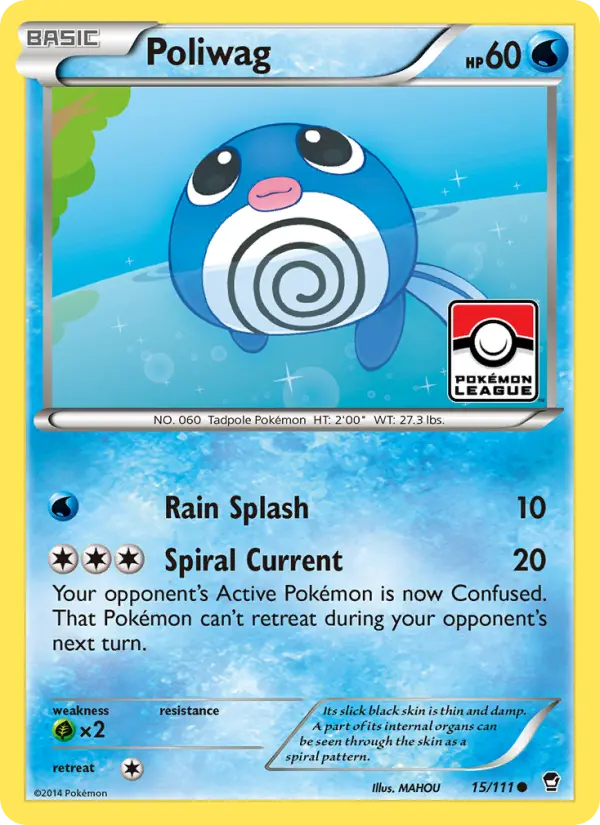
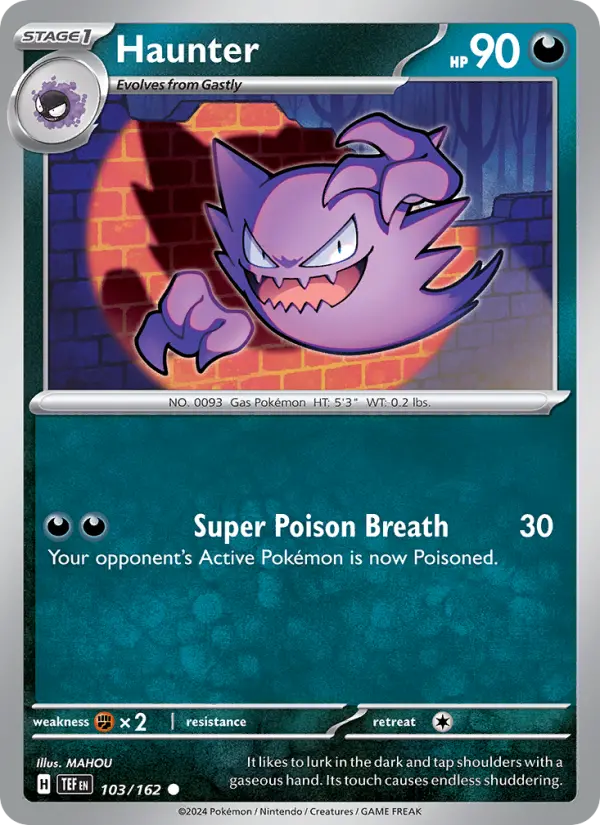
MAHOU has built a quiet but substantial presence in the Pokemon TCG through creature-focused illustration. Bulbapedia records the first MAHOU cards as Sentret and Furret from HeartGold and SoulSilver, while The Art of Pokemon notes work on Pokemon TCG illustrations since 2008 and describes activity in original character and product design. Because public biographical detail is limited, the safest way to understand MAHOU is through the cards themselves.
Soft creature art with a long modern TCG footprint
In PKMN Collectors data, MAHOU appears on 122 cards, all of them Pokemon cards. The local catalog includes early and mid-era examples such as Woobat, Solosis, Gothita, Swadloon, Ferroseed, Dwebble, Ducklett and Audino, plus later pieces such as Charmander, Klefki, Wimpod, Bounsweet, Horsea, Haunter and Spiritomb. That spread gives the artist a strong binder identity: many small or middle-stage Pokemon, often drawn with enough personality to make ordinary set cards worth keeping together.
The appeal of MAHOU is not built around loud chase art. It is closer to the pleasure of finding a consistent voice across commons, uncommons and occasional rarities. The illustrations often suit Pokemon that need charm, oddness or a small narrative moment rather than pure power. For collectors who sort by artist, that makes the name useful across several generations of set building.
MAHOU also matters because the catalog overlaps with Pokemon TCG Pocket, where many players are discovering illustrator names through digital collecting. A physical binder page can show the longer history behind that signature: HeartGold and SoulSilver roots, Black and White era continuity, Sword and Shield appearances and modern Scarlet and Violet visibility. For collectors, MAHOU is a good example of why artist pages should not focus only on full arts. The everyday cards often carry the clearest personality.