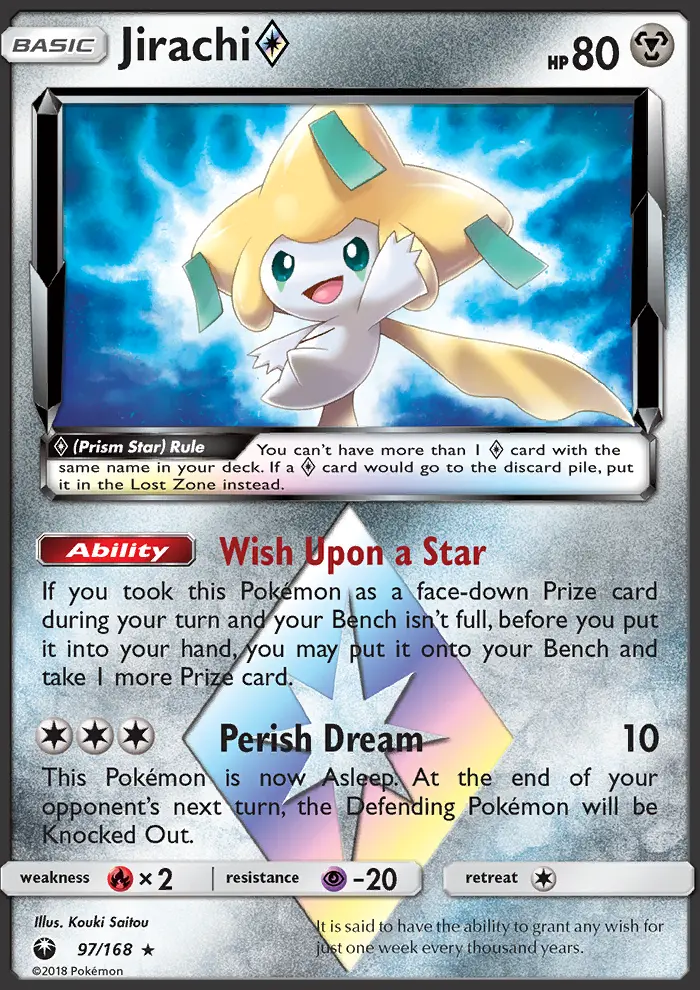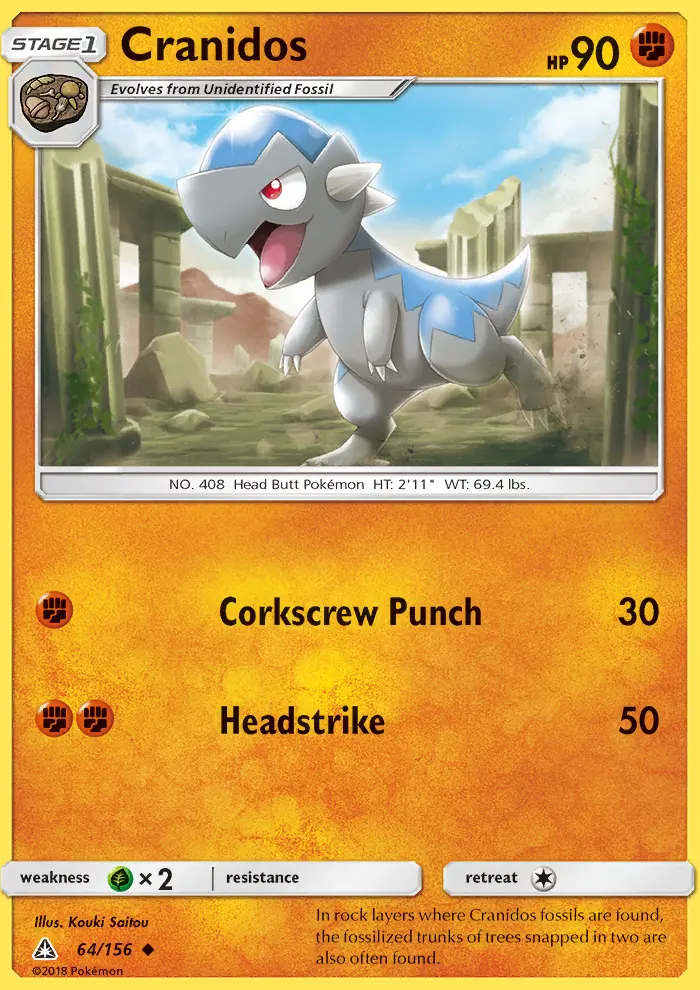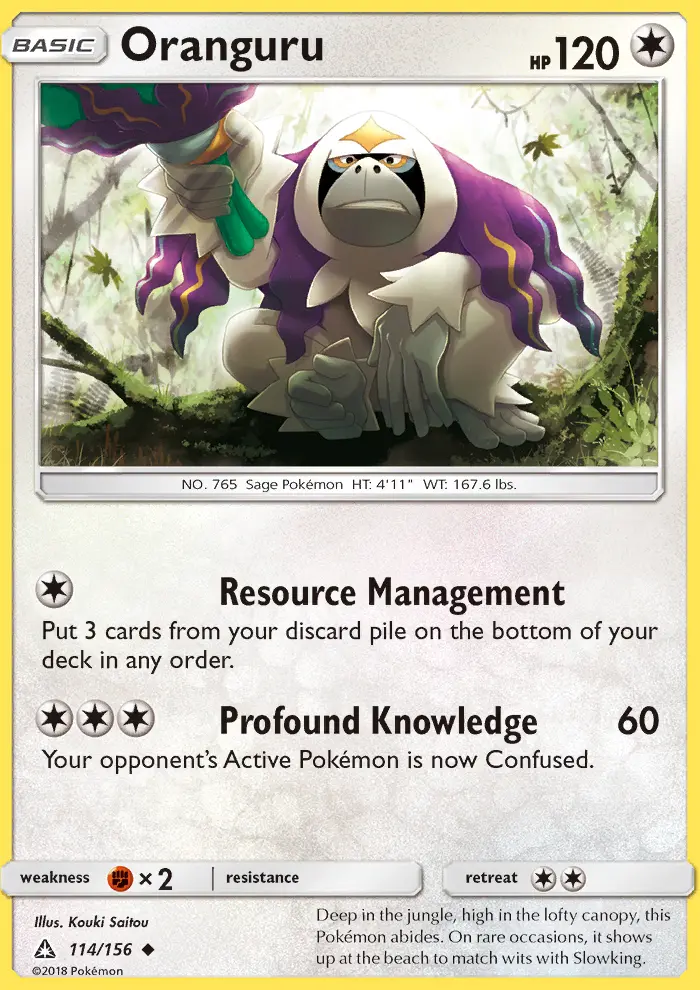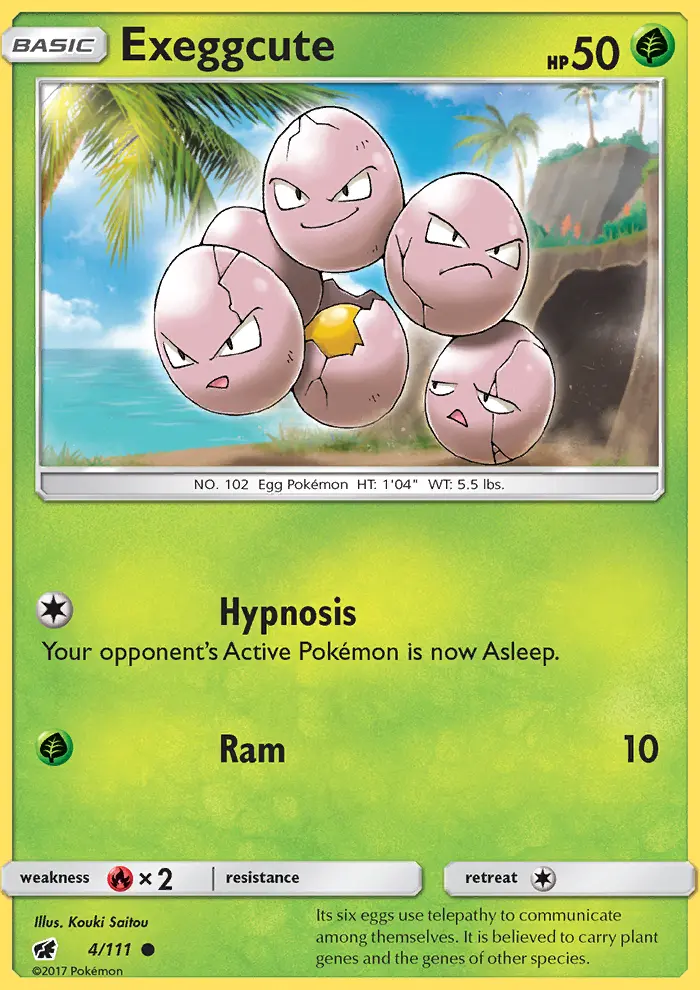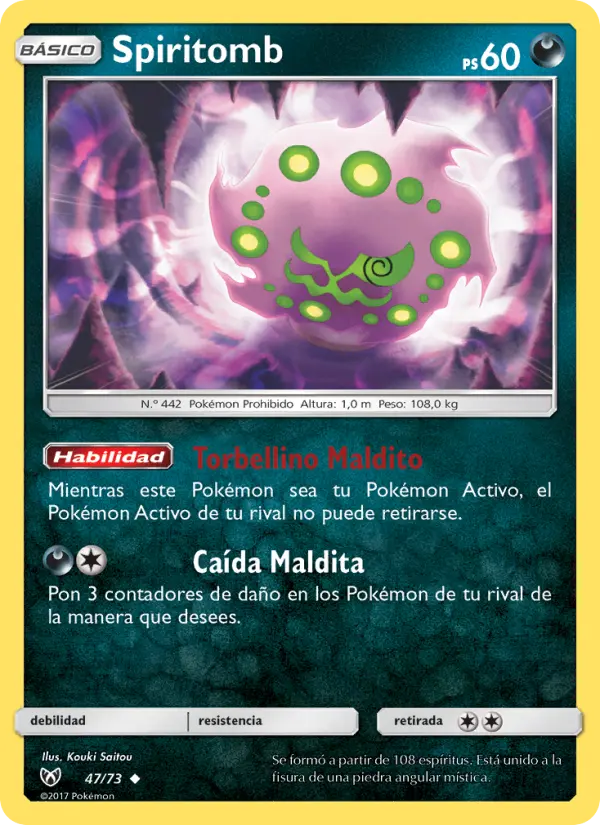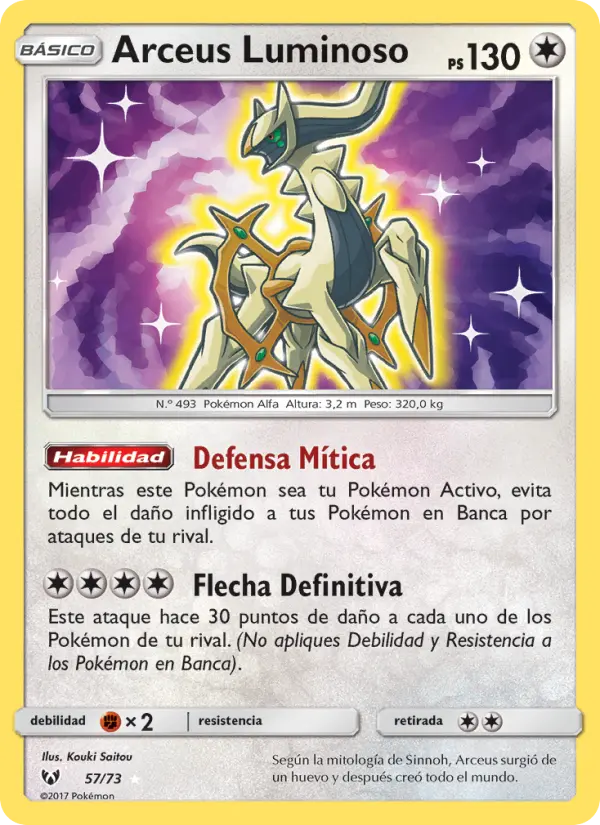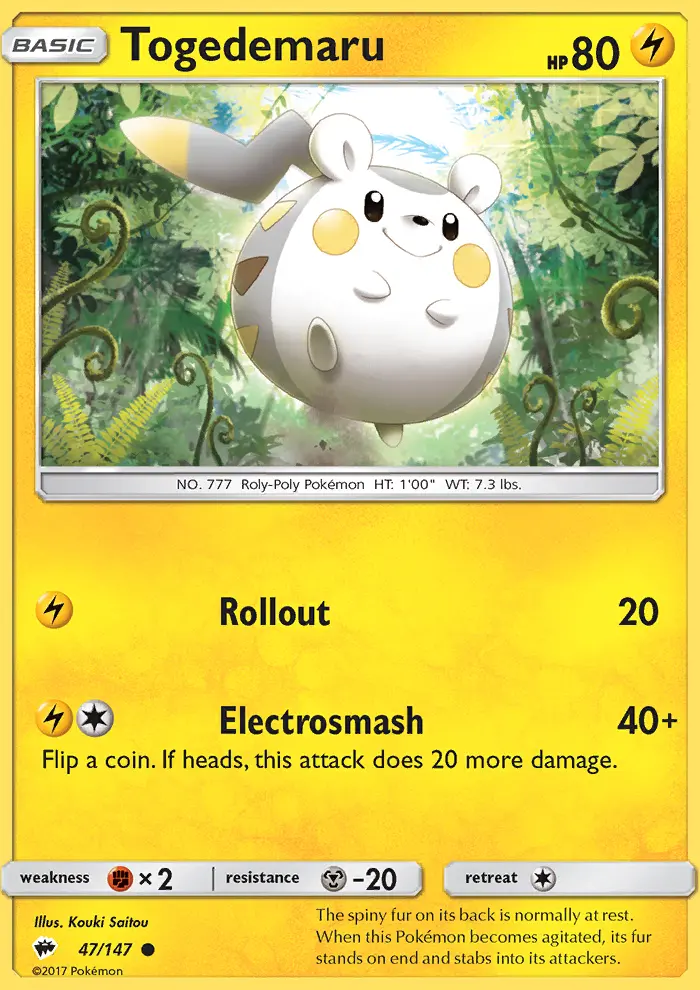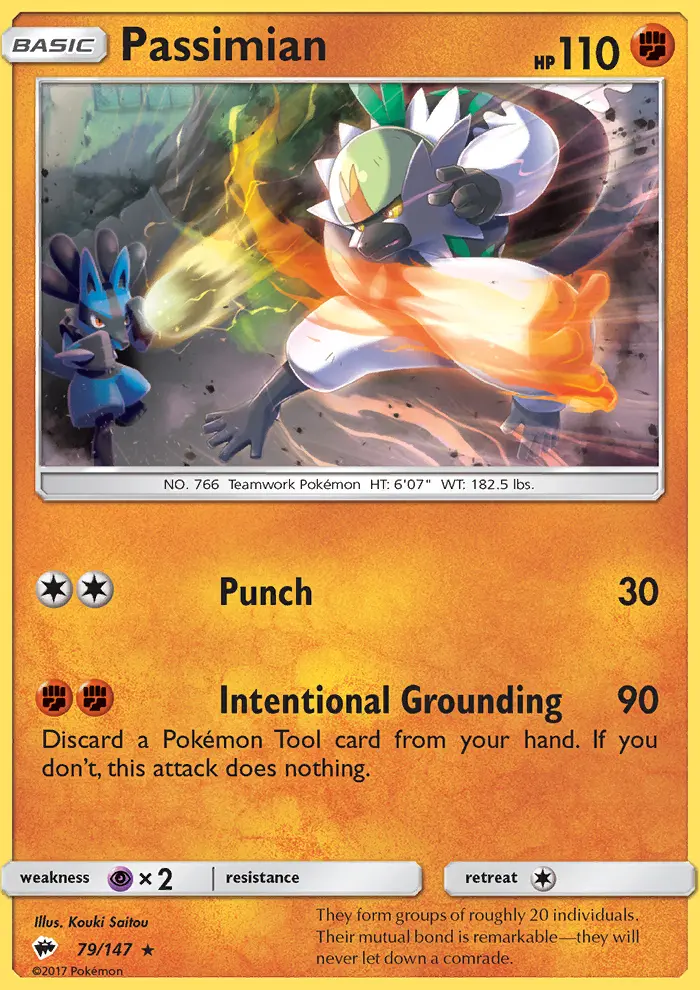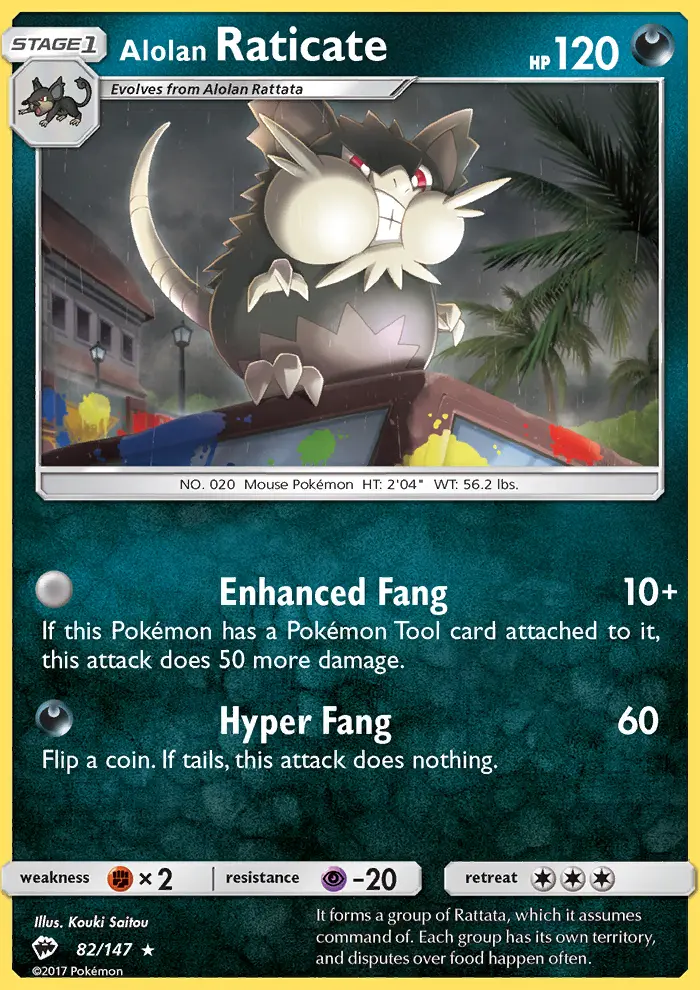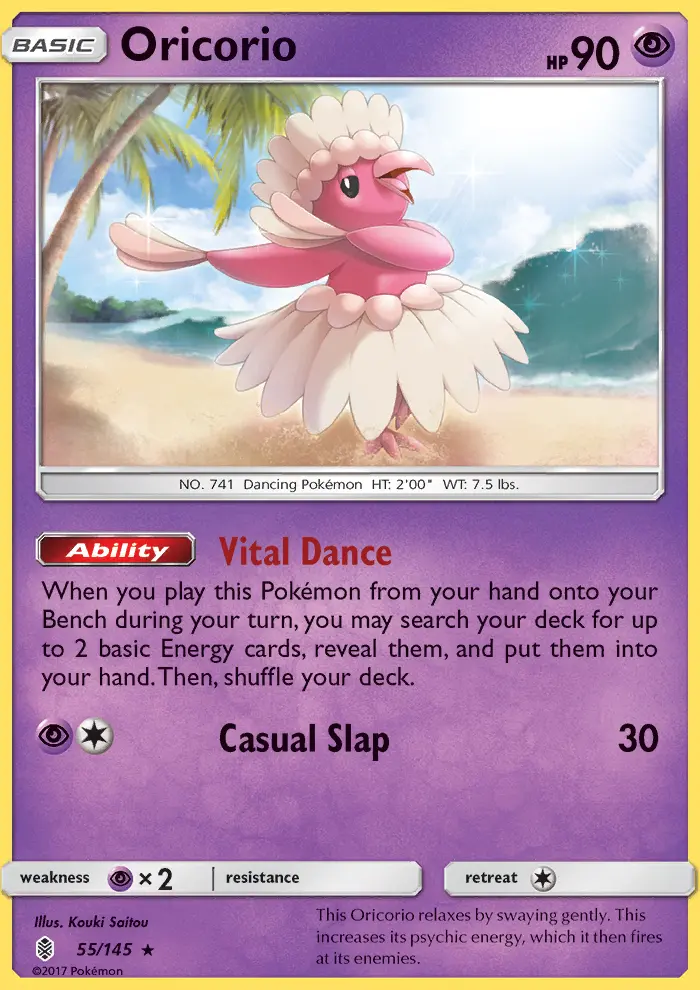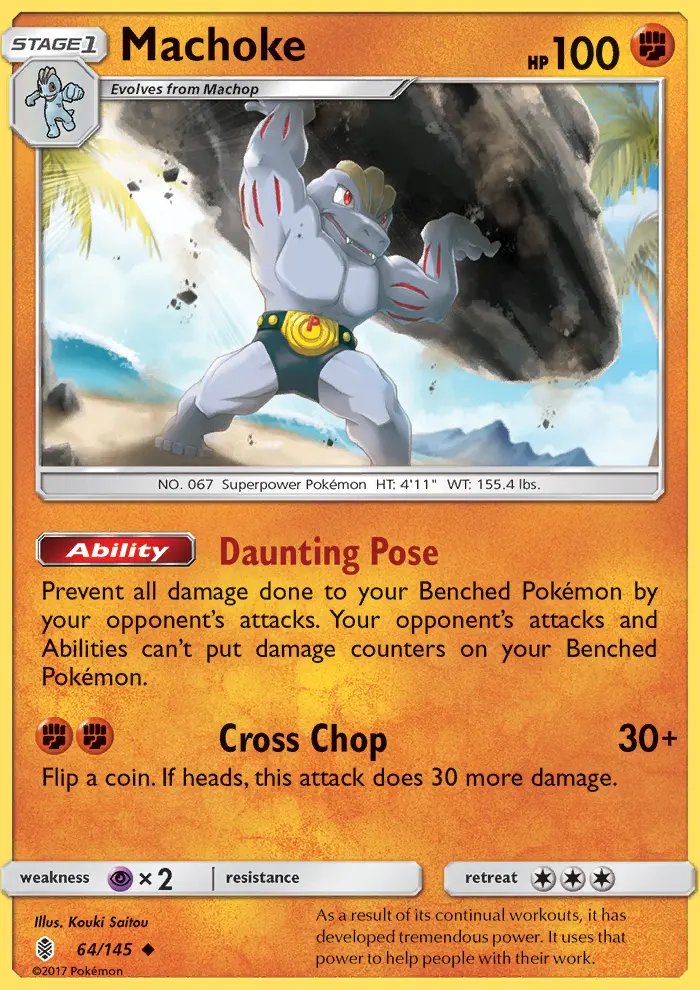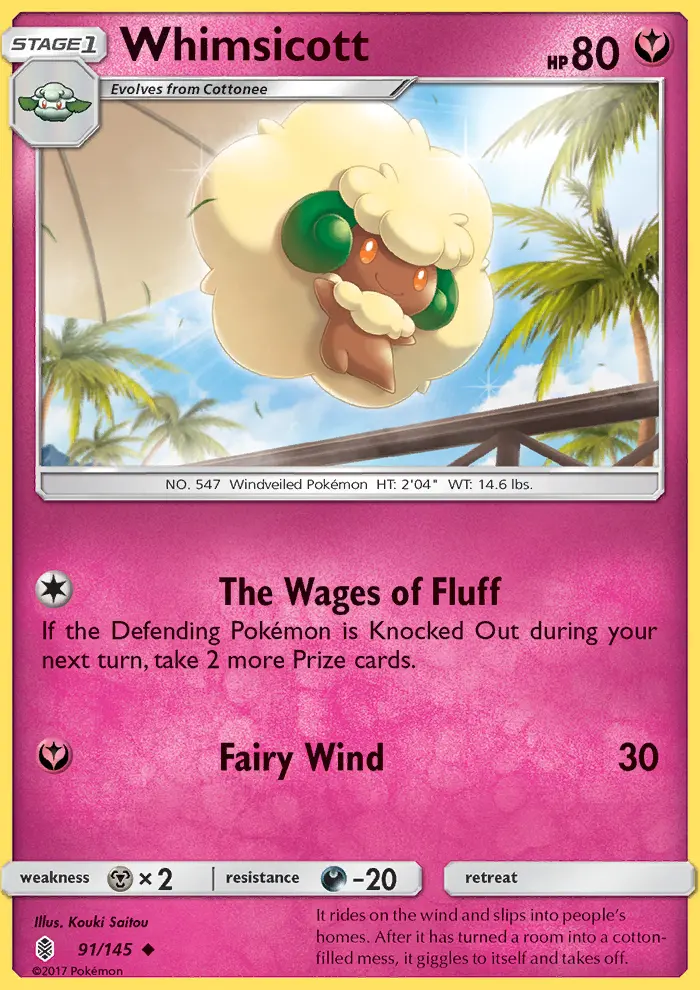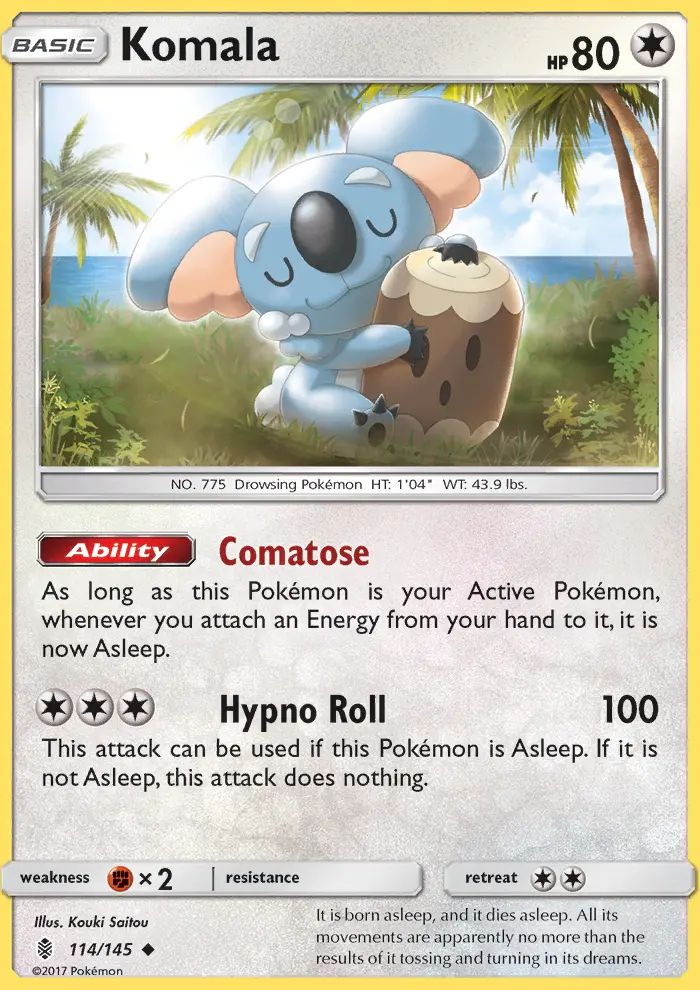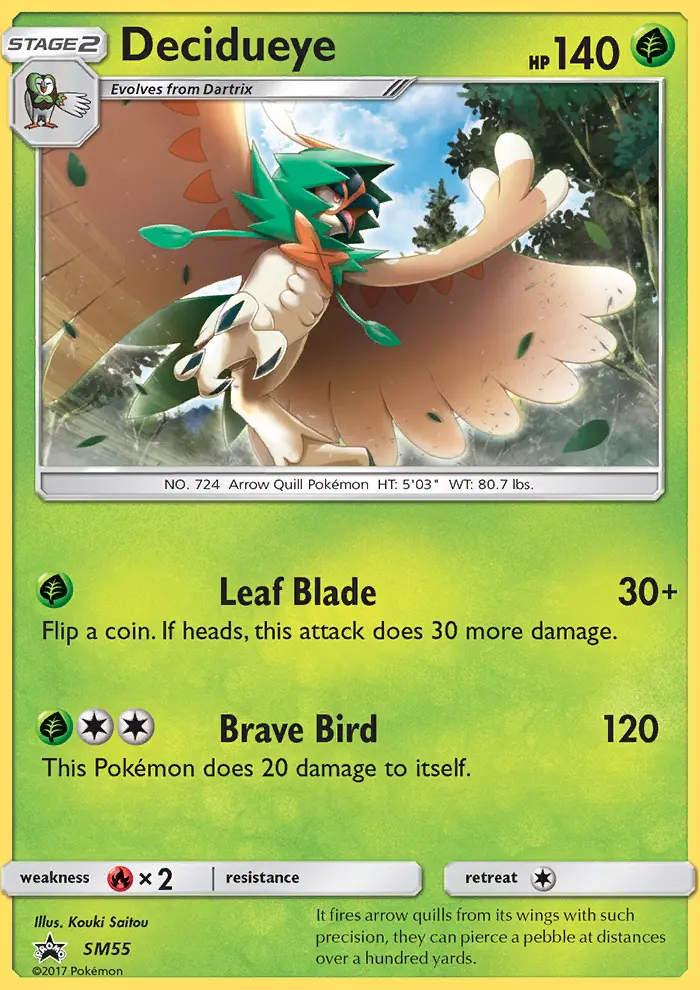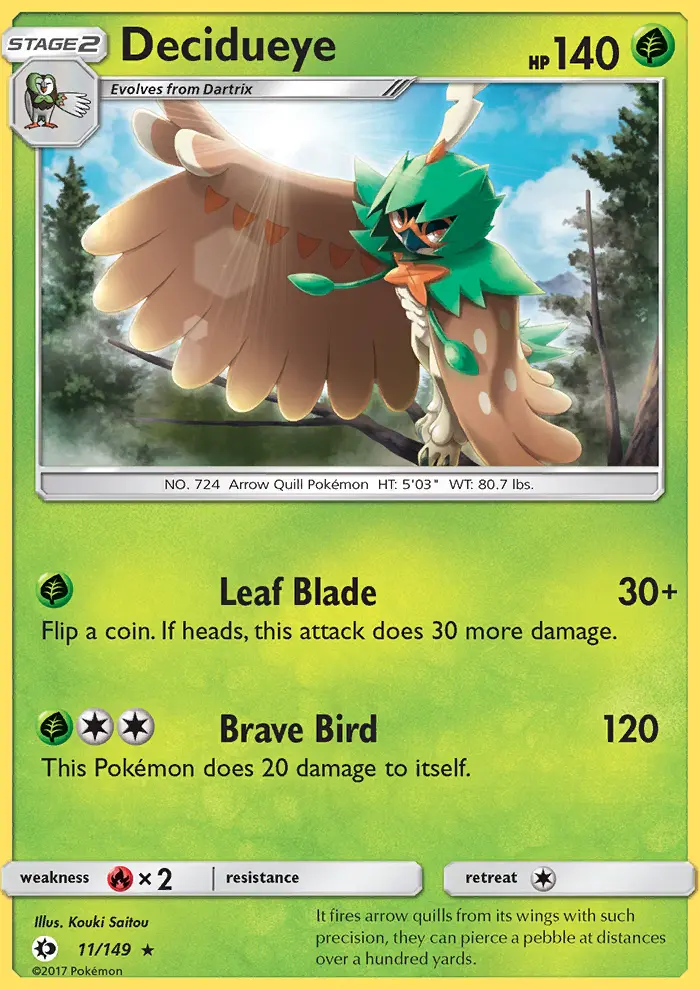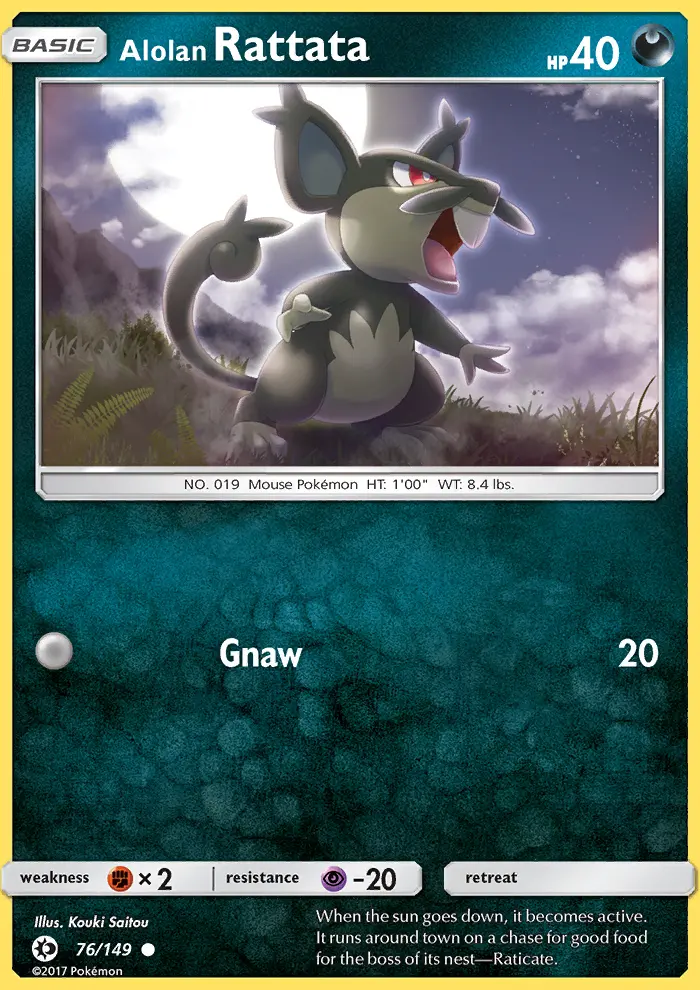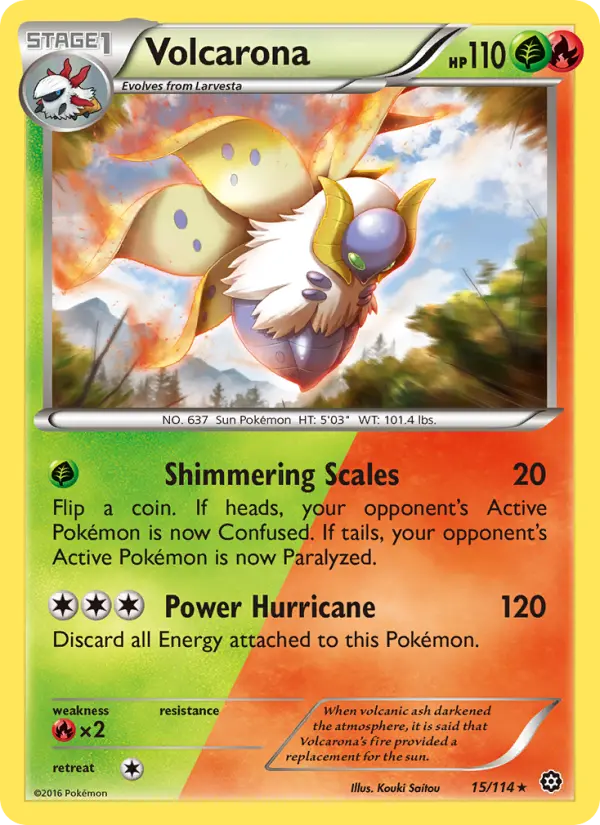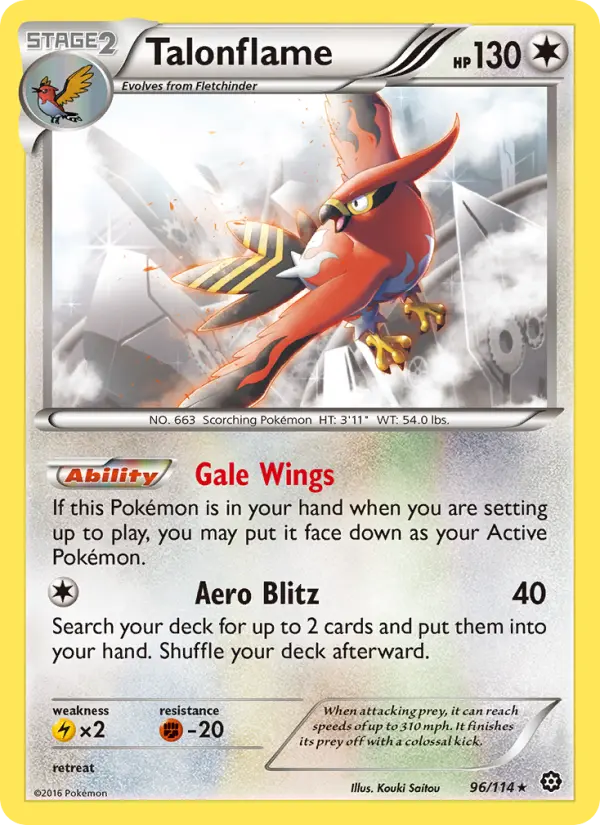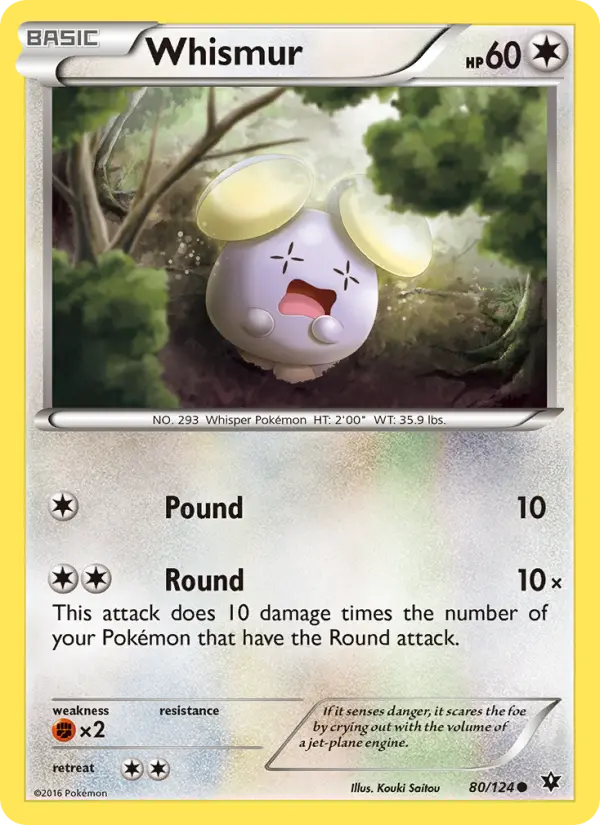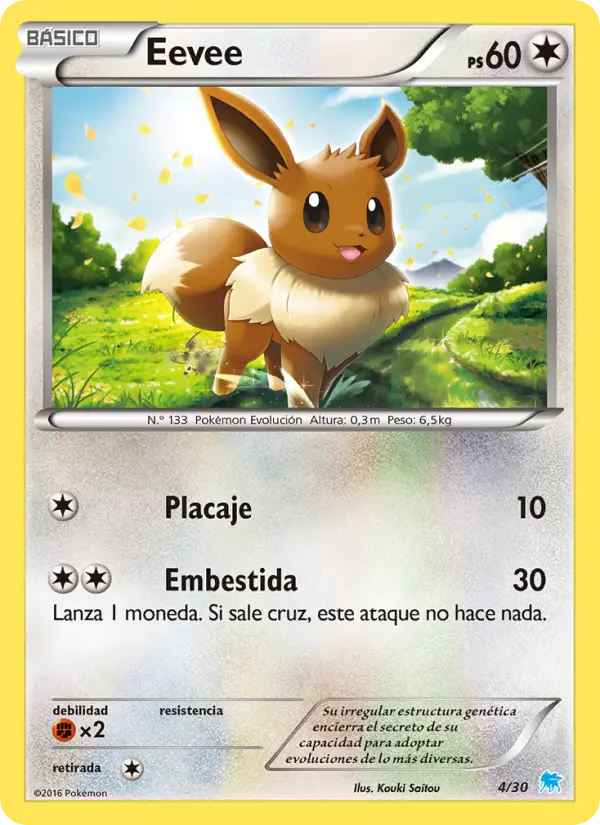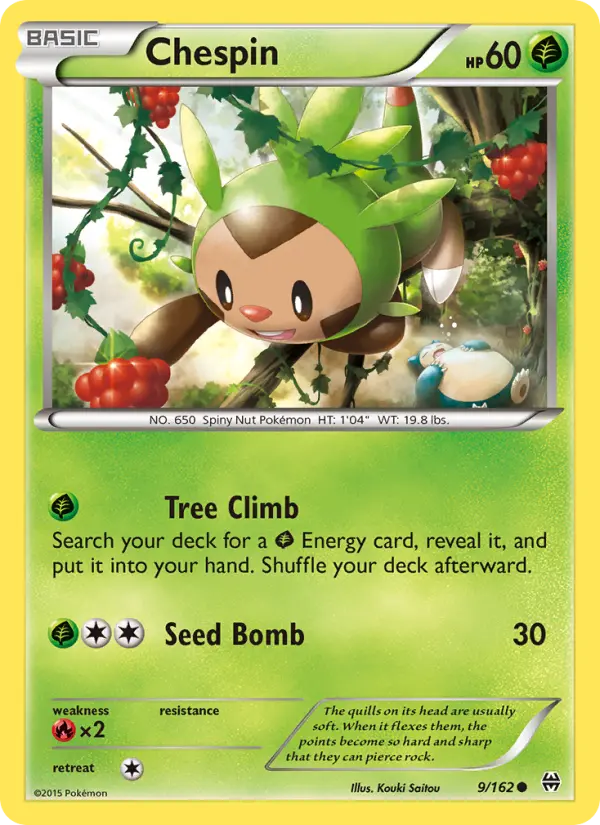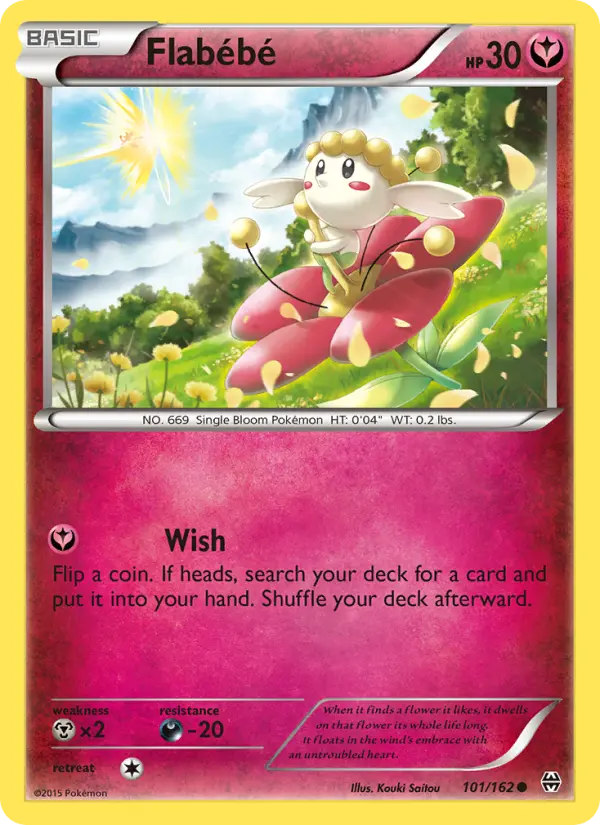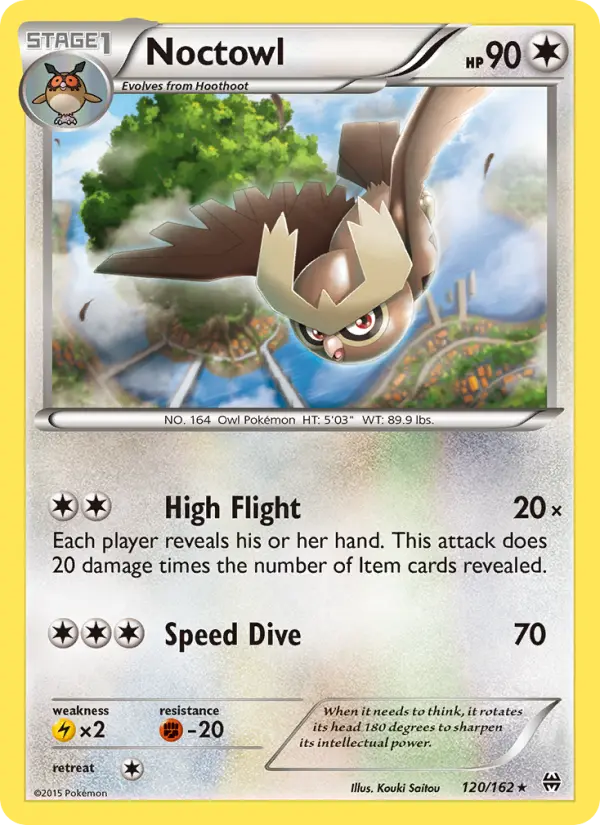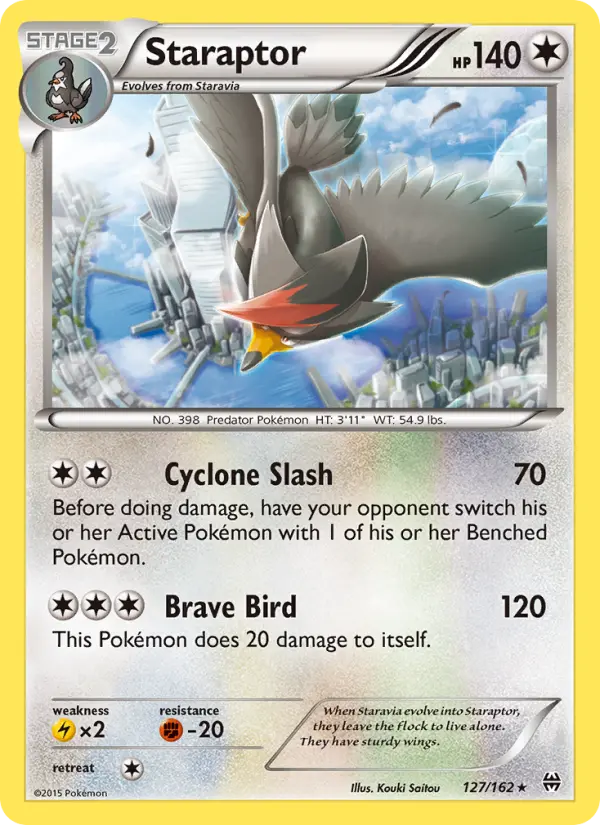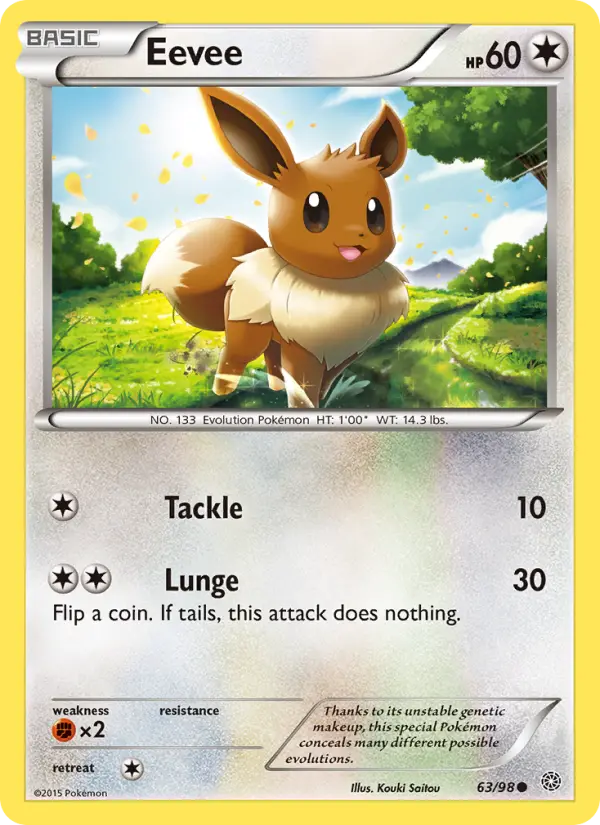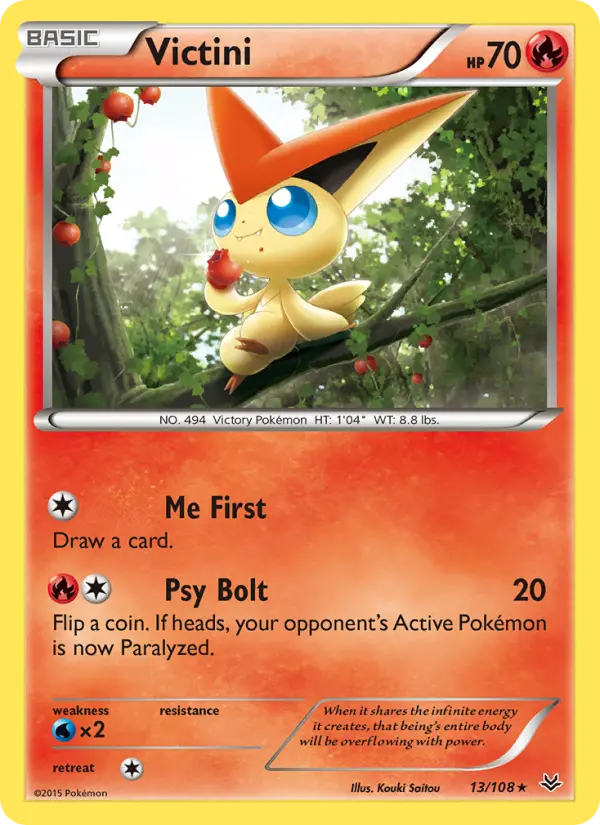

Kouki Saitou is one of the most prolific individual illustrators in the Pokémon Trading Card Game, with hundreds of credited cards across more than two decades. Born in 1973, Saitou entered the Pokémon TCG during the e-Card era, with early work appearing in Aquapolis, and has remained a familiar name for collectors who pay attention to the illustrator line at the bottom of a card.
A dynamic voice across modern Pokémon card art
Saitou's artwork often balances animation-like character energy with more grounded lighting, depth and dramatic camera angles. His cards tend to feel active: Pokémon leap forward, twist through space or hold a pose that suggests a larger scene just outside the frame. That sense of movement is part of why his work reads well at card size, where strong silhouettes and clear composition matter as much as small detail.
For collectors, Saitou is especially interesting because his catalog is broad rather than tied to one narrow era. He has illustrated Pokémon, Trainers, promotional artwork, deck materials and other official Pokémon visuals. Bulbapedia documents him as having illustrated well over 600 Pokémon TCG cards, while CGC has highlighted him as an artist whose work attracts dedicated collector interest. That makes his name useful for binder themes, artist collections and searches beyond the usual chase-card approach.
Among documented cards, Skyridge Charizard is one of the most visible Saitou illustrations for vintage collectors. The card's Crystal Pokémon mechanic, secret rare numbering and e-Reader-era design already make it notable, but Saitou's roaring Charizard gives it a distinct identity apart from earlier Charizard artwork. Other Pokémon TCG database listings credit him on cards such as Charizard-EX, Charizard δ and Reshiram, showing how often his style has been used for powerful, high-impact Pokémon.
Saitou's broader career includes manga-related illustration, trading card work beyond Pokémon and official Pokémon promotional material. Public sources also connect him with game artwork and merchandise, which helps explain the range visible in his cards: some pieces lean toward clean, energetic character illustration, while others use heavier shadows or more cinematic framing.
For Pokémon TCG collectors, Kouki Saitou is worth knowing because his work sits at the intersection of volume, consistency and visual identity. His cards are not only numerous; they help trace how Pokémon card art moved from the e-Card period into a more modern, dynamic visual language.
Referenced from twitter.com, cgccards.com.