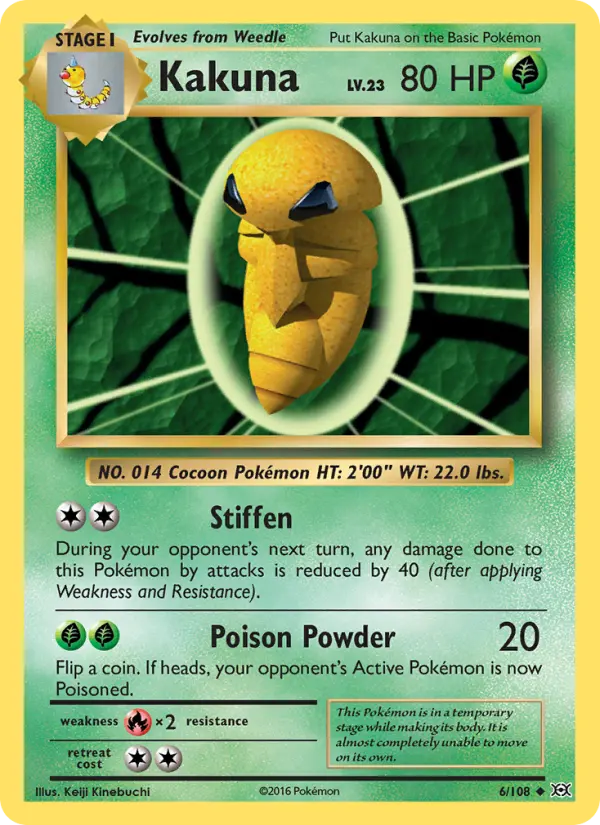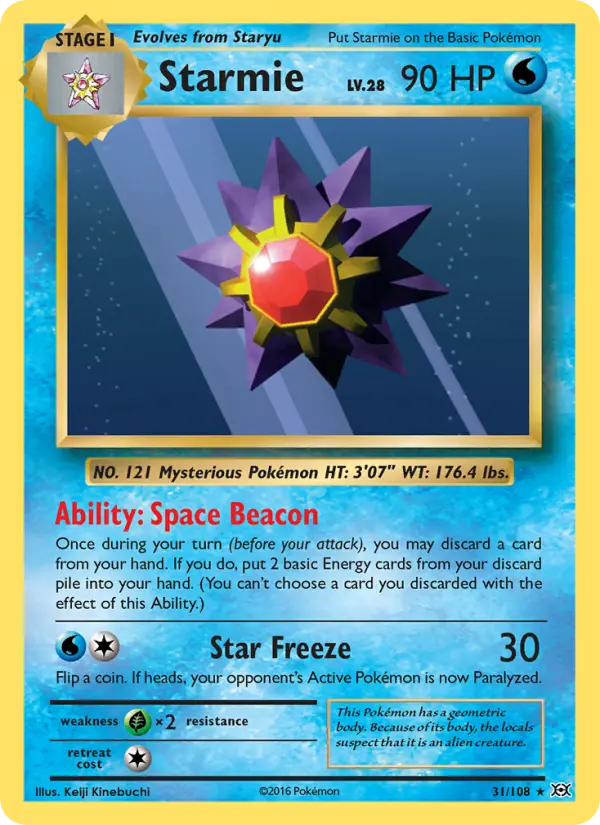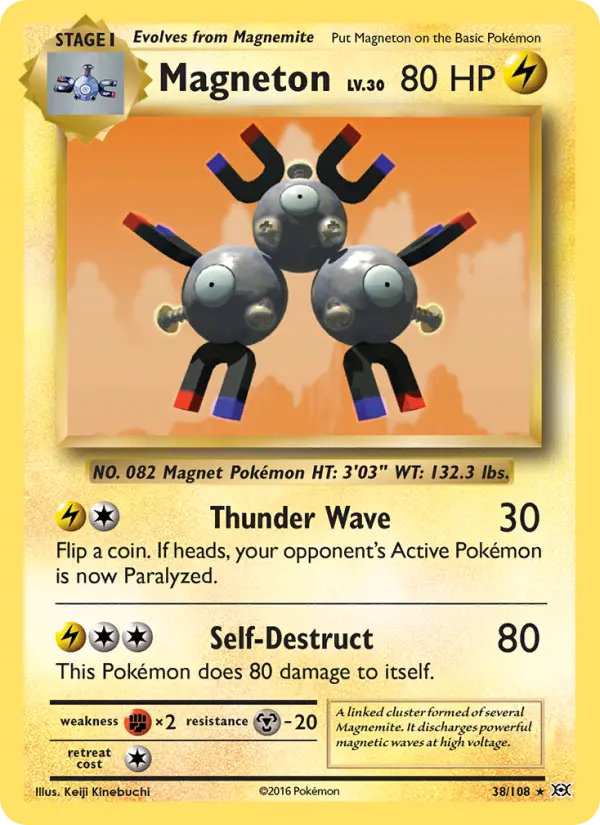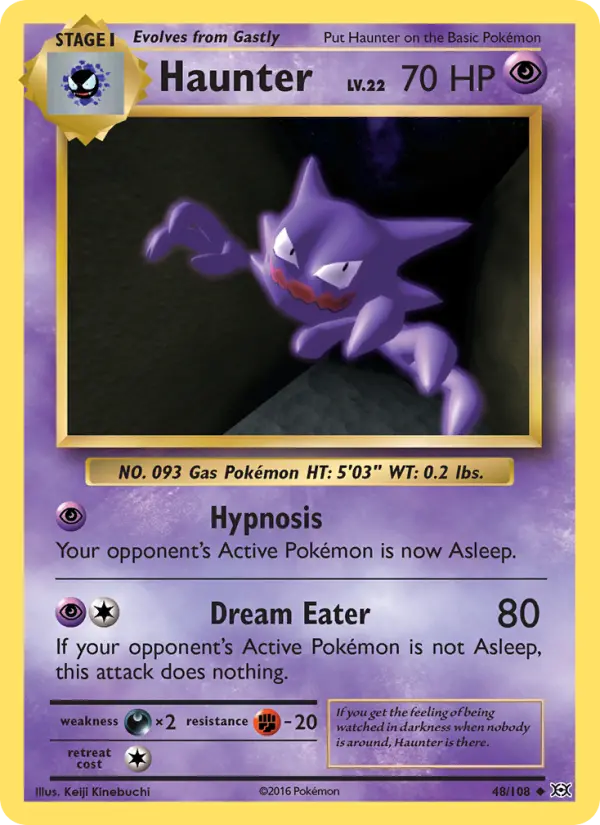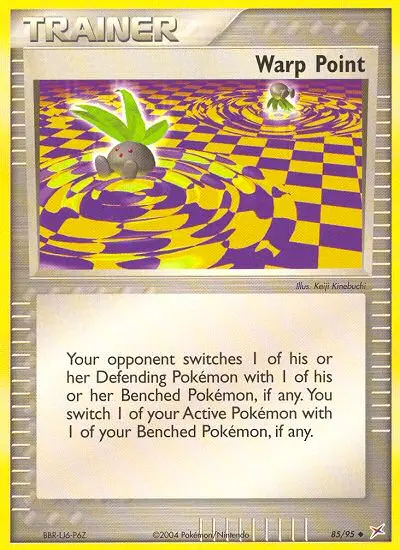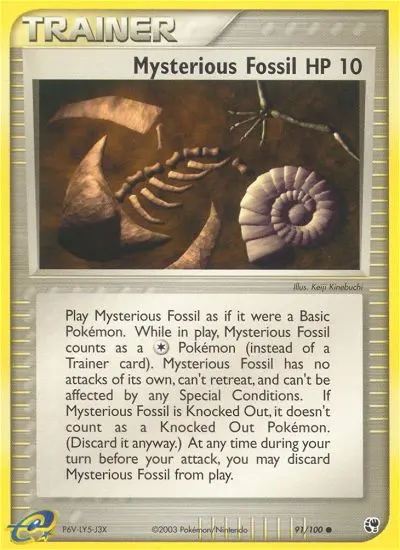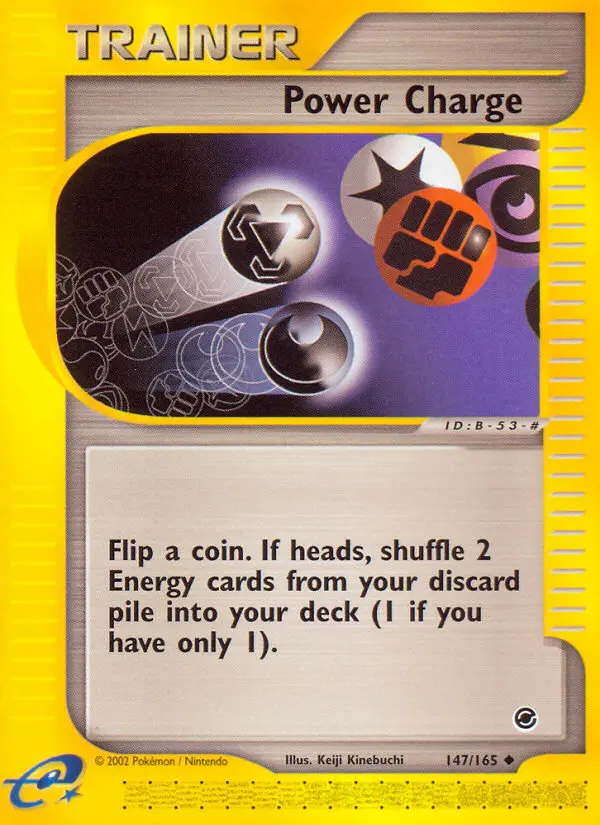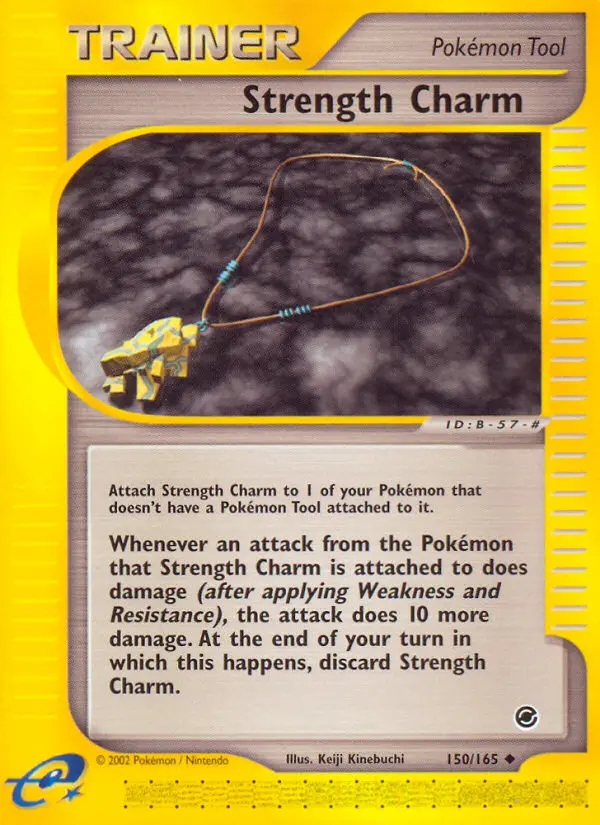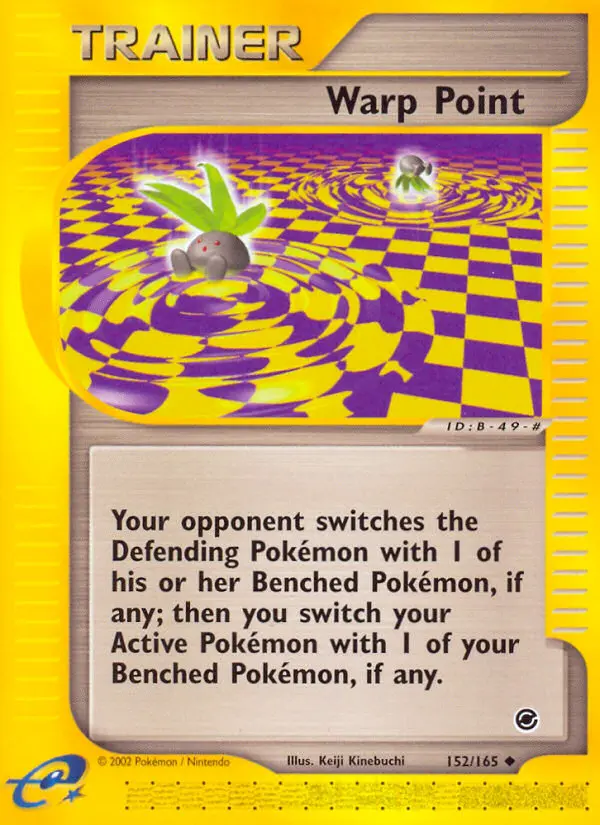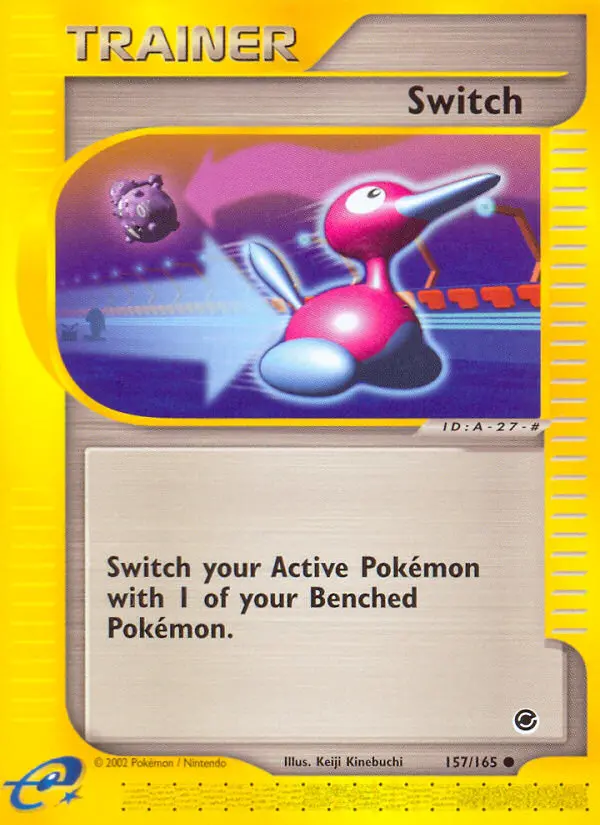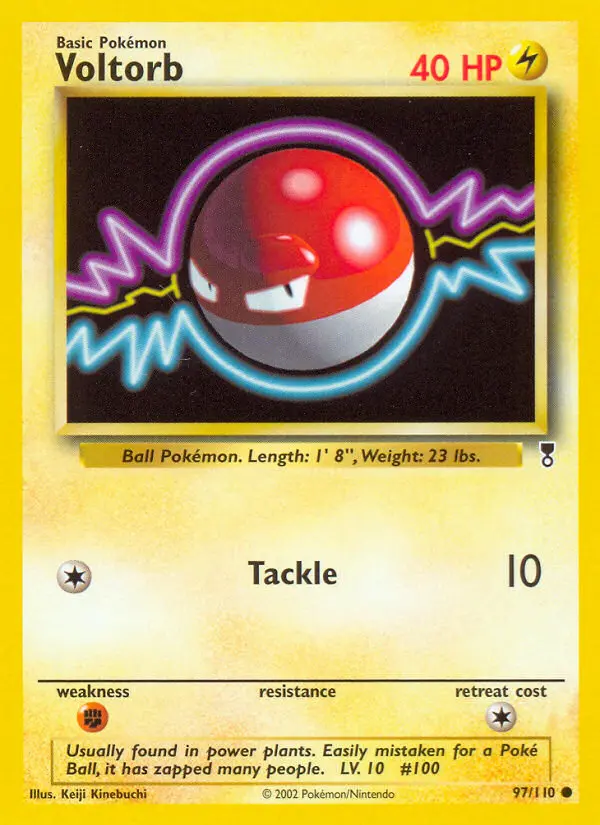

Keiji Kinebuchi occupies a foundational place in Pokémon TCG history. Born in 1956, he was one of the few 3D illustrators involved when the card game first appeared, and Bulbapedia describes his early work as instantly recognizable because of the simple shapes, textures and lighting possible with the 3D software of the time. He used LightWave 3D, and his cards now read as a record of the experimental digital tools behind the earliest Pokémon card era.
The early 3D pioneer behind Base Set Trainers and Energy cards
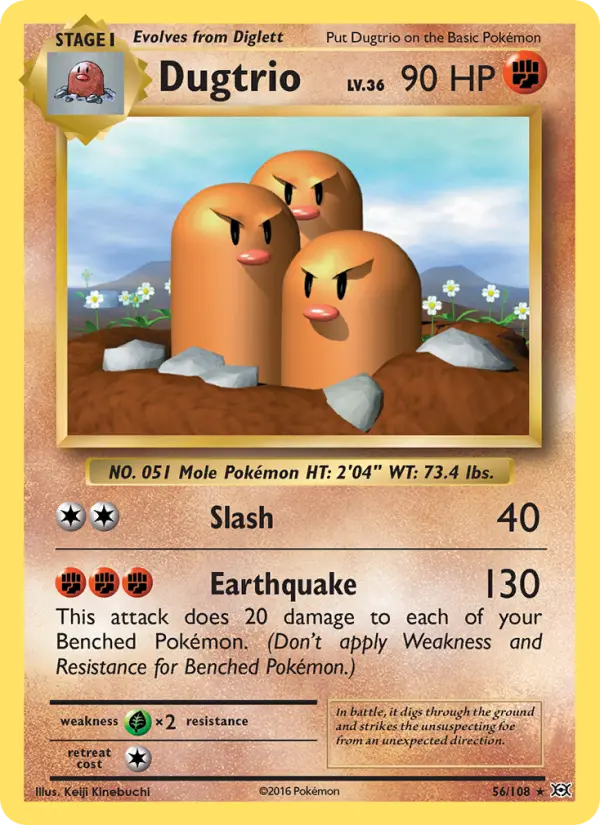
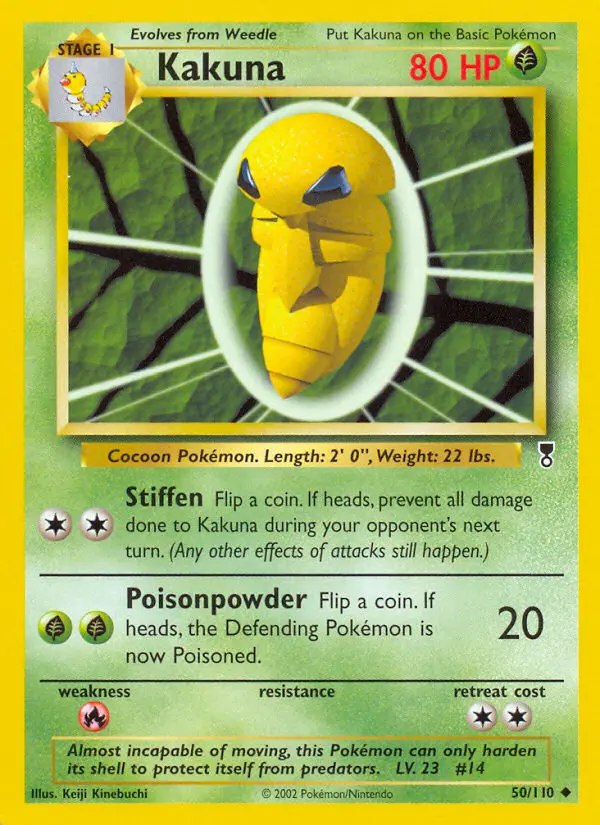
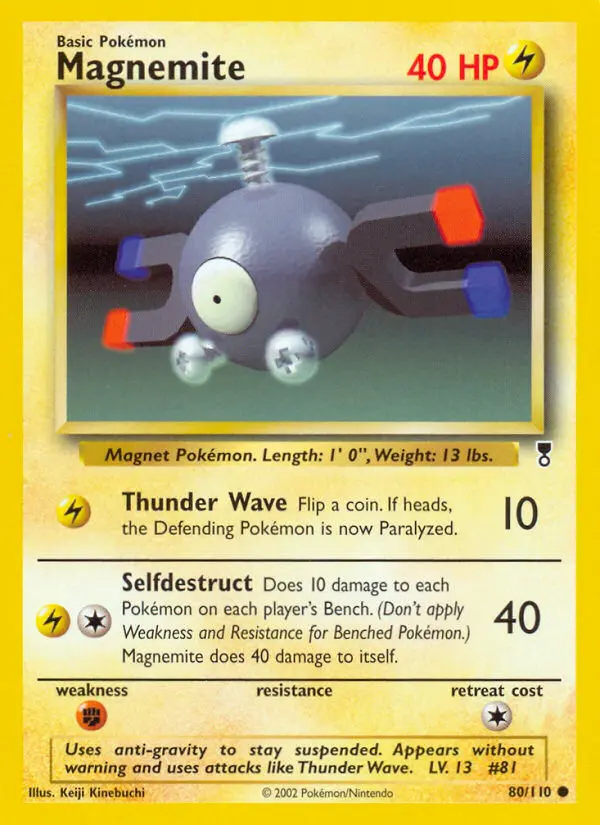
In PKMN Collectors, Kinebuchi appears on more than 220 card records, though many later entries are reprints of older artwork rather than new post-2002 commissions. His earliest English credits are all over Base Set: Magneton, Dugtrio, Electrode, Haunter, Kakuna, Diglett, Gastly, Magnemite, Starmie, Staryu and Voltorb, alongside an even larger run of Trainer and Energy cards. Computer Search, Devolution Spray, Item Finder, Scoop Up, Super Energy Removal, Energy Retrieval, Full Heal, Maintenance, Pokédex, Revive, Super Potion, Potion and Switch are all part of that first visual vocabulary.
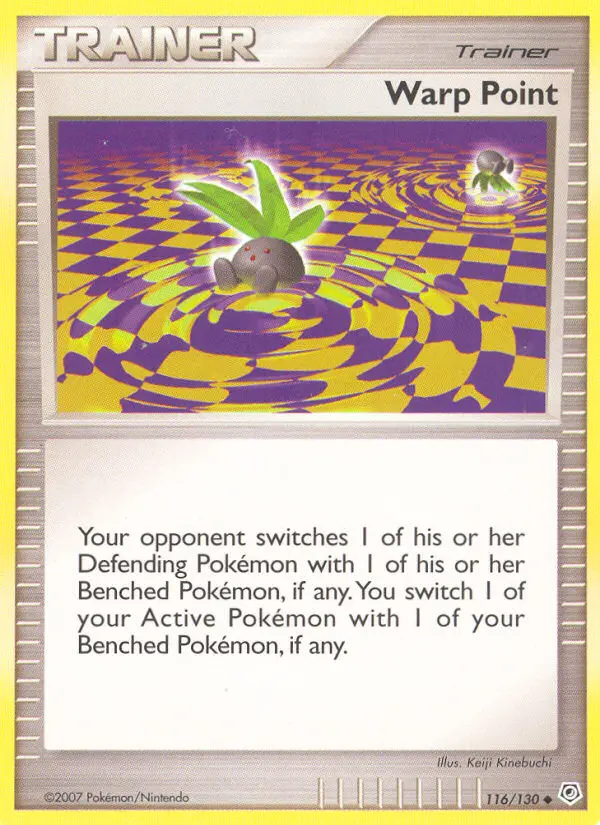
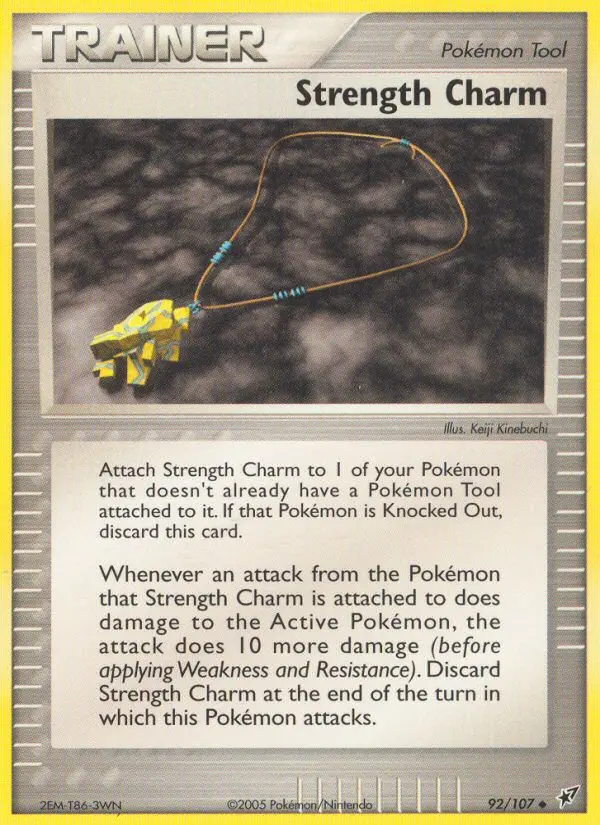
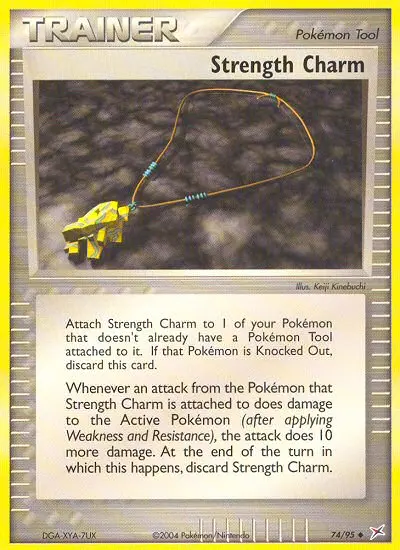
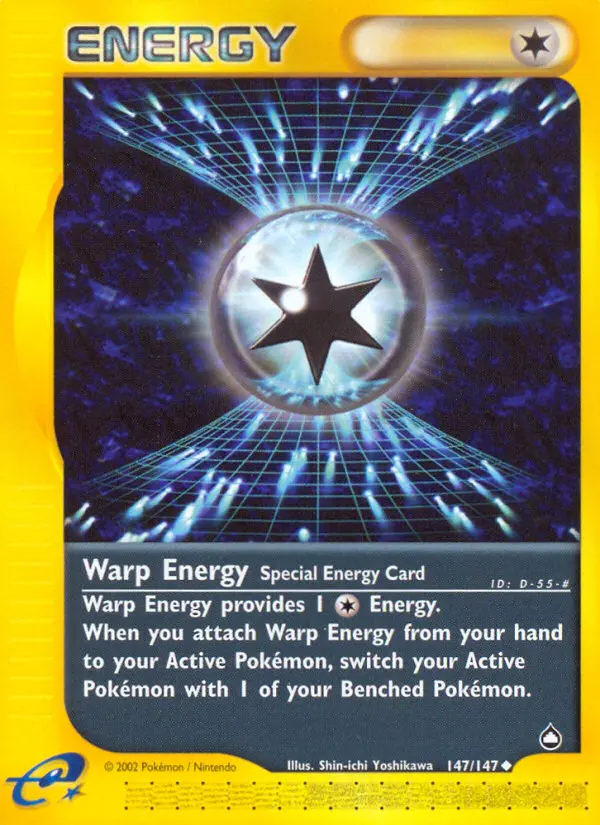
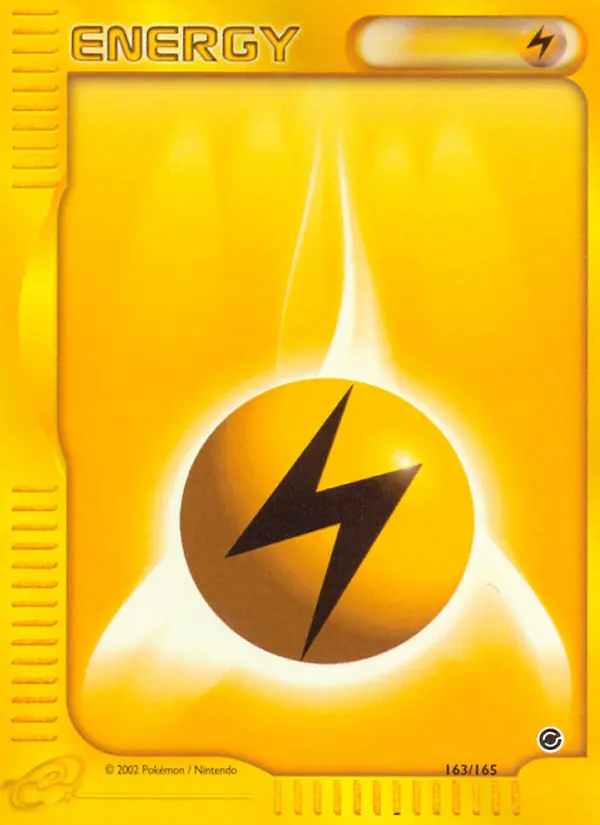
For collectors, his Trainer work is especially important. These cards are not character portraits, but they shaped how the original TCG communicated objects, actions and game systems. Kinebuchi gave cards like Computer Search and Pokédex a clean, artificial, almost desktop-computer look that now feels inseparable from early Pokémon card nostalgia. The same applies to the Basic Energy cards and early Special Energy cards. Bulbapedia notes that he was credited on Basic Energy cards up to the layout change around Expedition, and that Mitsuhiro Arita designed the Energy symbols while Kinebuchi designed the Energy card layouts.
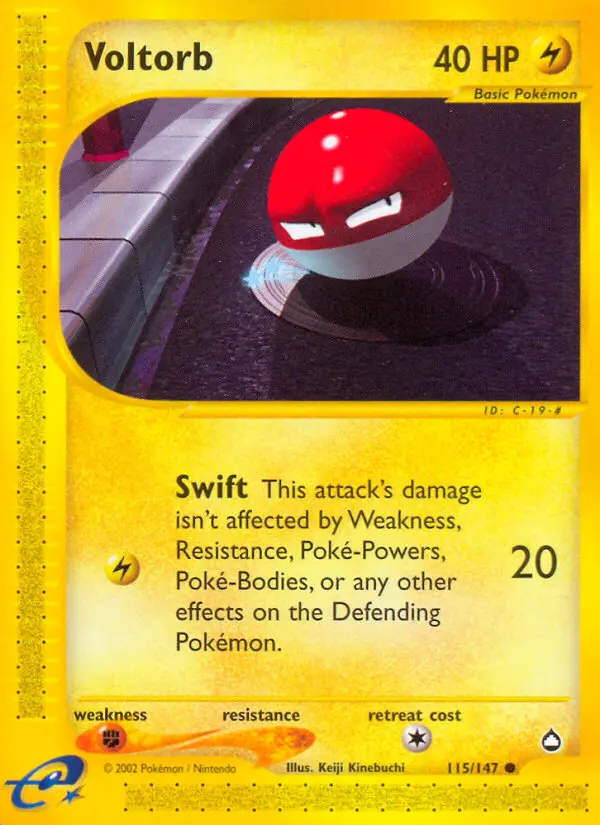
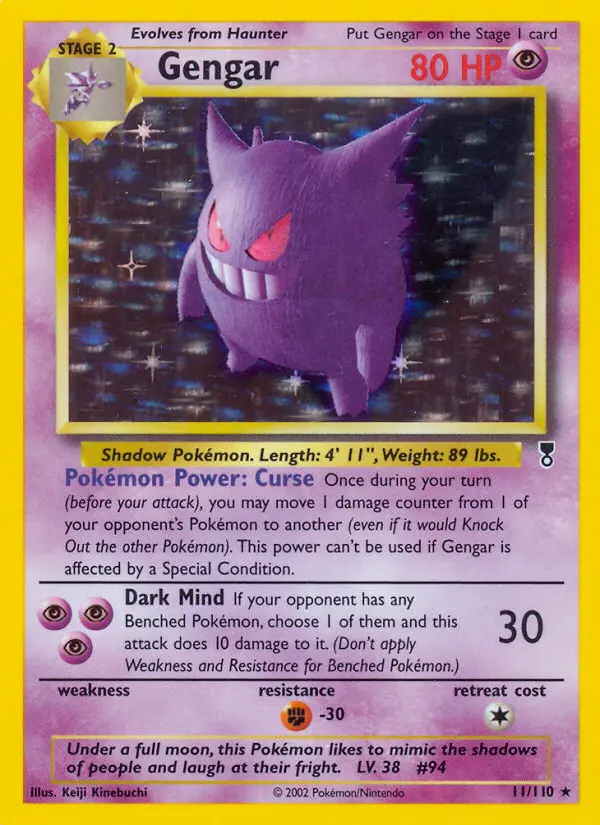
His Pokémon illustrations have their own charm. The Base Set and Fossil 3D Pokémon can look simple by modern standards, but that simplicity is part of their identity. Starmie, Magnemite, Voltorb, Gengar and Ditto show how early CG gave certain Pokémon a strange, toy-like presence that stood apart from watercolor and hand-drawn cards.
Kinebuchi died around 2002, so later cards such as Evolutions and Pokémon Card Game Classic should be understood as reuses or reprints of his earlier artwork. His legacy is not volume alone, but infrastructure: Trainers, Energy layouts, early 3D Pokémon and the visual grammar of play itself.