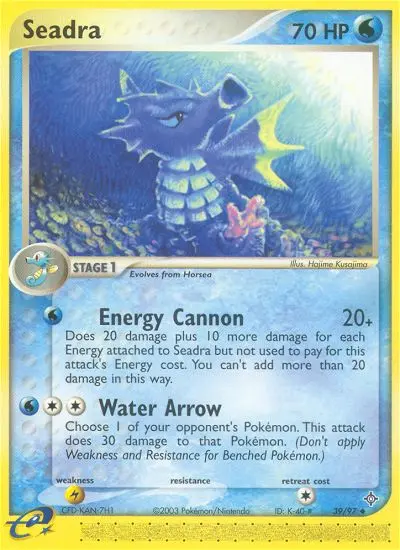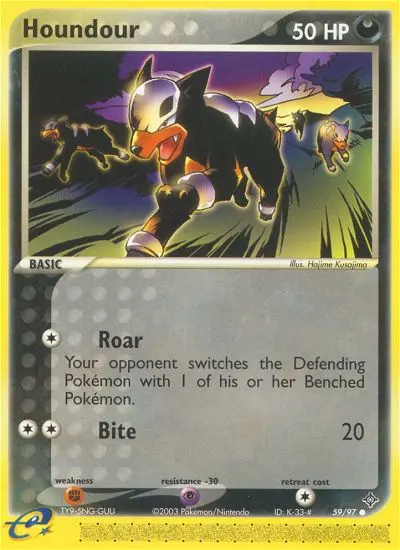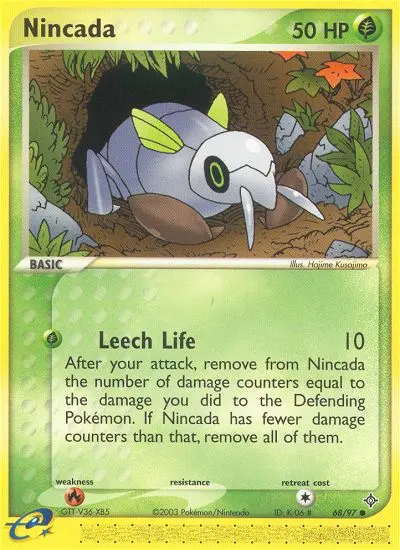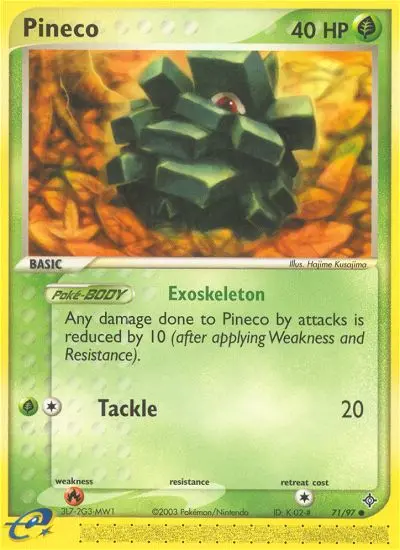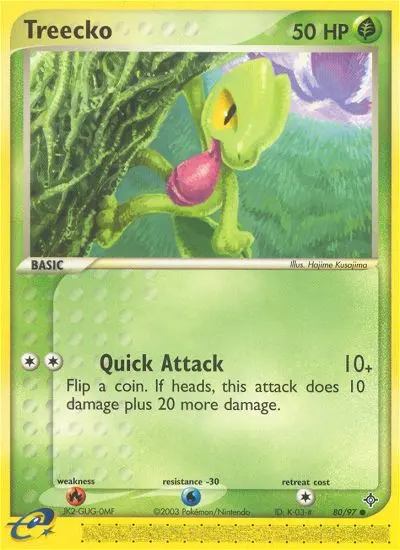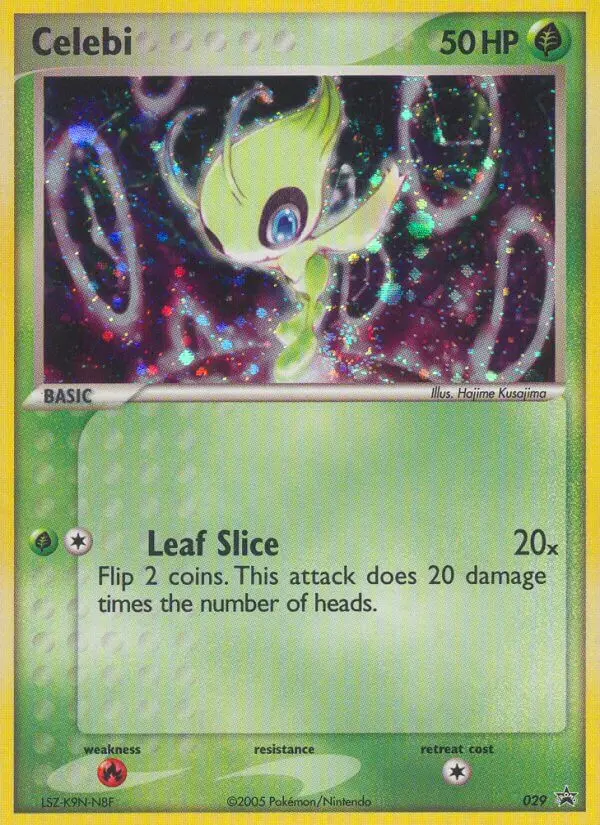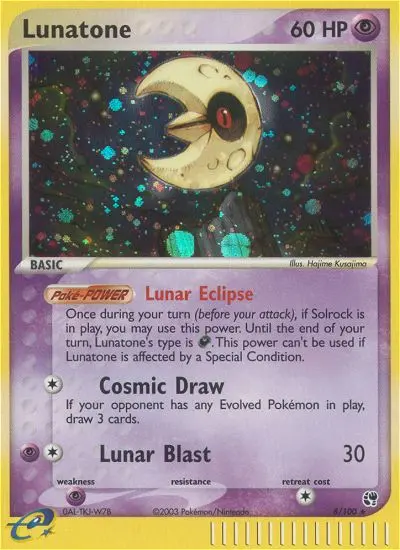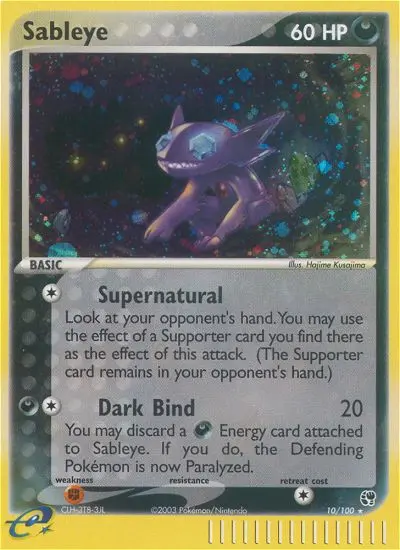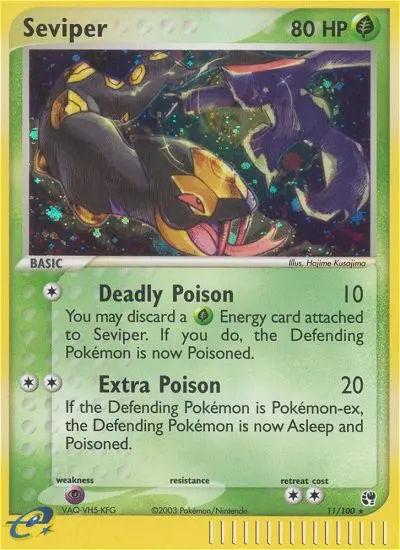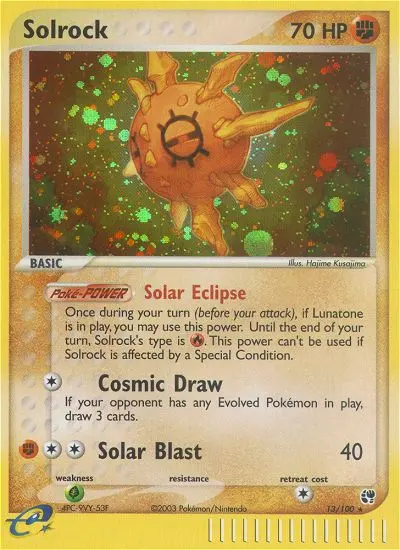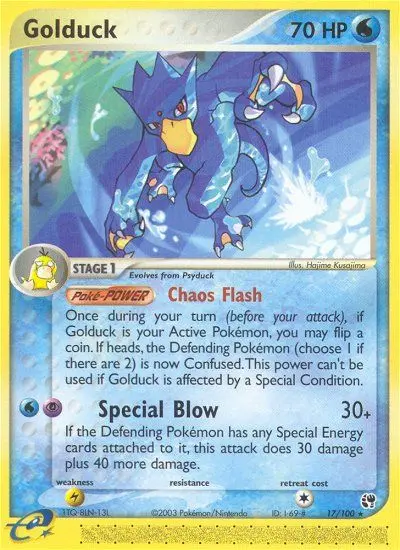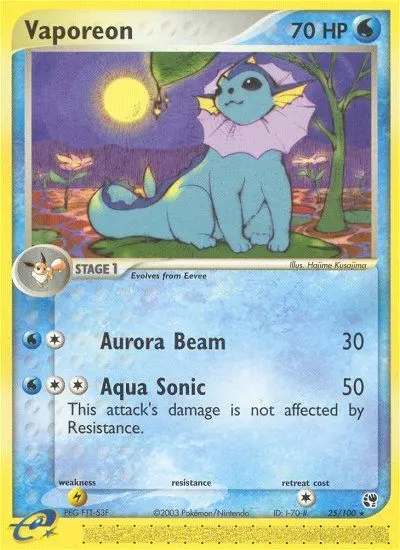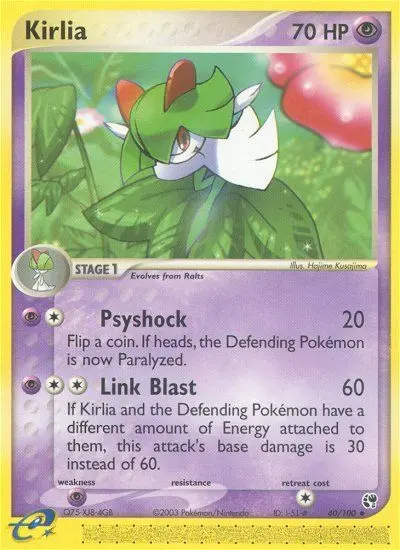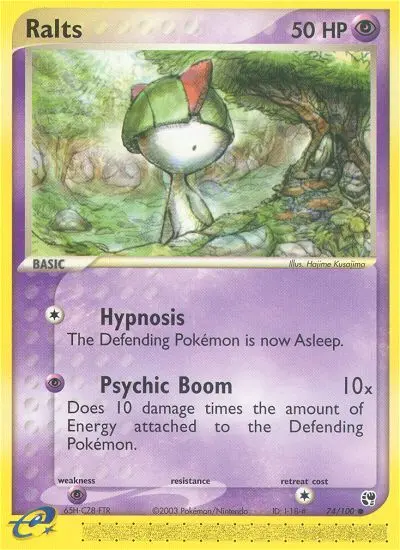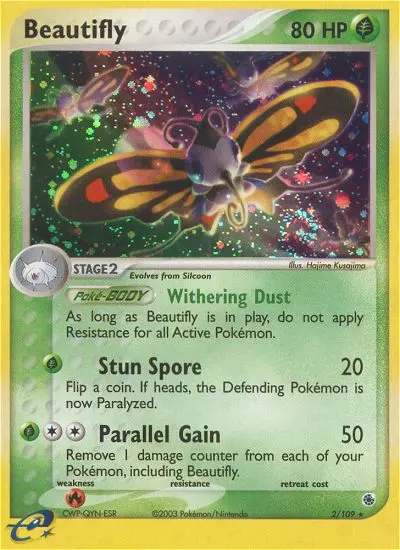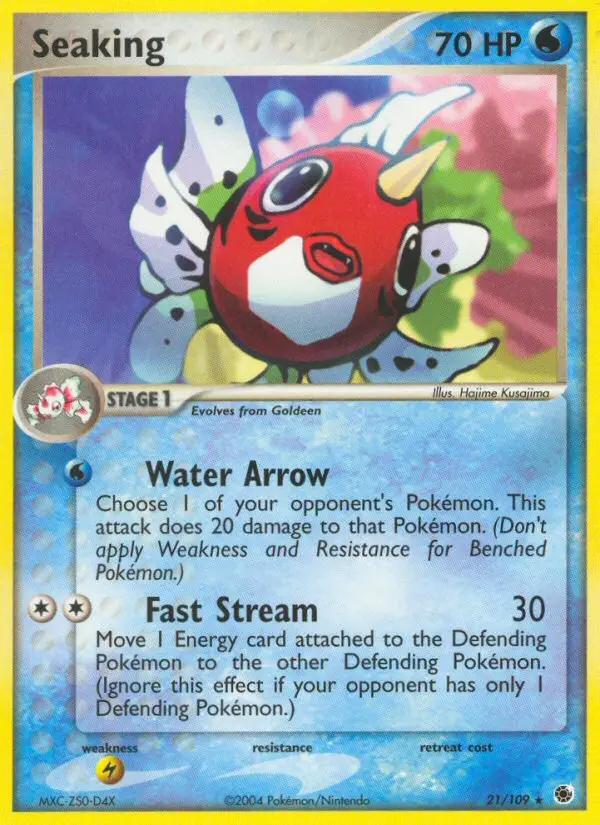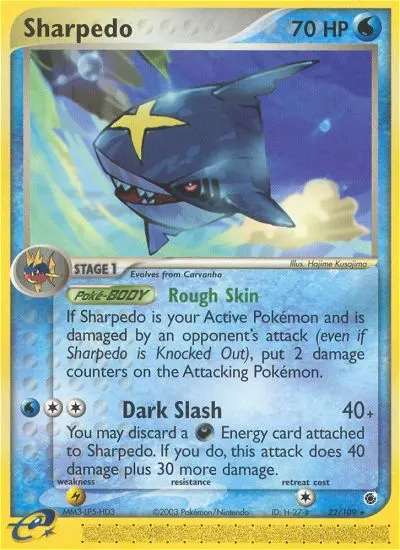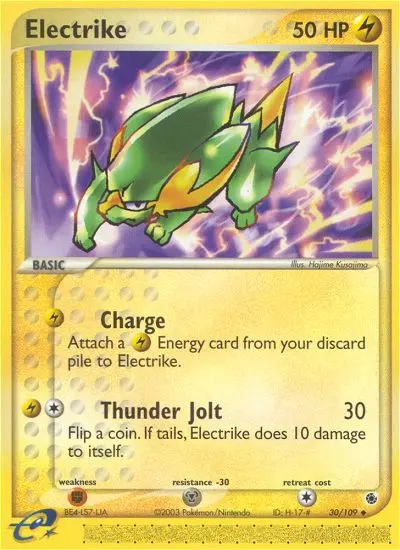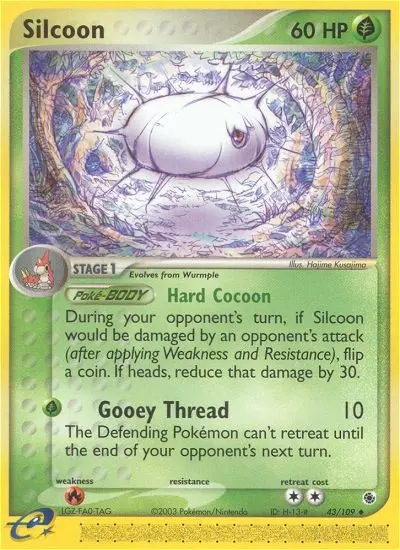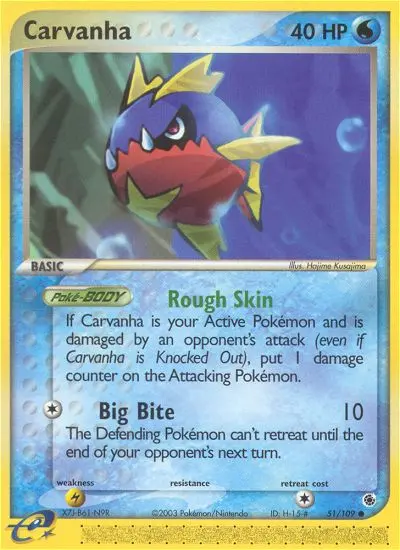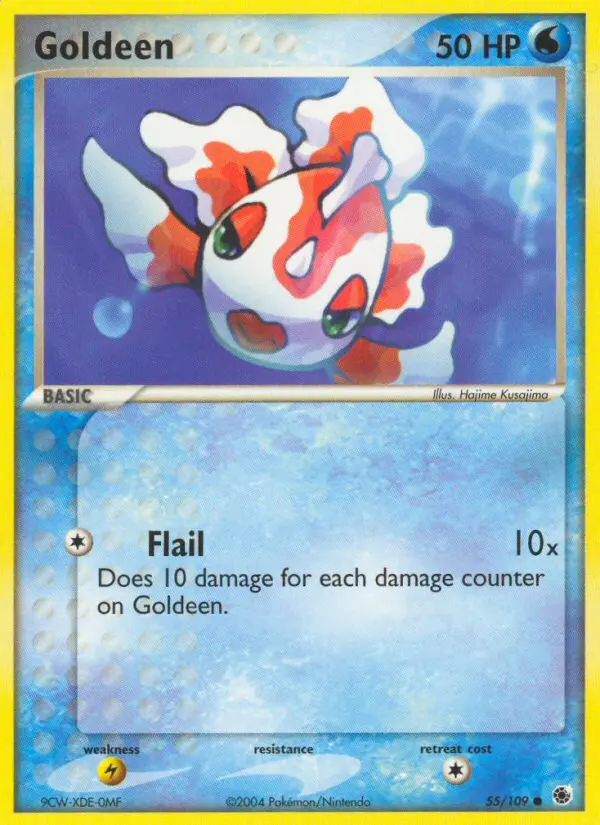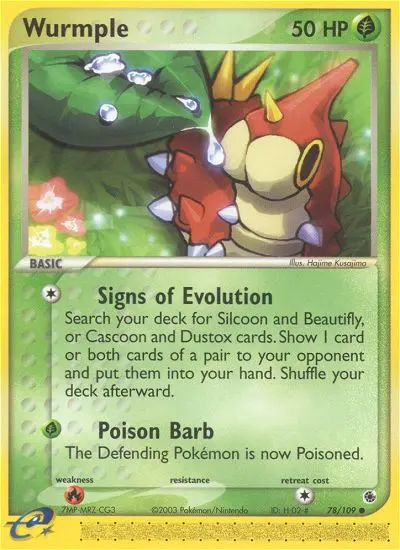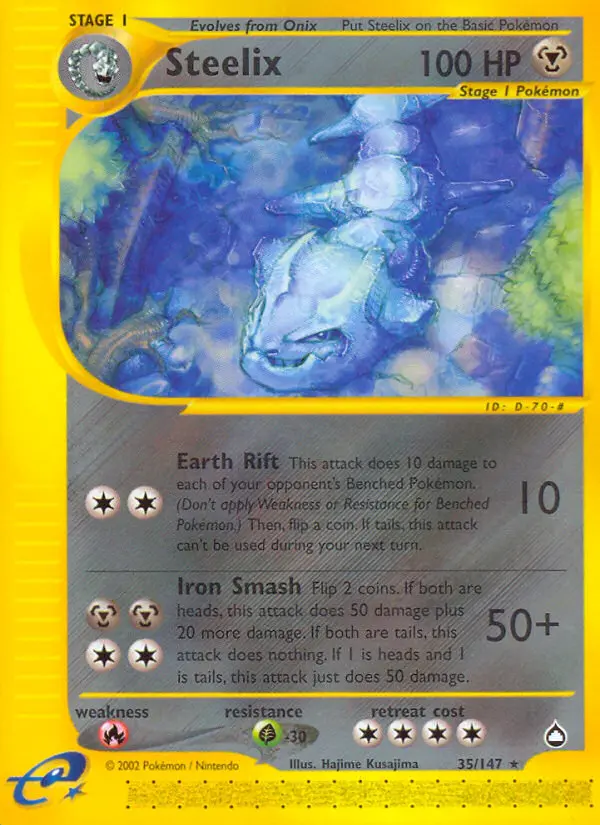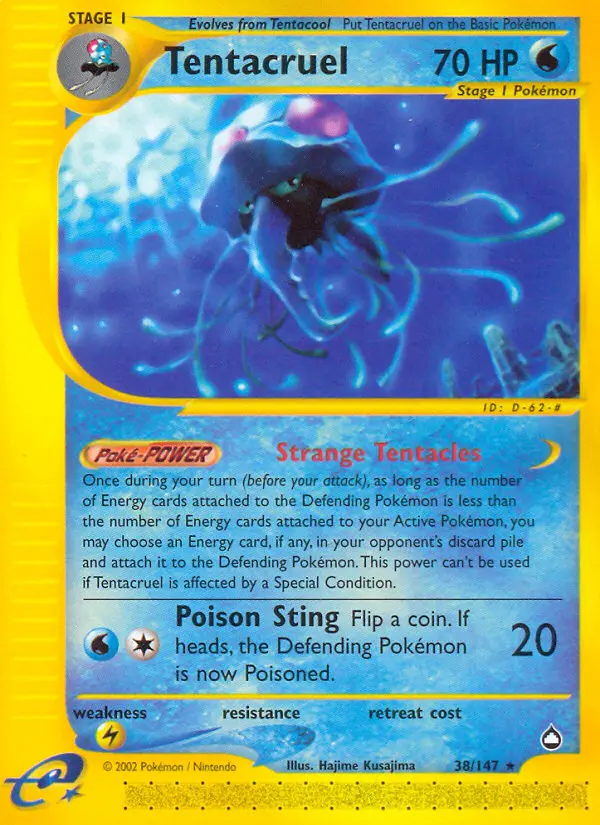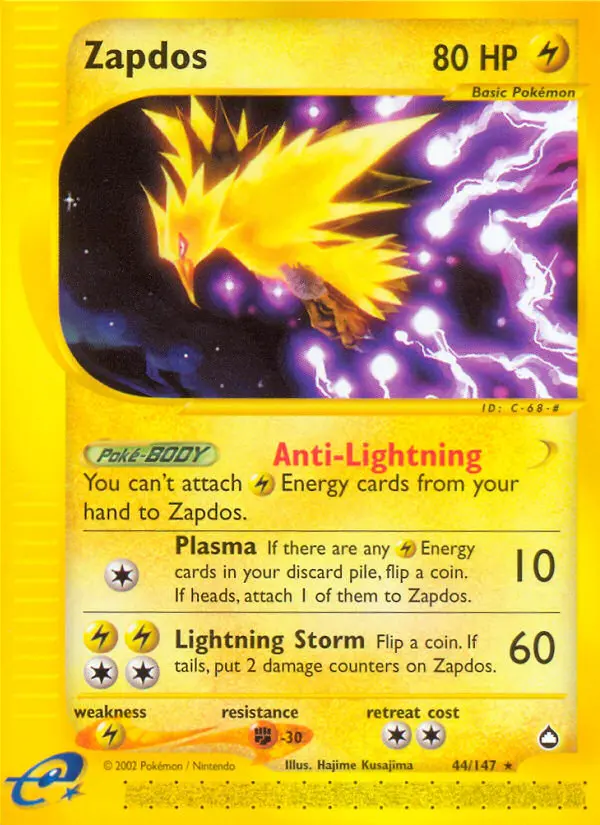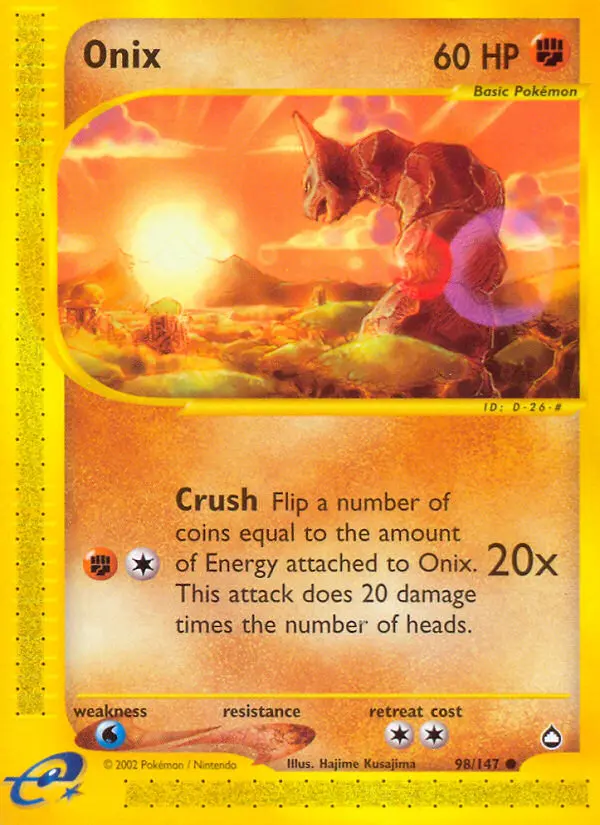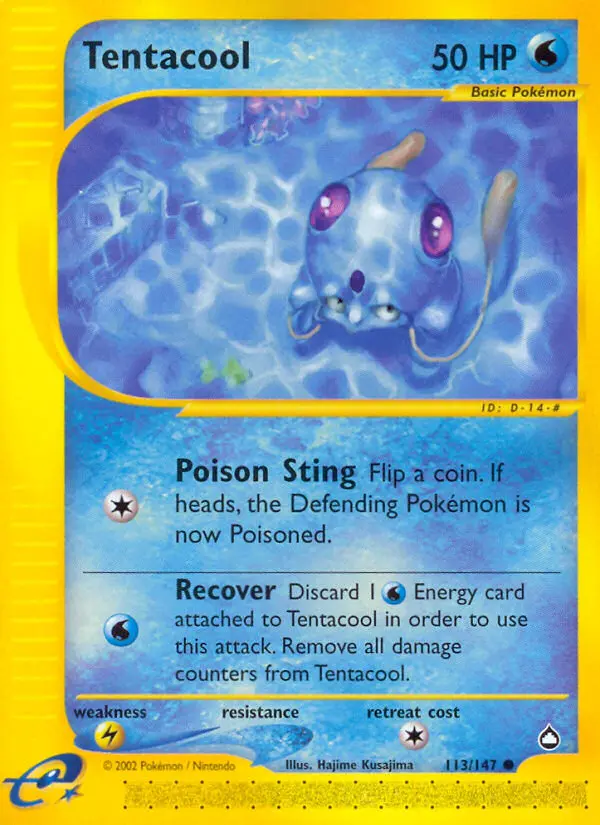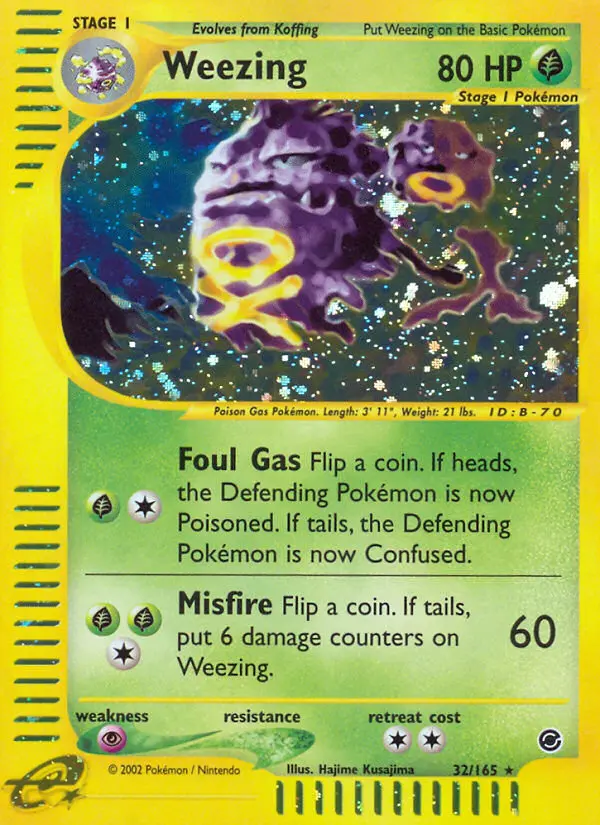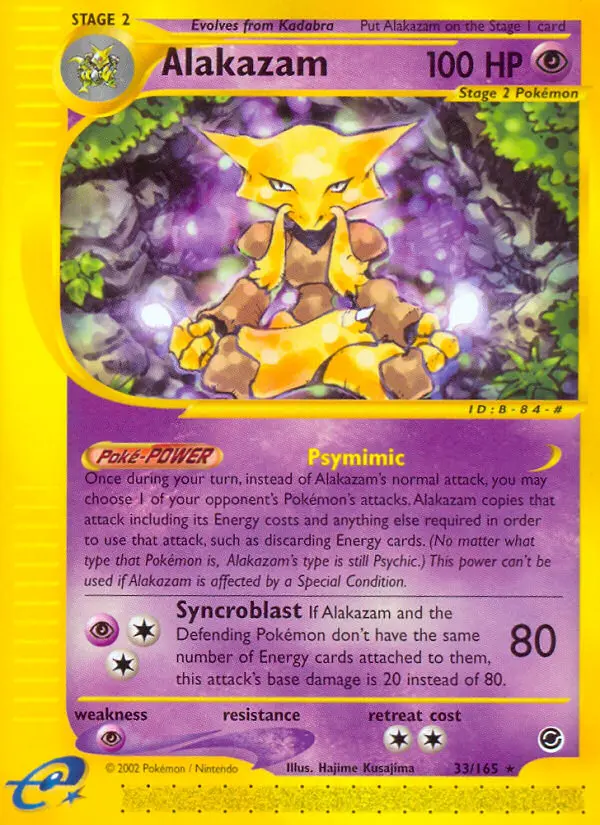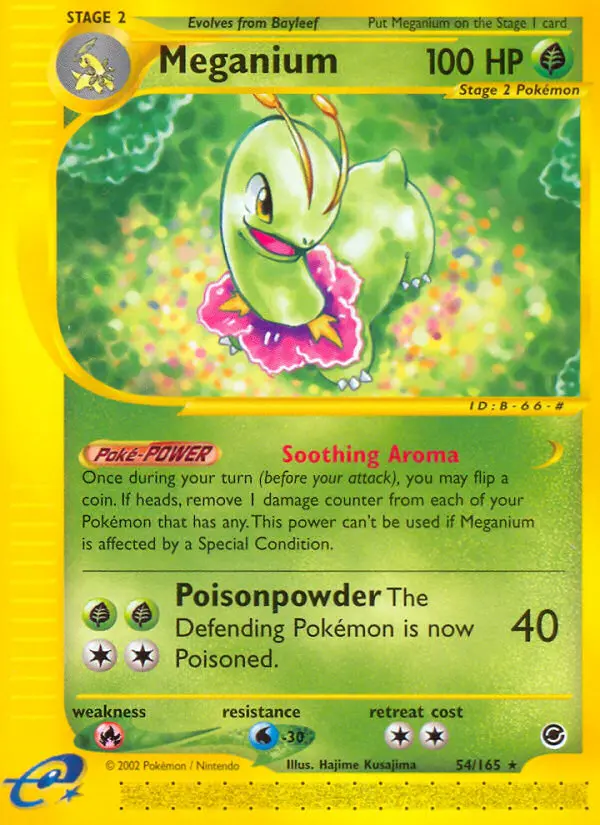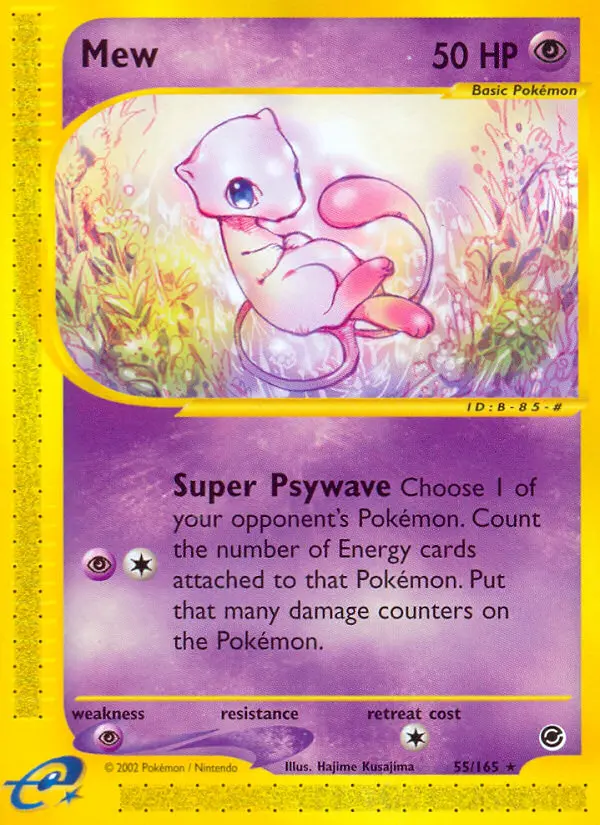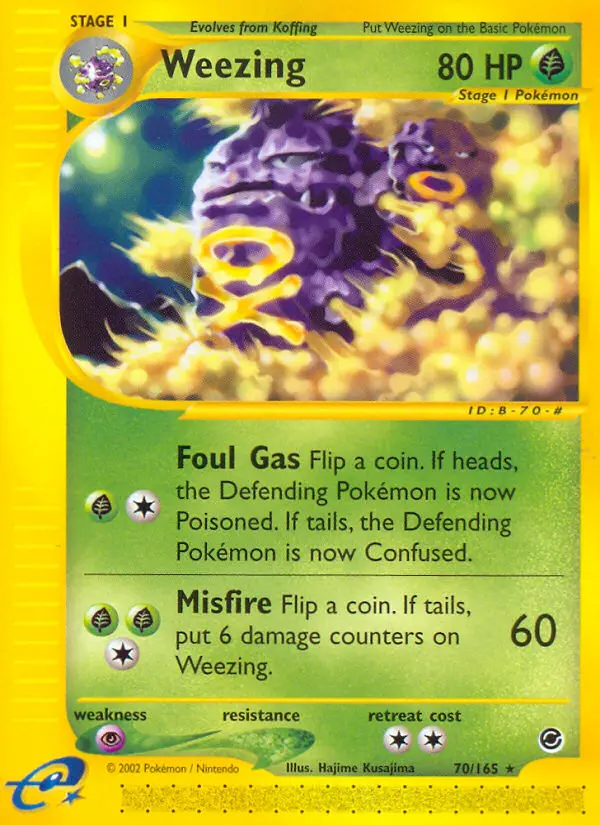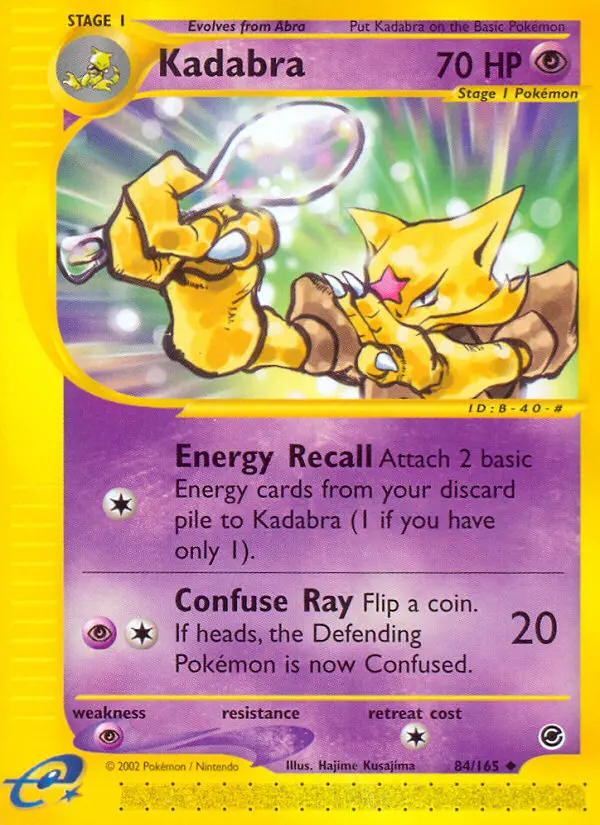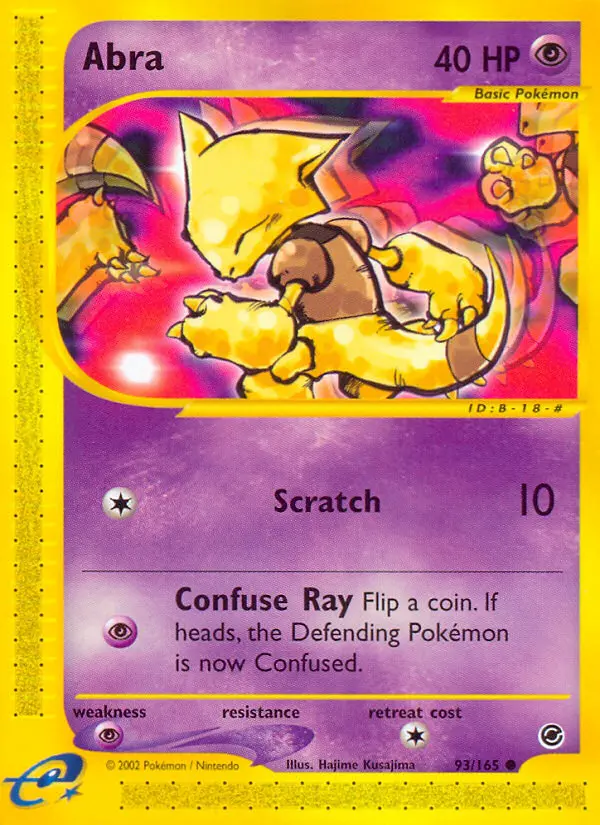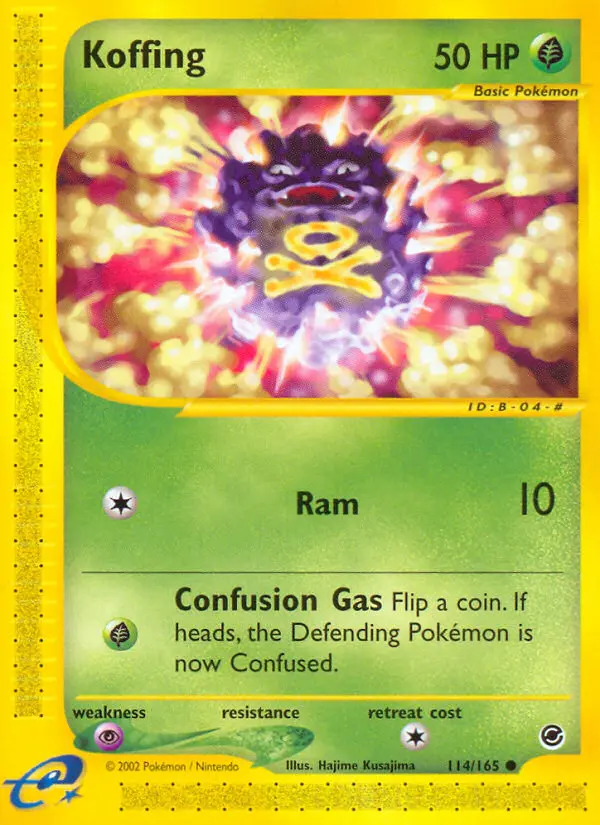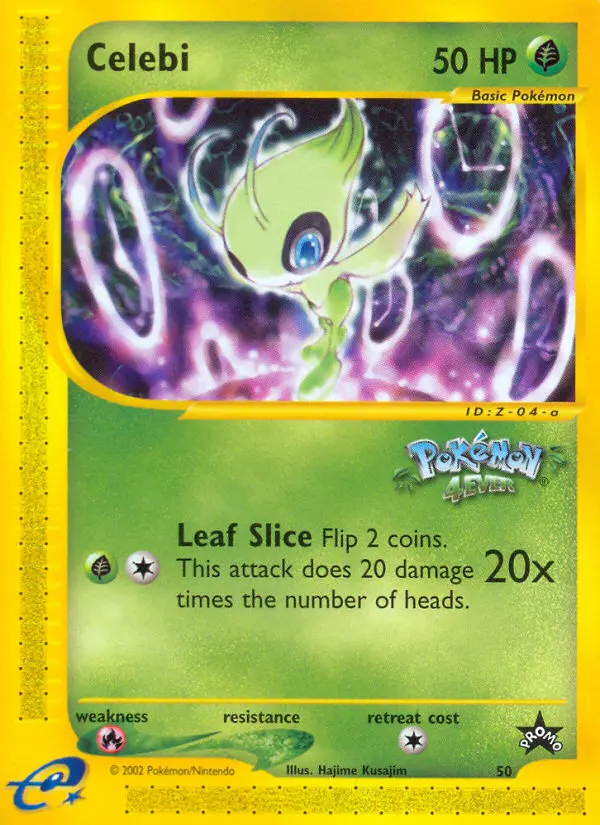
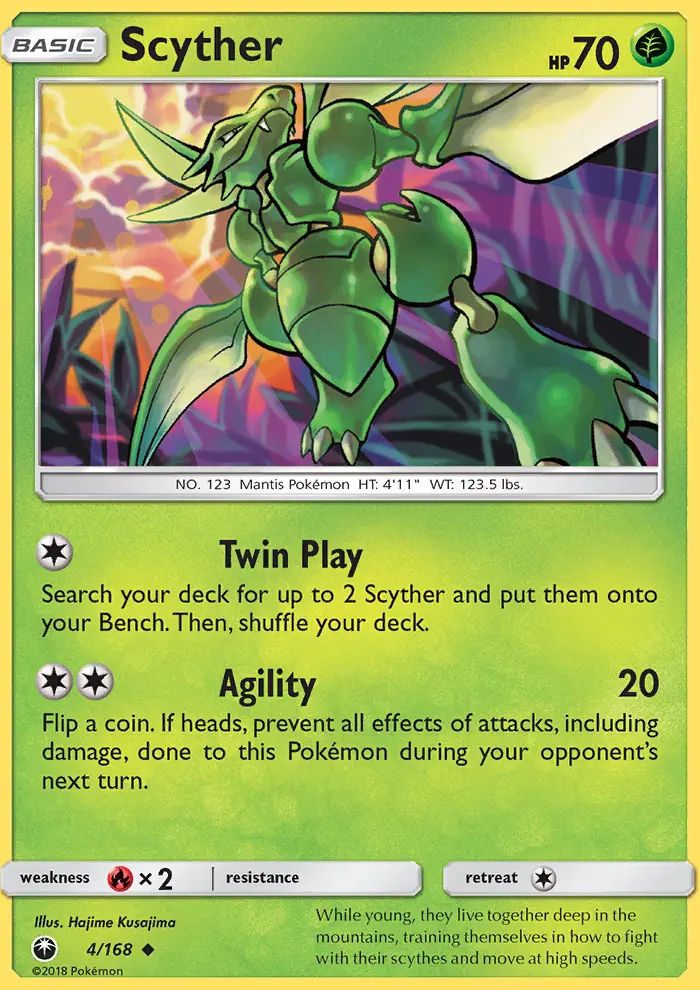
Hajime Kusajima is one of the artists who gives the e-Card and EX eras much of their visual variety. Bulbapedia identifies his first Japanese cards as Karen’s Pokémon from Pokémon VS, with his first English releases arriving in Expedition Base Set. In PKMN Collectors, he appears on more than 200 card records, with a run that stretches from early promos and Expedition through the EX period and into later returns.
Watercolor, ink and evolving color across the e-Card and EX eras
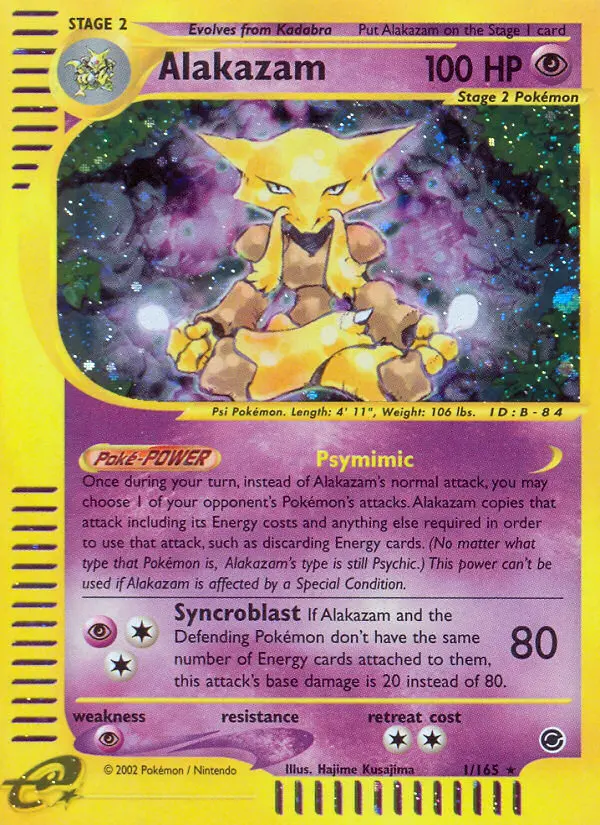
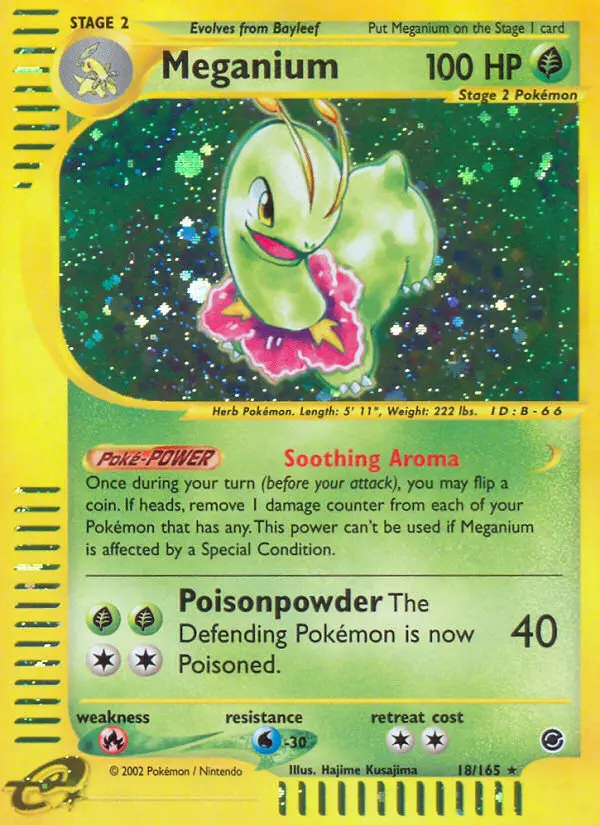
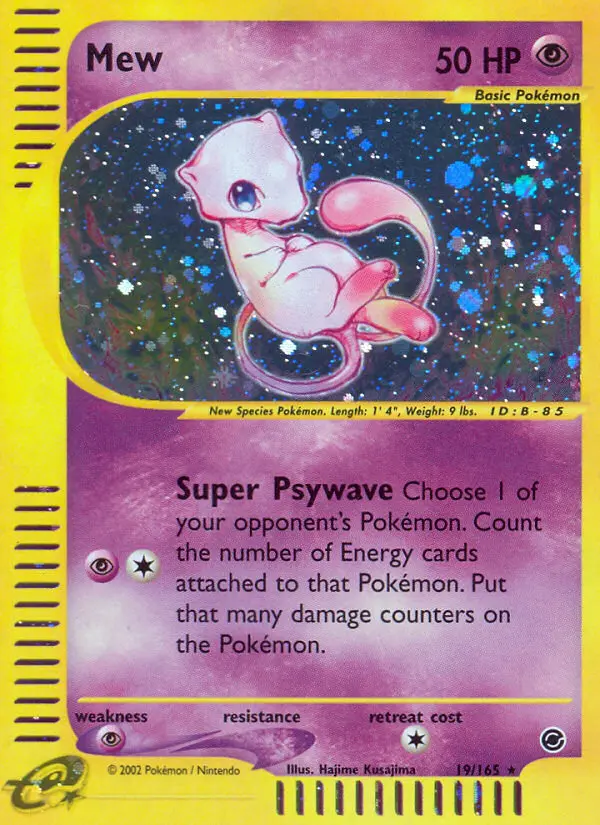
Kusajima is especially interesting because his style changes noticeably over time. Bulbapedia describes watercolor and ink during the e-Card Series, with lighter tones and thin outlines on some cards and heavier brushwork or deeper colors on more dominant images. Later, during the early EX Series, he moved toward a more computer-aided look with solid color, tone highlights and often colorful or detailed backgrounds. Toward the end of the EX era, he pushed heavier outlines, larger shadows and more vivid color while also returning at times to softer realism through light and shadow.
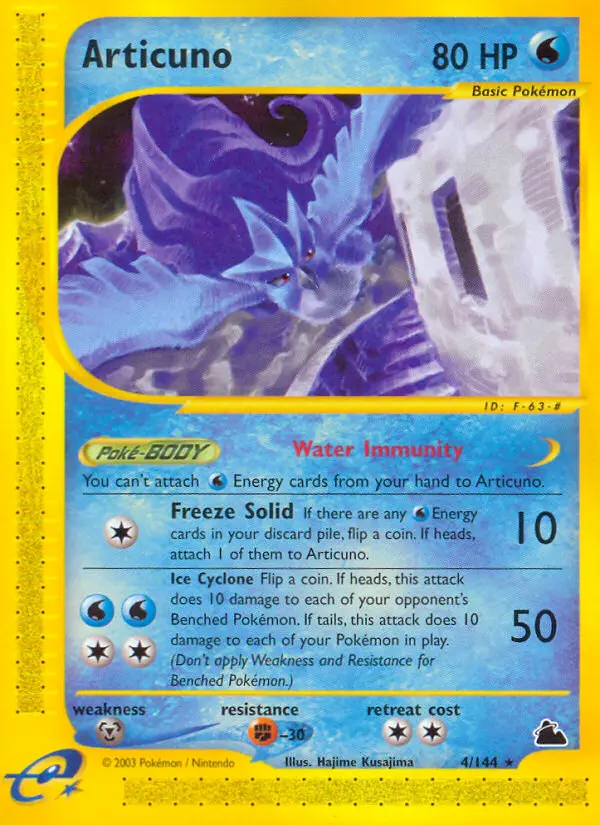
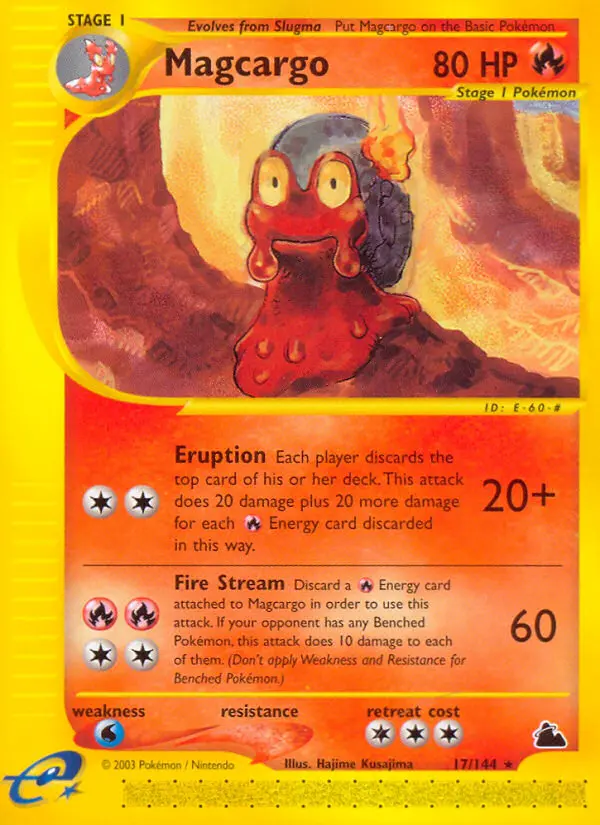
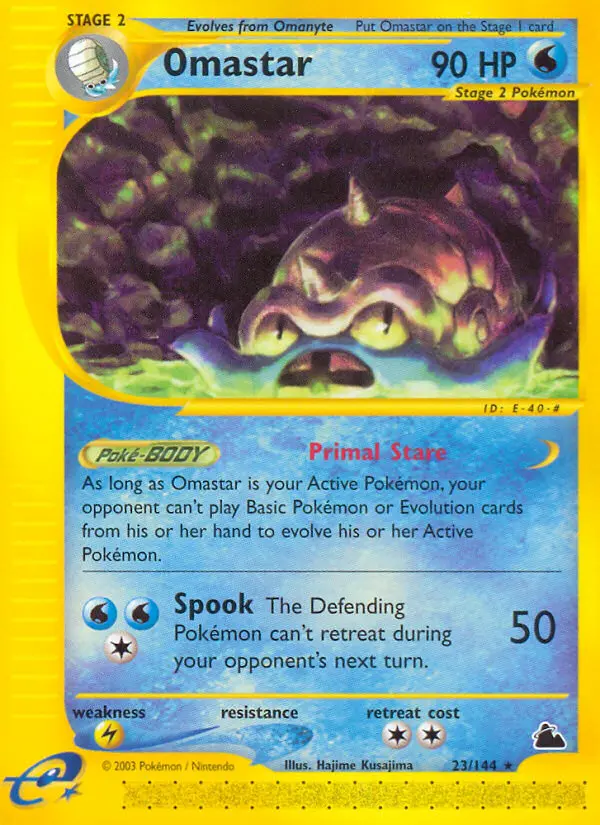
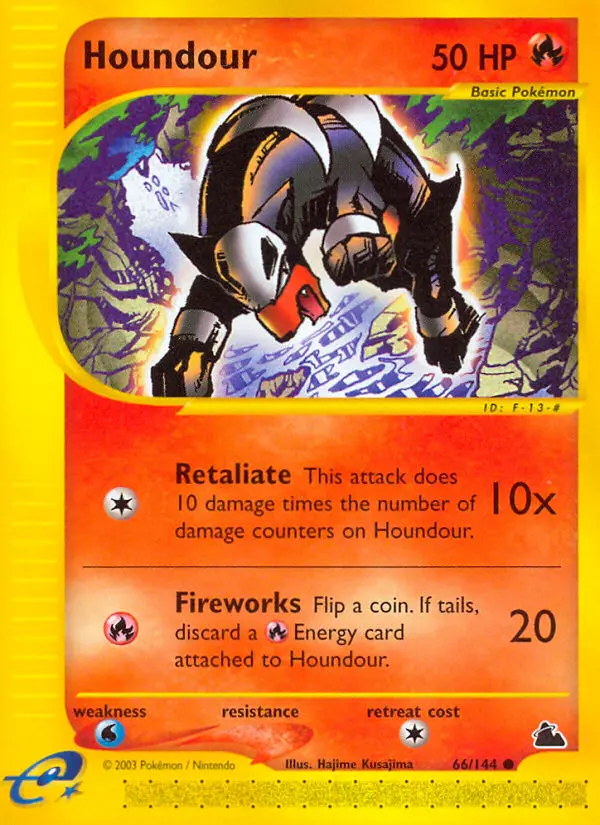
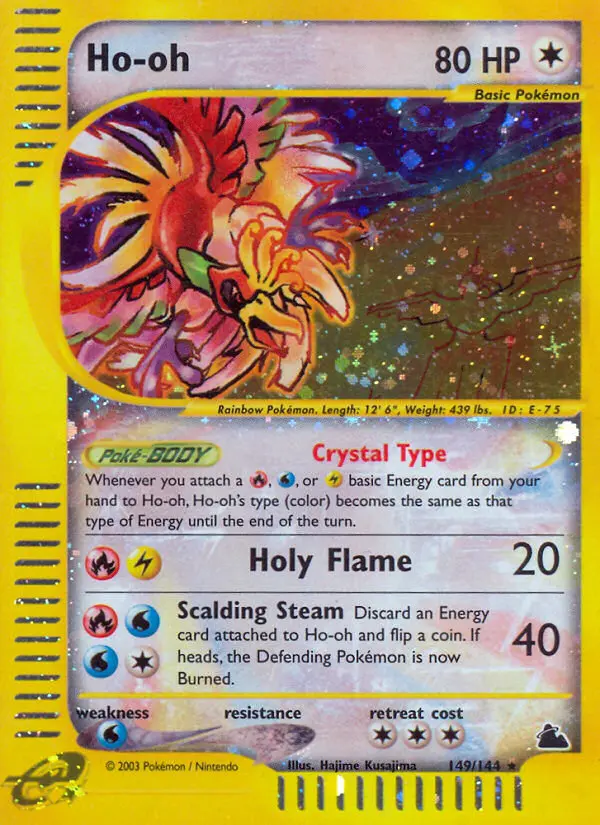
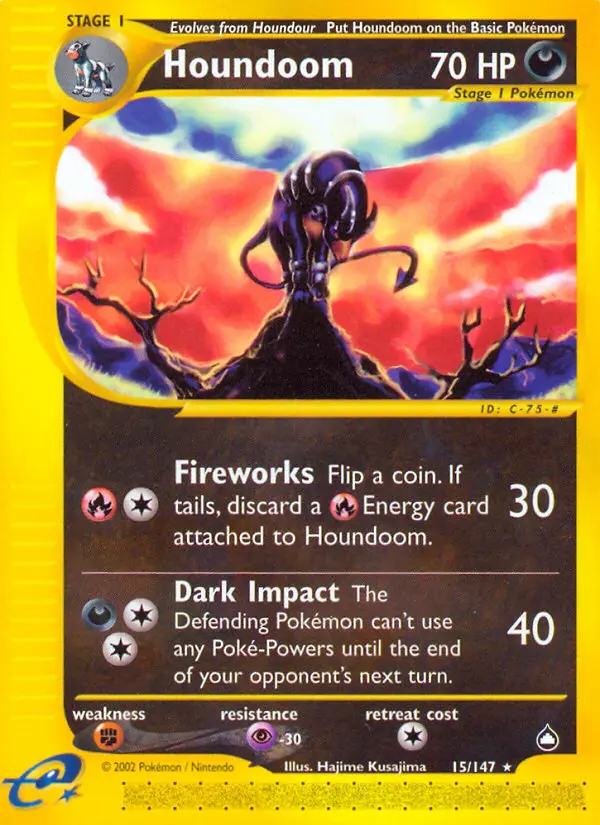
That evolution is visible in PKMN Collectors. Expedition examples include Alakazam, Meganium, Mew, Weezing, Abra and Kadabra, while Aquapolis brings Houndoom, Muk, Steelix, Tentacruel and Zapdos. Skyridge adds Articuno, Magcargo, Omastar, Ho-oh and several holographic e-Card favorites. These cards are strong for collectors because they combine early-2000s experimentation with a real sense of mood: psychic effects, metallic bodies, toxic clouds, skies and dramatic lighting all carry weight.
His EX-era work is broad and muscular. Cards such as Flygon, Ninjask, Heracross, Machamp, Typhlosion, Marowak δ, Gyarados δ, Venusaur and Ninetales δ show a style that can move from painterly atmosphere into dense color and forceful outlines. The delta species cards are particularly useful for seeing how he handled unusual color identity and altered type concepts without losing the Pokémon’s recognizability.
For collectors, Kusajima rewards era-based collecting. His cards sit right where the TCG was moving from Wizards-era visual traditions into the bolder EX identity, then later into selective returns. A binder of his work can feel like a tour through Pokémon TCG’s changing production methods: ink, watercolor, digital support, saturated color and high-contrast composition.
Hajime Kusajima is worth knowing because his catalog shows style as movement. His cards are not one fixed signature, but a sequence of experiments that helped make the e-Card and EX years feel rich, textured and unpredictable.