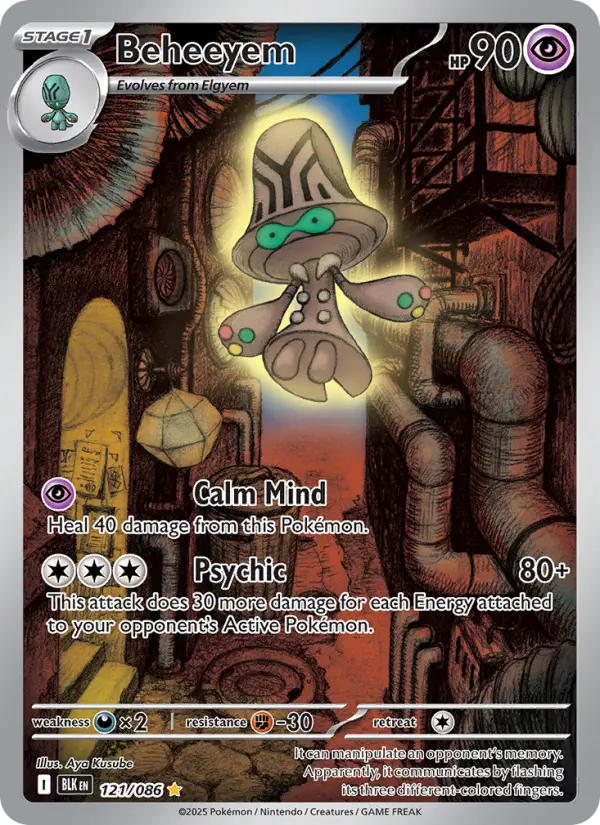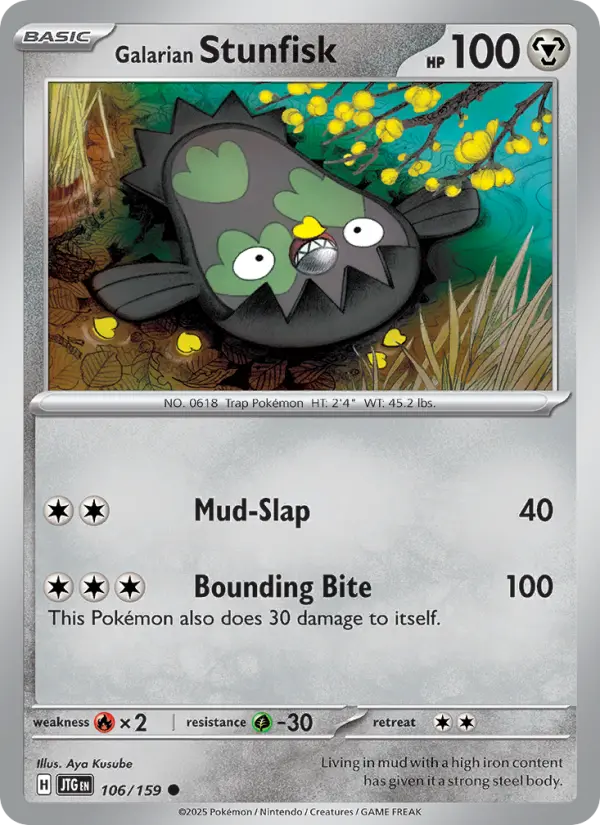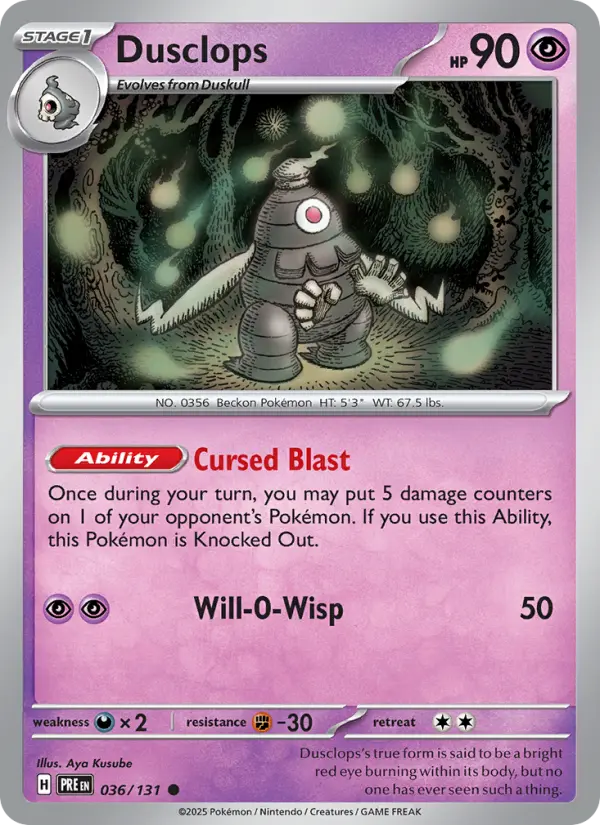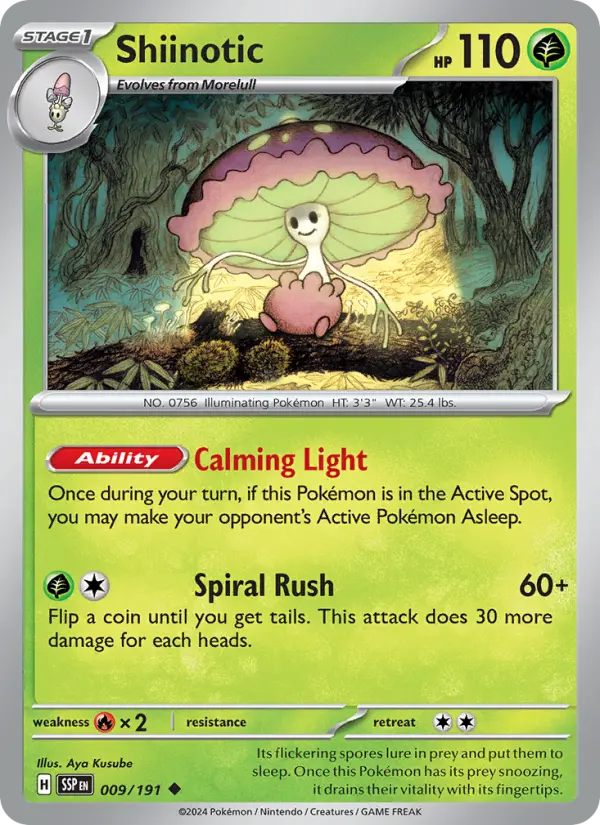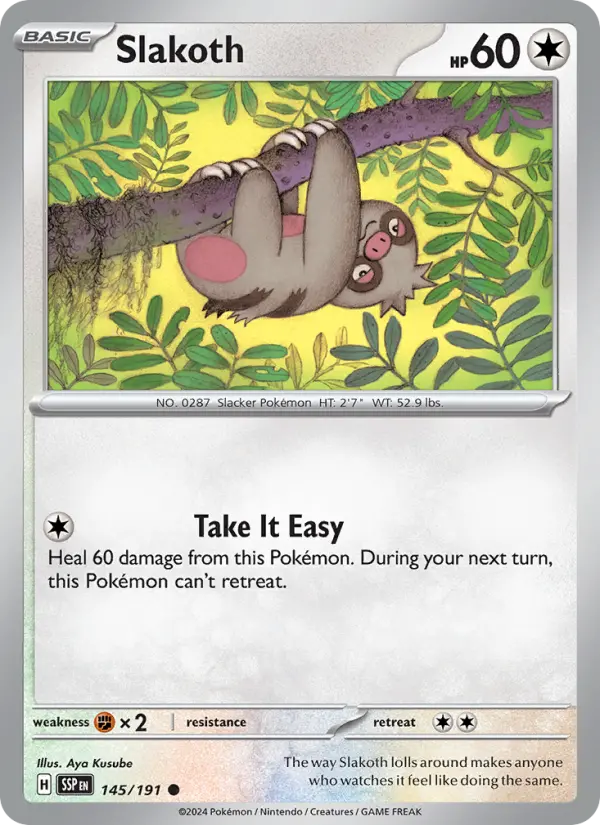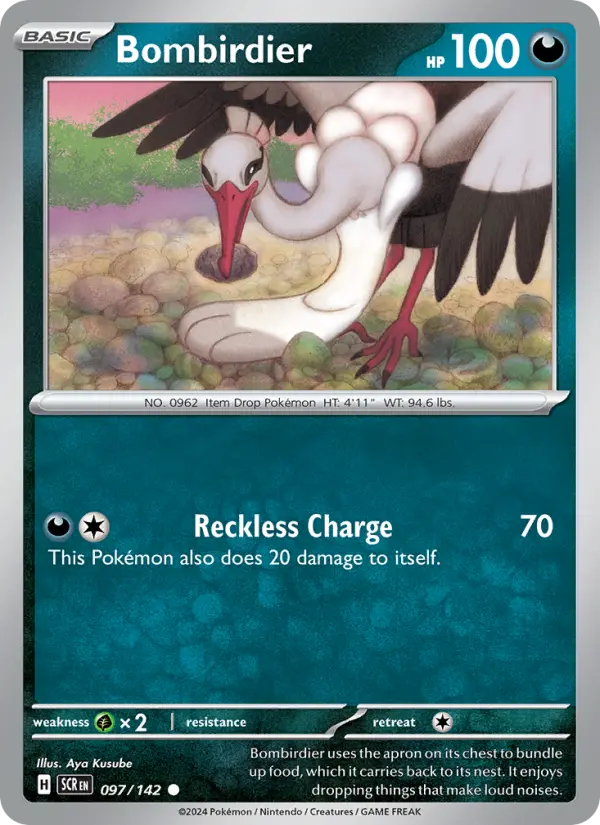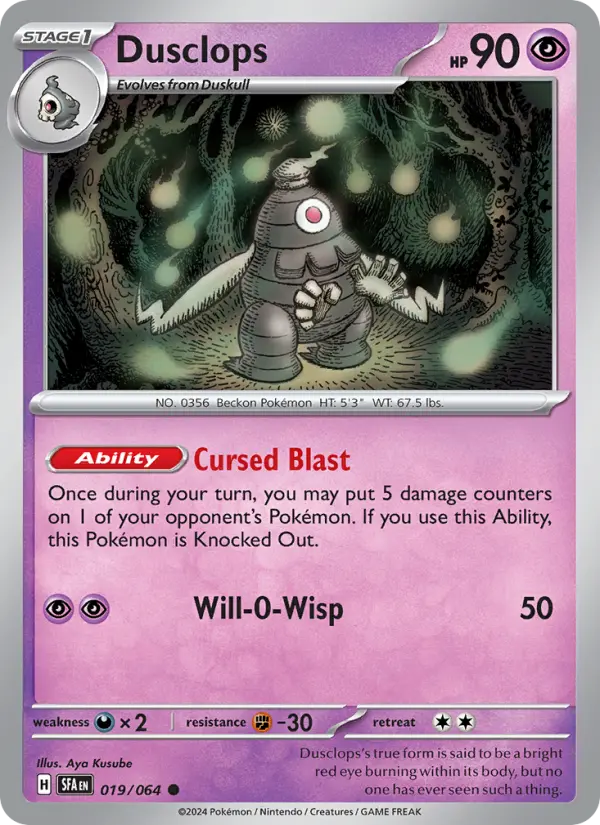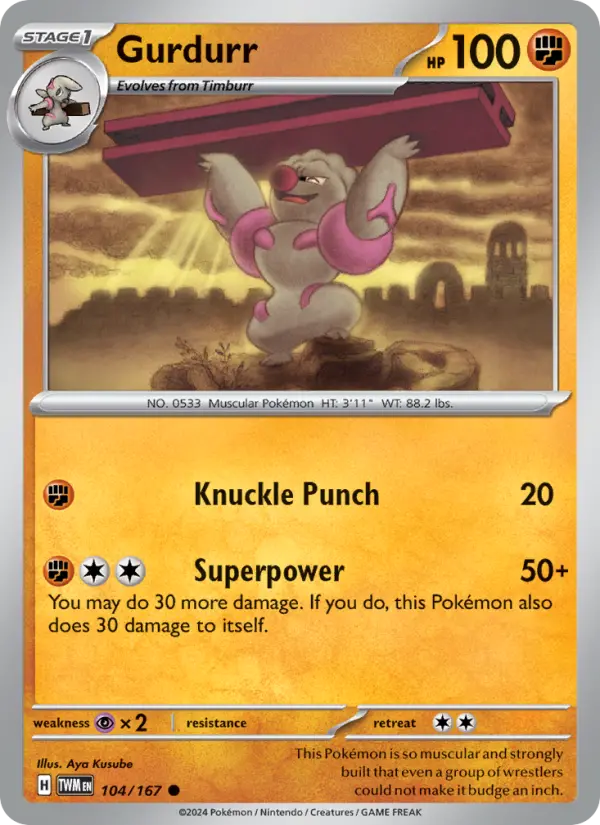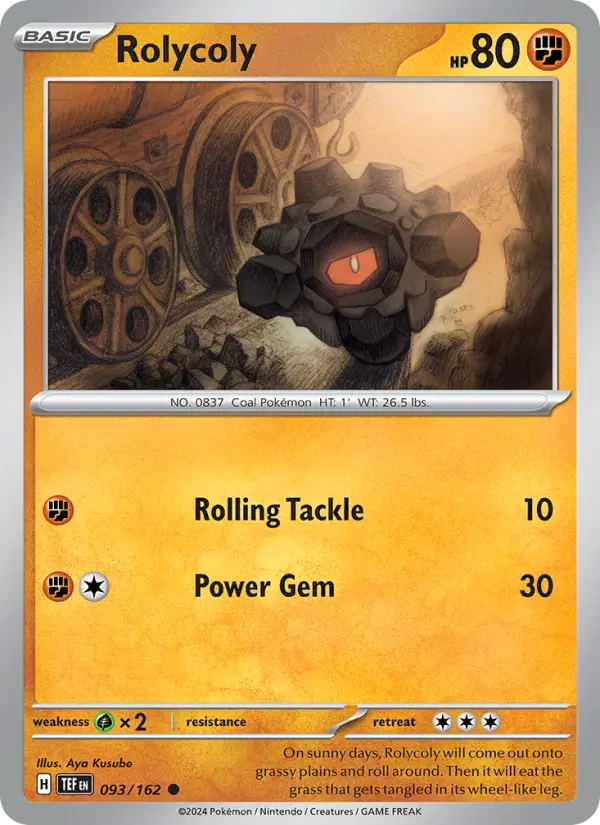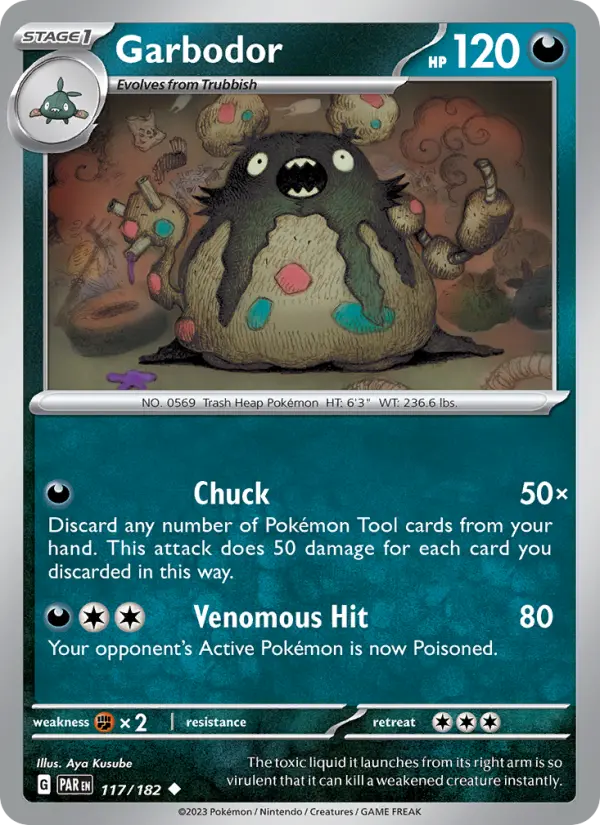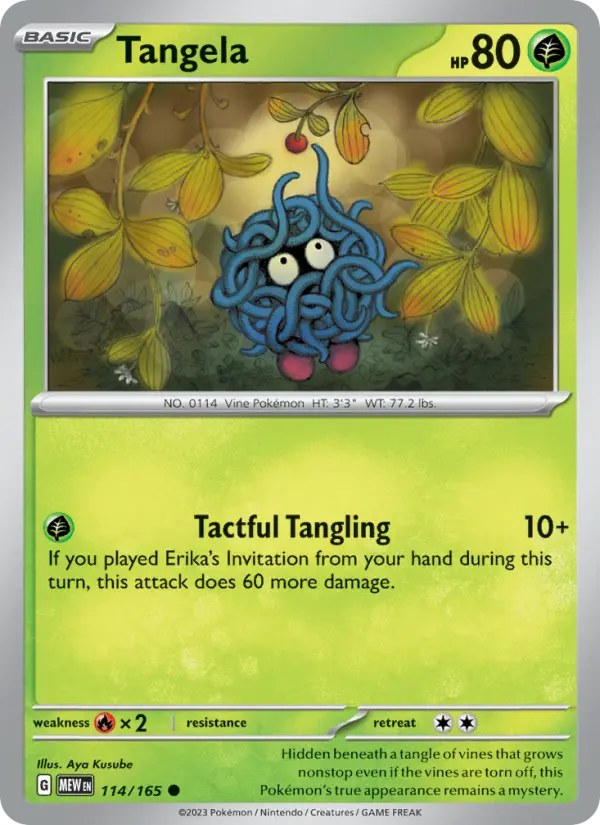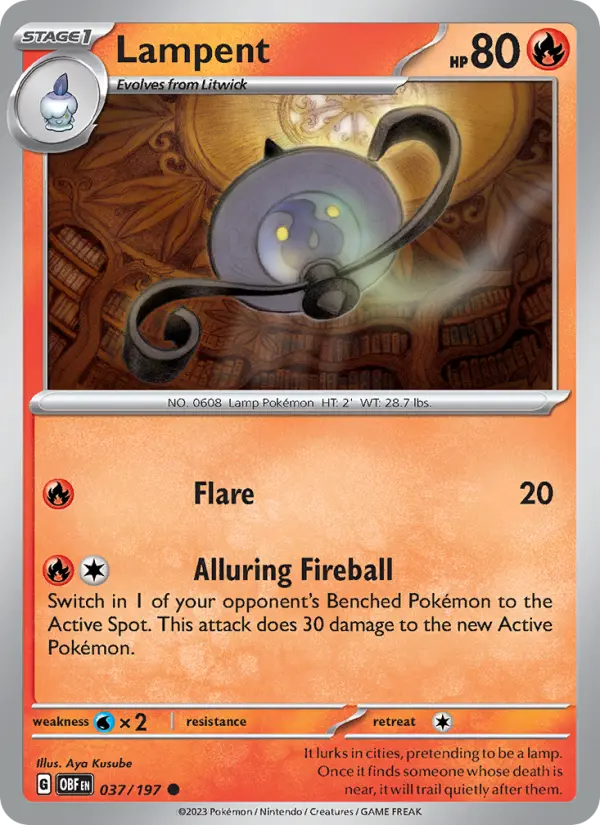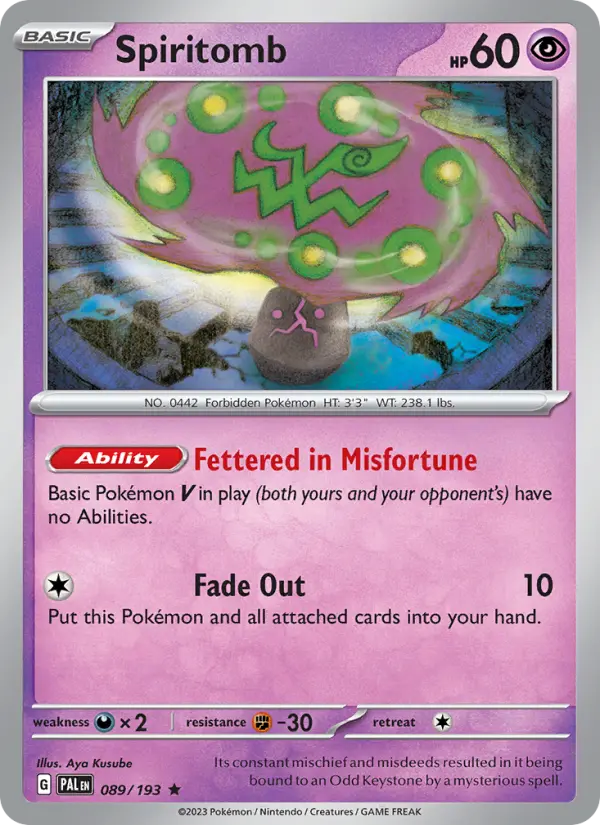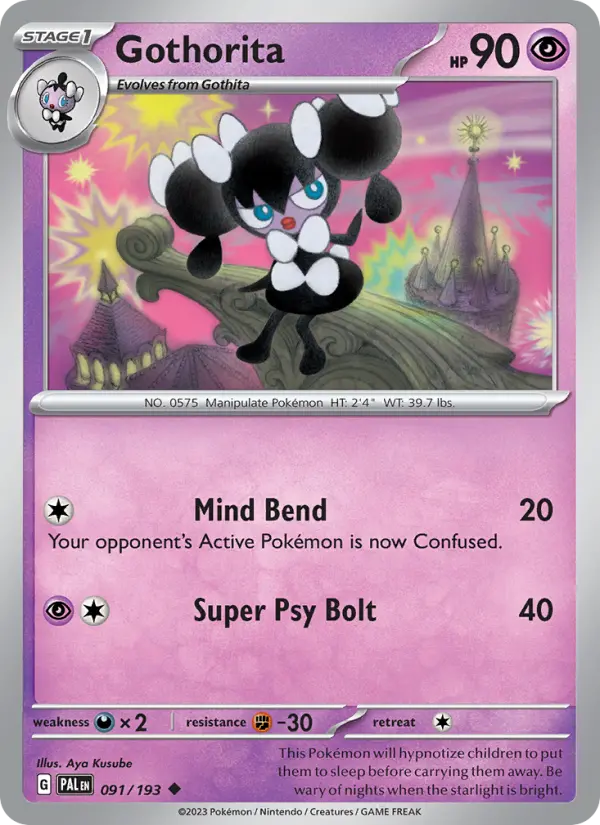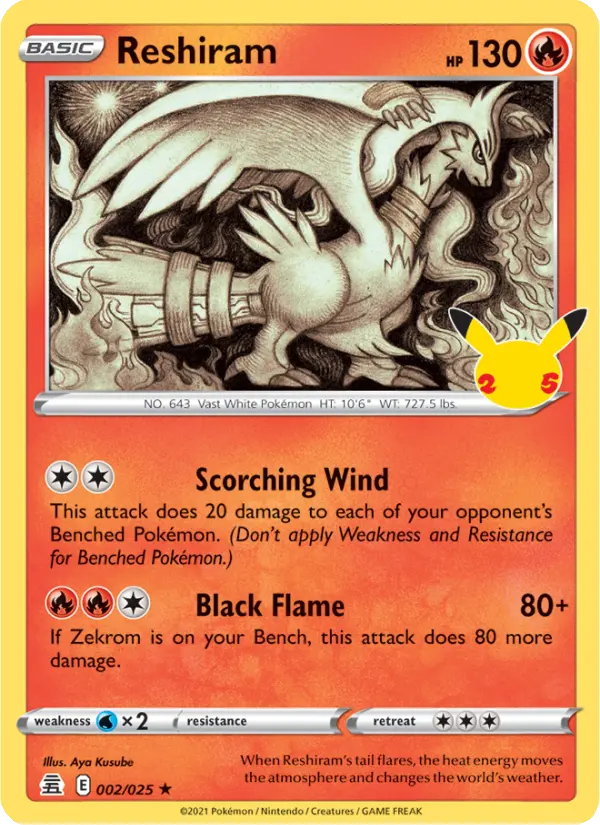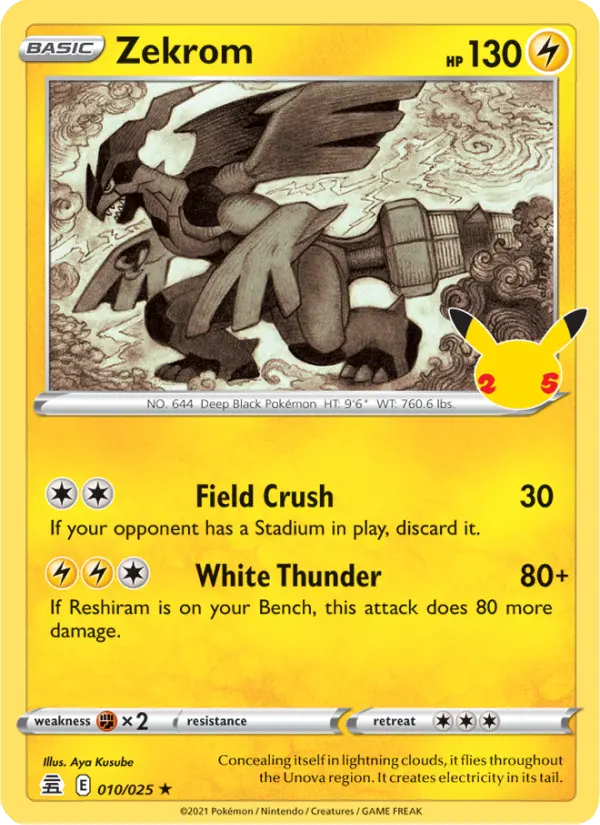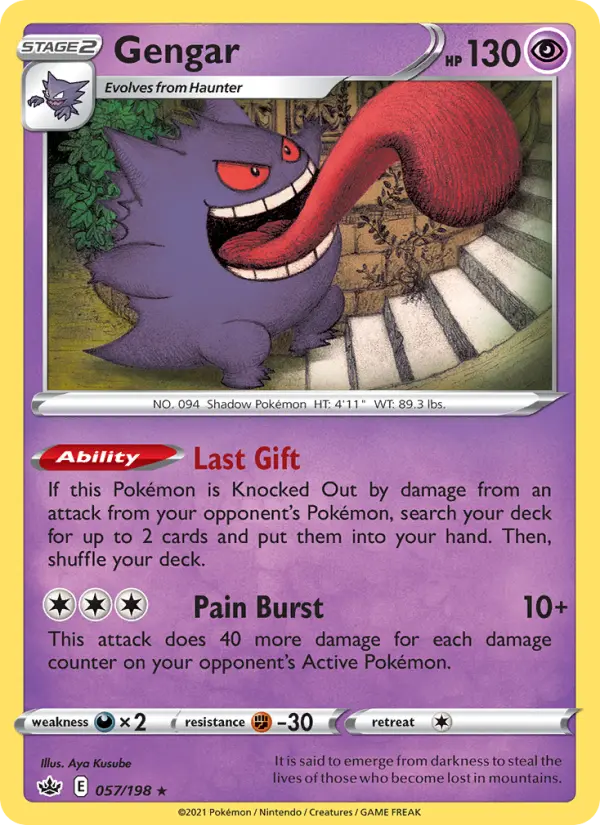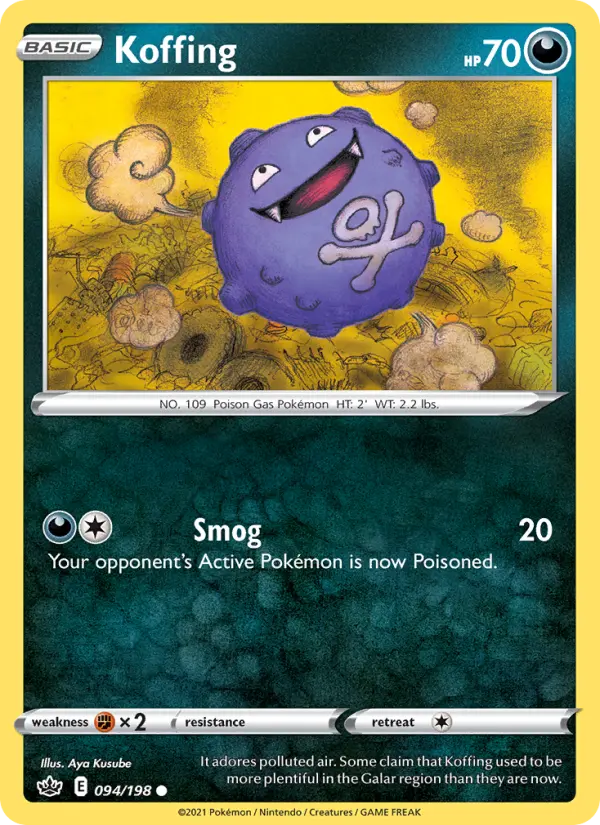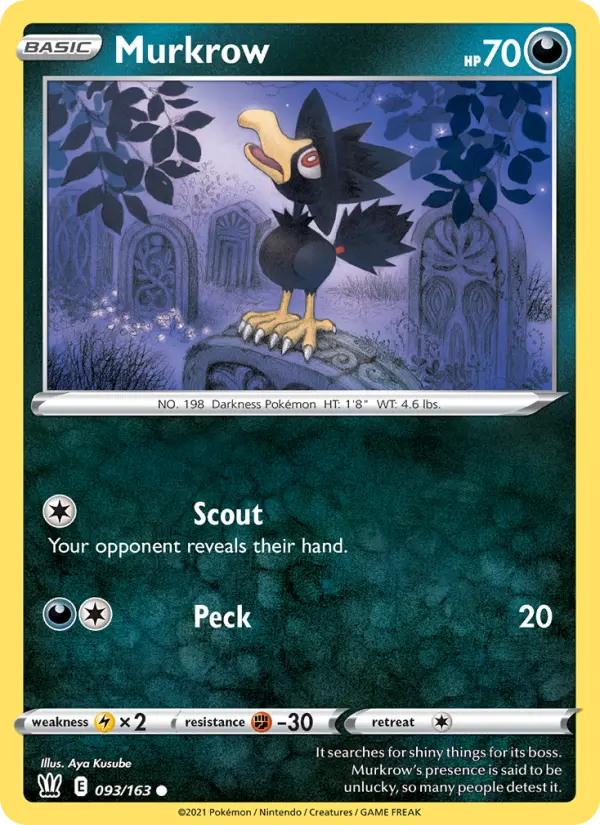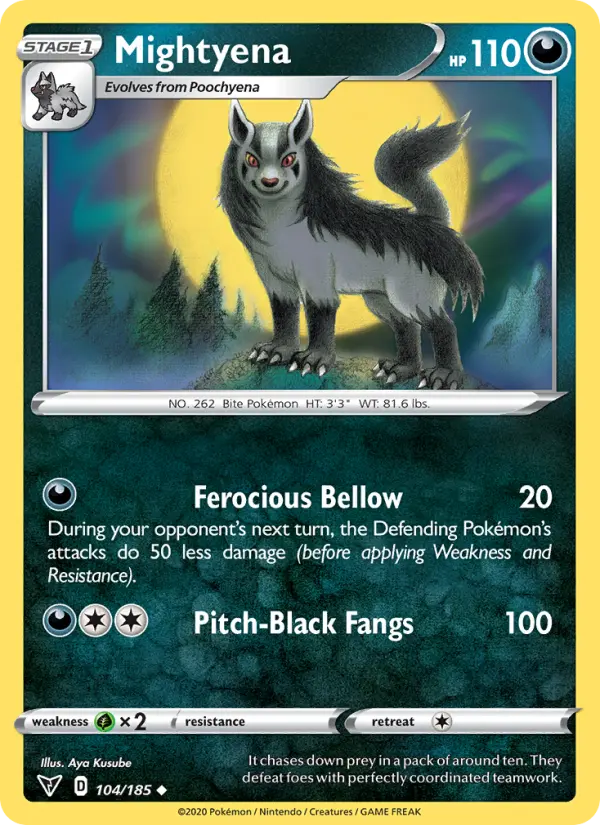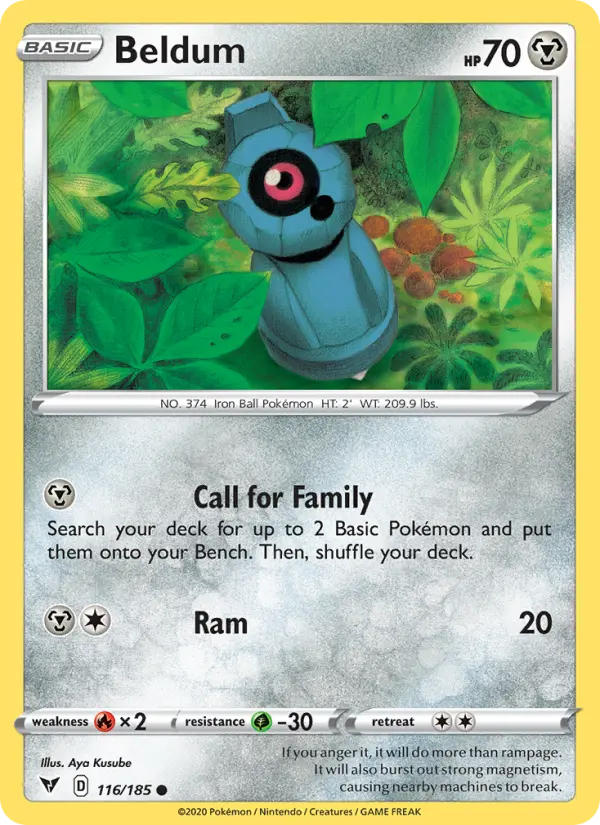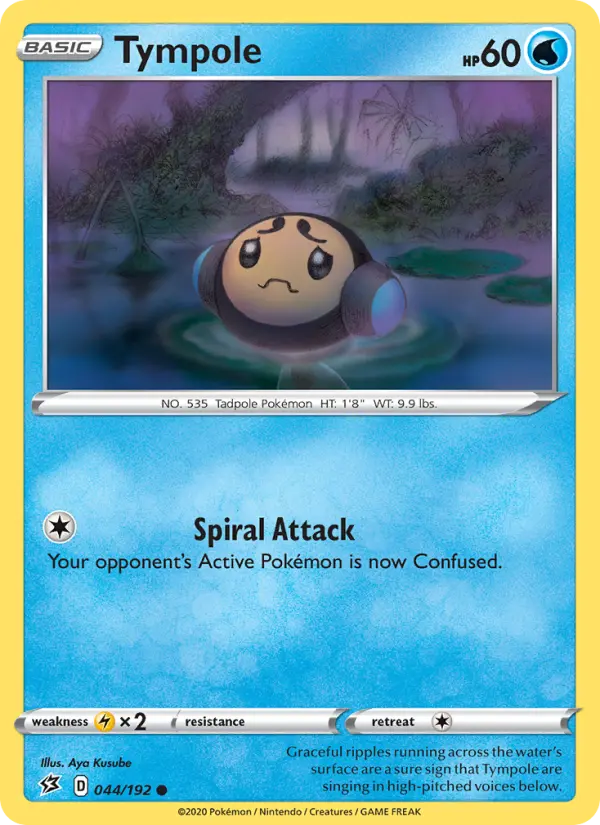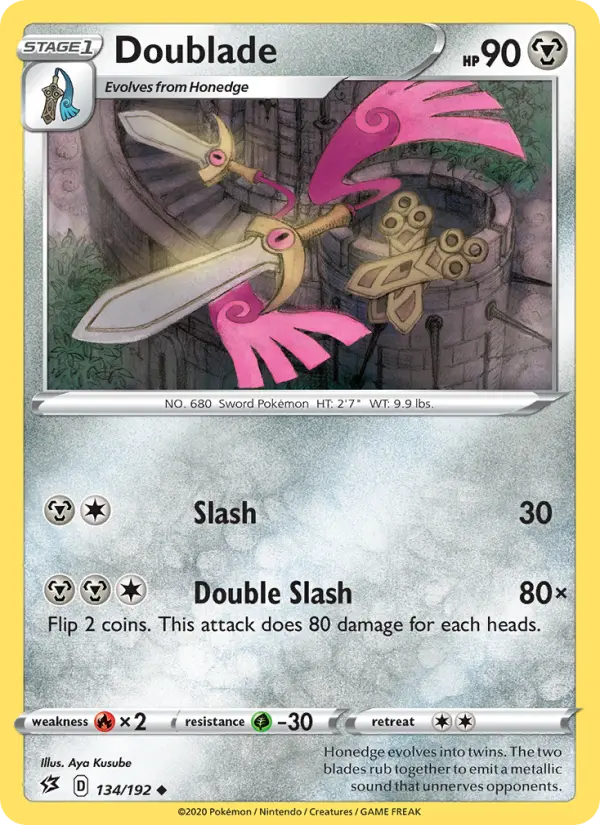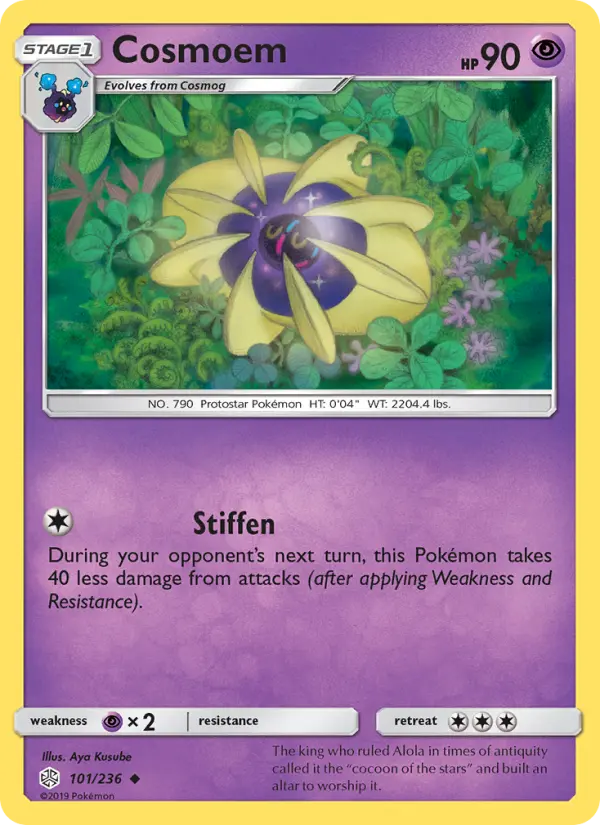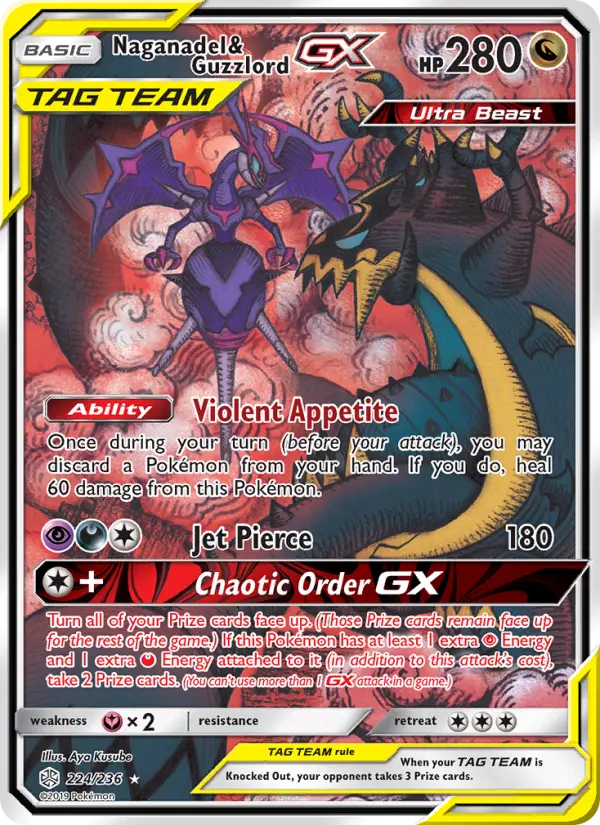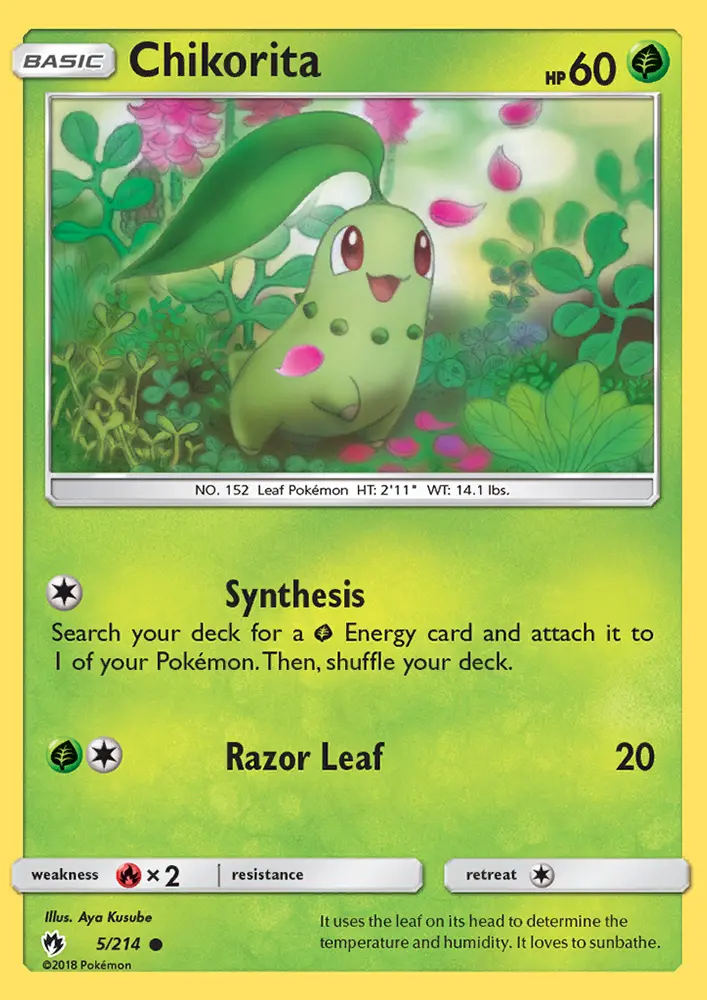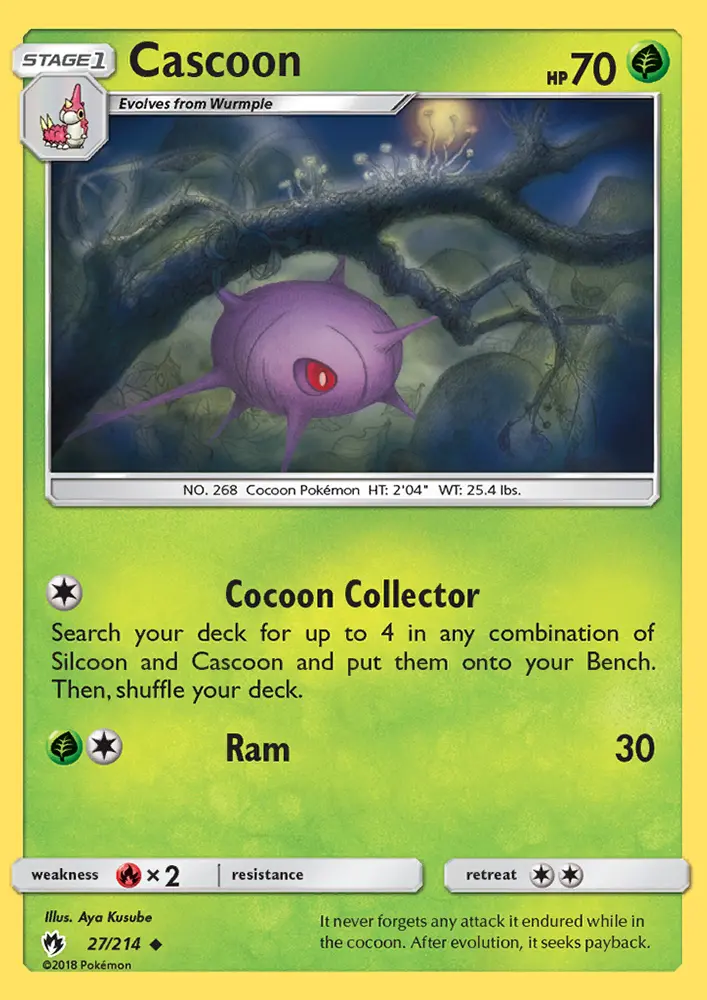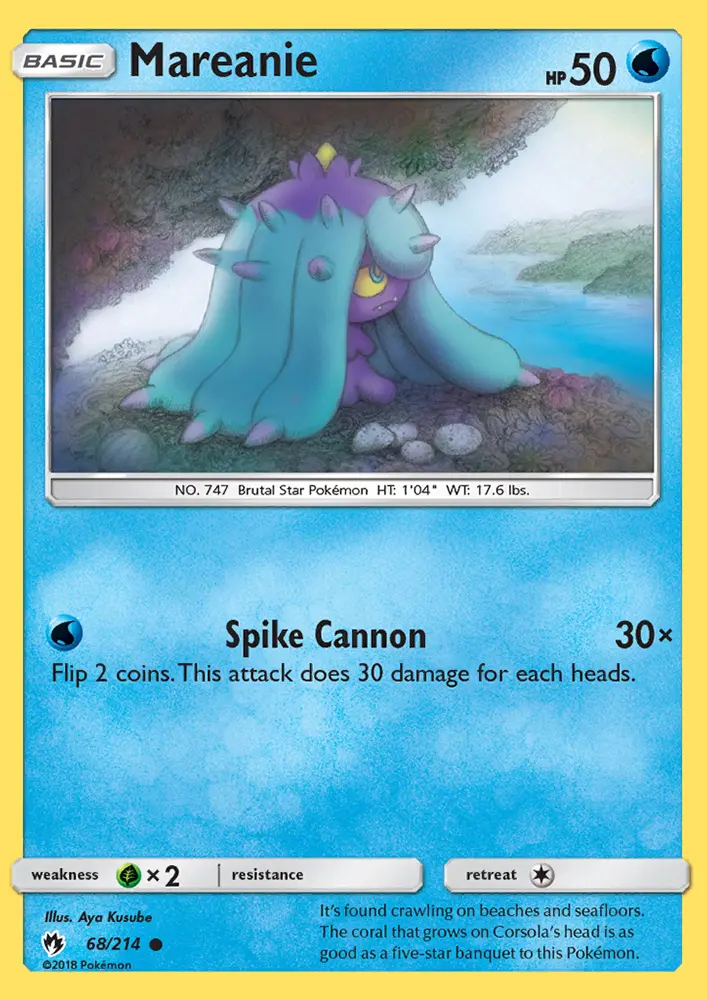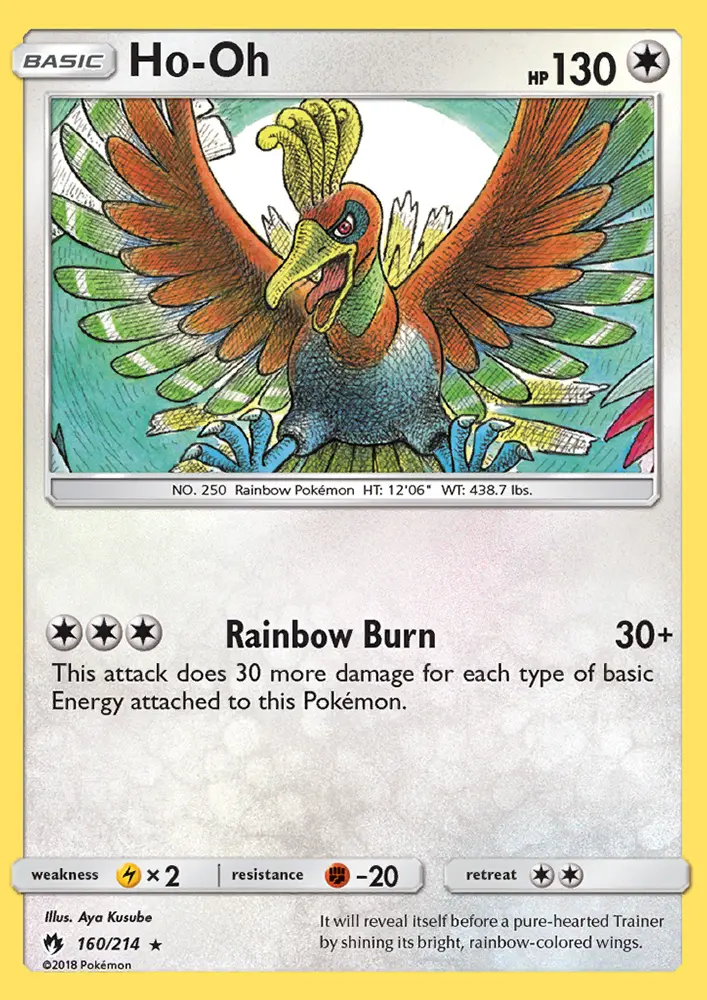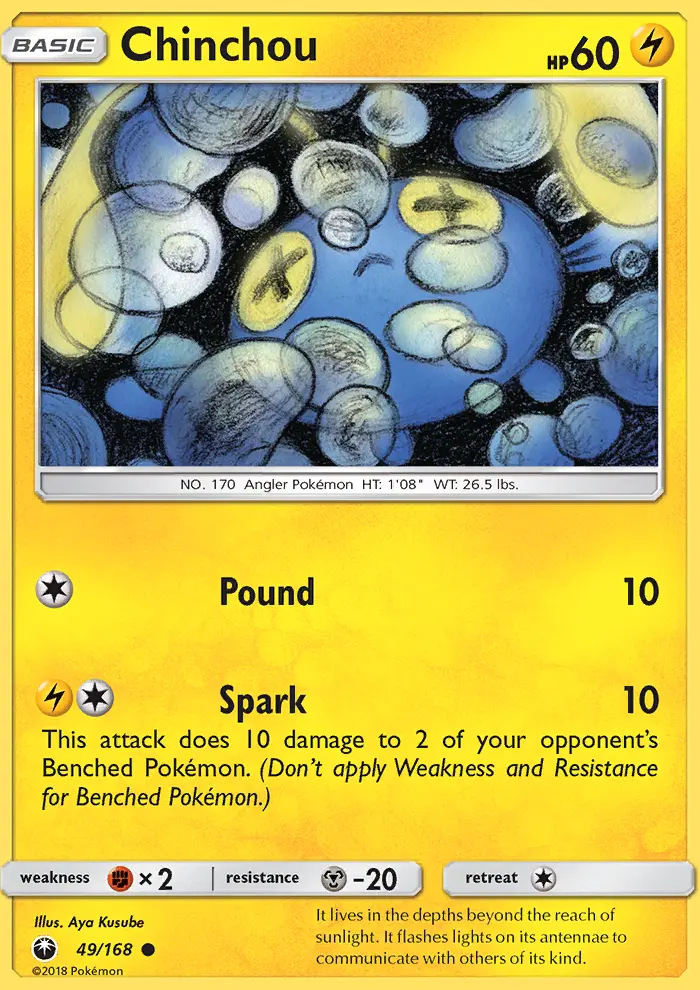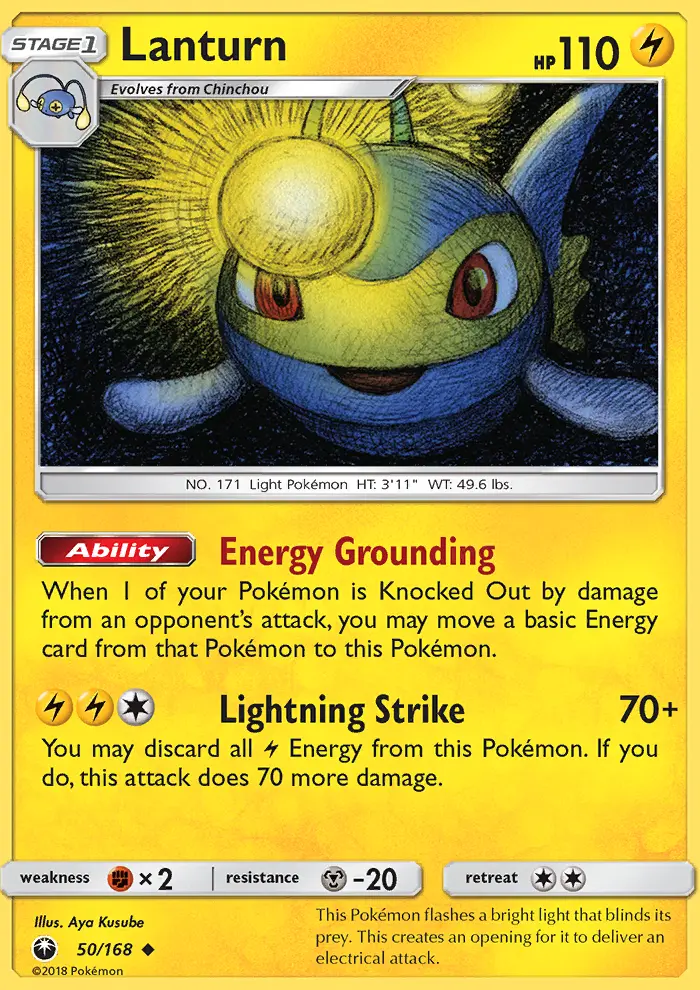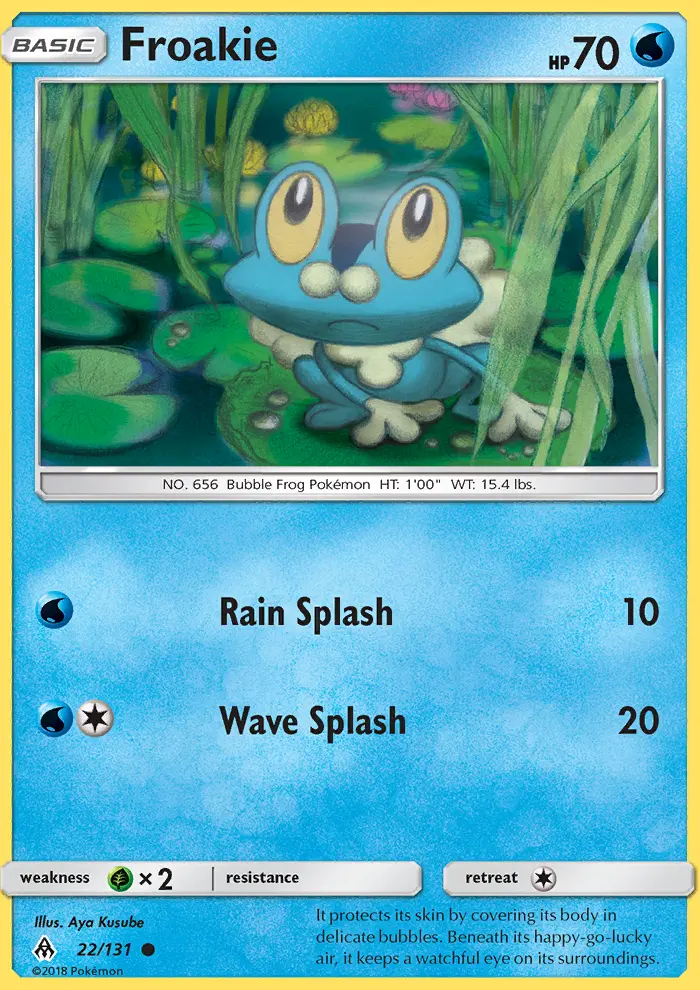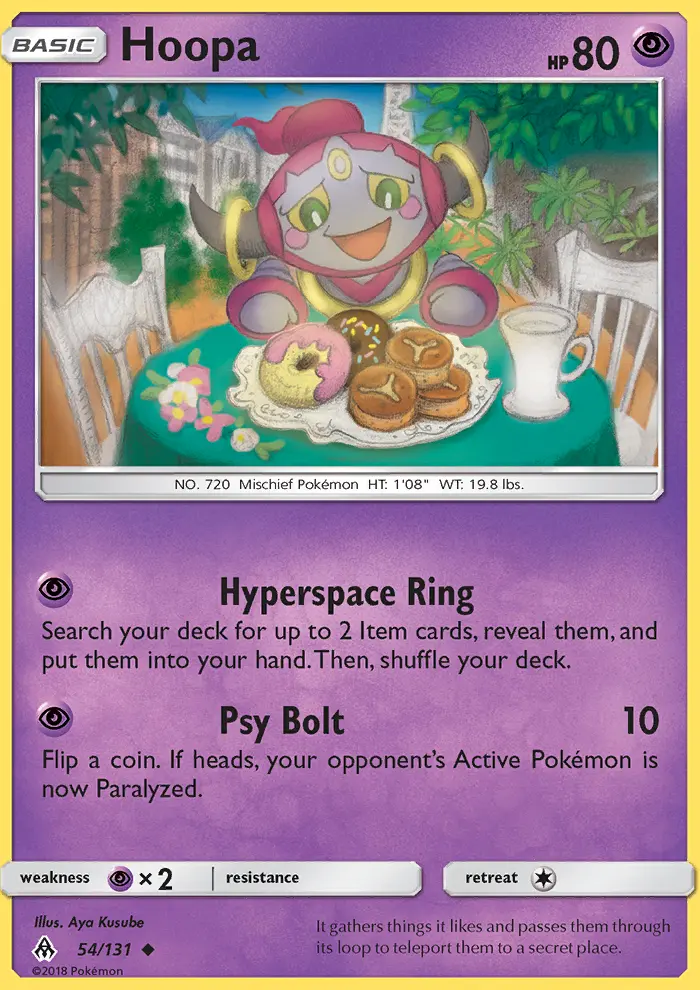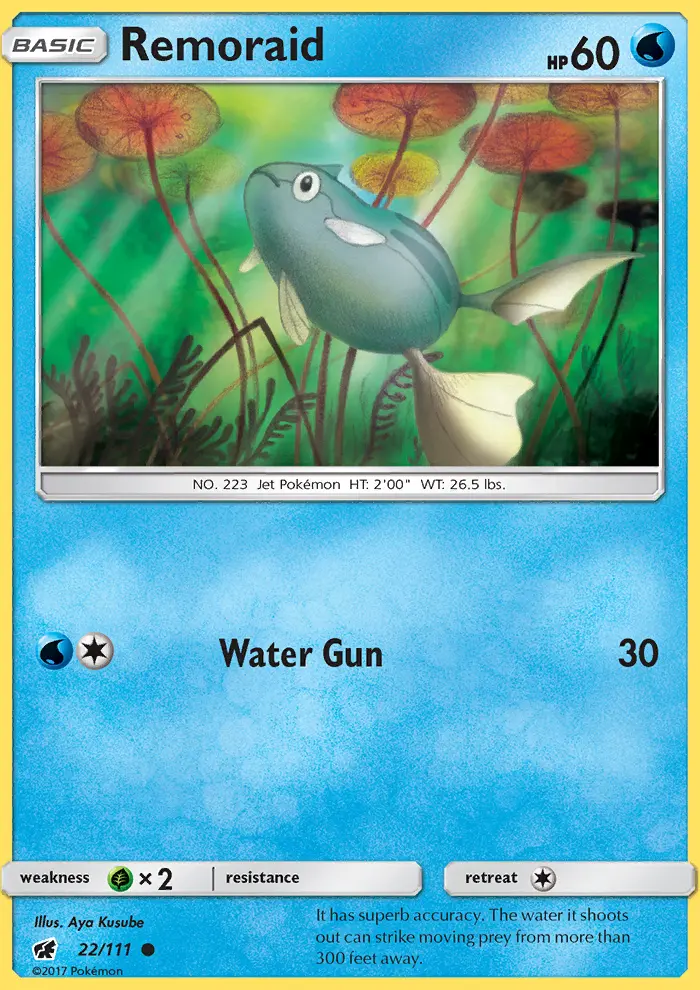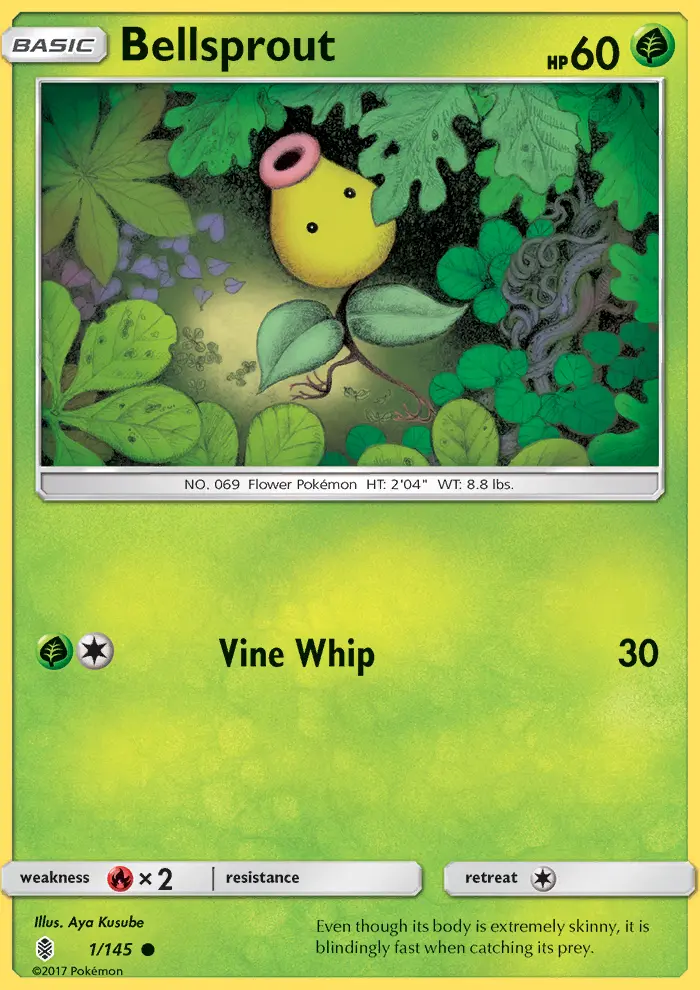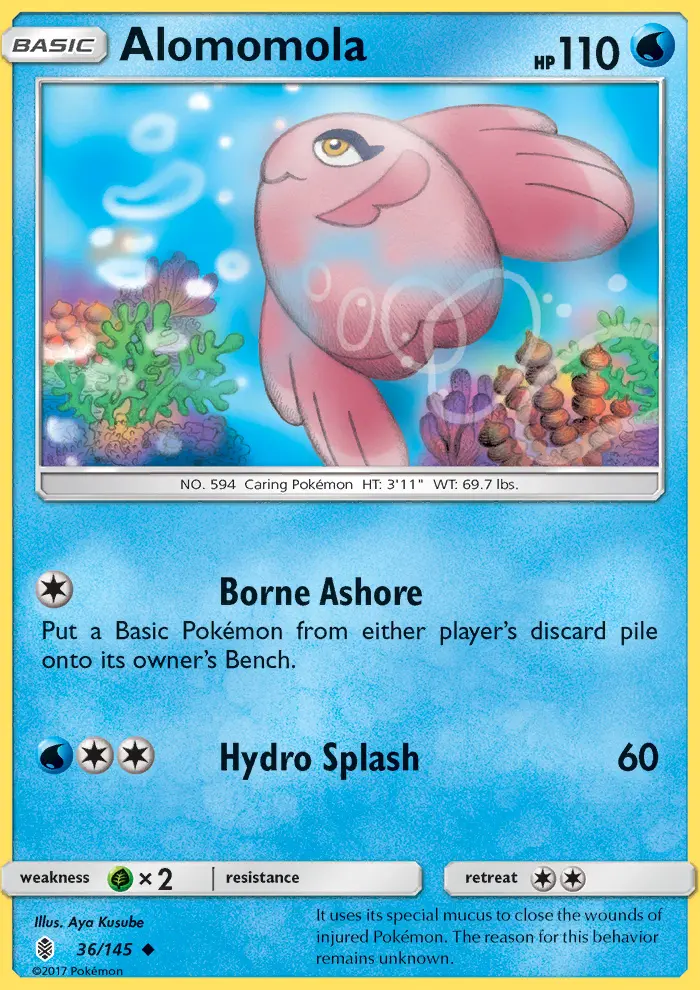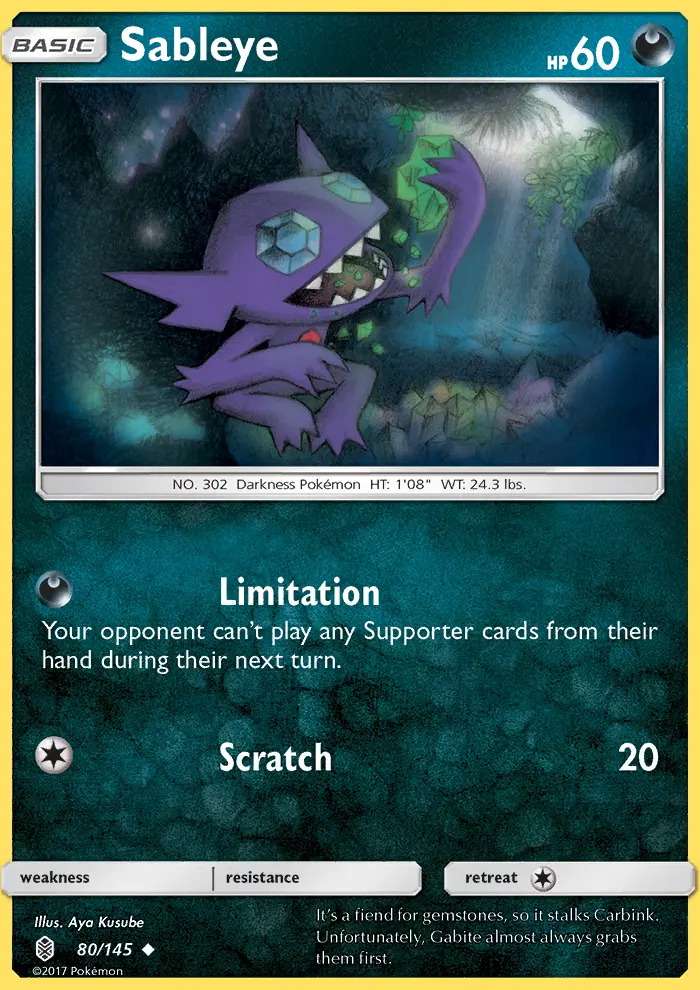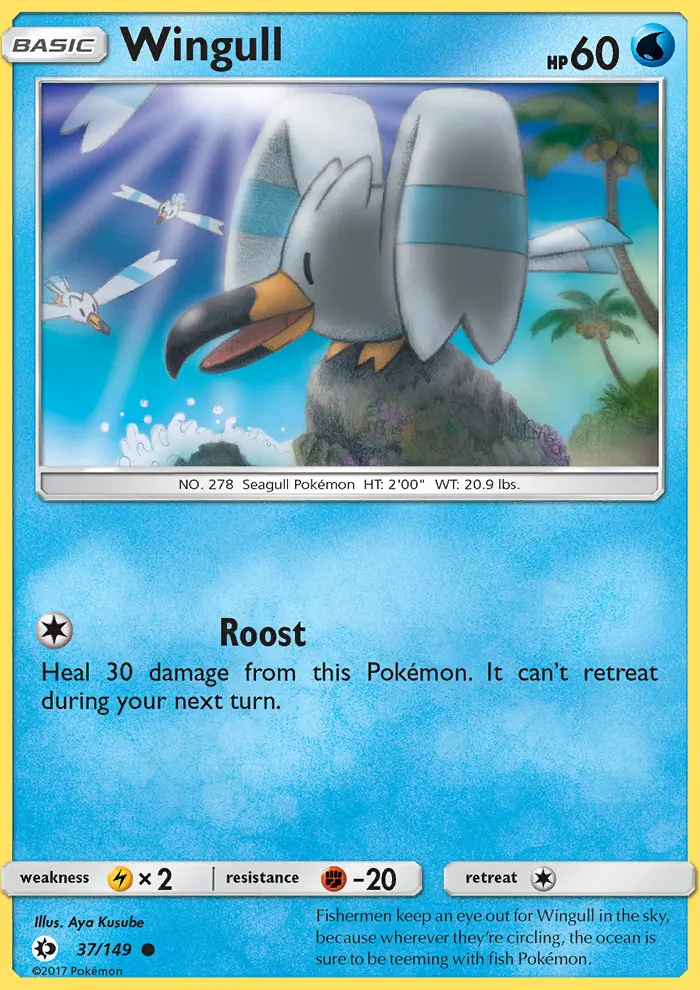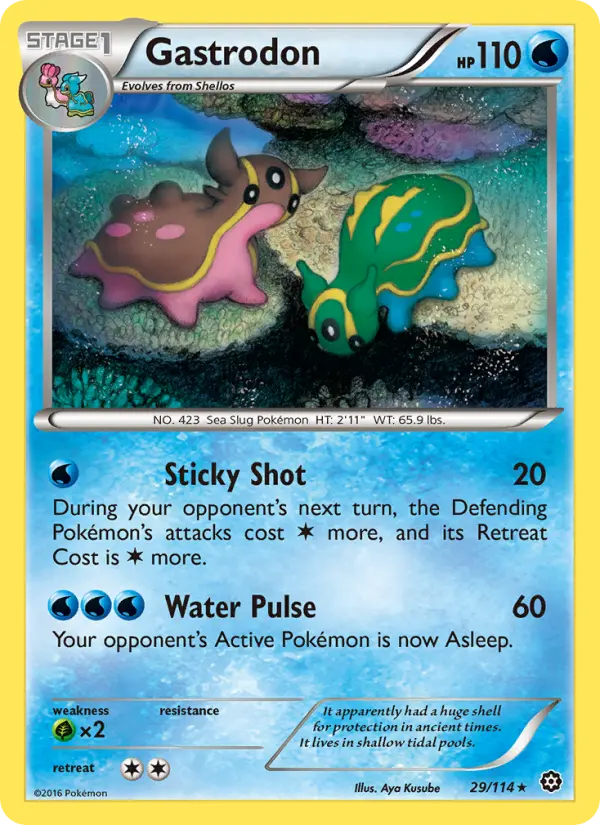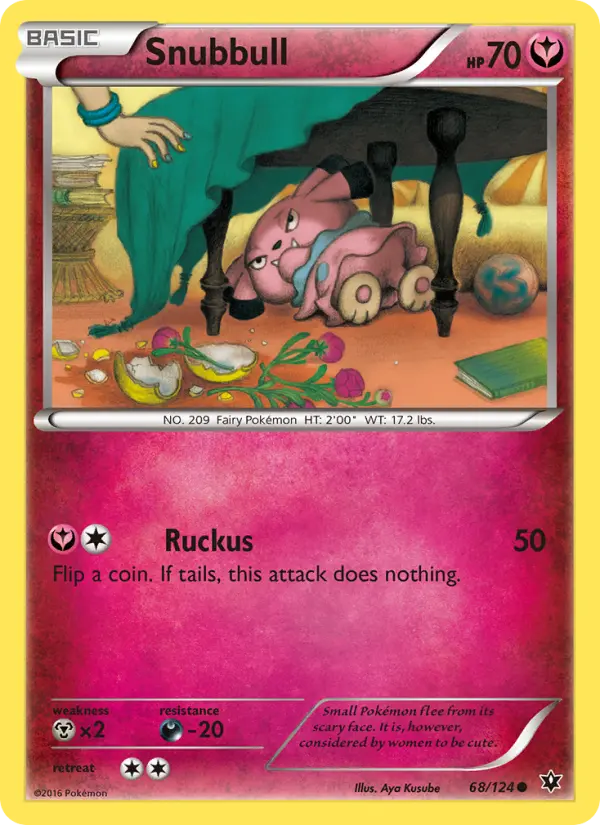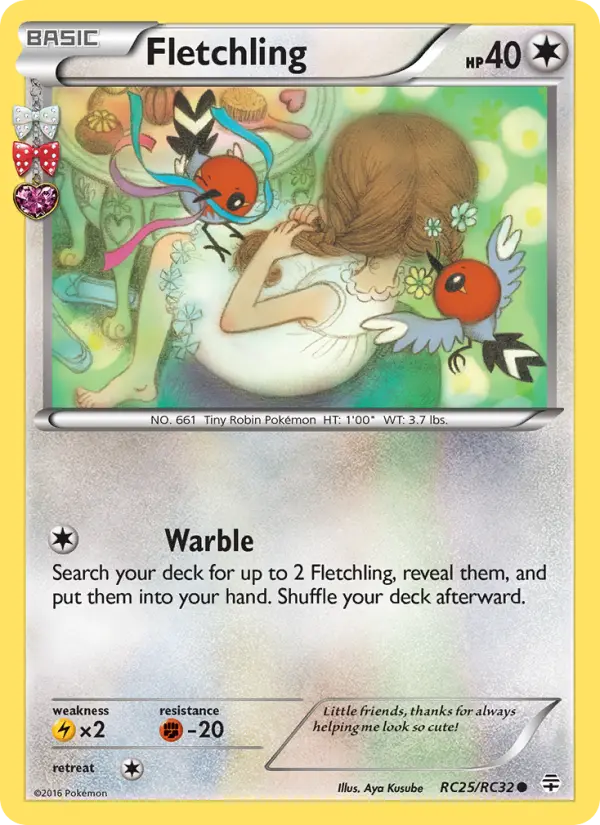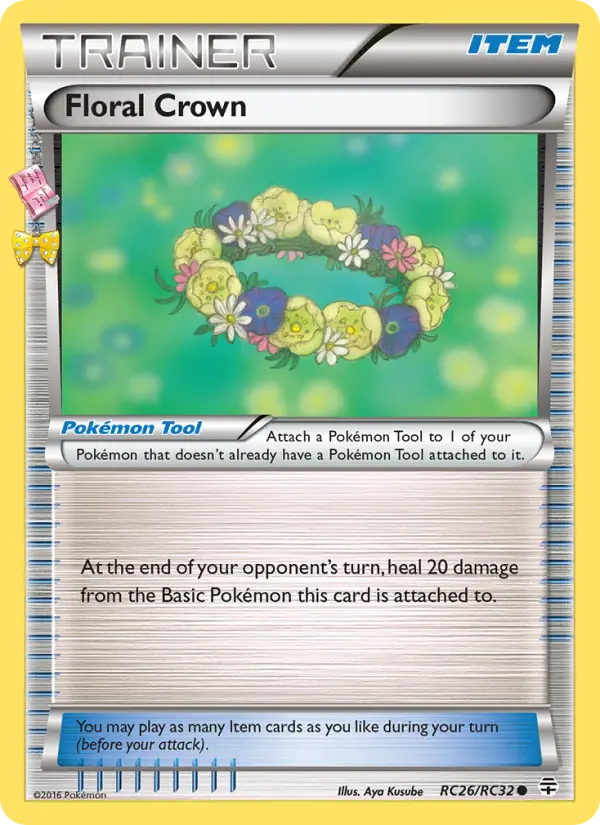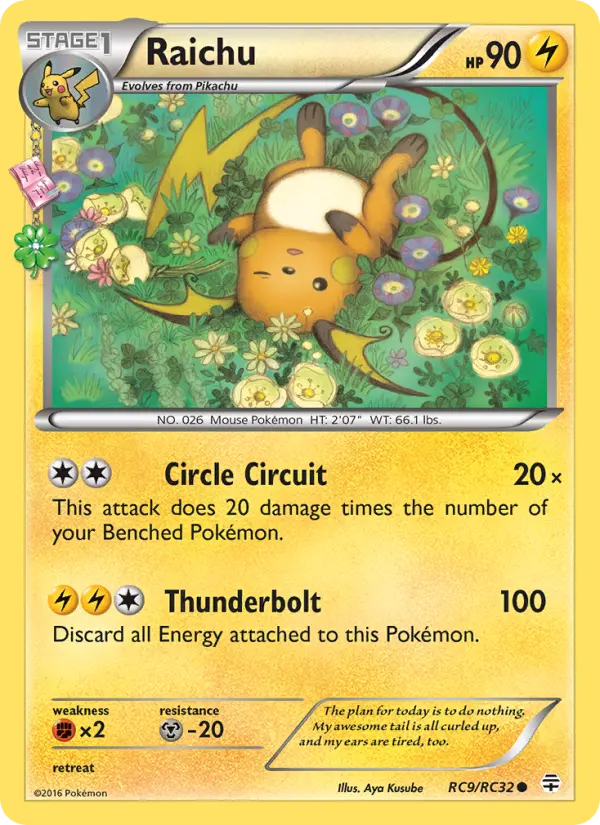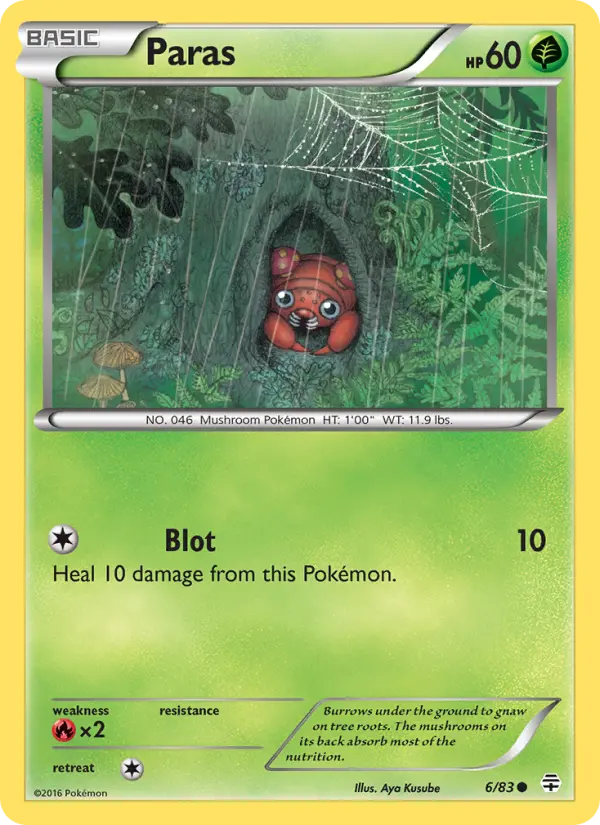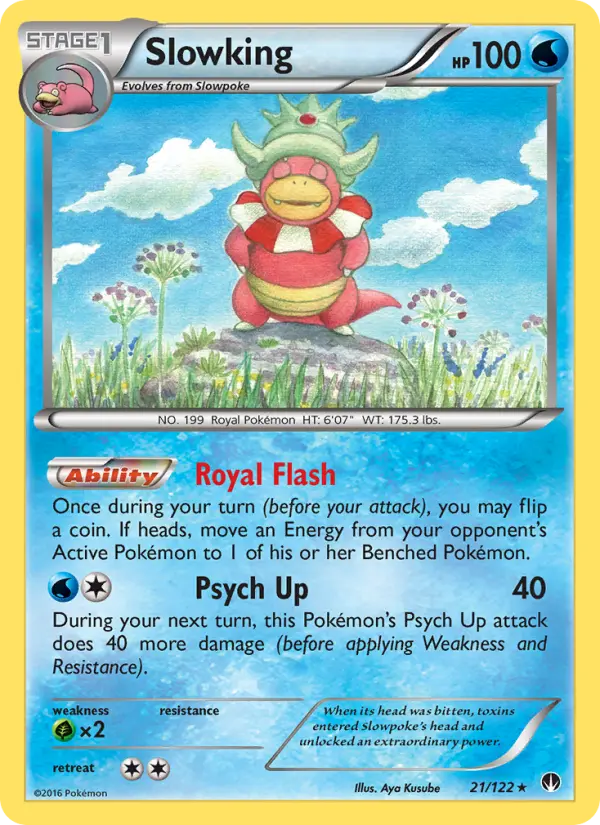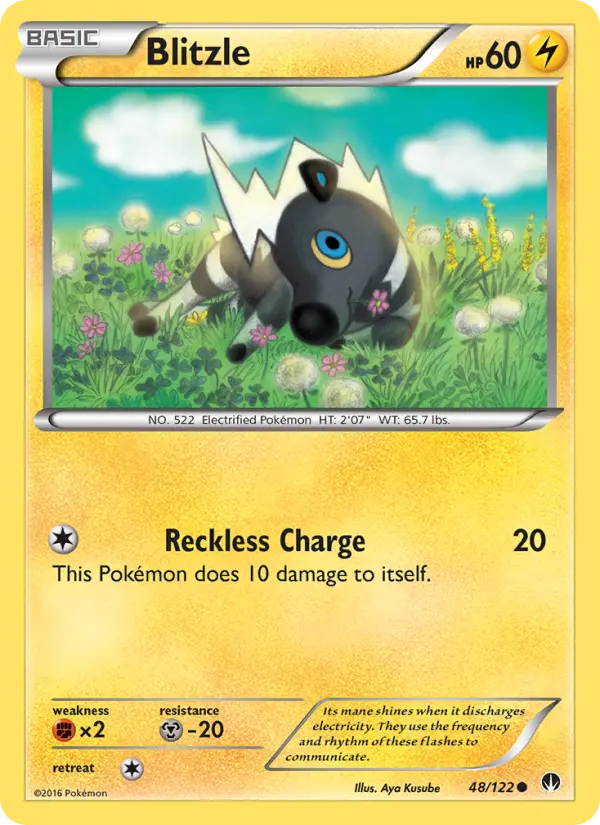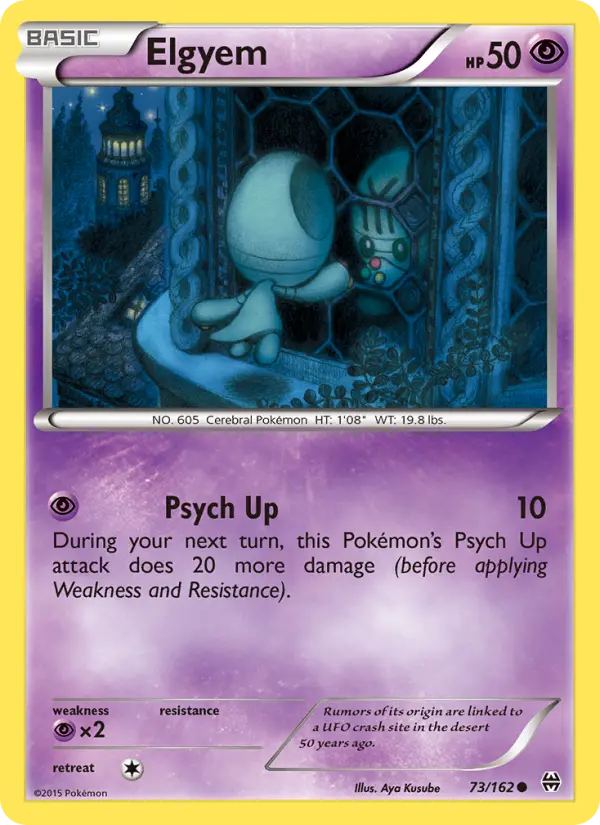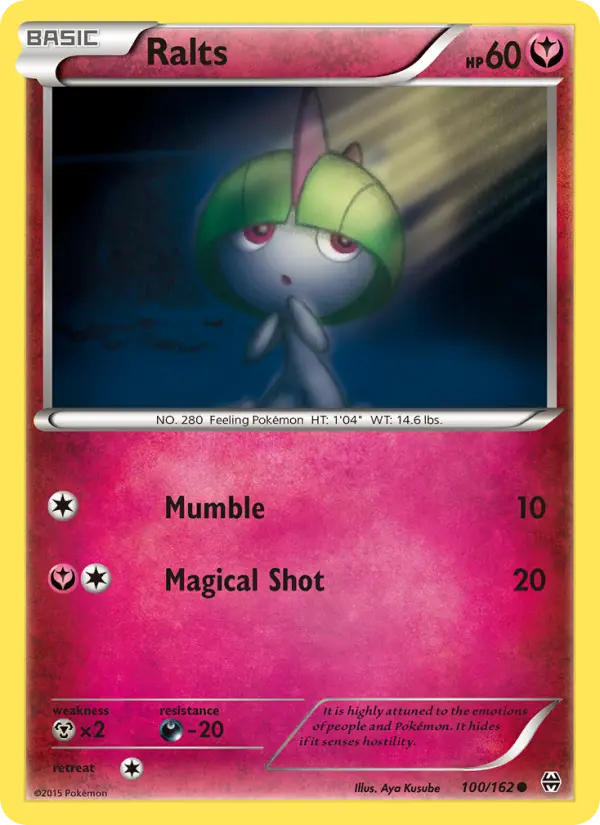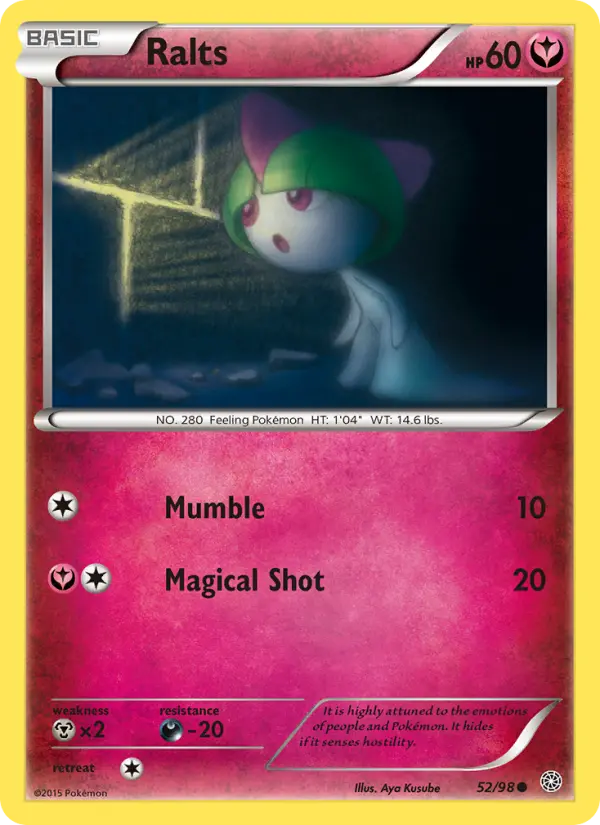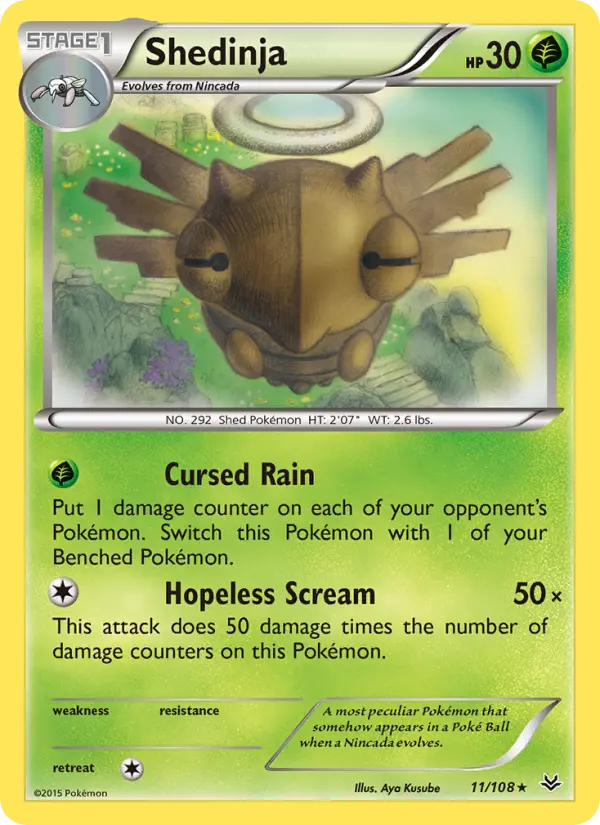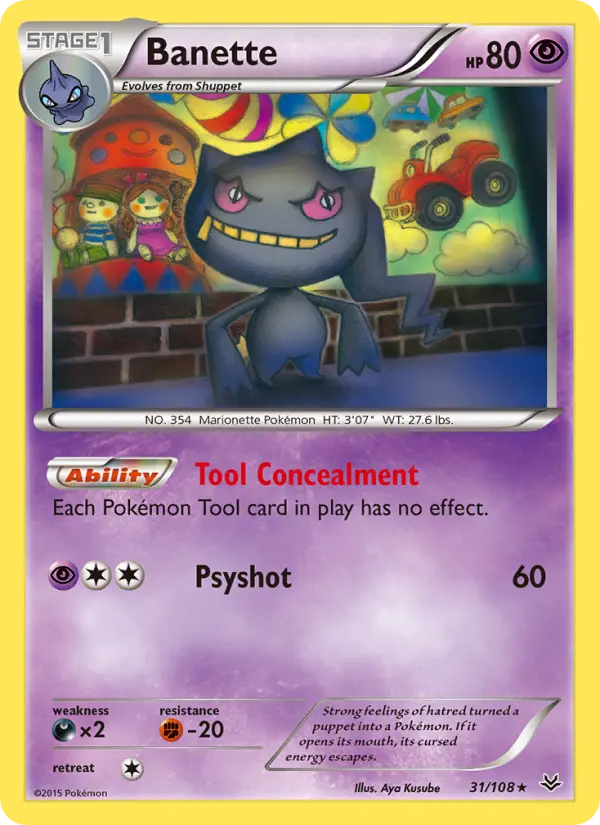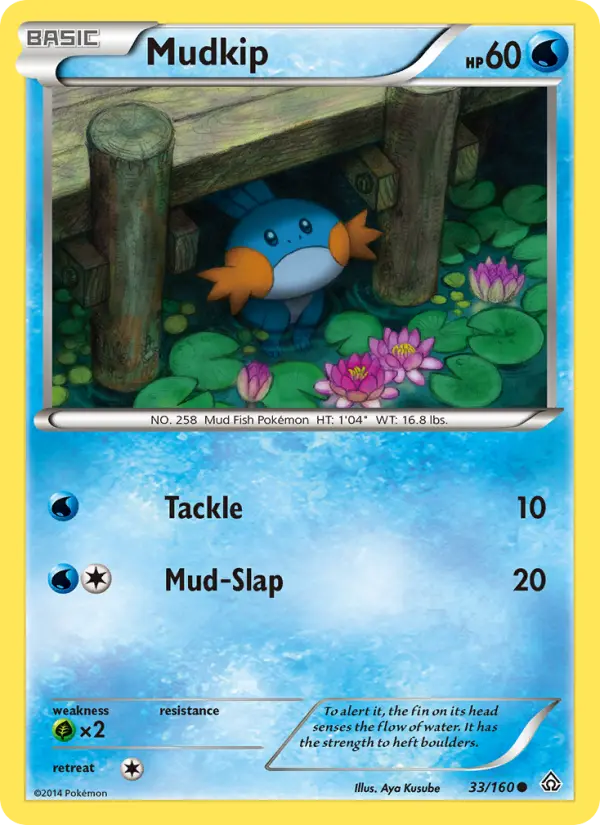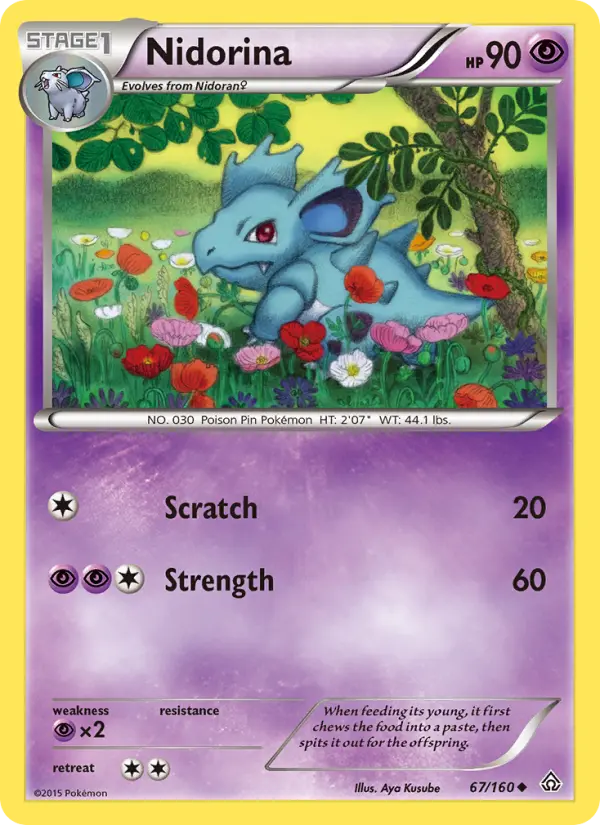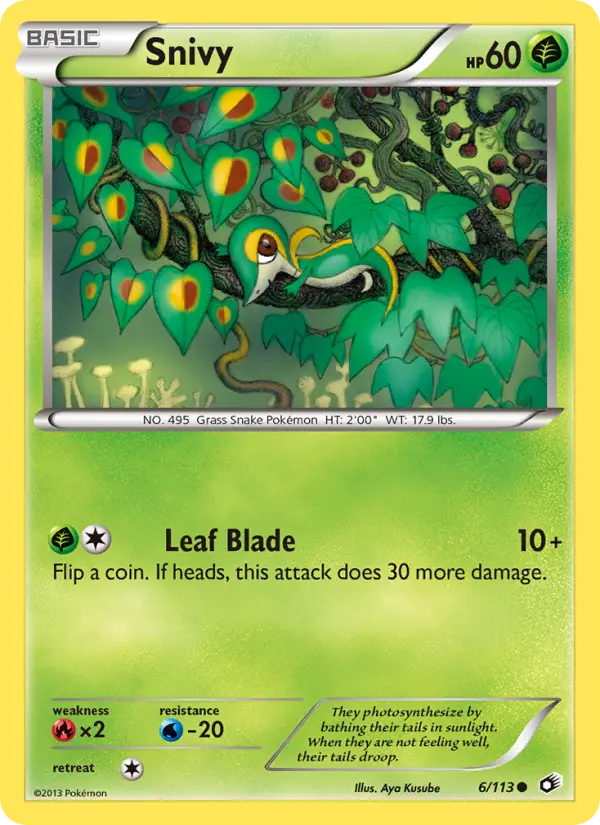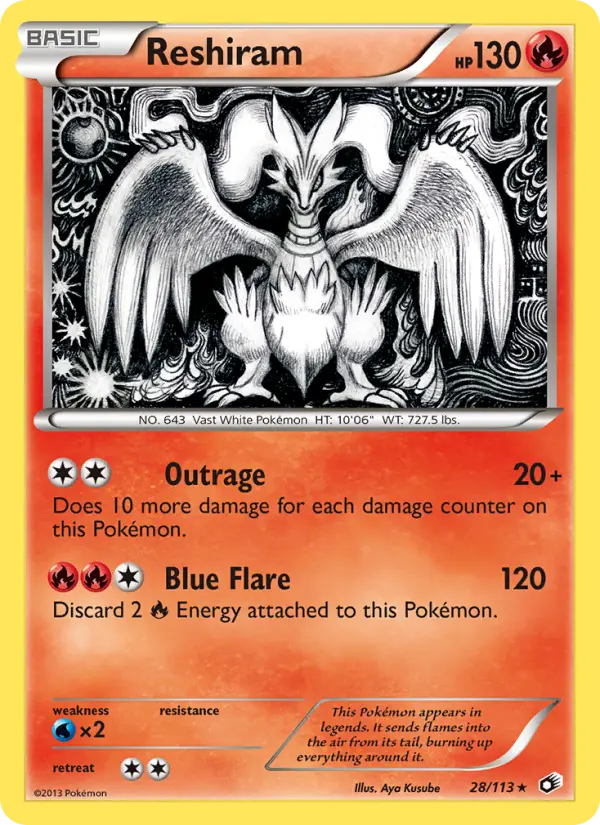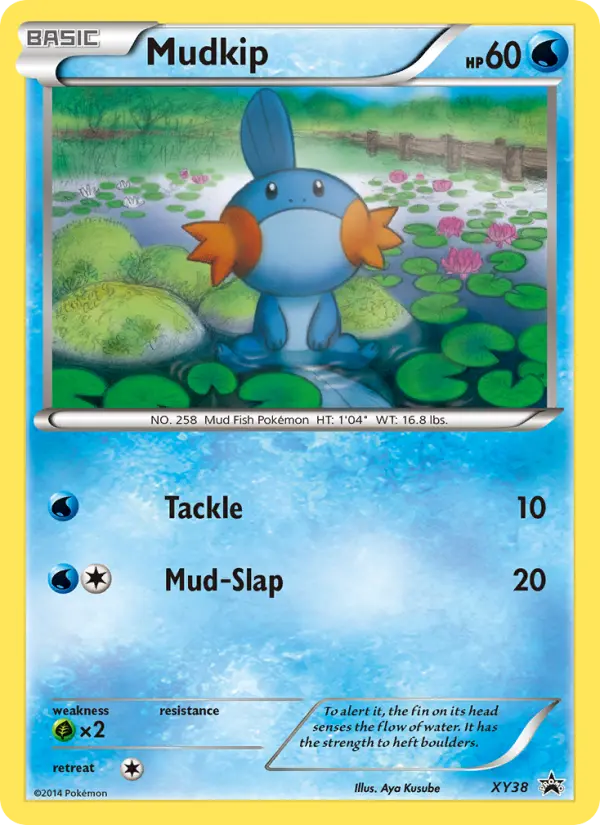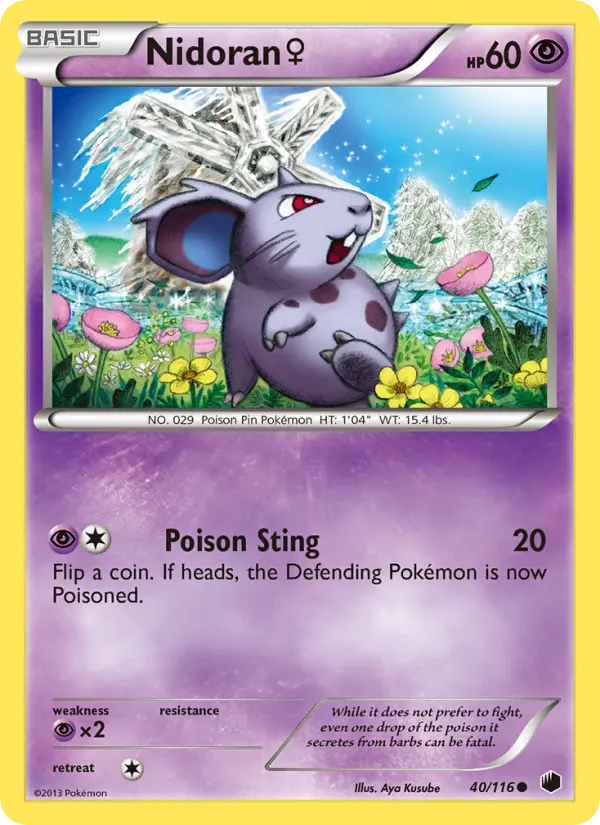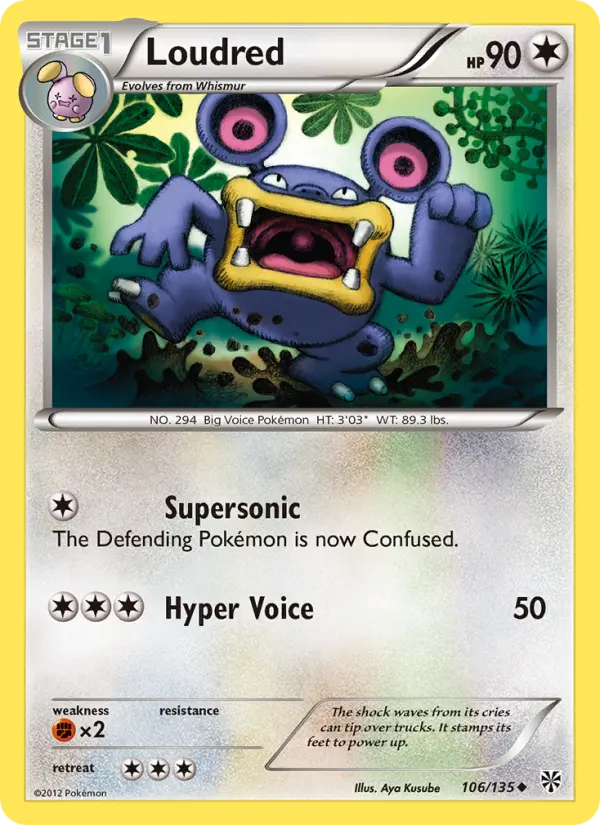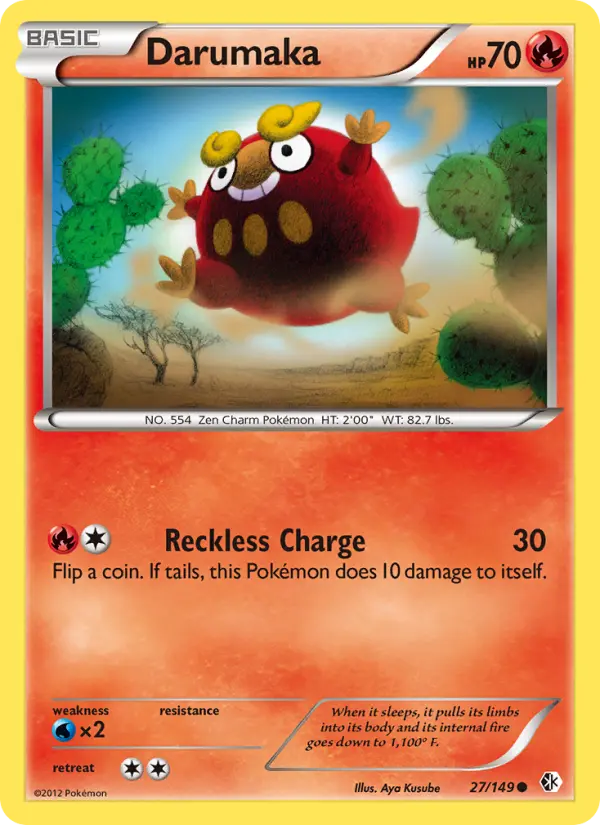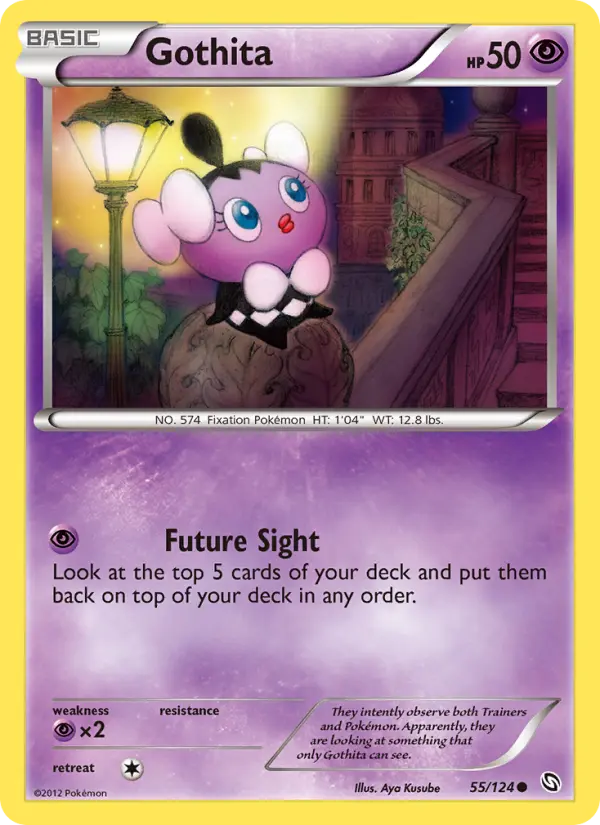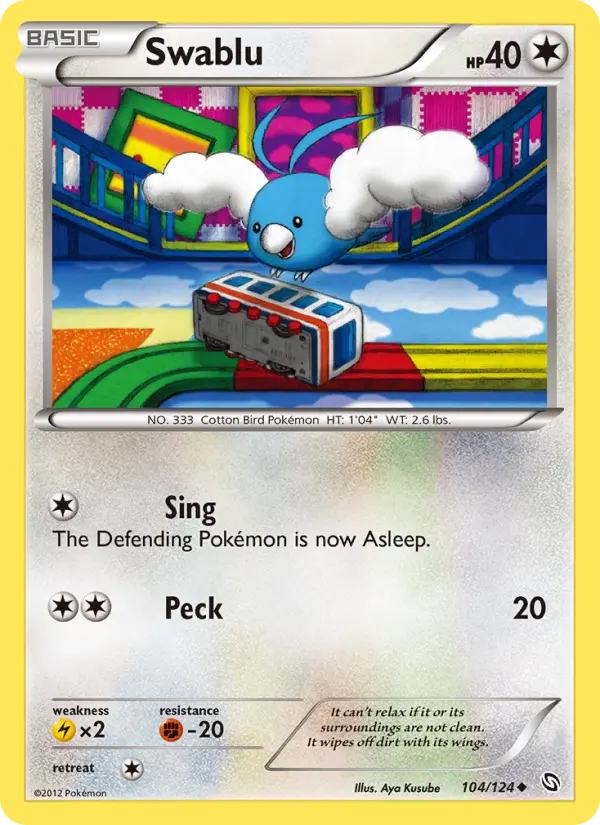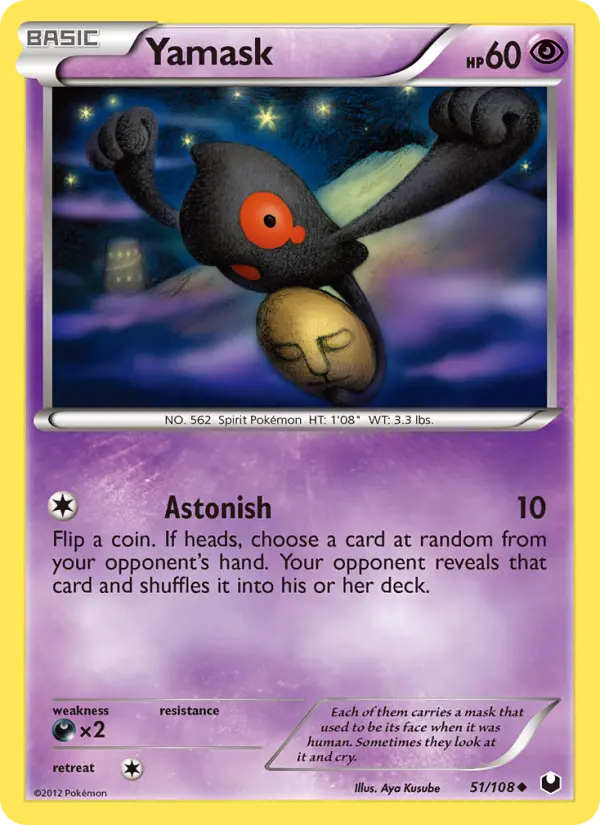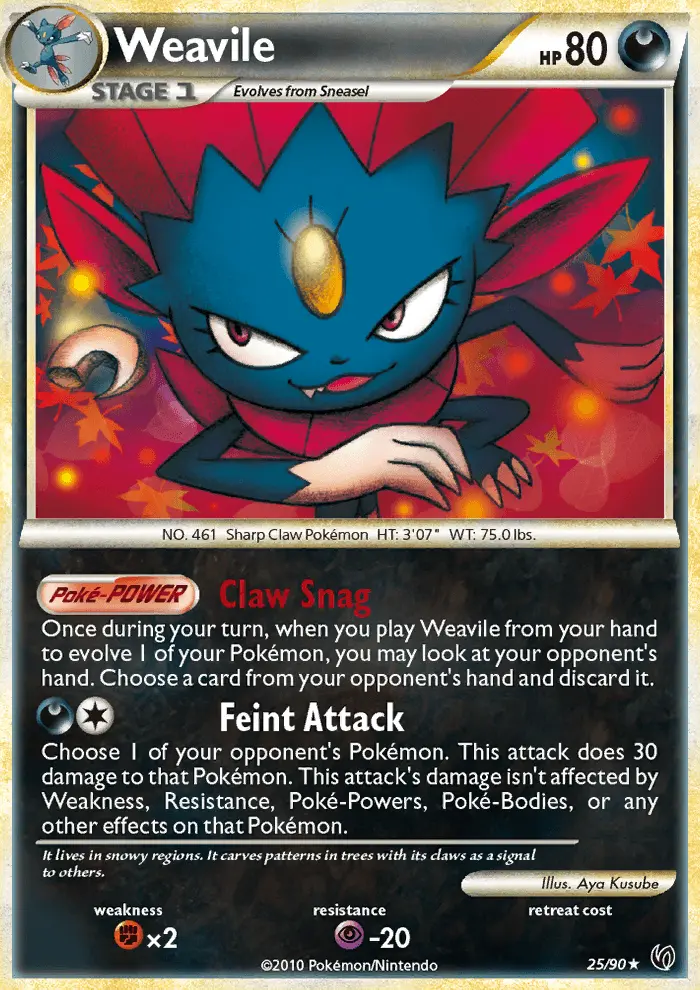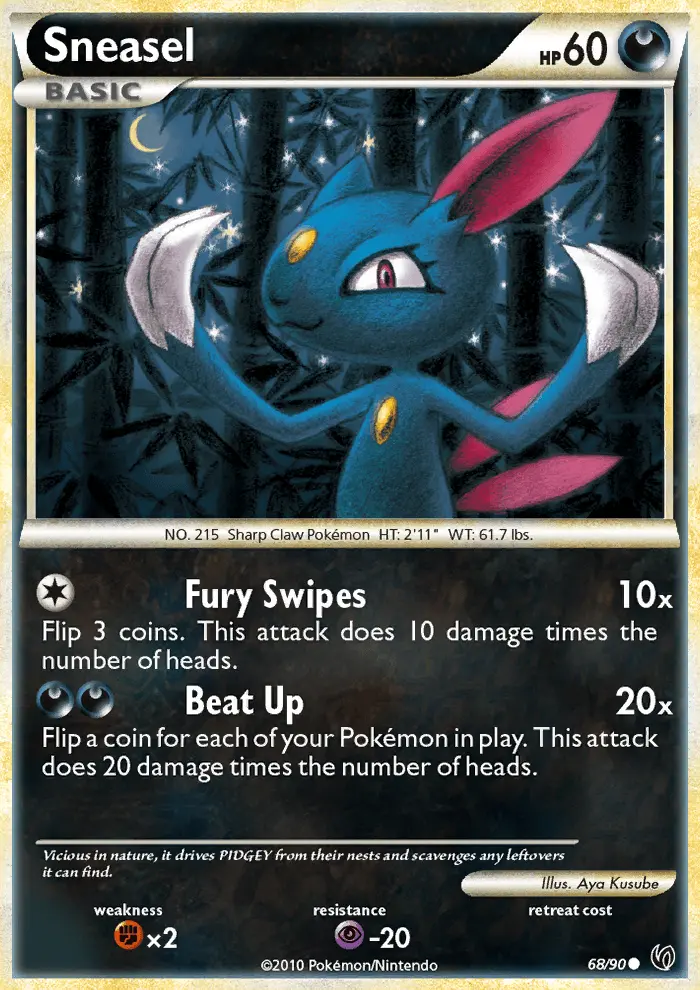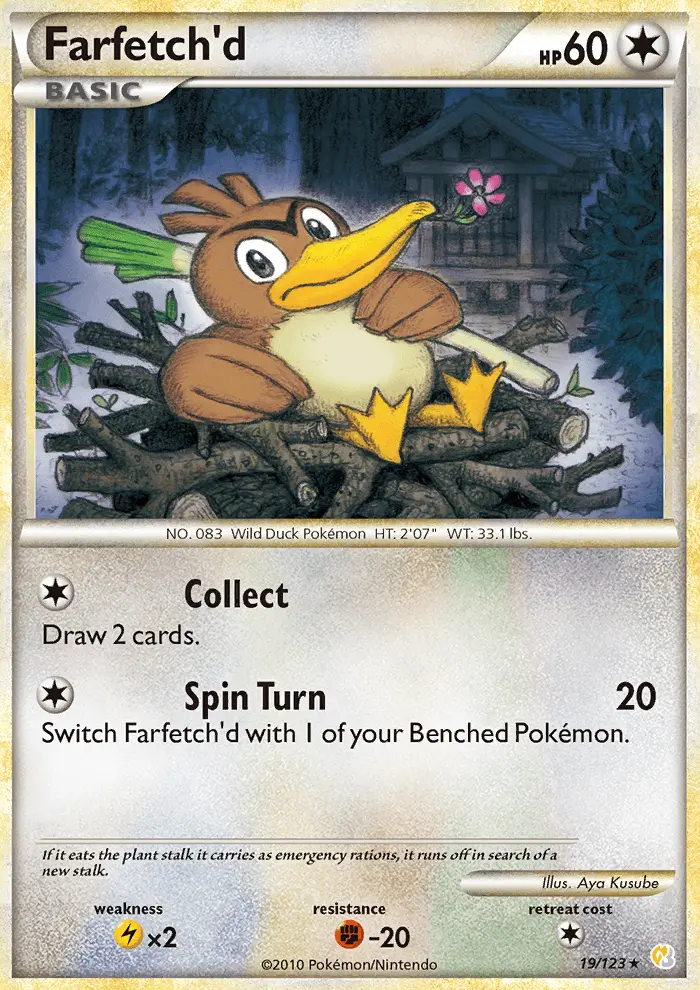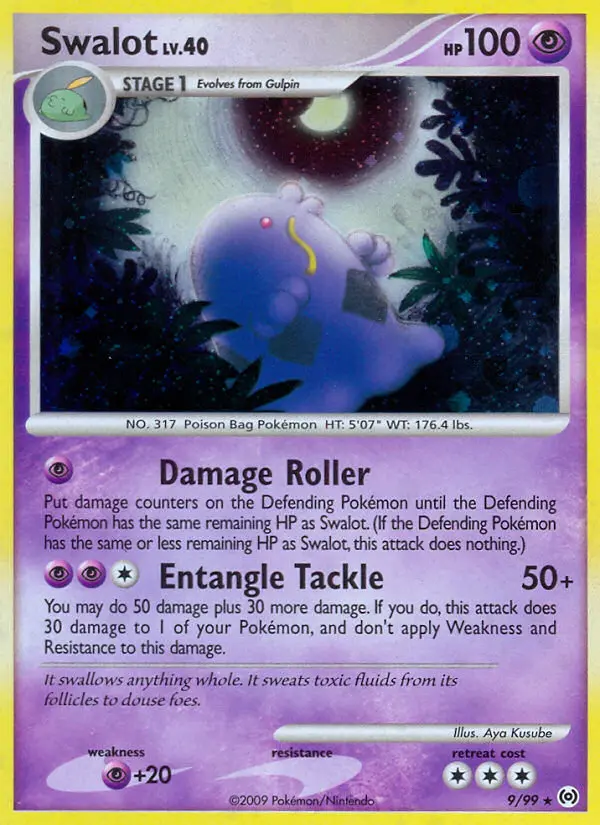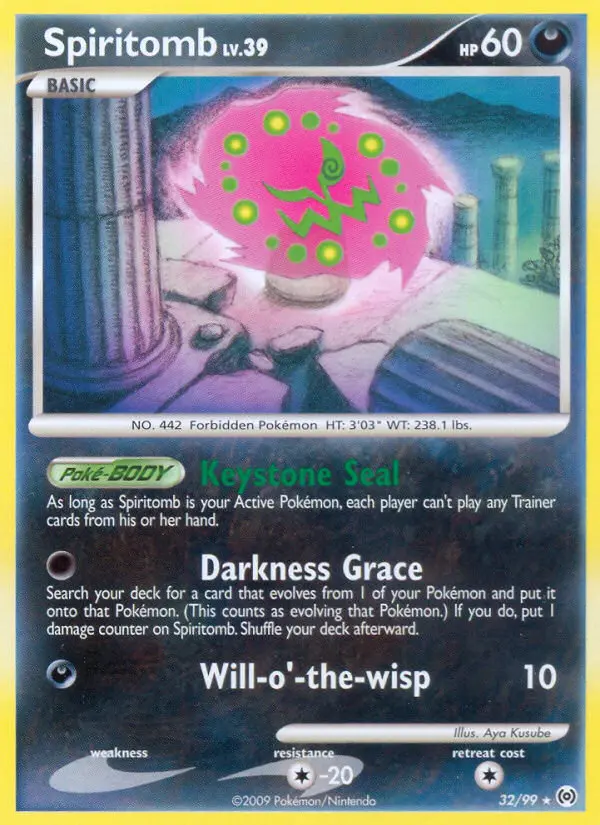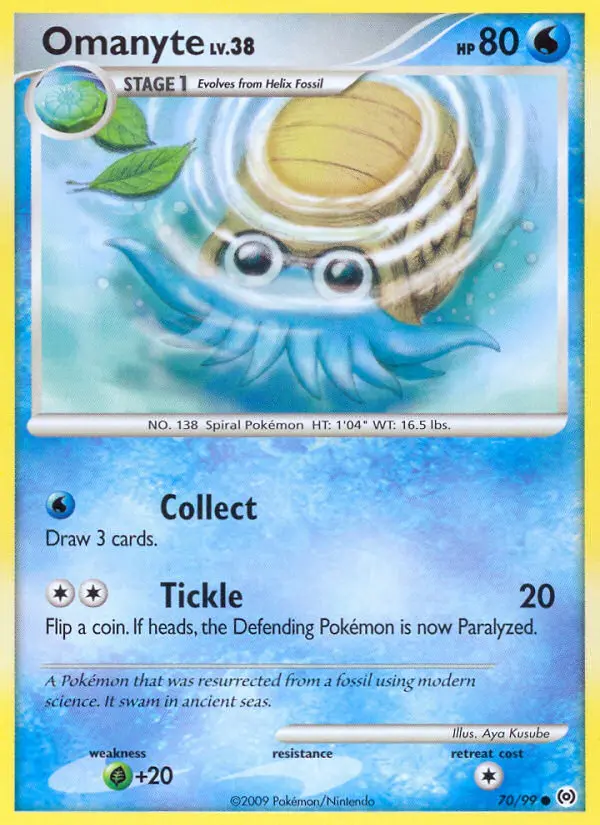
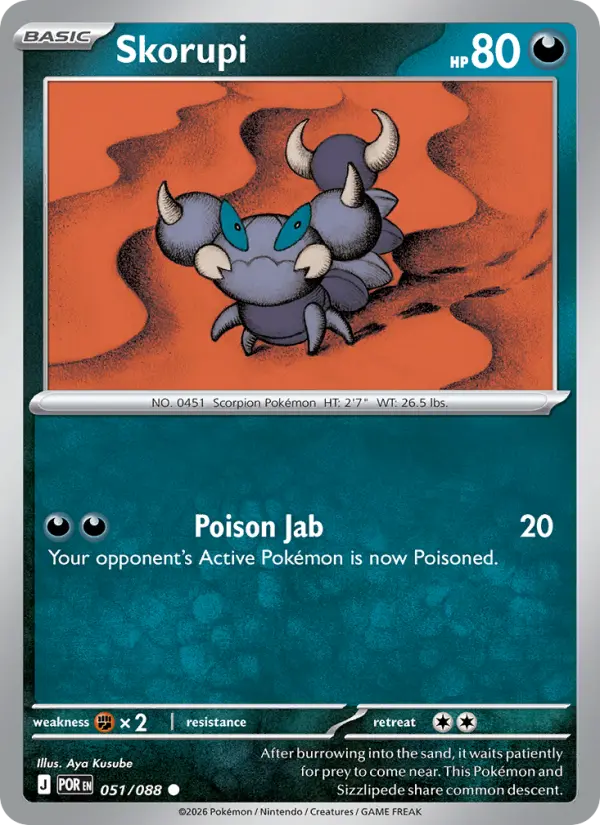
Aya Kusube brings one of the most distinctive sensibilities in the Pokemon TCG: a picture-book eye that can make a card feel gentle, strange or quietly eerie without losing readability. Bulbapedia identifies Kusube as a freelance illustrator born in 1966 in Saitama Prefecture, active in books, magazines and advertising for children, and notes her Pokemon work from 1998 through Pokemon Tales and the Trading Card Game. The Art of Pokemon also describes her as a picture book writer and illustrator who has worked on Pokemon TCG illustrations since 1998.
A picture-book sensibility inside the Pokemon TCG
That background matters when looking at her cards. Kusube is not simply illustrating species for a set list; she often gives them a small narrative space. Older collectors may connect her name with early-era cards around Neo and the e-Card period, while modern collectors can find her in later releases such as Tangela from Pokemon Card 151, Spiritomb, Beheeyem and other characterful Pokemon cards. In PKMN Collectors data, Aya Kusube appears on 129 cards, almost all of them Pokemon rather than Trainer cards.
Her style is especially useful for collectors because it stands apart from high-gloss CG and action-heavy illustration. Bulbapedia notes her simple, child-facing approach outside the TCG and describes a use of limited color, pencil-like marks, hatching and dots to shape shadow. In card form, that can make a Pokemon feel handmade, folkloric or slightly dreamlike. The result is often compact and memorable, the kind of image that rewards a second look after the initial set hype has passed.
For a binder organized by artist, Kusube offers a bridge between vintage texture and modern continuity. Her cards are not defined only by rarity; the appeal is the voice running across decades. A collector following Aya Kusube is really following a quieter branch of Pokemon art history, where charm, oddness and storybook atmosphere matter as much as attack poses or market attention.
Referenced from maroon.dti.ne.jp.